
2007 Conventional Sleeper Trucks For Sale in Texas
Shop 2007 conventional sleeper trucks in Texas. Compare engine, sleeper, wheelbase, drivetrain, and emissions specs for long-haul use.
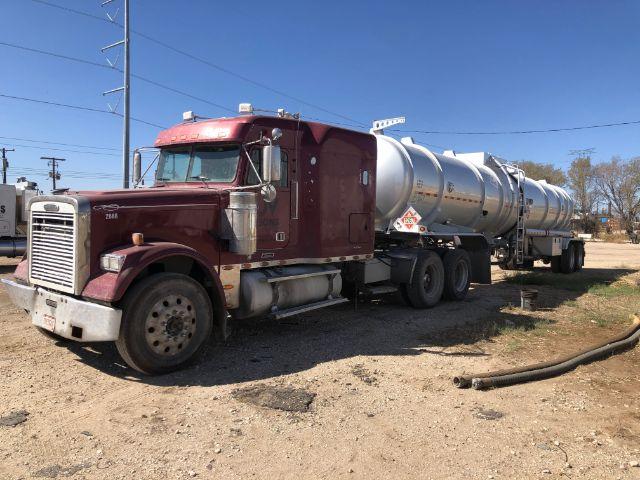
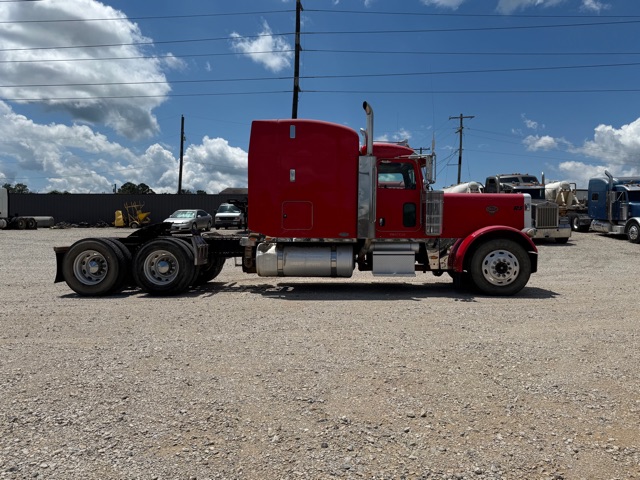
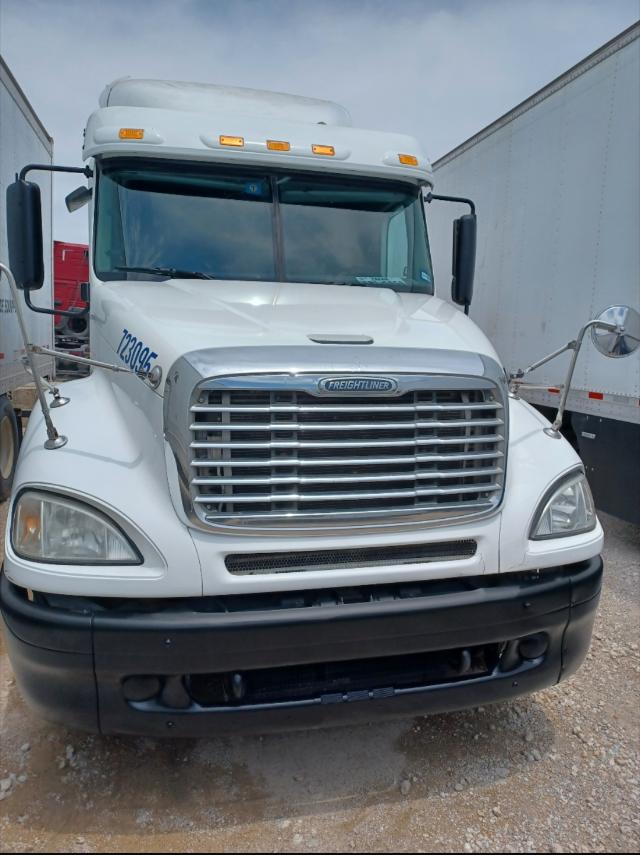
Selling a 2007 conventional sleeper truck? List your 2007 conventional sleeper truck for sale and reach thousands of commercial buyers.
2007 Conventional Sleeper Trucks in Texas
The most important buying decision in this category is the powertrain and emissions package. A 2007 model can fall into an early emissions transition period, so buyers should verify engine family, EGR configuration, DPF presence if applicable, transmission model, rear axle ratio, and mileage history before focusing on cosmetics. Common engines in this class include Detroit Diesel Series 60 and early DD platforms, Cummins ISX, Caterpillar C15 in some pre-buy scenarios, and Volvo or Mack power in brand-specific fleets. Manual 10-speed and 13-speed transmissions are still common in this year, though some automated manuals appear in later-spec fleet trucks. For Texas operations that see wide-open interstate miles and heavy gross weights, horsepower and torque ratings need to match the lane speeds, terrain, and trailer type you plan to pull.
Sleeper size, wheelbase, and axle setup matter just as much as engine choice. Most 2007 conventional sleepers are 6x4 tandem axle tractors, often with raised-roof sleepers designed for one or two drivers. A longer wheelbase can improve ride quality and fuel tank capacity, but it can also affect maneuverability in tight yards or urban deliveries. Buyers should look closely at sleeper condition, bunk layout, APU or idle-management equipment, HVAC performance, cabinet space, and signs of water intrusion. On the chassis side, check frame condition, suspension type, fifth wheel wear, kingpin setting compatibility with your trailers, brake type, and tire wear across all axle positions. In Texas heat, cooling system health and air conditioning performance are not minor details.
For a buyer comparing multiple 2007 conventional sleeper trucks, service records usually tell the real story. Focus on overhead history, inframe status, clutch or transmission work, differential repairs, injector history, turbo replacement, and any documented aftertreatment or wiring issues. If the truck will run interstate, confirm current registration and emissions compliance requirements for the states you plan to enter. A careful pre-purchase inspection with ECM download, blow-by check, fluid sampling, and an undercarriage review is money well spent in this category. The right 2007 sleeper tractor can still be a solid revenue truck if the spec matches the freight and the maintenance history is documented.
Frequently Asked Questions about 2007 Conventional Sleeper Trucks in Texas
What should I check first on a 2007 conventional sleeper truck?
Start with the engine serial number, emissions configuration, transmission model, mileage, and maintenance history. On a 2007 truck, the powertrain and emissions setup can affect reliability, operating cost, and legal use in certain areas more than paint or interior condition. A buyer should also review ECM data, look for signs of excessive blow-by, and confirm whether major repairs such as an inframe, turbo, injectors, clutch, or differential work have already been completed.
Are 2007 conventional sleeper trucks good for long-haul work?
They can be, provided the truck has the right sleeper size, fuel capacity, wheelbase, and drivetrain ratio for highway freight. Many 2007 sleeper tractors were originally built for over-the-road service, so they often have tandem axles, raised-roof sleepers, and durable highway specs. The key is matching the truck to the job, especially if you plan to pull reefer, heavy flatbed, or high-mile dry van lanes across Texas and neighboring states.
Do 2007 sleeper trucks have emissions equipment I need to worry about?
Yes, and the exact setup depends on the engine make, build date, and original specification. 2007 is a transition period in heavy-duty diesel emissions, so buyers need to verify whether the truck uses EGR only or includes later aftertreatment components depending on the platform. Understanding that configuration matters because it affects maintenance requirements, downtime risk, and where the truck can legally operate.
What axle and sleeper configurations are most common on 2007 conventional sleepers?
Most are 6x4 tandem axle tractors with mid-roof or raised-roof sleeper cabs designed for one-driver or team use. Common setups include dual fuel tanks, air ride suspension, sliding fifth wheels, and wheelbases intended for 53-foot van or reefer trailers. Sleeper lengths and interior features vary widely, so buyers should verify bunk layout, storage, HVAC function, and any added equipment such as an APU or inverter.
Why is a pre-purchase inspection important on a 2007 conventional sleeper?
Age alone does not determine value in this category. A detailed inspection helps separate a well-maintained revenue truck from one carrying hidden engine, frame, suspension, or electrical problems. A proper inspection should include an ECM download, fluid leak review, brake and tire measurements, frame and suspension checks, driveline inspection, and a road test so the buyer understands the truck's true operating condition before purchase.