
2007 Conventional Sleeper Trucks For Sale
Shop 2007 conventional sleeper trucks with key specs, common engine and sleeper options, and buying tips for long-haul fleet and owner-operator use.
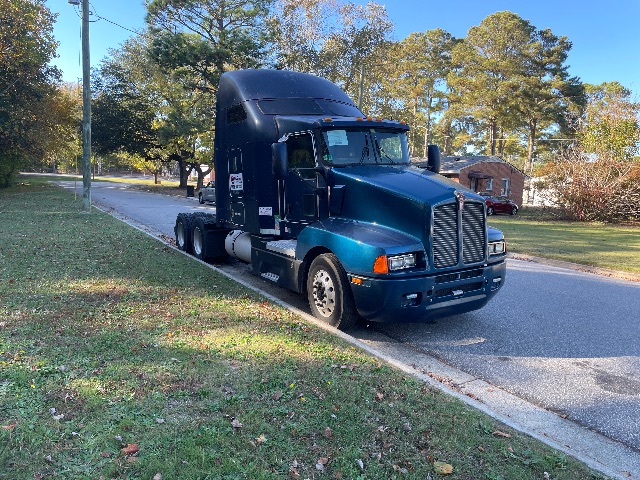
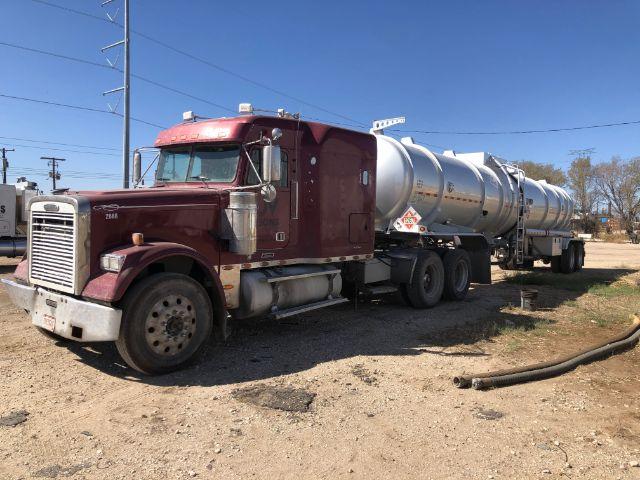
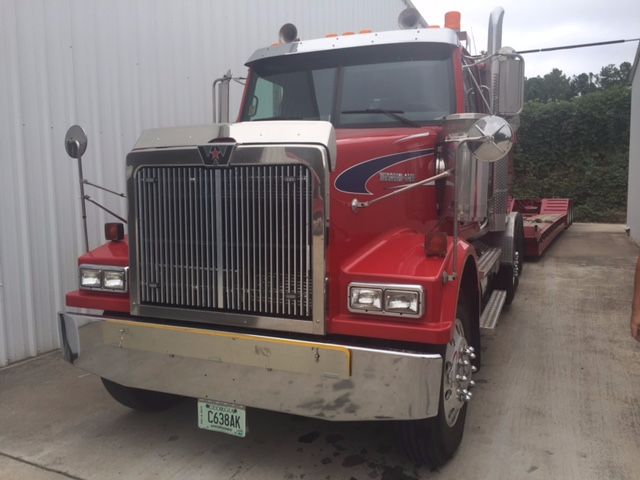
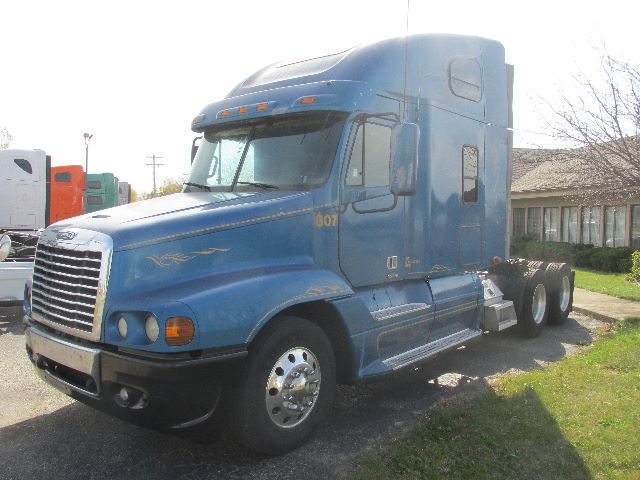
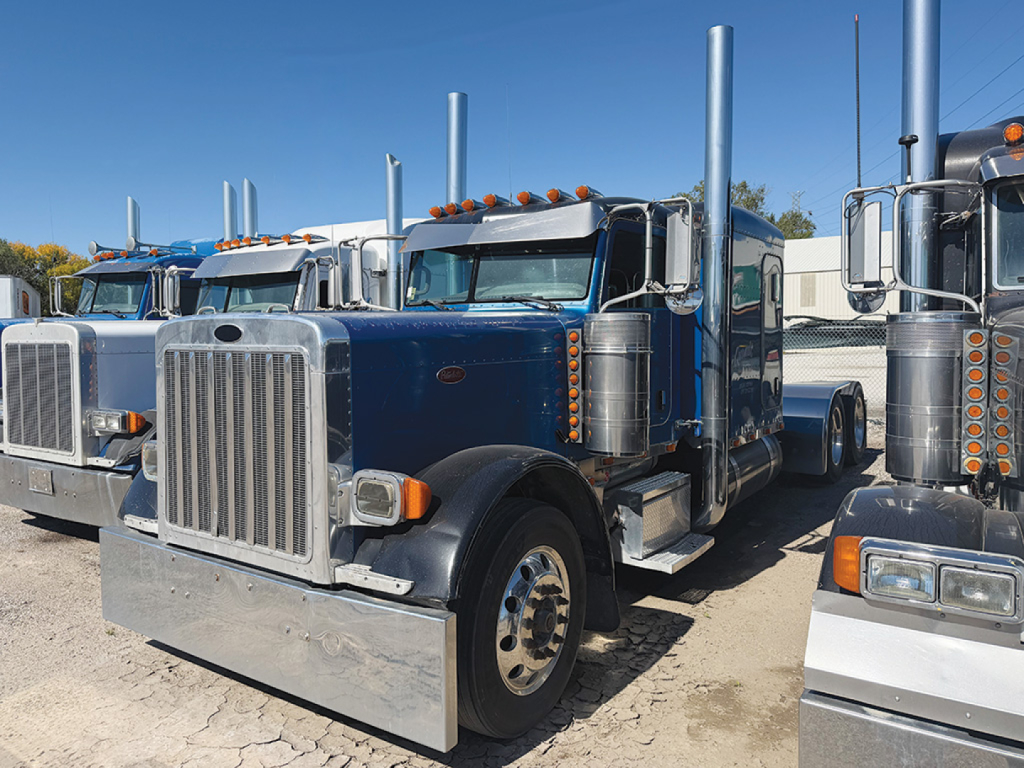
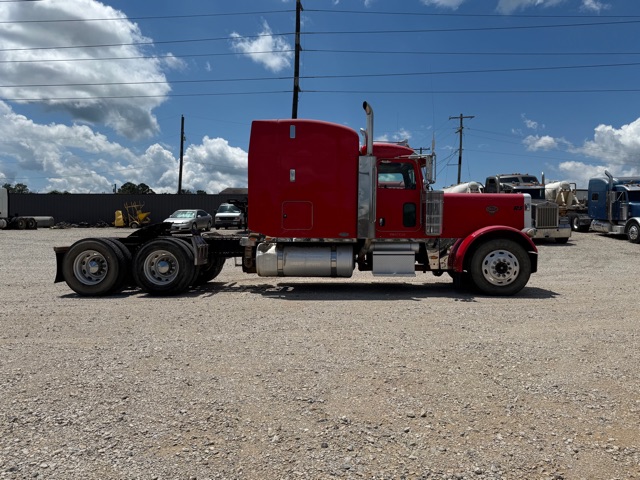
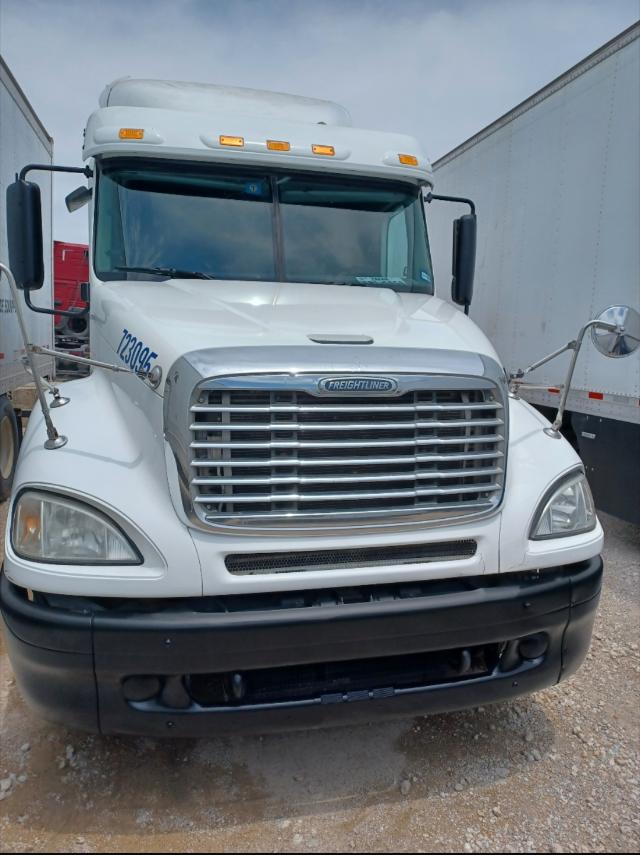
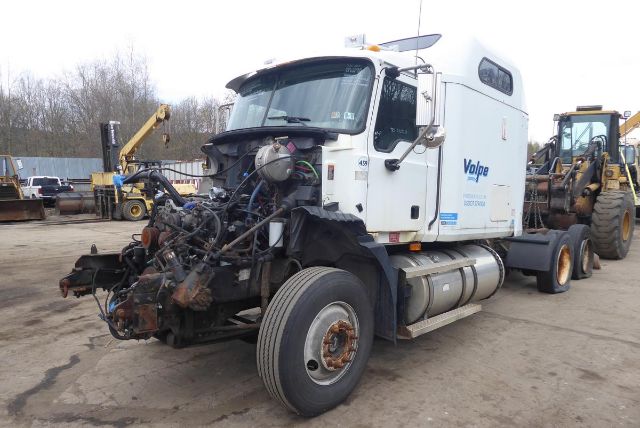
Selling a 2007 conventional sleeper truck? List your 2007 conventional sleeper truck for sale and reach thousands of commercial buyers.
2007 Conventional Sleeper Trucks
The most important buying question on a 2007 sleeper is the engine and aftertreatment package. Depending on make and production date, these trucks may have EGR-only engines or early diesel particulate filter systems. Common engines in this class include the Caterpillar C13 and C15, Cummins ISX, Detroit Series 60 in some applications, and early Detroit DD15 or Volvo and Mack platform engines in certain late-year configurations. Horsepower commonly falls in the 400 to 500 HP range, with 10, 13, and 18-speed manual transmissions still common, though some automated manuals appear in fleet specs. Rear axle ratings are often 38,000 to 40,000 pounds, with ratios such as 3.36, 3.55, and 3.70 showing up regularly depending on whether the truck was set for fuel economy or heavier pulling.
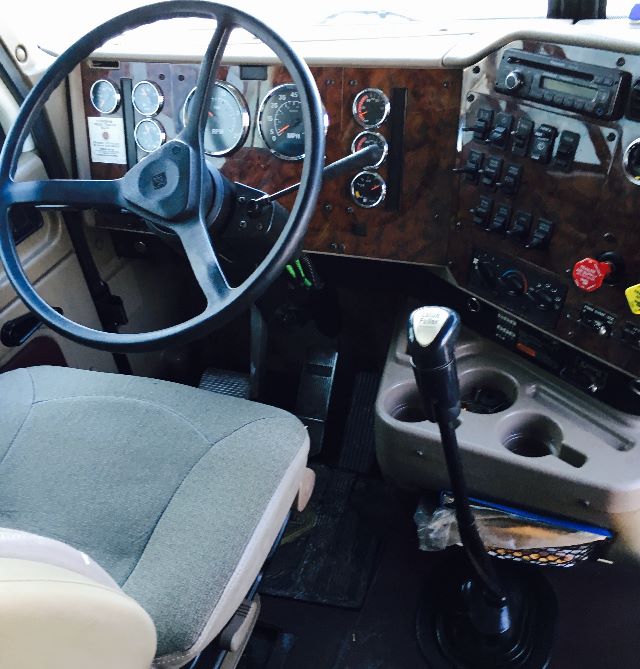
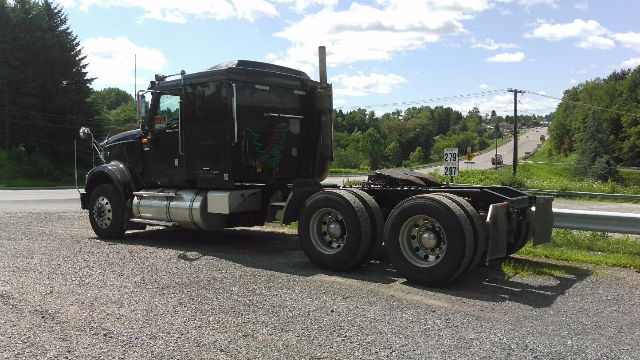
Sleeper size and chassis layout matter if the truck will stay on the road for multiple days at a time. Many 2007 conventional sleepers were ordered with 60-inch, 72-inch, and 86-inch sleepers, dual fuel tanks, air ride suspension, sliding fifth wheels, and fairings to improve fuel economy. Interior condition counts more than many buyers expect because bunk HVAC, inverters, cabinetry, seals, and mattress platform wear can turn into real downtime and repair cost. On the chassis side, it is smart to inspect suspension bushings, frame condition, steer axle wear, brake type, tire matching, and kingpin setting if the truck will be assigned to a trailer pool with varying bridge and axle requirements.
A good 2007 conventional sleeper can still make sense for an owner-operator, farm operation, export buyer, or fleet needing a lower acquisition cost tractor for regional or seasonal demand. Service records, overhead history, injector work, DPF service if equipped, clutch life, transmission condition, and signs of idle-heavy operation should carry more weight than appearance alone. Buyers comparing listings should pay close attention to engine family, miles, hours, sleeper configuration, wheelbase, rear ratio, and tire and brake spec because two 2007 sleeper trucks can look similar on paper but perform very differently in fuel economy, maintenance cost, and load flexibility.
Frequently Asked Questions about 2007 Conventional Sleeper Trucks
What should I check first on a 2007 conventional sleeper truck?
Start with the engine serial information, emissions system type, mileage, engine hours, and maintenance records. On a 2007 truck, it is especially important to confirm whether it has an EGR-only setup or an early DPF-equipped emissions package, because that affects maintenance cost and troubleshooting. After that, review transmission type, rear axle ratio, clutch condition if manual, and any major repairs such as inframe work, turbo replacement, injector service, or DPF cleaning.
Are 2007 conventional sleeper trucks good for over-the-road use?
Yes, many 2007 conventional sleepers were built specifically for over-the-road service and still fit long-haul, regional, and dedicated lane work. The key is matching the truck's sleeper size, wheelbase, fuel capacity, and drivetrain to the application. A truck with the right horsepower, gearing, and a well-kept sleeper can still be productive, but the condition of the cab, bunk systems, and emissions components matters as much as the drivetrain on a truck of this age.
What engines are common in 2007 sleeper tractors?
Common engines in this model year include the Cummins ISX, Caterpillar C13 and C15, and in some specs Detroit, Volvo, or Mack engines depending on the brand. The exact engine depends on the original chassis manufacturer and build date. Buyers usually compare these trucks based on horsepower rating, emissions design, known service history, and parts support in their operating region.
What axle ratios and transmissions are typical in a 2007 conventional sleeper?
Many 2007 conventional sleepers were spec'd with 10-speed, 13-speed, or 18-speed manual transmissions, with some automated transmissions appearing in fleet service. Rear axle ratios often fall in the 3.36 to 3.70 range, though there are both faster and slower specs in the market. Lower numerical ratios generally favor highway fuel economy, while higher numerical ratios can be better for heavier freight, tougher terrain, or vocational crossover use.
How important is sleeper size on a 2007 truck?
Sleeper size affects driver comfort, storage, resale appeal, and the kind of freight lanes the truck can support. A mid-roof or smaller sleeper may work fine for regional routes and shorter runs, while a 72-inch or larger raised-roof sleeper is usually better for teams or extended over-the-road service. Buyers should also inspect bunk heater function, A/C performance, cabinet condition, seals, and any signs of water intrusion because these items can be expensive to correct.