
2015 Conventional Sleeper Trucks For Sale in Texas
Browse 2015 conventional sleeper trucks in Texas. Compare sleepers, powertrains, wheelbases, fuel capacity, and long-haul specs.
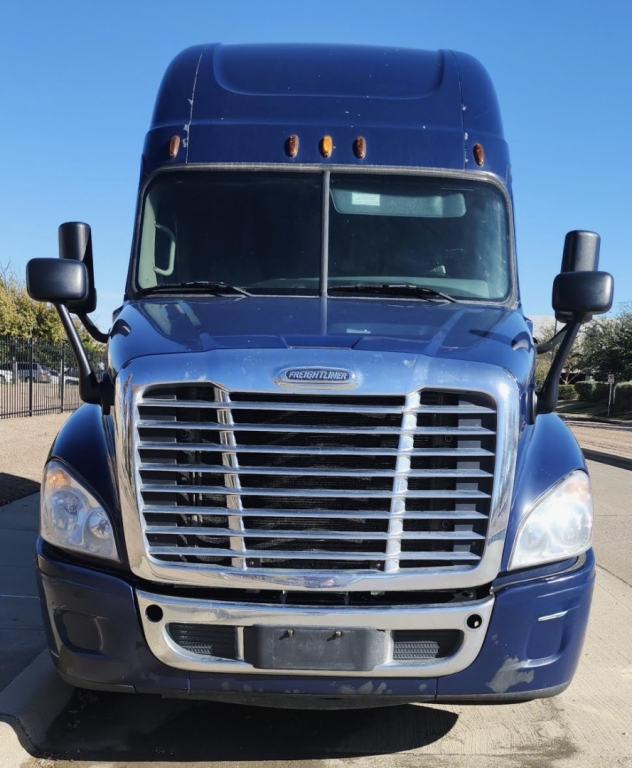
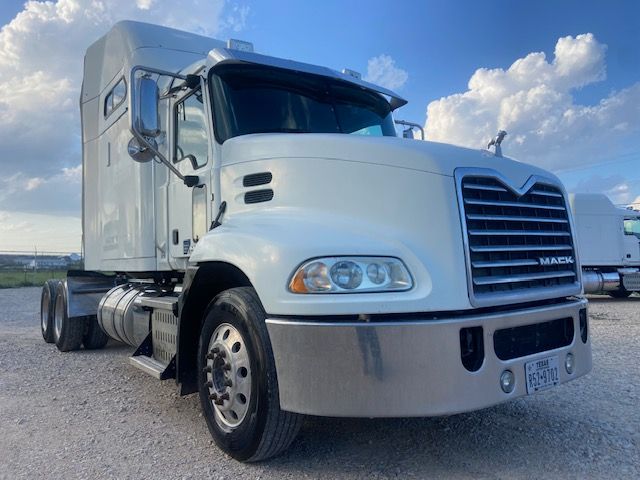
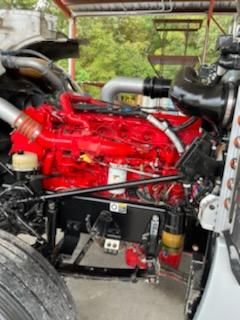
Selling a 2015 conventional sleeper truck? List your 2015 conventional sleeper truck for sale and reach thousands of commercial buyers.
2015 Conventional Sleeper Trucks in Texas
Most 2015 conventional sleepers were built around proven highway platforms from Freightliner, Peterbilt, Kenworth, Volvo, International, and Mack. Common engine choices include the Detroit DD13 and DD15, Cummins ISX15, Paccar MX-13, Volvo D13, and Navistar N13, usually paired with a 10-speed, 13-speed, or automated manual transmission. Typical ratings fall in the 400 to 500 horsepower range with torque from around 1450 to 1850 lb-ft, which covers general van, reefer, and many flatbed applications. Buyers comparing listings should look beyond horsepower and check rear axle ratio, suspension type, wheelbase, and fifth wheel setup. A truck with the right ratio and wheelbase for Texas lanes and interstate speeds can make a noticeable difference in fuel economy, drivability, and trailer compatibility.
Sleeper size and interior configuration matter because they affect driver retention, route fit, and usable payload. A 2015 conventional sleeper may have a mid-roof or high-roof cab, with sleepers commonly ranging from about 60 to 80 inches. Double bunks, storage cabinets, refrigerator prep, power inverter setups, and workstation layouts are common on trucks built for over-the-road service. Fuel capacity is another key spec, with dual tanks often totaling 150 to 250 gallons depending on wheelbase and intended range. On the chassis side, air ride suspension, tandem rear axles, and sliding fifth wheels are standard expectations for this class, while disc brakes, collision mitigation, and more advanced driver-assist systems are less common than on newer trucks.
For a 2015 conventional sleeper in Texas, the smartest buying approach is to match the truck to the lane. Longer wheelbases and larger sleepers fit OTR comfort and fuel range, while a lighter spec with a shorter wheelbase may work better for regional freight with tighter yard access. Check engine hours against odometer miles, look for signs of excessive idle time, confirm tire wear is even across all positions, and inspect frame rails, suspension bushings, fairings, and sleeper seals. If the truck has an automated transmission, review clutch actuator and calibration history. If it has a manual, inspect clutch life and shift quality. A well-maintained 2015 sleeper tractor can still deliver dependable service, especially when the spec matches the freight, terrain, and operating radius.
Frequently Asked Questions about 2015 Conventional Sleeper Trucks in Texas
What should I look for first on a 2015 conventional sleeper truck?
Start with maintenance history and powertrain condition. On a 2015 model, buyers should closely review records for DPF cleaning intervals, DEF system repairs, EGR work, turbo replacement, injector service, and transmission maintenance. Mileage matters, but engine hours, idle time, and the quality of preventive maintenance often tell you more about remaining service life than the odometer alone.
Are 2015 conventional sleeper trucks good for long-haul work?
Yes, many 2015 conventional sleepers were built specifically for over-the-road freight and still fit long-haul service when properly maintained. Aerodynamic hoods, integrated sleepers, large fuel capacity, and highway gearing make this class well suited for van, reefer, and general freight lanes. The key is choosing a sleeper size, axle ratio, and drivetrain that match your average load weight and trip length.
What engine and transmission combinations are common in 2015 sleeper trucks?
Common 2015 combinations include Detroit DD15 with DT12 or Eaton manual transmissions, Cummins ISX15 with Eaton 10-speed or 13-speed manuals and automated options, Volvo D13 with I-Shift, and Paccar MX-13 paired with manual or automated gearboxes. Most are rated in the 400 to 500 horsepower range. Buyers should compare torque rating, rear axle ratio, and cruising RPM because those factors have a direct effect on fuel economy and gradeability.
How important is sleeper size on a 2015 conventional sleeper?
Sleeper size is a major buying factor because it affects driver comfort, storage capacity, and how well the truck fits the job. A 60-inch to 72-inch sleeper is common for regional and standard OTR use, while larger sleepers can improve livability on extended runs. Bigger sleepers usually add wheelbase and weight, so buyers should balance comfort against maneuverability and payload needs.
Why does Texas usage matter when buying a 2015 conventional sleeper truck?
Texas trucks often see high annual mileage, long interstate runs, sustained heat, and significant idle time, all of which can affect wear patterns. Cooling system health, A/C performance, aftertreatment reliability, tire condition, and suspension wear deserve extra attention. A truck spec'd for Texas service may also have larger fuel capacity and highway-friendly gearing, which can be an advantage if your routes are similar.