
2015 Conventional Sleeper Trucks For Sale
Shop 2015 conventional sleeper trucks with specs that matter for long-haul freight, including engine, sleeper, axle, and drivetrain details.
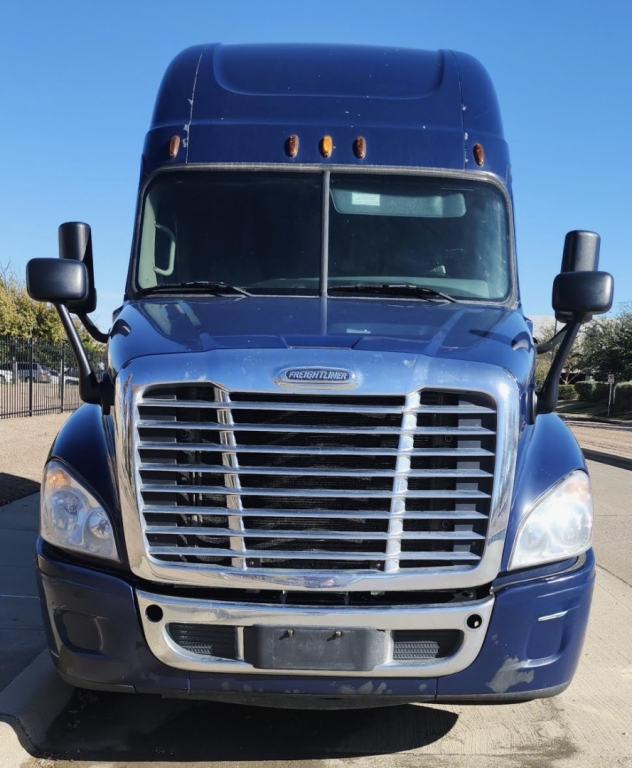
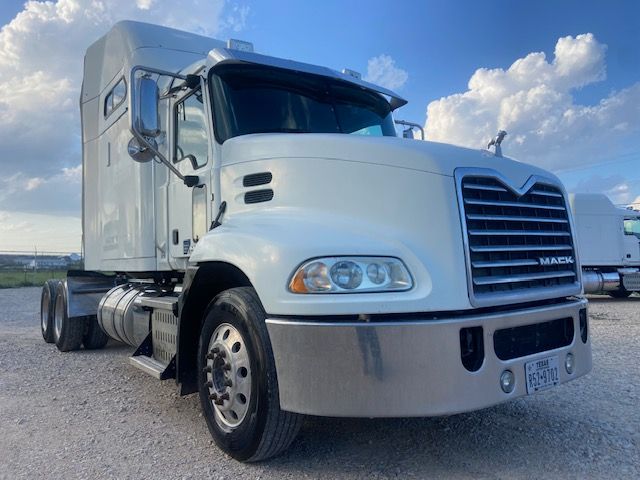
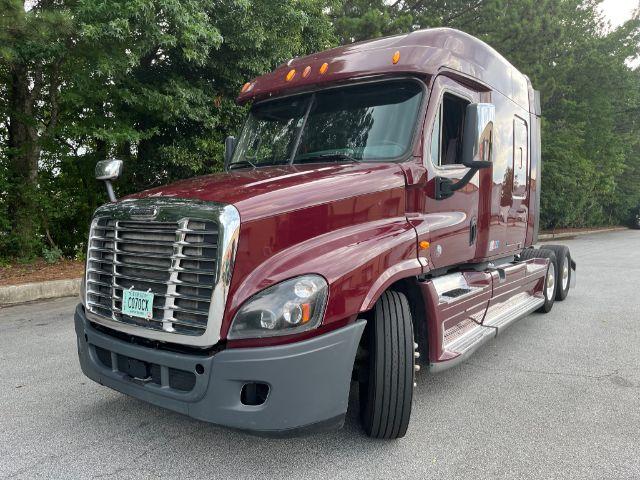
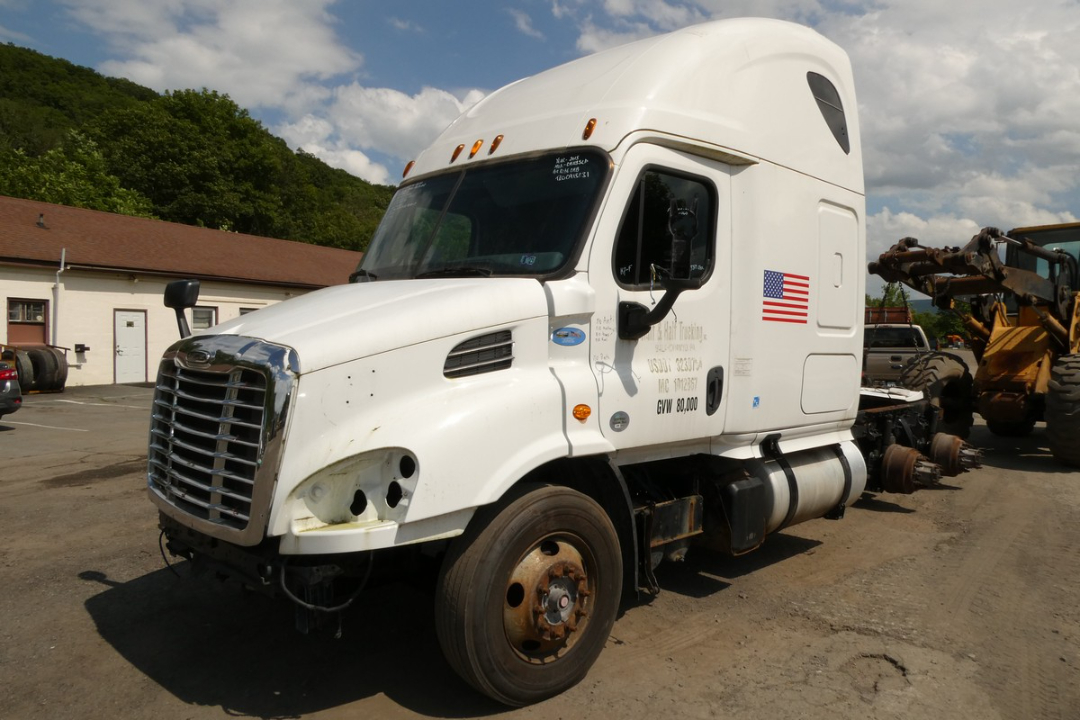
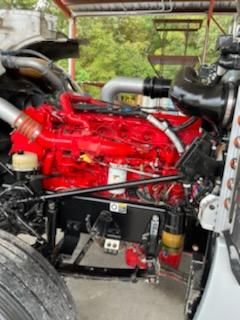
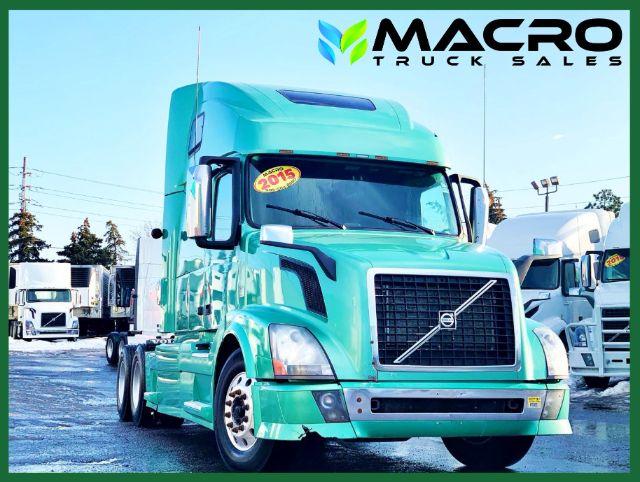
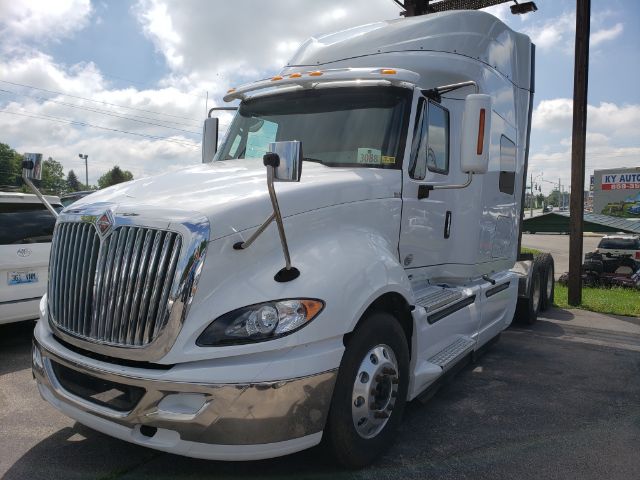

Selling a 2015 conventional sleeper truck? List your 2015 conventional sleeper truck for sale and reach thousands of commercial buyers.
2015 Conventional Sleeper Trucks
The main buying decision is powertrain history and operating profile. In this year range, common engines include the Detroit DD13 and DD15, Cummins ISX15, Paccar MX-13, Volvo D13, and Navistar N13, typically paired with automated manuals such as the DT12, Eaton UltraShift, Volvo I-Shift, or a manual 10-, 13-, or 18-speed. Rear axle ratios often fall in the fuel-economy range, commonly around 2.64 to 3.25, so it is important to match gearing to the loads and terrain you actually run. A buyer hauling 80,000-pound GCW through hills will evaluate very differently than a fleet pulling dry van in flatter lanes. Maintenance records on the aftertreatment system, clutch or transmission calibration, injector work, and overhead adjustments matter more than brand preference alone on a used 2015 sleeper.
Sleeper configuration is just as important as the badge on the hood. Many 2015 conventional sleepers were built with 60-inch to 80-inch sleepers, single or double bunks, inverters, diesel-fired bunk heaters, APUs, refrigerators, and cabinet packages intended for multi-day trips. Driver comfort and idle-management equipment can affect retention, fuel spend, and compliance with anti-idle rules. Buyers should also check front axle rating, suspension type, brake spec, fifth wheel travel, fuel capacity, and whether the truck has disc or drum brakes. Features like collision mitigation and lane departure were less common in 2015 than on newer trucks, so safety technology may vary widely from one spec to another.
A strong 2015 conventional sleeper truck can still be a productive revenue unit if the spec matches the freight and the service history is documented. Pay close attention to emissions compliance, DEF system condition, turbo and EGR performance, and signs of excessive idle time. Cab condition, frame integrity, and tire wear can also reveal how the truck was operated. For regional or over-the-road use, this category remains attractive because it offers familiar serviceability, broad parts support, and a wide range of sleeper and drivetrain combinations for fleet buyers and owner-operators alike.
Frequently Asked Questions about 2015 Conventional Sleeper Trucks
What engines are most common in 2015 conventional sleeper trucks?
The most common engines in 2015 conventional sleeper trucks are the Detroit DD13 and DD15, Cummins ISX15, Paccar MX-13, Volvo D13, and Navistar N13. Engine choice affects fuel economy, service network access, and repair costs. Buyers should look beyond horsepower and review maintenance records for the aftertreatment system, EGR components, turbocharger, injector service, and any major in-frame or top-end work.
Is a 2015 conventional sleeper truck a good choice for long-haul freight?
A 2015 conventional sleeper can still be a solid long-haul truck if it has the right gearing, sleeper setup, and maintenance history. Many were originally built for over-the-road service with aerodynamic packages, tandem axles, and larger fuel capacity. The key is confirming that the truck's current condition supports the intended route profile, payload, and expected annual miles.
What sleeper features should buyers look for on a 2015 model?
Important sleeper features include bunk size, storage layout, inverter capacity, refrigerator, bunk heater, APU, and HVAC performance. A raised-roof sleeper with a well-kept interior is generally better suited for extended OTR runs. Idle-management equipment is especially valuable because it can reduce fuel burn and help with anti-idle compliance in regulated markets.
What axle ratio works best on a 2015 sleeper tractor?
The best axle ratio depends on freight, terrain, and transmission. Many 2015 highway sleepers were spec'd with faster ratios such as 2.64 to 2.85 for fuel economy at cruise speed, while heavier or hill-focused operations may benefit from a deeper ratio. Buyers should compare rear axle ratio, tire size, transmission top gear, and engine torque curve before deciding if a truck fits the intended application.
What should buyers inspect first on a used 2015 conventional sleeper?
Start with emissions system history, engine diagnostics, transmission operation, and signs of chronic idle or deferred maintenance. Then inspect the frame, suspension, fifth wheel, brakes, tires, wheel seals, and cab mounts. Service records, fault-code history, and oil sample results can tell more about a 2015 sleeper's value than cosmetic condition alone.