
2015 Freightliner Conventional Sleeper Trucks For Sale
Shop 2015 Freightliner conventional sleeper trucks. Compare Cascadia specs, sleeper sizes, Detroit powertrains, and long-haul features.
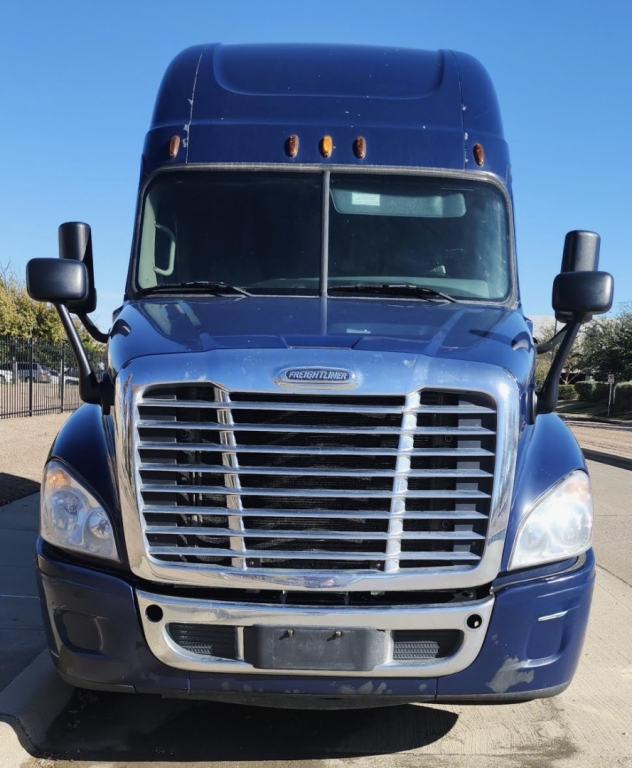
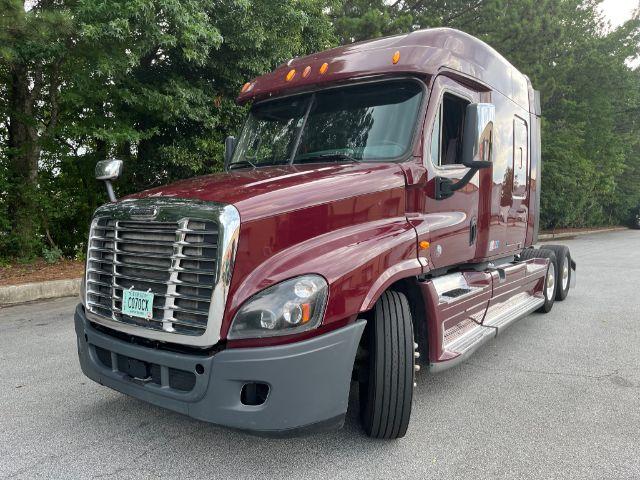
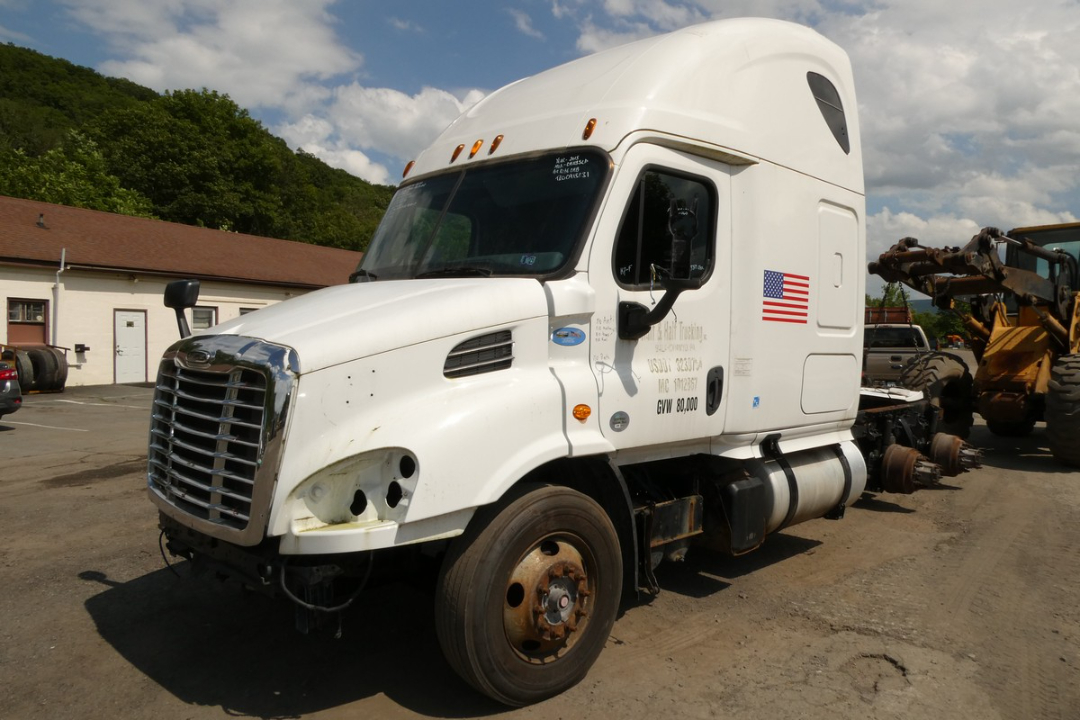
Selling a 2015 freightliner conventional sleeper truck? List your 2015 freightliner conventional sleeper truck for sale and reach thousands of commercial buyers.
2015 Freightliner Conventional Sleeper Trucks
Most 2015 Freightliner sleeper trucks on the market are equipped with Detroit power, commonly a DD13 or DD15, paired with either a manual or Detroit automated manual transmission. Horsepower ratings often fall in the 400 to 455 HP range, with 10-speed, 12-speed automated, or similar highway-oriented setups. Common rear axle ratings are around 40,000 pounds on air ride suspension, and many are geared with fuel-economy ratios for interstate use rather than heavy vocational pulling. Sleeper configurations can range from mid-roof to raised-roof designs, often in 60-inch to 72-inch layouts, depending on the original fleet order. Wheelbase, fuel capacity, and fifth wheel setup also matter if the truck will be used for van, reefer, tanker, or lightweight flatbed applications.
The biggest buying considerations on a 2015 model are condition and operating cost. Ask about one-box or aftertreatment service, DEF system repairs, EGR history, turbocharger work, and injector or overhead records on Detroit engines. Check for suspension wear, steer tire patterns, cab mount condition, and signs of heavy idle time inside the sleeper. A used conventional sleeper should also be evaluated for transmission calibration, clutch wear if it is a manual, and the condition of collision mitigation or other driver-assist systems if equipped. Freightliner’s advantage in this category is usually uptime support. Replacement body parts, service locations, and technician familiarity are generally easier to find than with lower-volume brands.
For many buyers, a 2015 Freightliner conventional sleeper hits the practical middle ground between purchase price and modern highway spec. It is a common choice for carriers adding cost-conscious road tractors, owner-operators stepping into a proven aero platform, or fleets needing a standardized sleeper truck with broad driver acceptance. If the intended use is mostly dry van or reefer freight on highway lanes, a fuel-efficient Cascadia-style spec with a mid-roof or raised-roof sleeper, 3.08 to 3.42 gearing, and a Detroit automated transmission is often the benchmark. If the truck will see heavier payloads or more mixed terrain, prioritize axle ratio, engine torque rating, cooling system condition, and overall driveline history over cosmetic appearance.
Frequently Asked Questions about 2015 Freightliner Conventional Sleeper Trucks
What engine is most common in a 2015 Freightliner conventional sleeper?
The most common engines in a 2015 Freightliner conventional sleeper are Detroit Diesel models, especially the DD13 and DD15. The DD13 is often found in lighter highway and fuel-economy-focused specs, while the DD15 is more common when buyers want stronger torque for heavier freight or tougher terrain. The right choice depends on gross combination weight, route profile, and maintenance history more than the badge on the hood.
Is a 2015 Freightliner Cascadia sleeper good for long-haul use?
Yes, a 2015 Freightliner Cascadia sleeper is widely used for long-haul and regional over-the-road work. It was designed as an aerodynamic highway tractor with sleeper options that support extended runs, and it remains popular because of driver familiarity, good parts availability, and broad service support. The real factor is not just model reputation but the truck’s actual spec, miles, idle hours, and documented maintenance.
What should I inspect before buying a 2015 Freightliner sleeper truck?
Focus on emissions system history, engine service records, transmission operation, axle and suspension wear, and sleeper condition. Buyers should ask specifically about DPF, DEF, EGR, and one-box repairs, then verify fluid leaks, fault codes, tire wear, brake condition, and signs of neglected chassis maintenance. A pre-purchase inspection with an ECM download is especially valuable on a 2015 highway tractor because it helps confirm mileage, idle time, fault activity, and possible abuse.
What sleeper size is typical on a 2015 Freightliner conventional truck?
Many 2015 Freightliner conventional sleepers are configured with mid-roof or raised-roof cabs in the 60-inch to 72-inch range. A 60-inch sleeper can work well for regional or shorter over-the-road assignments, while a 72-inch sleeper usually provides better storage and more living space for extended trips. Sleeper choice affects wheelbase, weight, and driver comfort, so it should match the length of haul and customer expectations.
Are 2015 Freightliner conventional sleeper trucks expensive to maintain?
Maintenance cost is usually moderate for this class because Freightliner has strong parts availability and a large service network, but expense can rise quickly if the emissions system or major driveline components have been neglected. A lower purchase price does not always mean lower operating cost. A truck with documented aftertreatment service, consistent PM intervals, and a healthy Detroit powertrain is often a better value than a cheaper unit with unclear repair history.