
2021 Conventional Sleeper Trucks For Sale in Texas
Shop 2021 conventional sleeper trucks in Texas. Compare long-haul specs, sleeper sizes, powertrains, axle ratings, and fuel economy features.
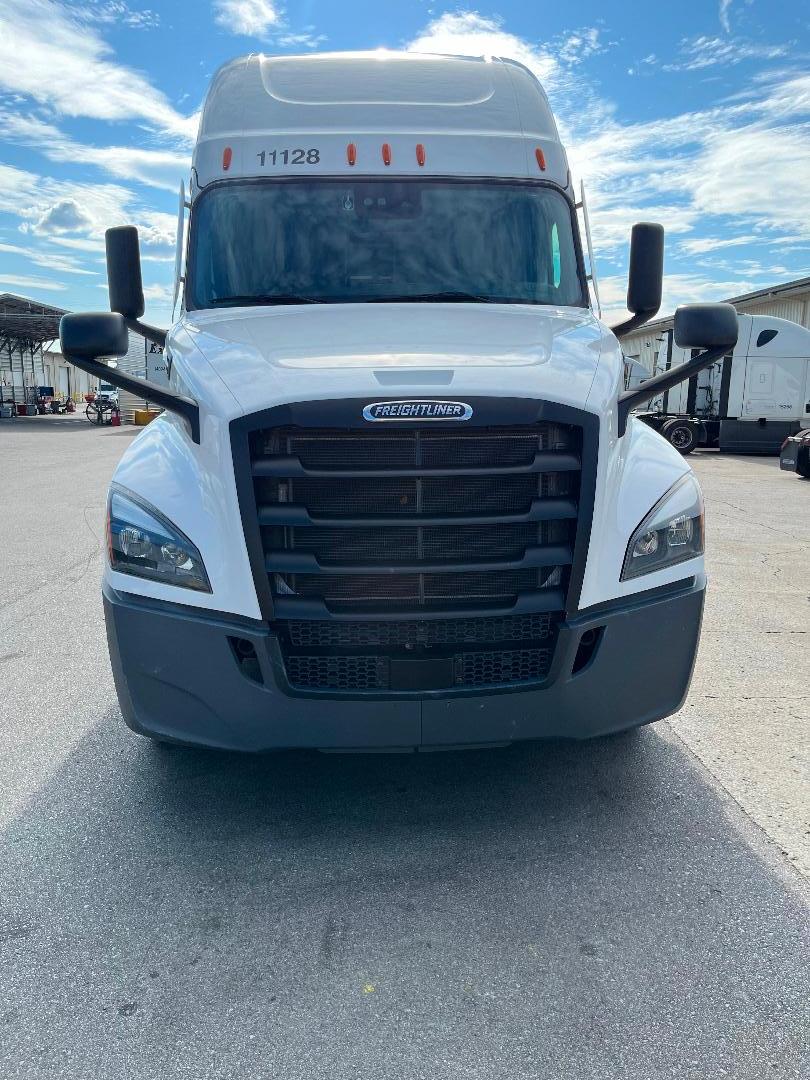
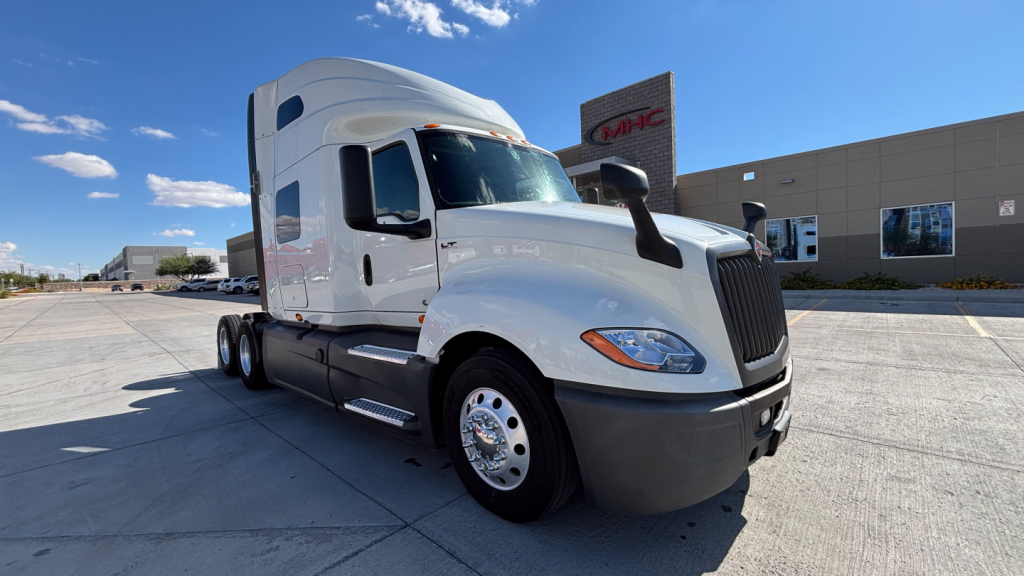
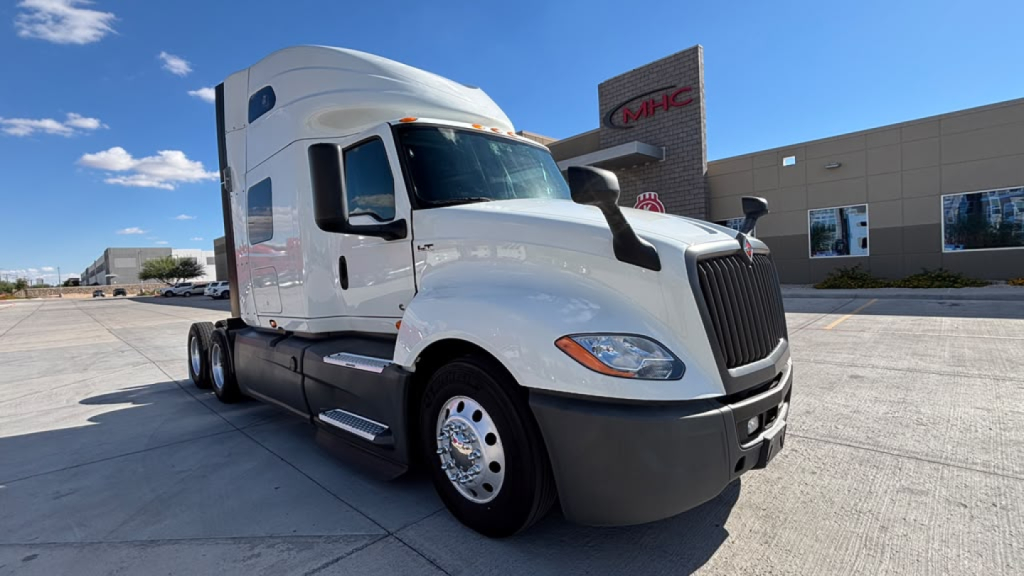
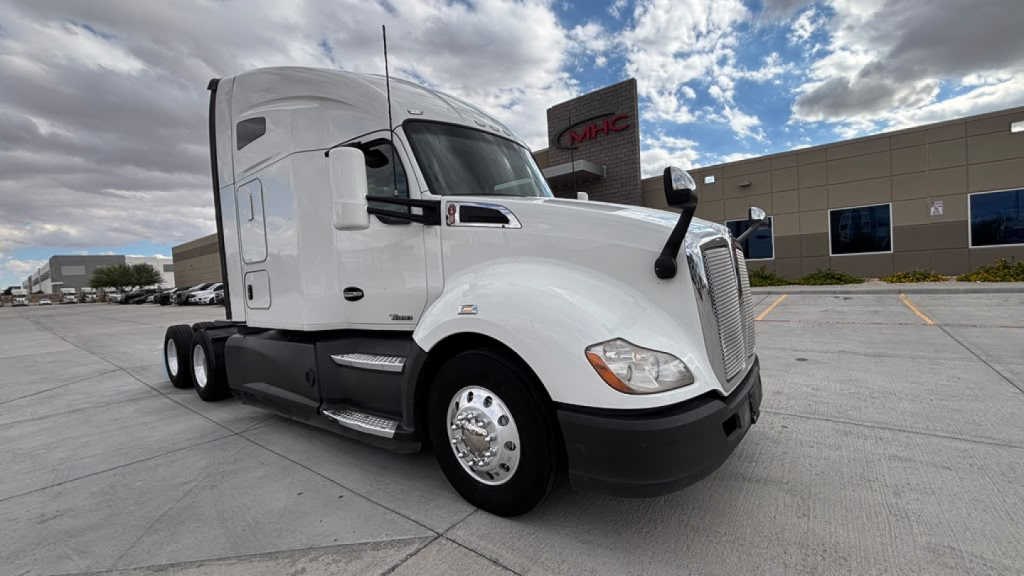
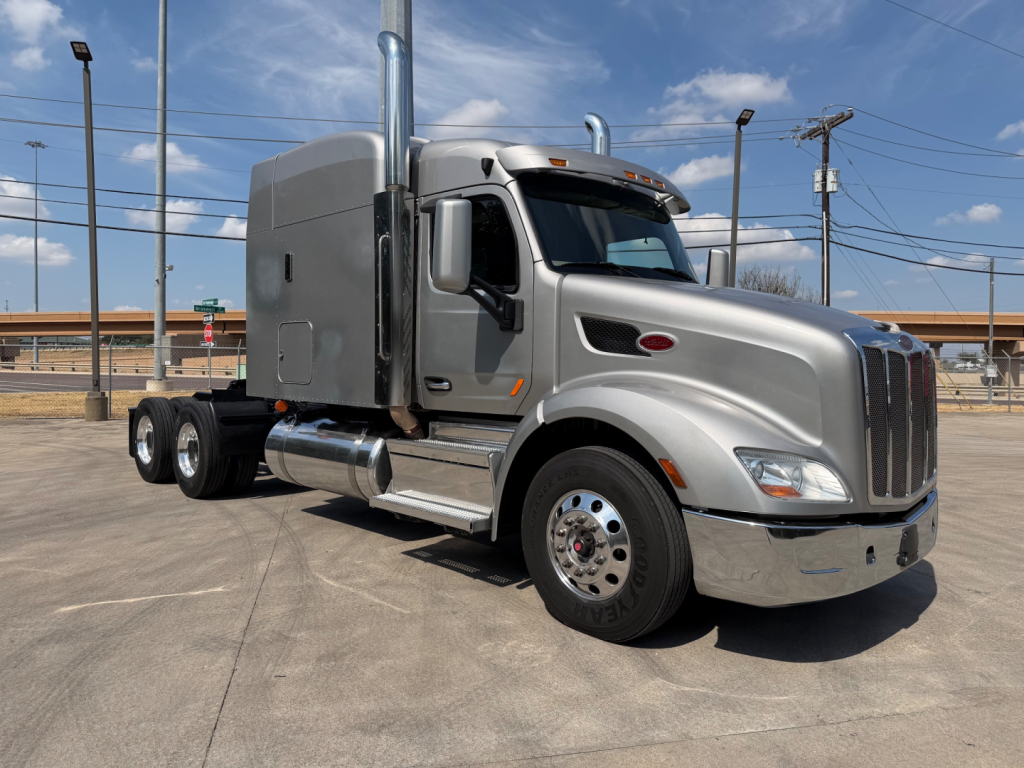
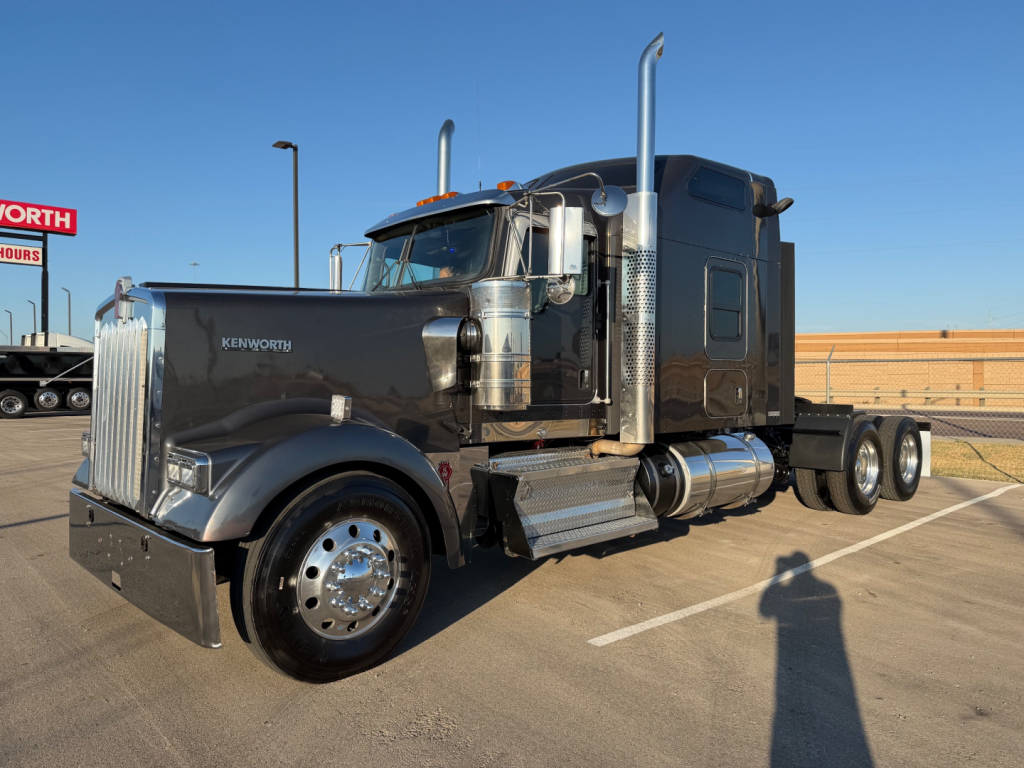
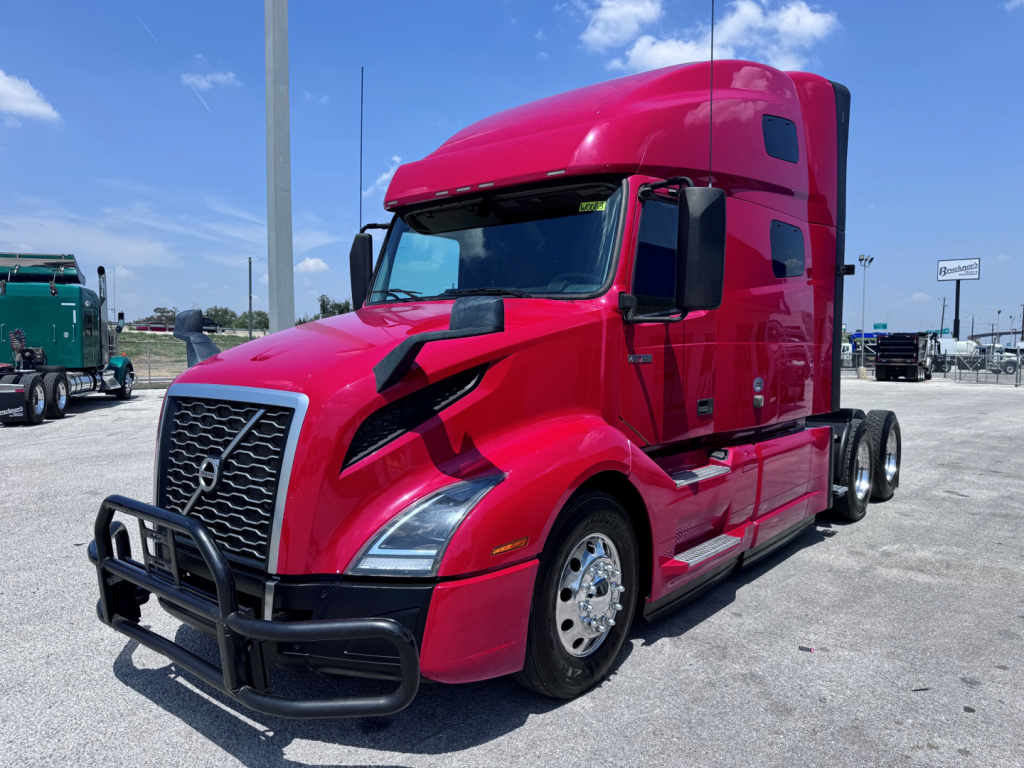
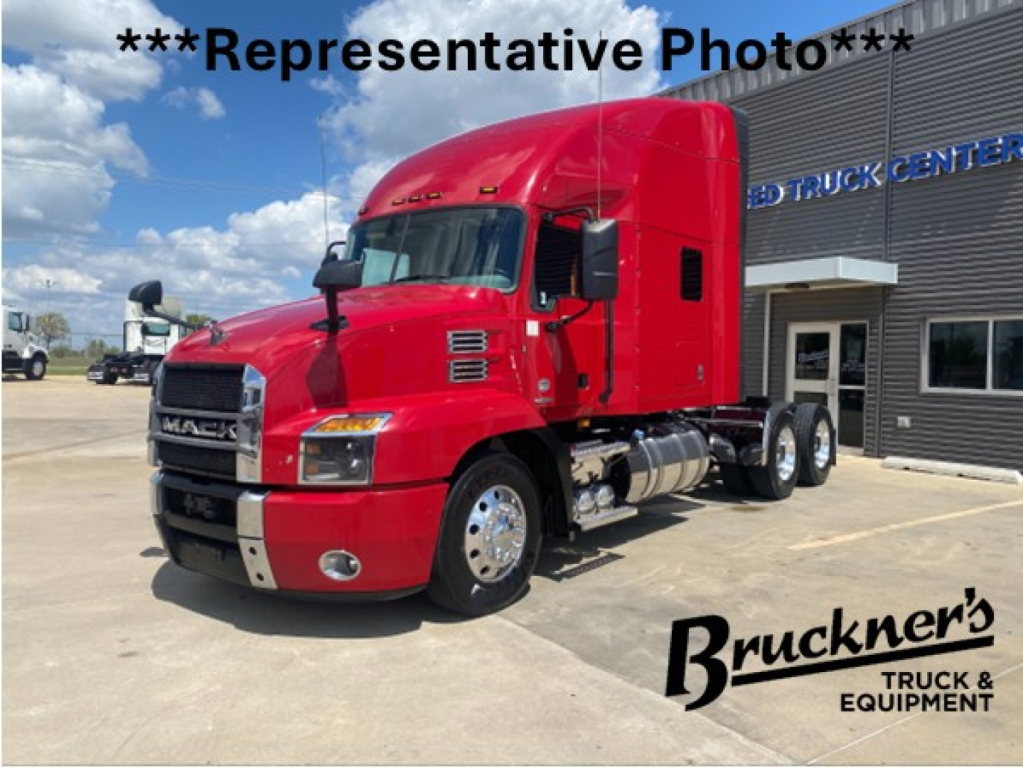
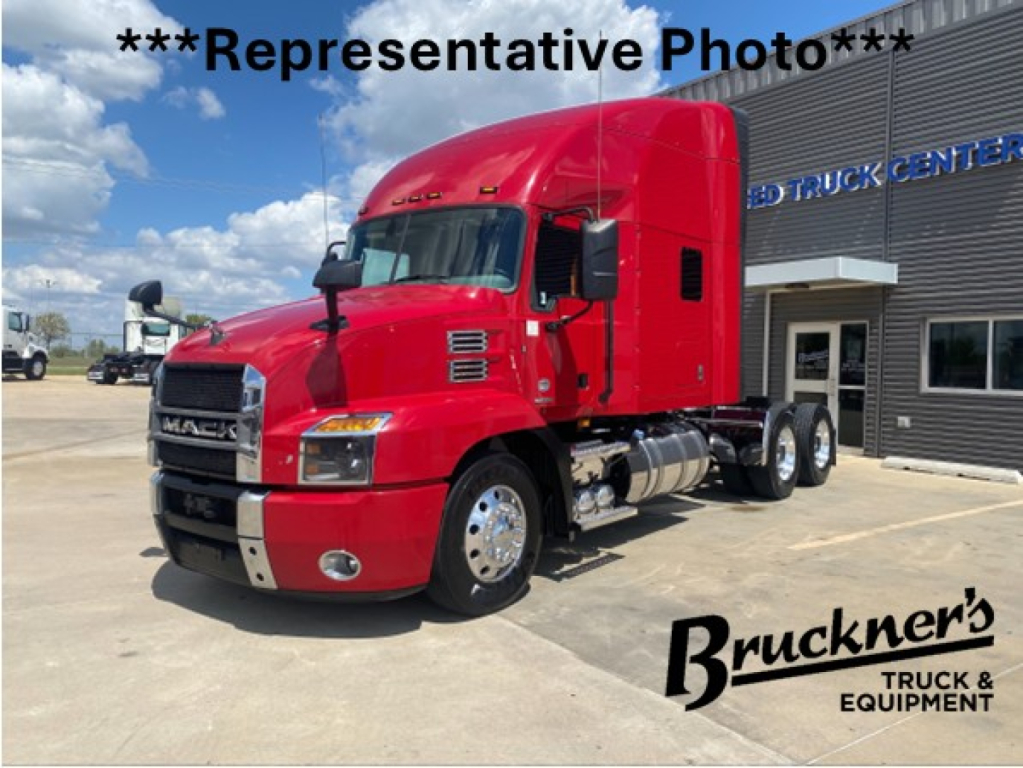
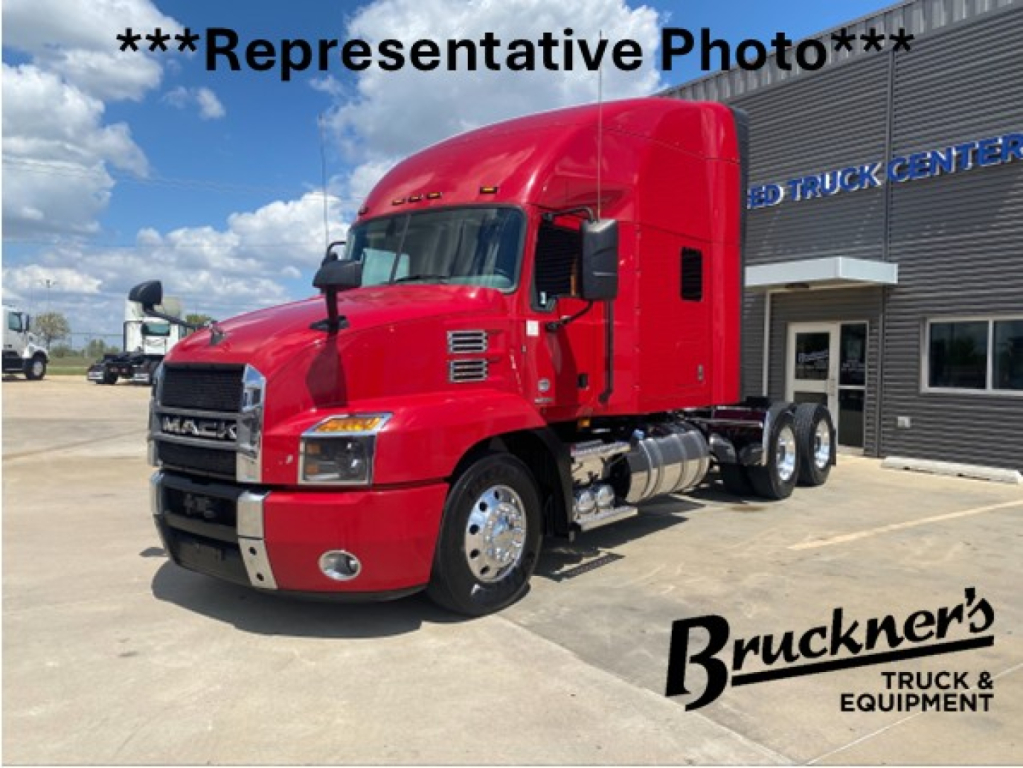
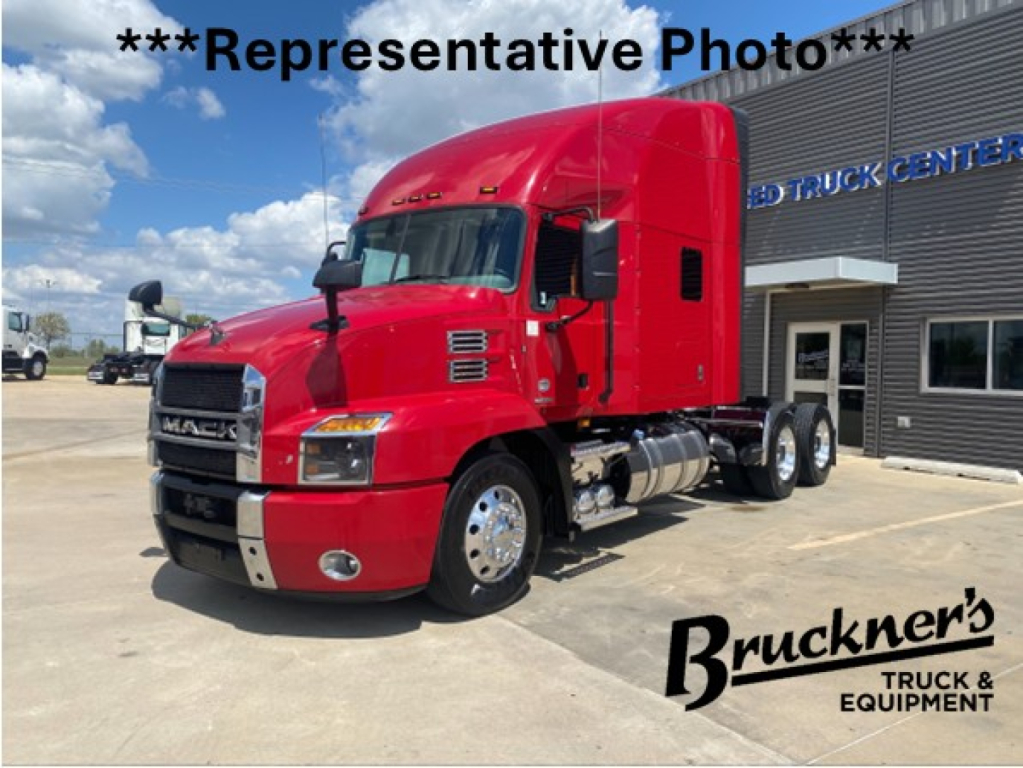
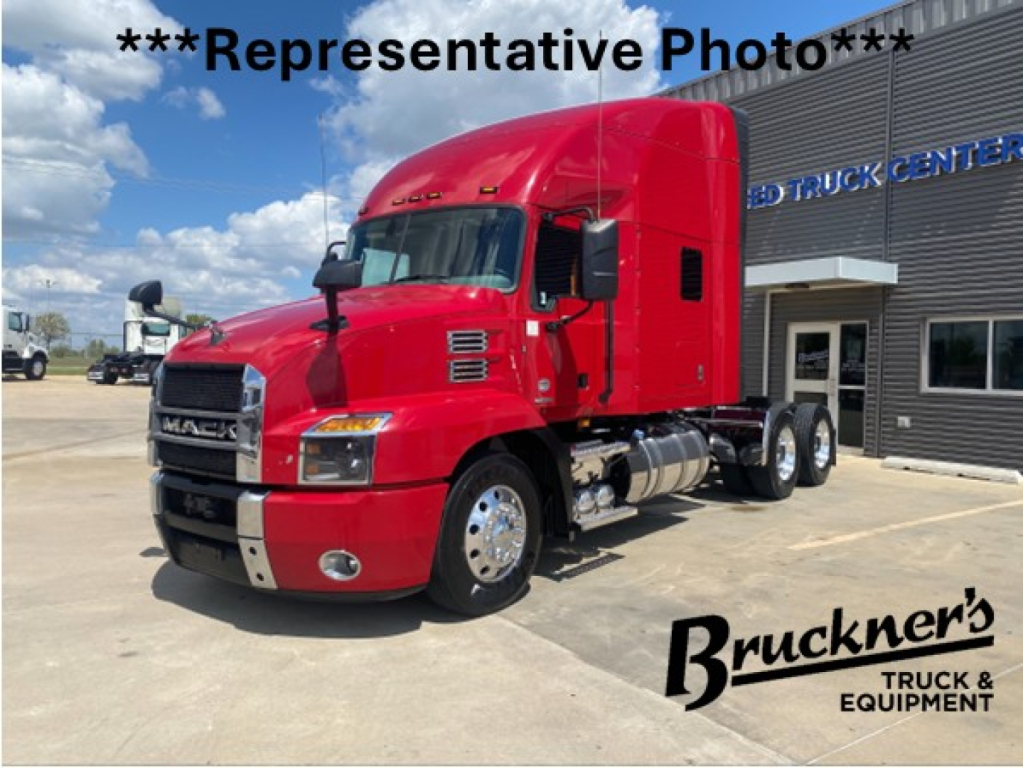
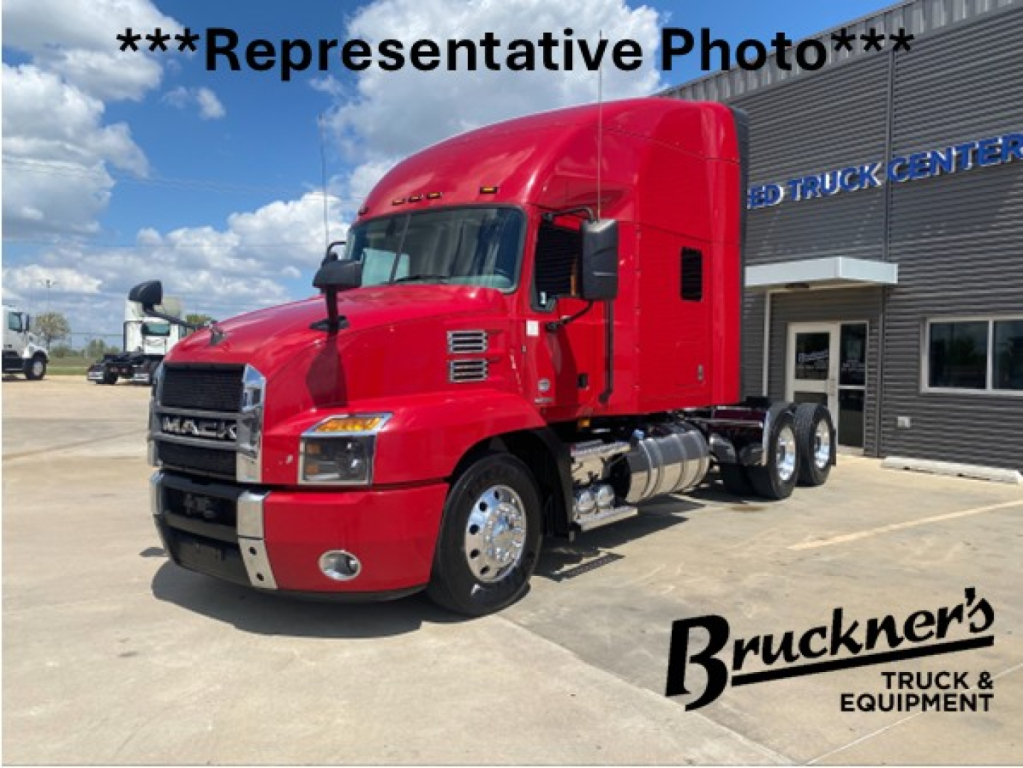
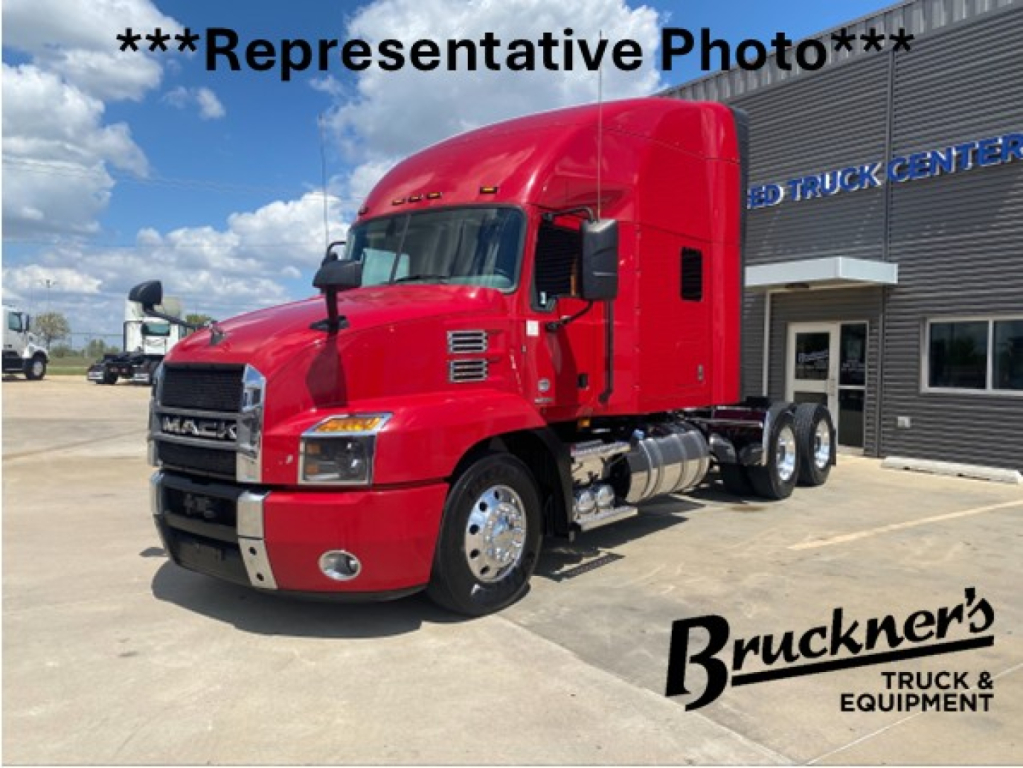
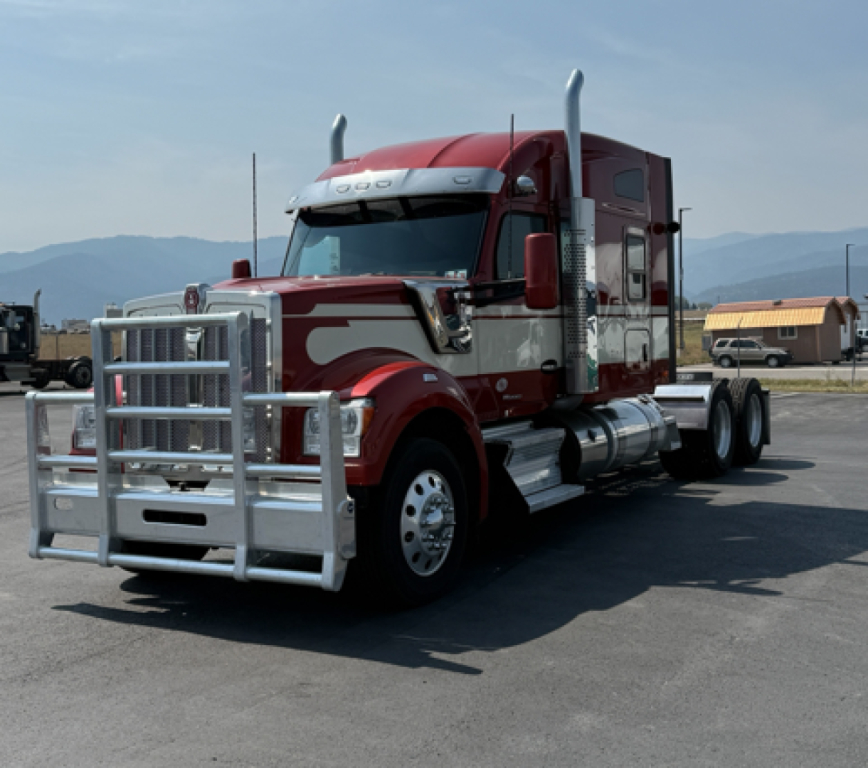

Selling a 2021 conventional sleeper truck? List your 2021 conventional sleeper truck for sale and reach thousands of commercial buyers.
2021 Conventional Sleeper Trucks in Texas
Powertrain spec is usually the first decision that separates a good buy from the wrong truck. Many 2021 conventional sleepers were built with 13-liter engines in the 400 to 455 horsepower range, with torque ratings around 1,450 to 1,850 lb-ft, which covers most highway applications without carrying unnecessary fuel burn. Common combinations include Detroit DD13 or DD15 with DT12, Paccar MX-13 with automated transmission, Cummins X15 with Eaton Endurant, and Volvo D13 with I-Shift. In Texas, where loads can be heavy and route lengths are long, rear axle ratio, direct-drive versus overdrive, and tire size have a real effect on cruise RPM and fuel economy. A buyer should also look closely at mileage, idle hours, aftertreatment service history, and whether the truck was fleet-maintained or owner-operated.
The sleeper itself matters more than many first-time buyers expect. A 2021 conventional sleeper may have a 60-inch to 80-inch sleeper, single or double bunk layout, storage cabinets, workstation space, inverter prep, refrigerator, and auxiliary bunk HVAC or APU support. For teams or longer runs across Texas and neighboring states, double bunk and larger cabinets can make a measurable difference in driver retention and trip efficiency. On the chassis side, front axle ratings around 12,000 to 13,200 pounds and rear axles at 40,000 pounds are common, along with air ride suspension, sliding fifth wheels, aluminum wheels, and disc or drum brake setups depending on the original application. Safety and driver-assist features also became more common by 2021, including collision mitigation, lane departure warning, adaptive cruise, and integrated telematics.
A smart comparison goes beyond make and model. Check wheelbase against trailer swing clearance and bridge law needs, confirm kingpin setting compatibility with your trailer mix, and inspect suspension, frame condition, emissions components, and sleeper accessories with the same attention you give the engine. Texas buyers should also consider cooling system condition, A/C performance, and how the truck was spec'd for heat, wind, and long interstate miles. A well-matched 2021 conventional sleeper truck can deliver a modern cab, current safety features, and strong operational efficiency without stepping into the cost of a late-model new tractor.
Frequently Asked Questions about 2021 Conventional Sleeper Trucks in Texas
What engine and transmission specs are common in a 2021 conventional sleeper truck?
Most 2021 conventional sleeper trucks were spec'd for highway freight with 13-liter or 15-liter diesel engines, usually rated from about 400 to 500 horsepower. Torque commonly falls between 1,450 and 1,850 lb-ft. Automated manual transmissions are very common in this model year, including Detroit DT12, Volvo I-Shift, Eaton Endurant, and manufacturer-specific automated options from Paccar. These combinations were chosen to improve fuel economy, reduce driver fatigue, and support more consistent shift performance across fleet operations.
Is a 2021 conventional sleeper truck a good choice for Texas long-haul operations?
Yes, a 2021 conventional sleeper is well suited for Texas long-haul and regional service because it combines modern aerodynamics, updated safety systems, and sleeper amenities with a lower acquisition cost than a new truck. Texas operations often involve long interstate miles, heavy freight, and extended idling in hot weather, so buyers should pay close attention to cooling system condition, A/C output, axle ratio, and any idle-reduction equipment such as an APU or bunk HVAC system. A truck with the right gearing and maintenance history can be a very efficient platform for dry van, reefer, and dedicated freight lanes.
What sleeper size should I look for in a 2021 highway tractor?
The right sleeper size depends on trip length, driver count, and how much time is spent away from home. Mid-roof sleepers can work well for regional freight and occasional overnight runs, while 70-inch to 80-inch high-roof sleepers are more common for over-the-road applications. Larger sleepers often include double bunks, additional cabinets, refrigerator space, and room for inverter-powered accessories. For team operations or long multi-day runs, the extra space can improve rest quality and driver retention.
What should I inspect before buying a used 2021 conventional sleeper truck?
Start with engine hours, mileage, fault codes, and complete maintenance records. Review aftertreatment history carefully, including DPF cleaning intervals, SCR performance, and any emissions-related repairs. Inspect suspension wear, brakes, tires, frame rails, fifth wheel condition, and signs of uneven loading or accident repair. Inside the sleeper, check HVAC operation, bunk equipment, wiring for inverters or accessories, and overall cab condition. A diagnostic scan and a thorough pre-purchase inspection are especially important on 2021 trucks because emissions systems, driver-assist technology, and automated transmissions all add complexity.
How do axle ratio and wheelbase affect a 2021 conventional sleeper truck?
Axle ratio and wheelbase directly affect fuel economy, maneuverability, and application fit. A faster rear axle ratio can lower engine RPM at highway speed and improve fuel economy on lighter over-the-road lanes, while a deeper ratio may better support heavy loads or more demanding terrain. Wheelbase affects turning radius, ride quality, trailer gap, and how the tractor works with different trailer lengths and kingpin settings. Buyers running mixed freight should make sure the truck's wheelbase and fifth wheel position match their trailer fleet and loading requirements.