
2021 Conventional Sleeper Trucks For Sale
Shop 2021 conventional sleeper trucks with modern aero cabs, automated manuals, high-roof sleepers, and long-haul specs for fleet use.
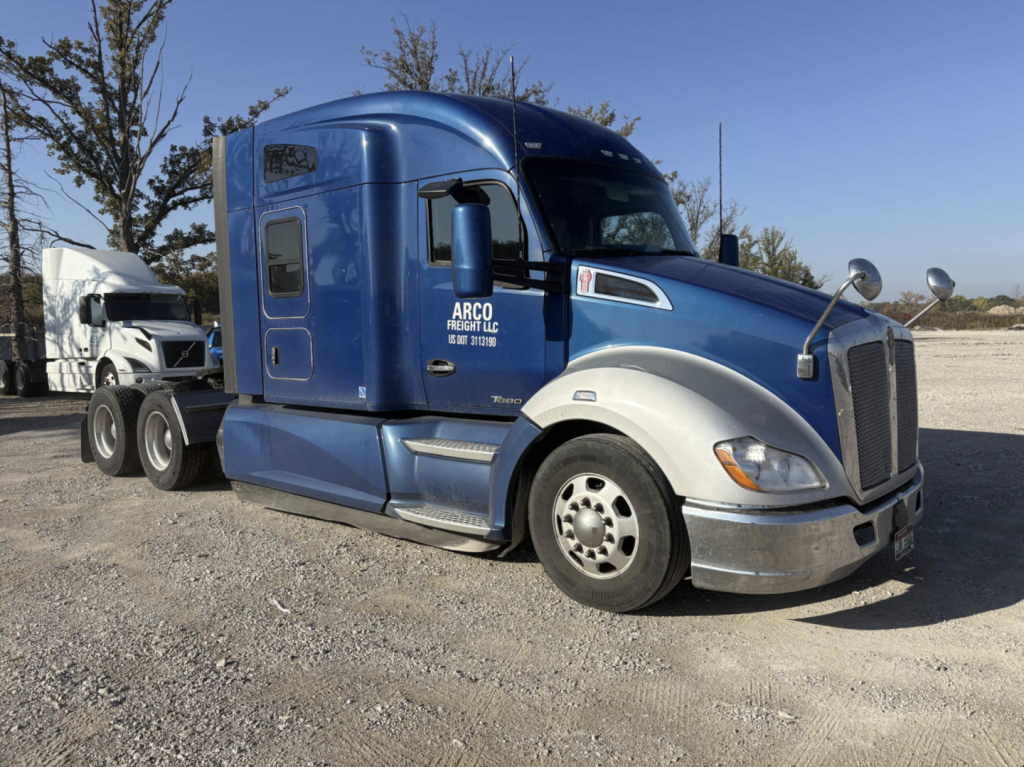
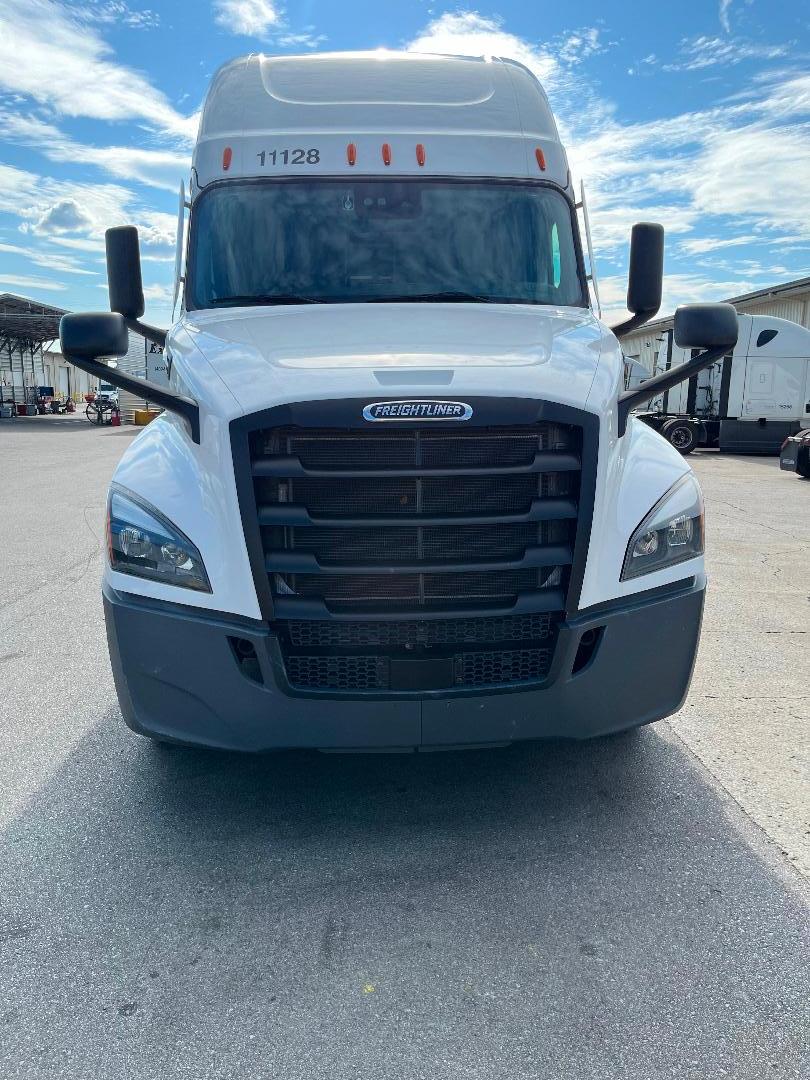
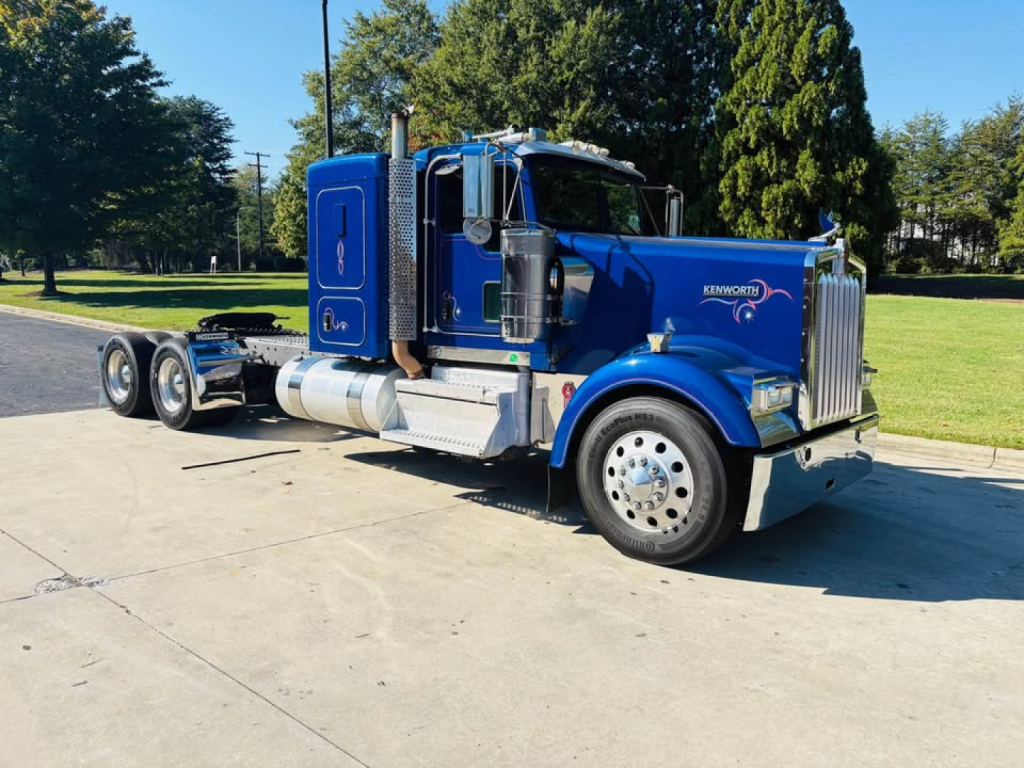
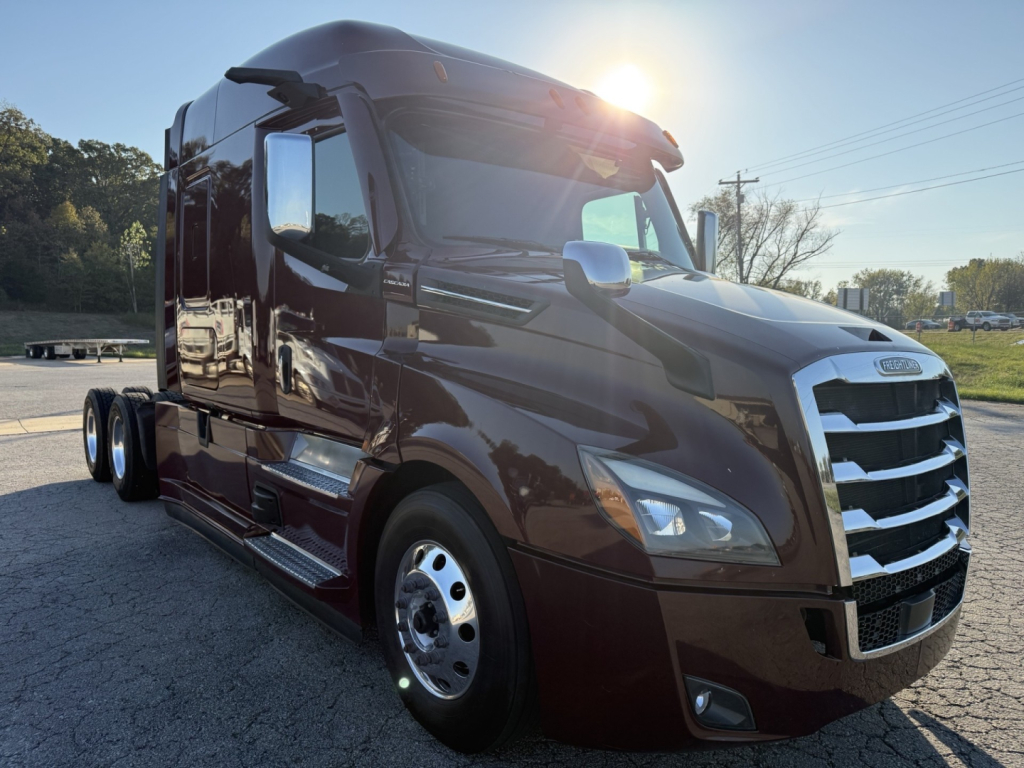
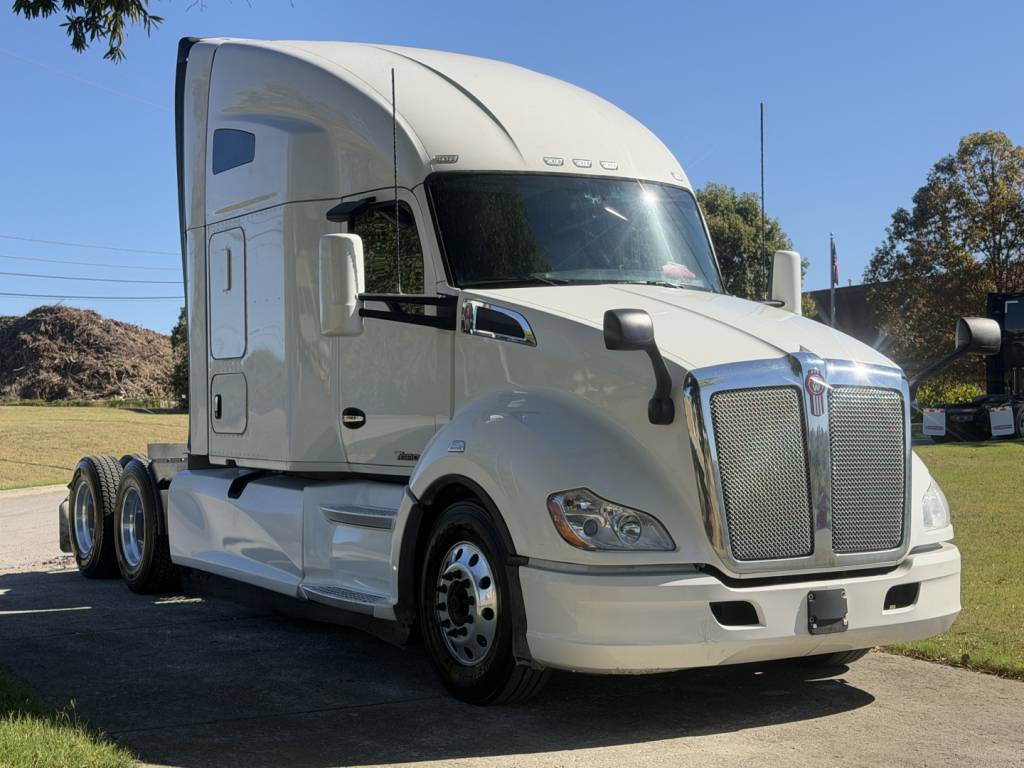
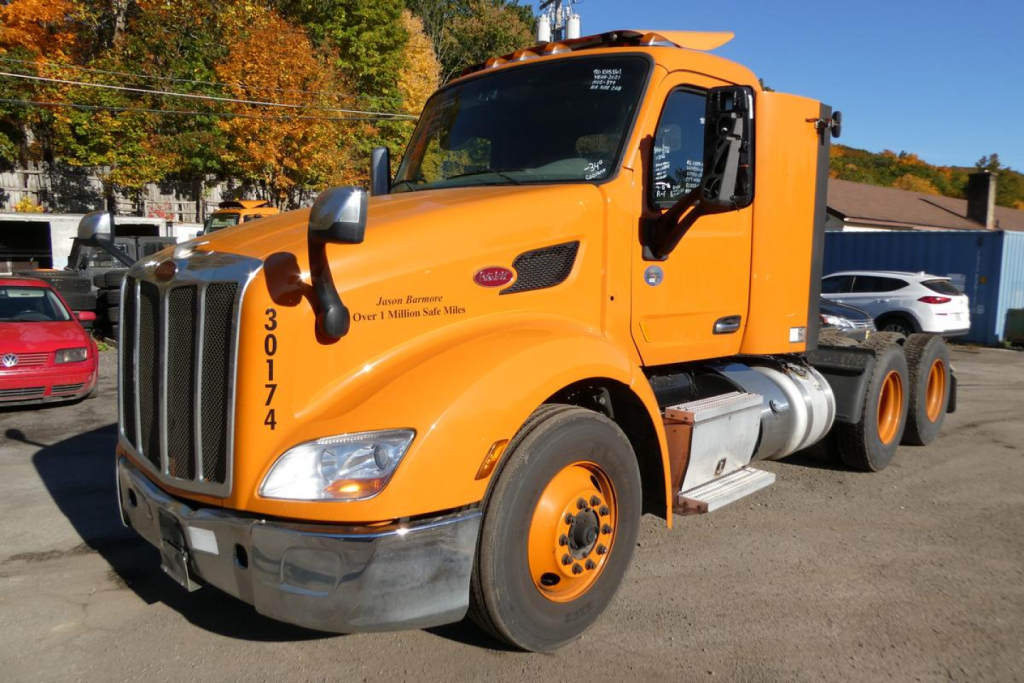
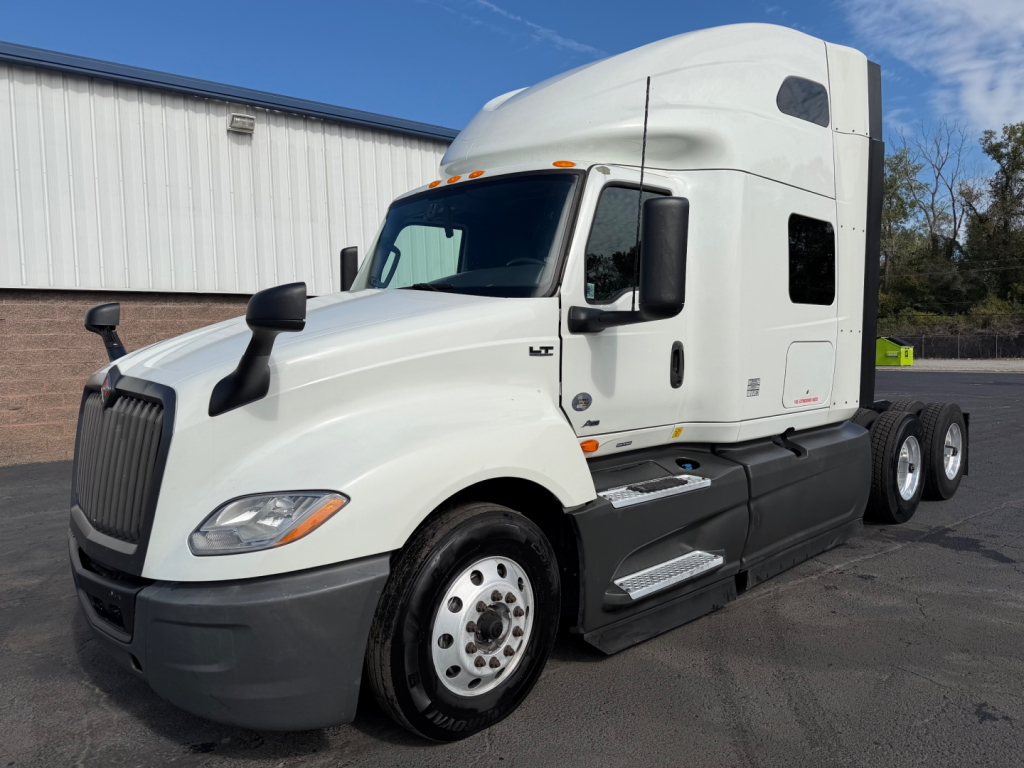
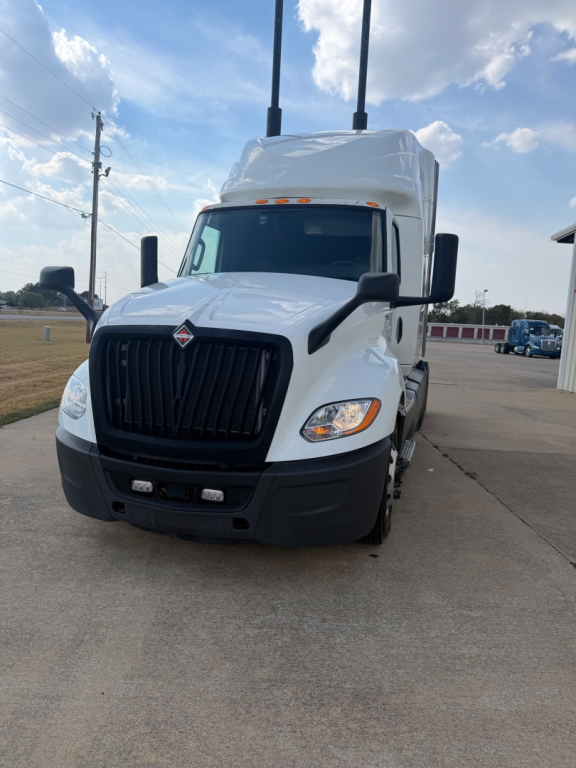
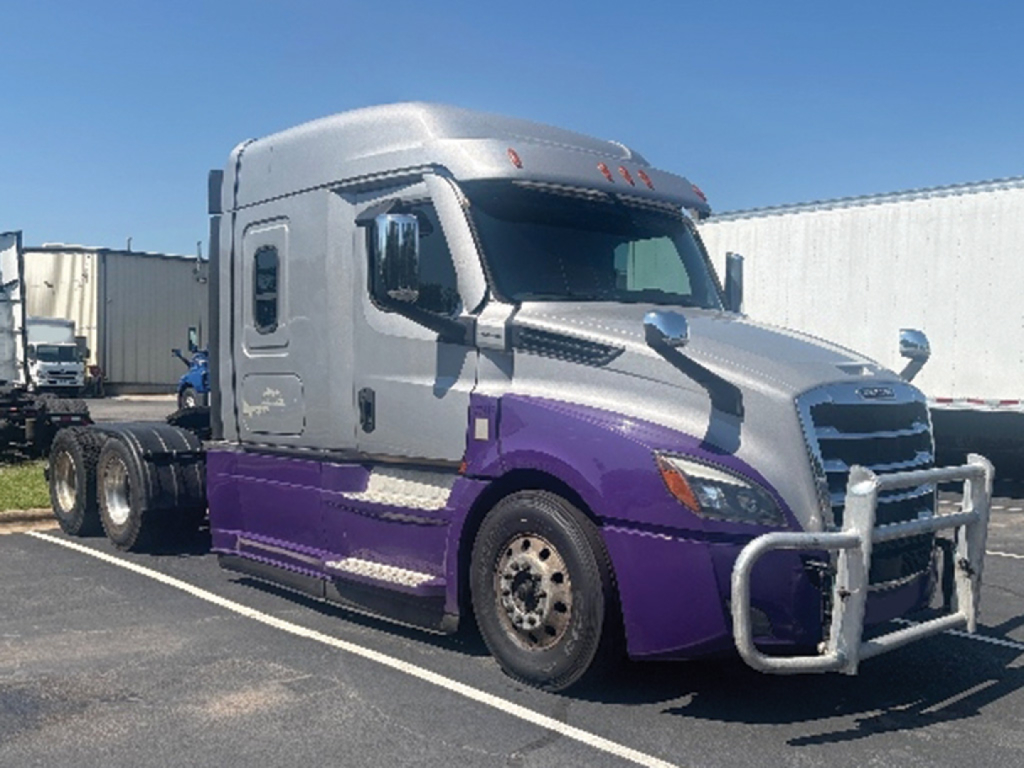
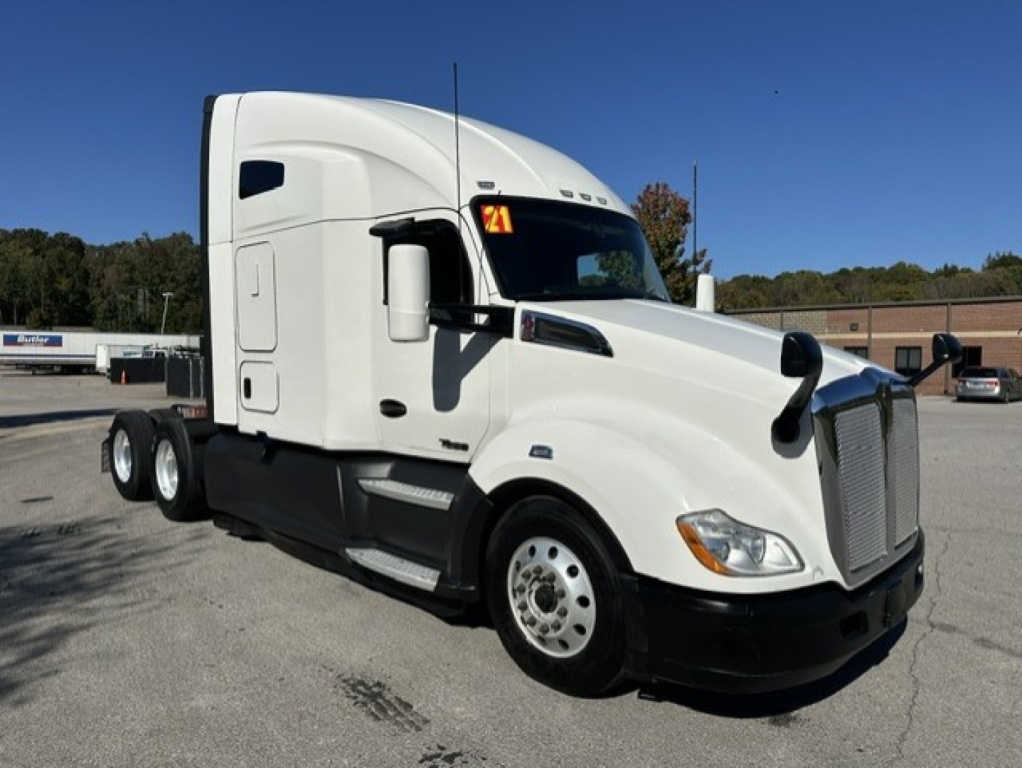
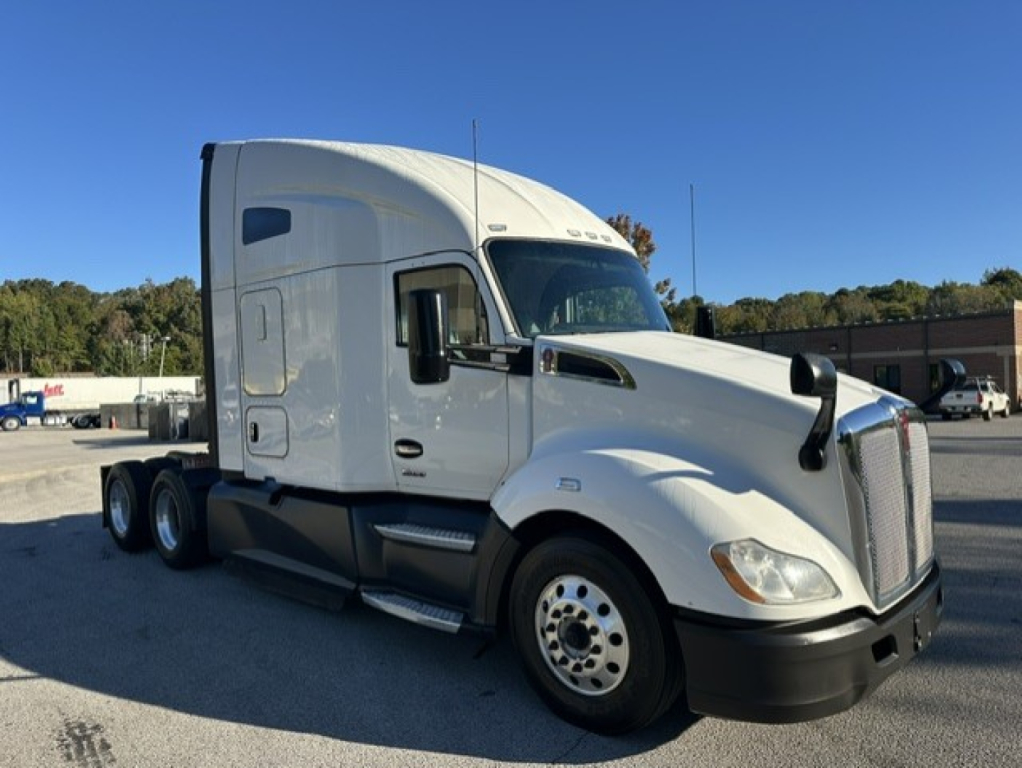
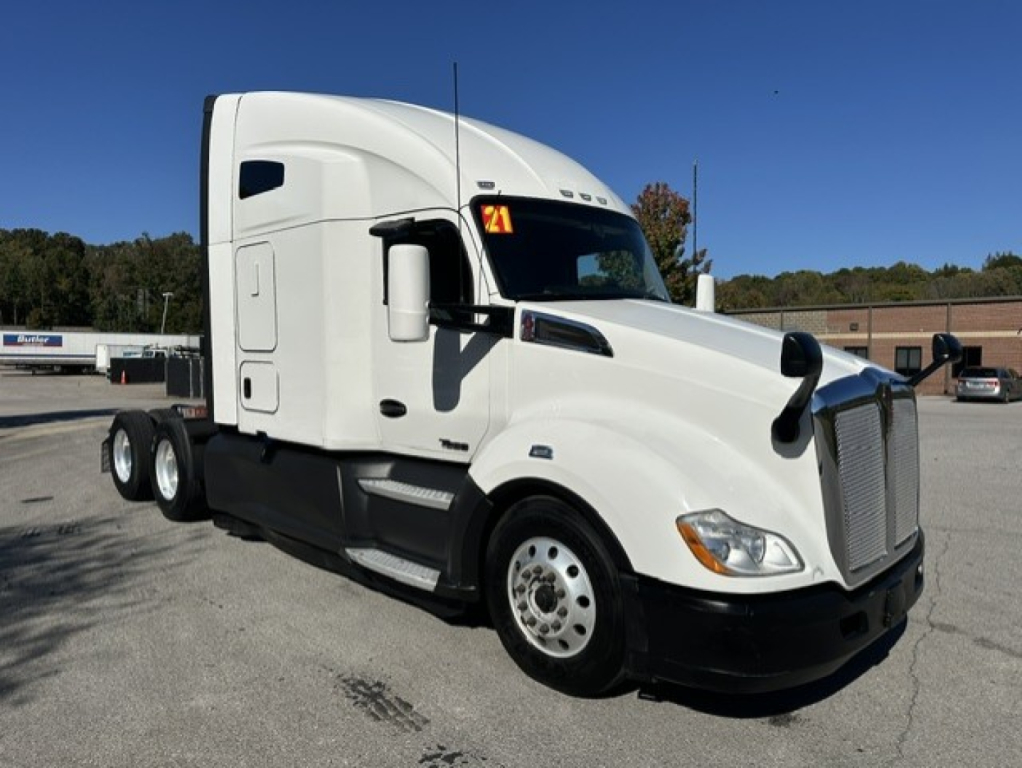
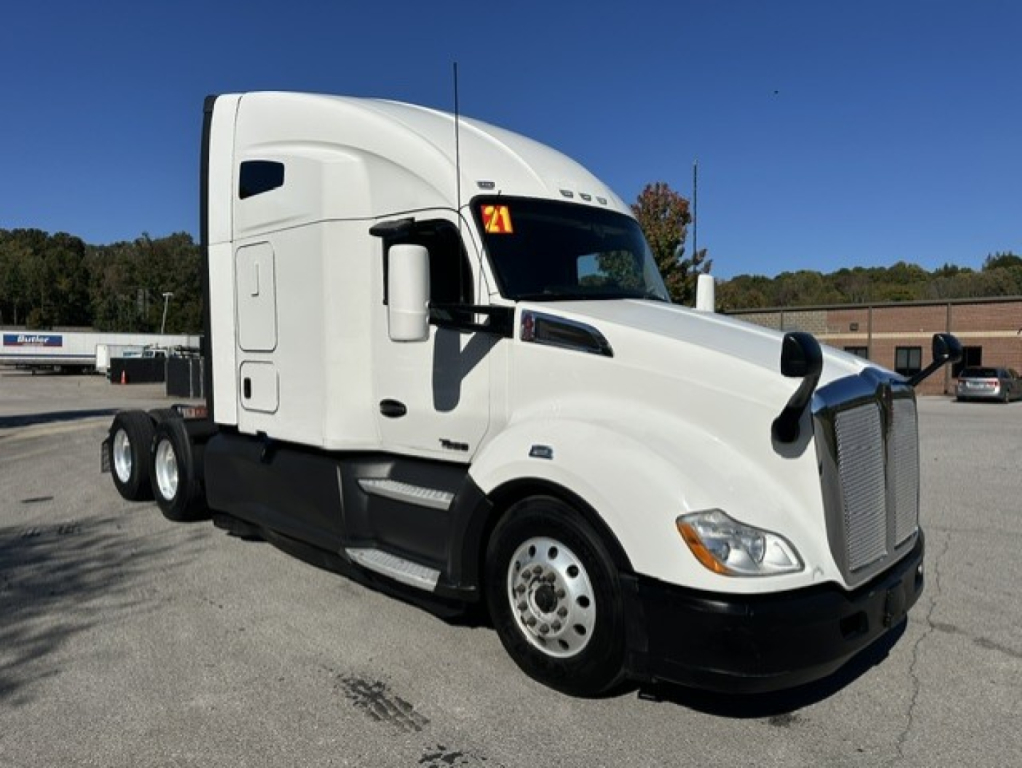
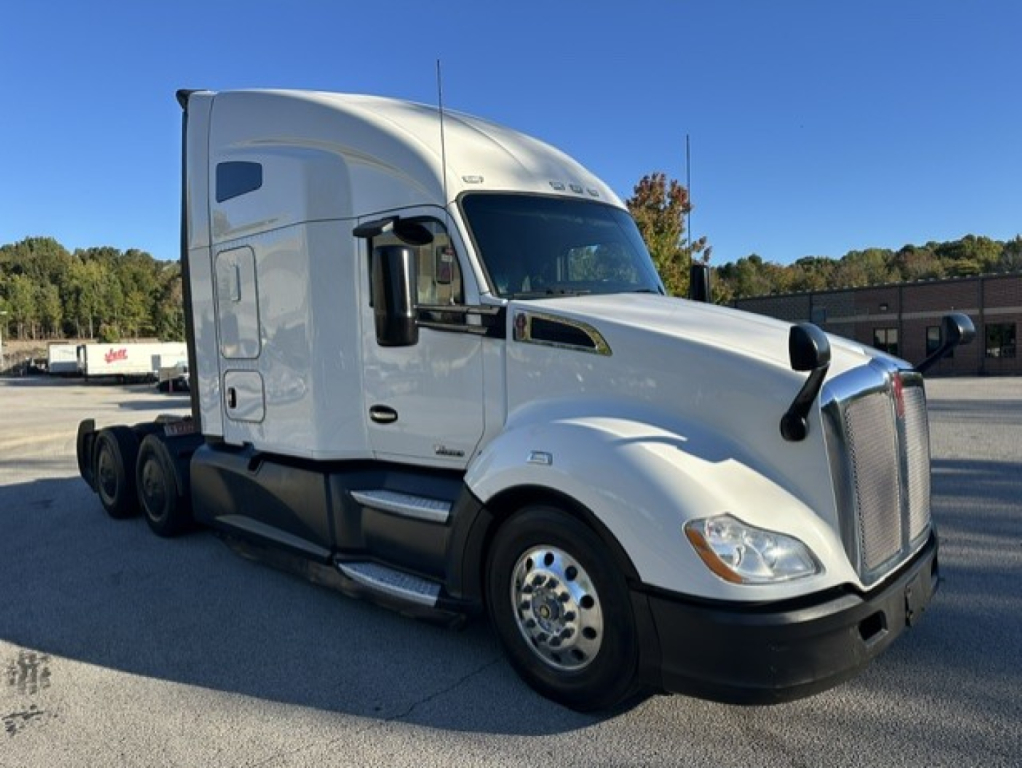
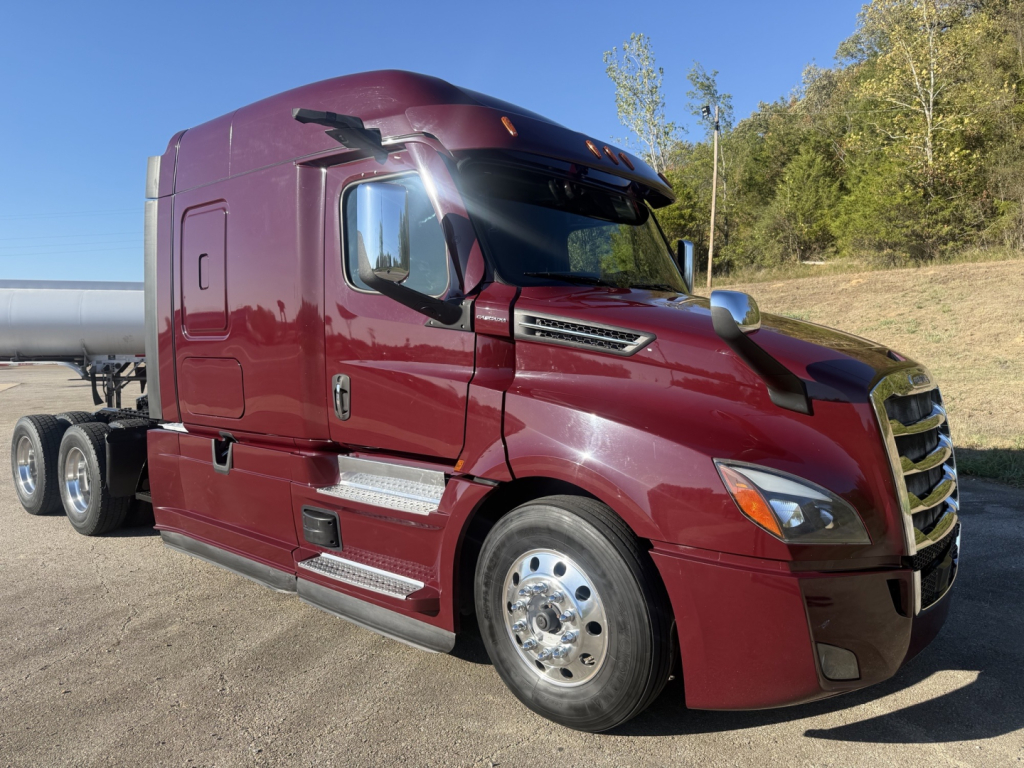
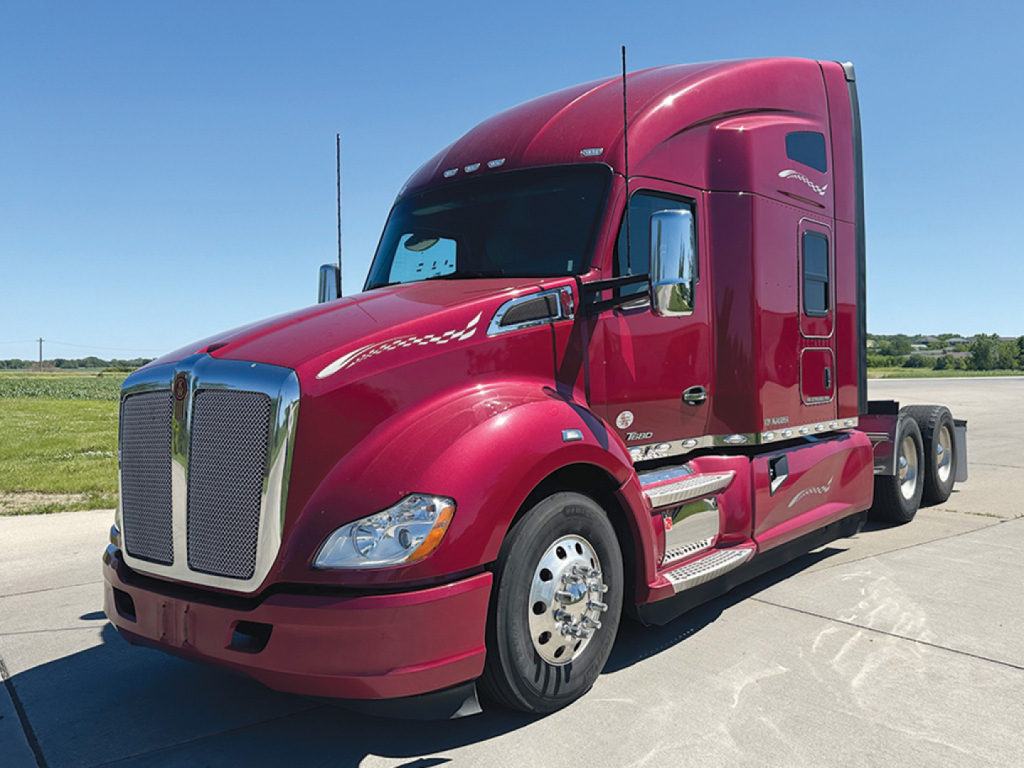
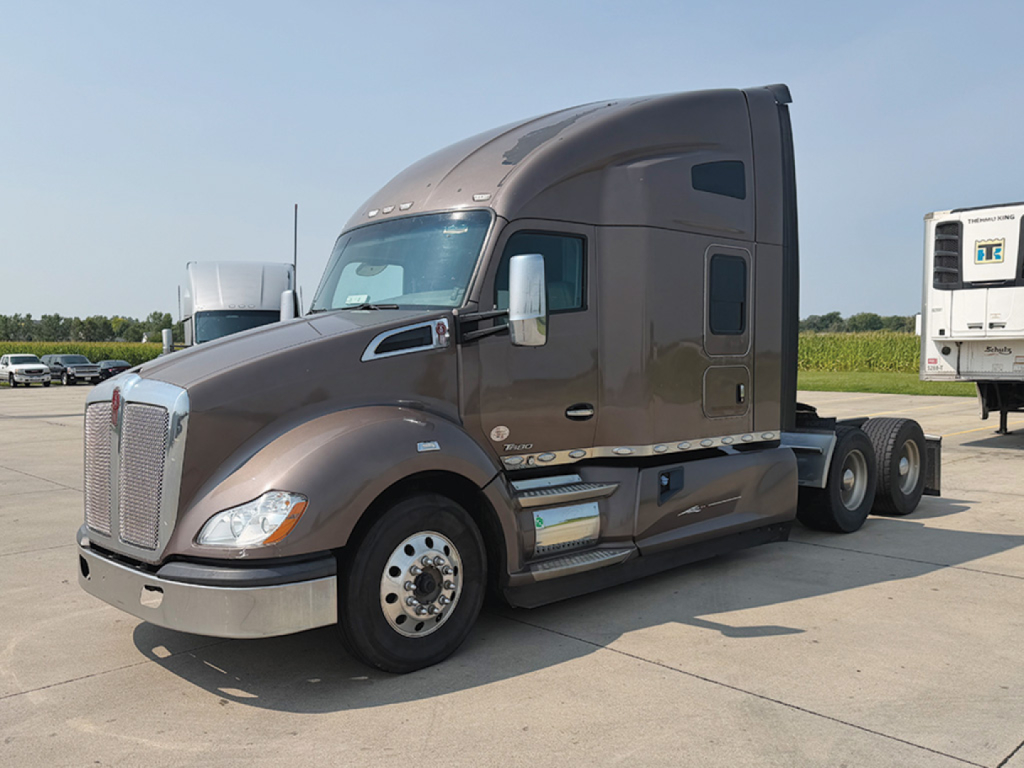
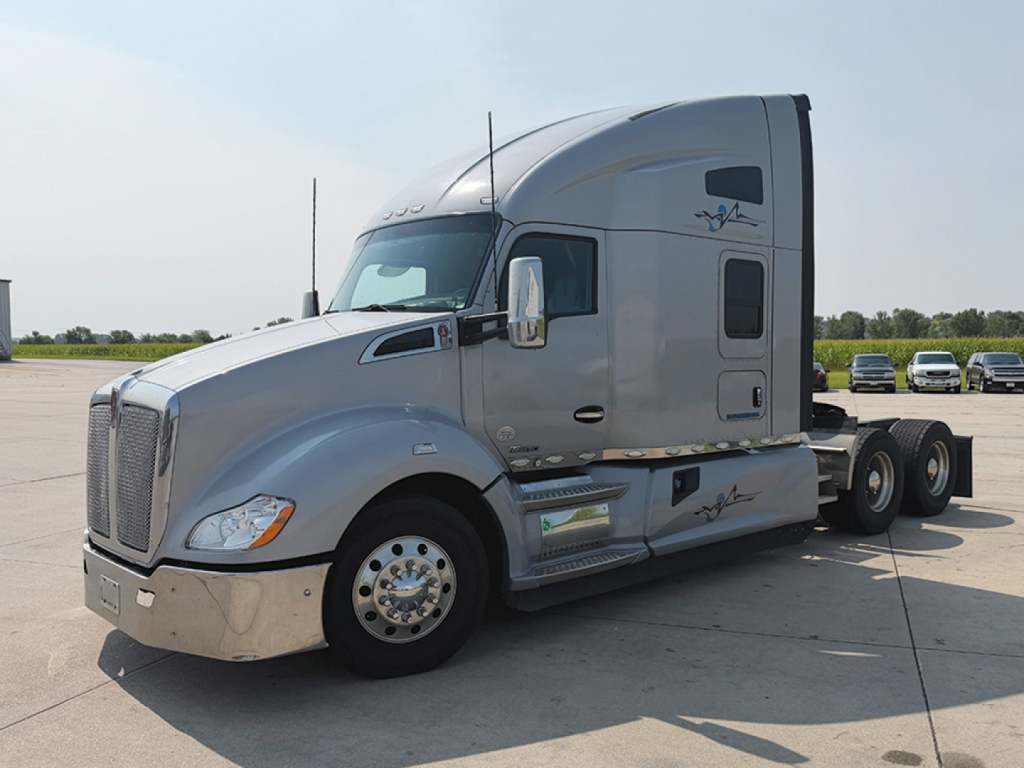
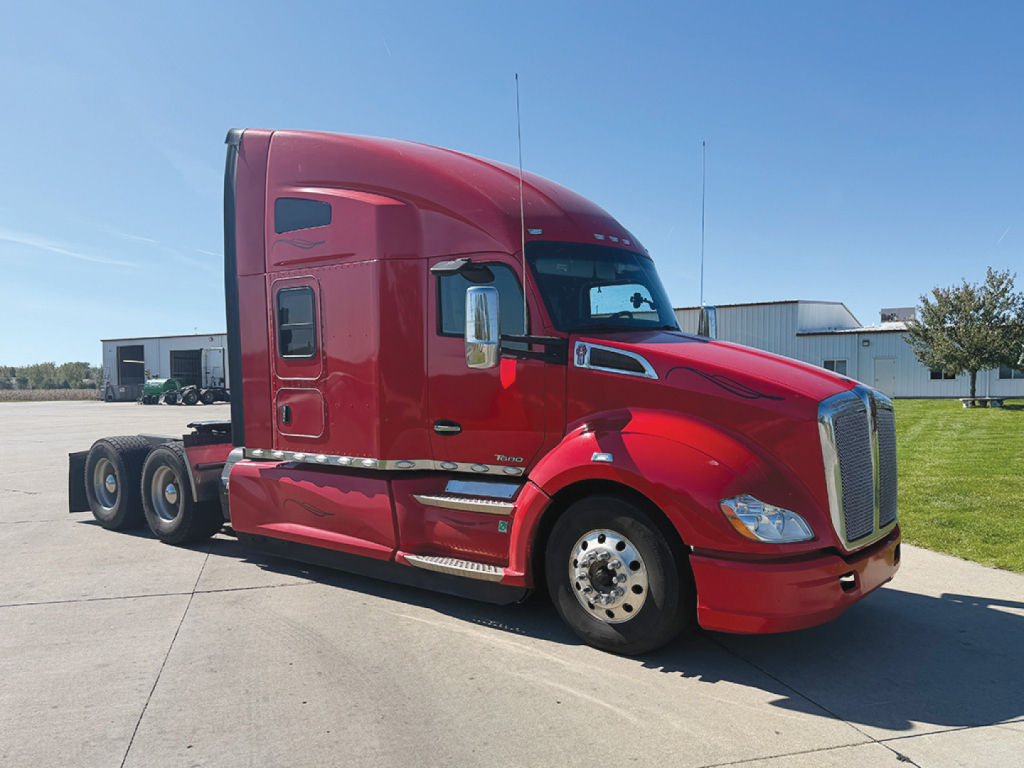
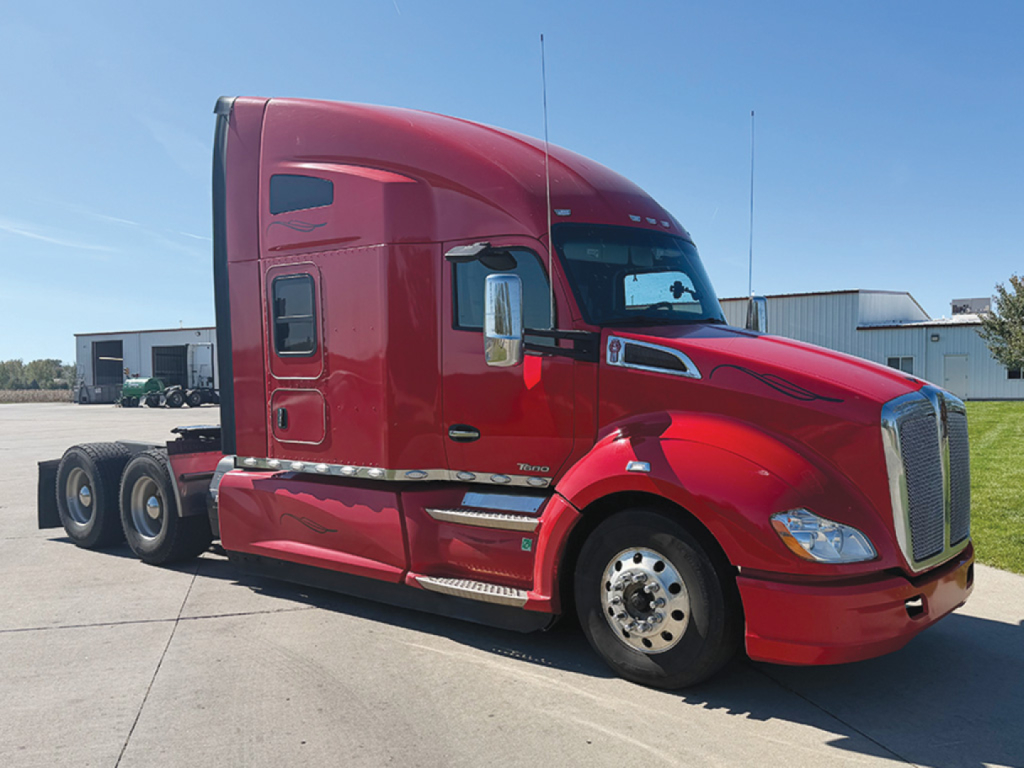
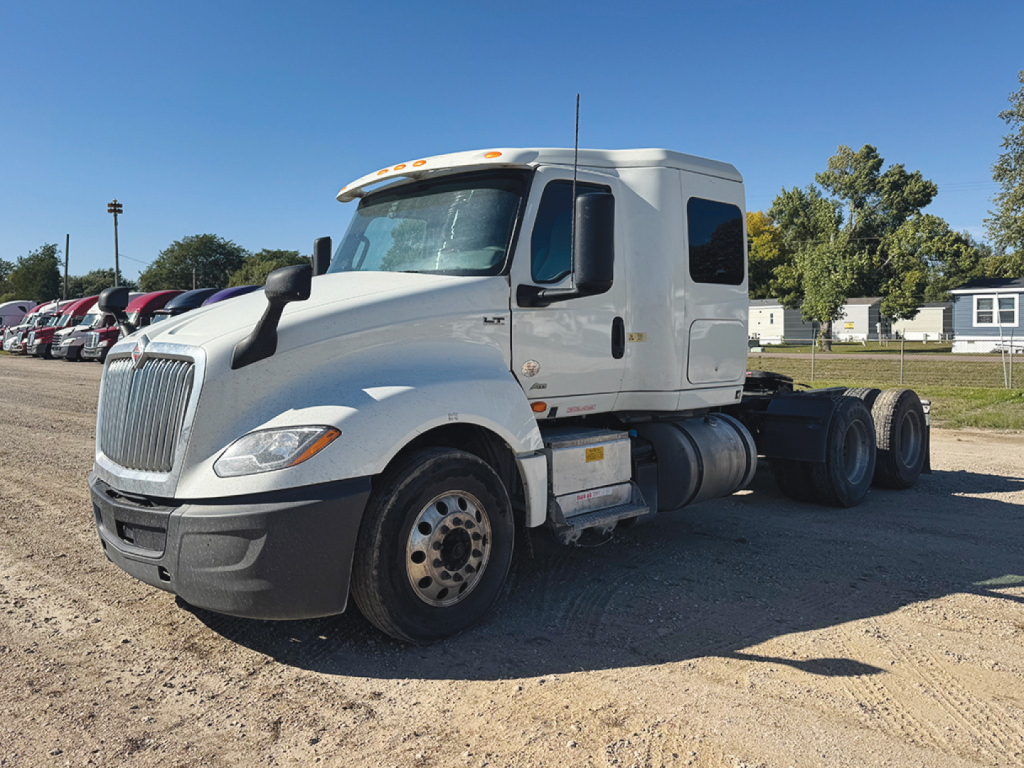
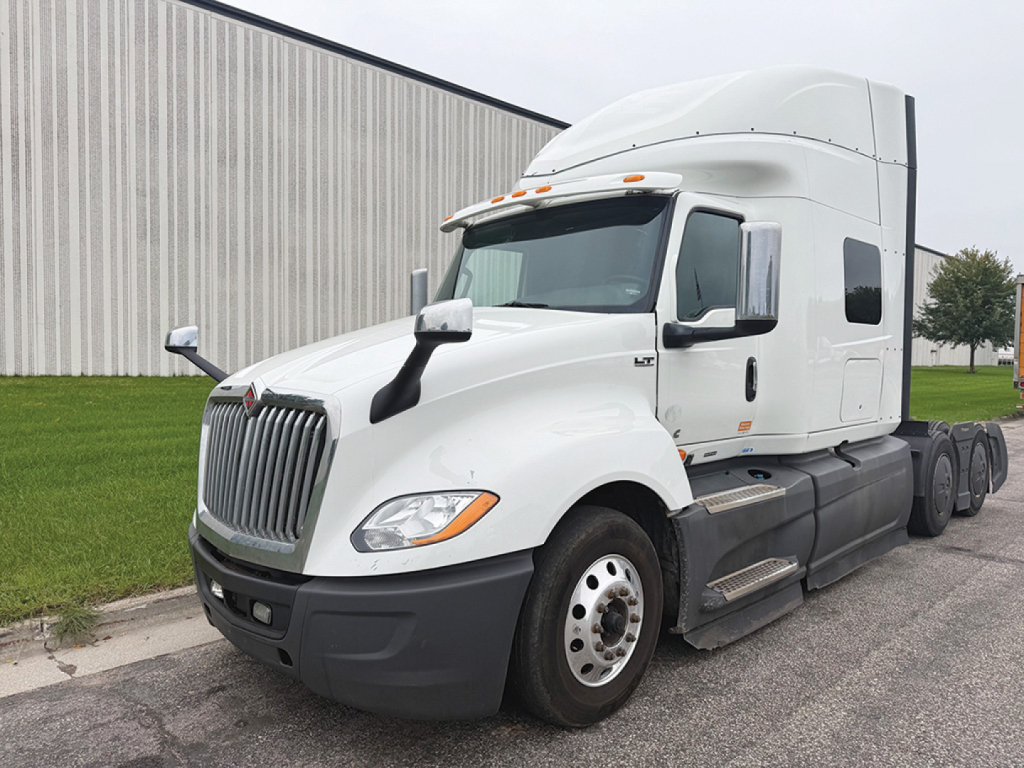
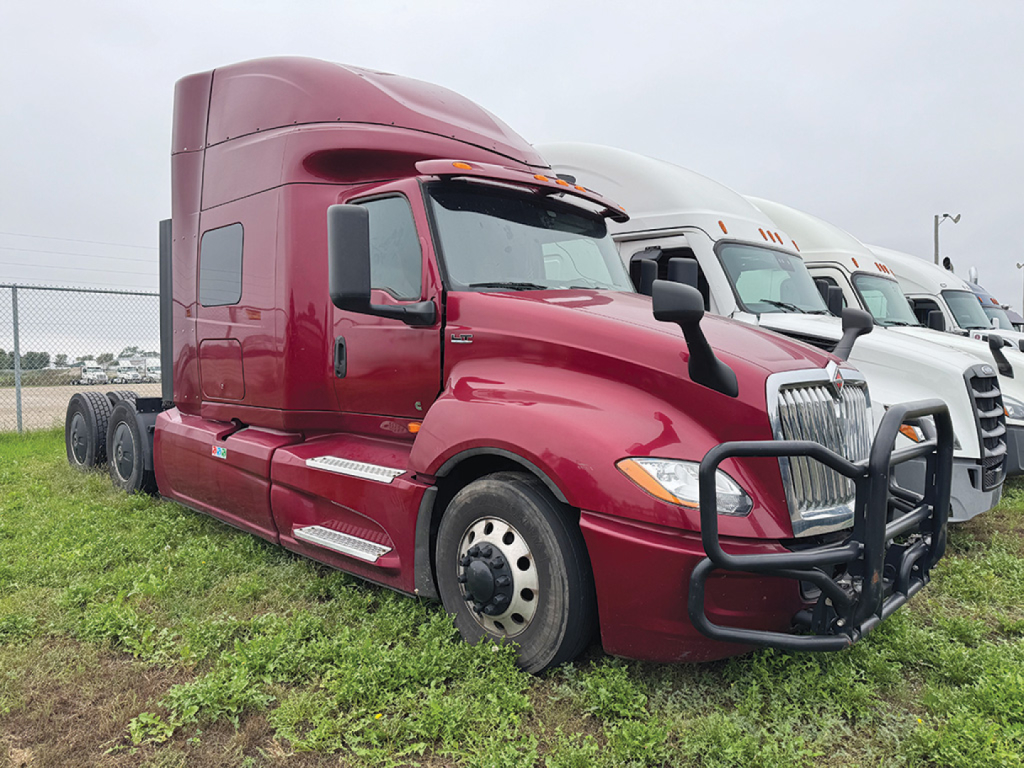
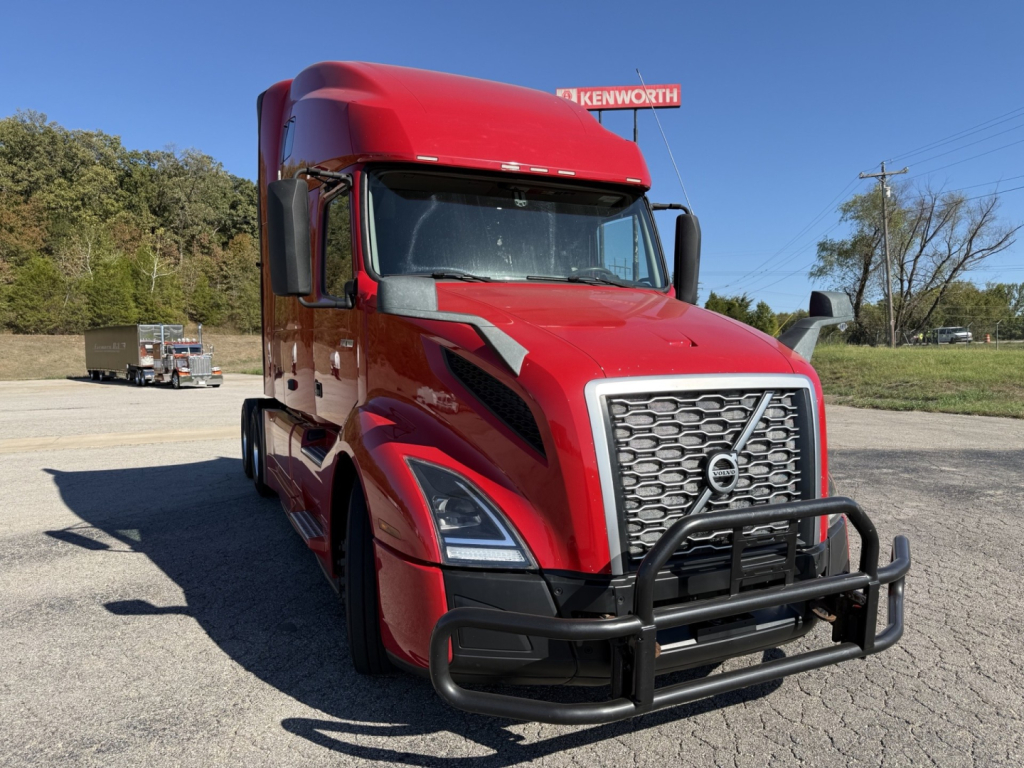
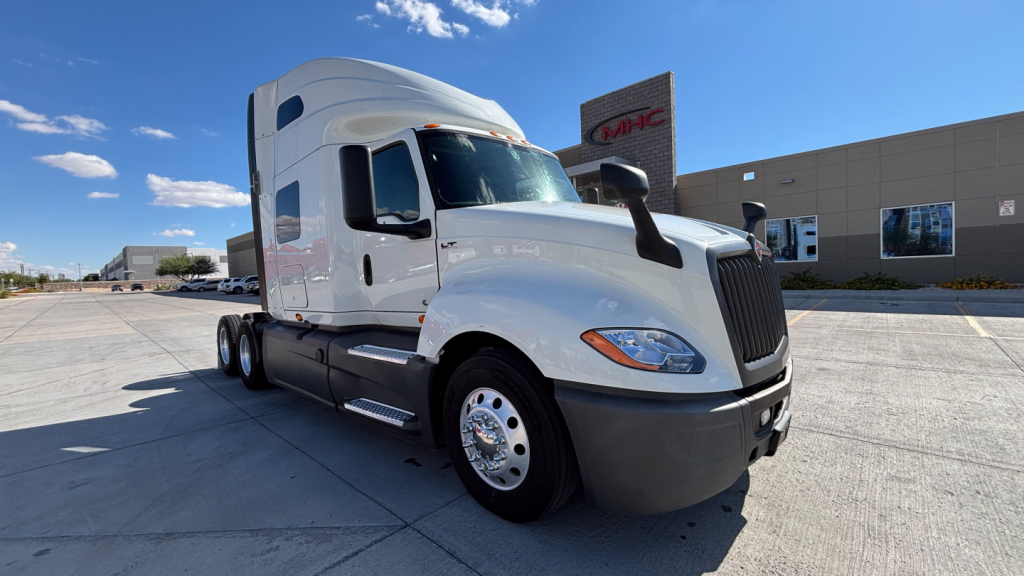
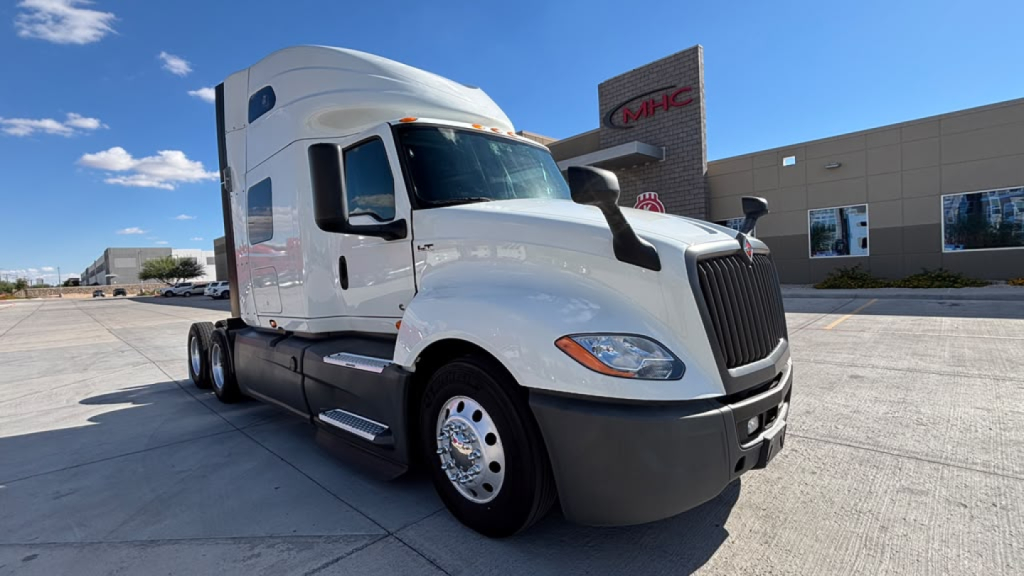
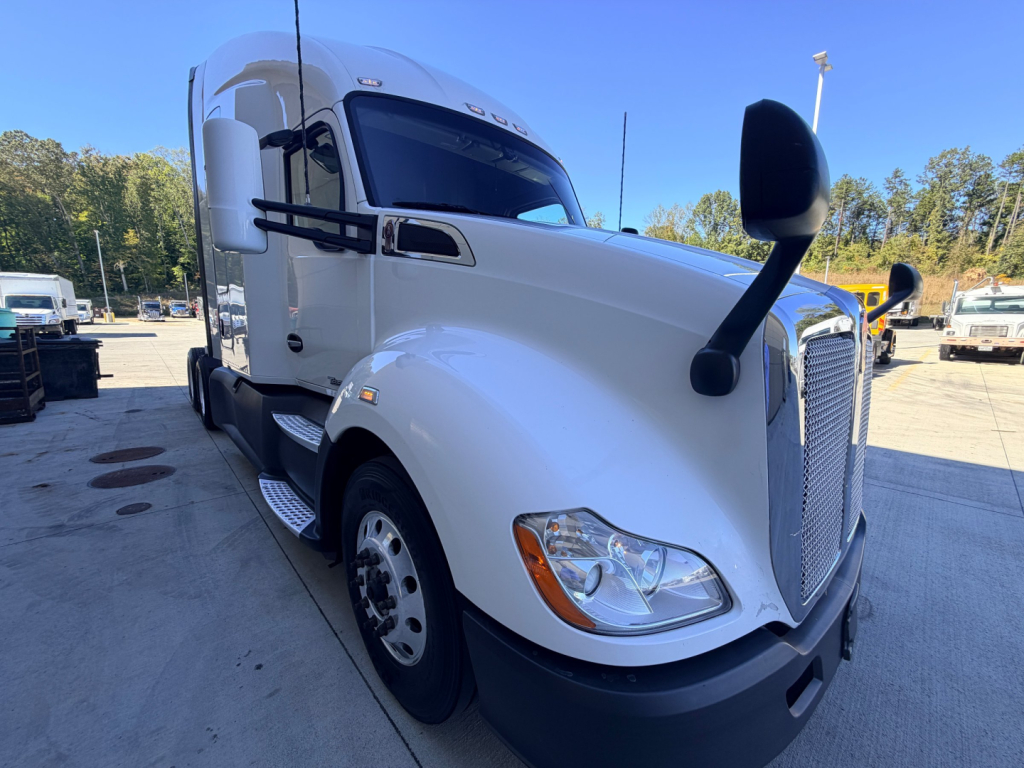
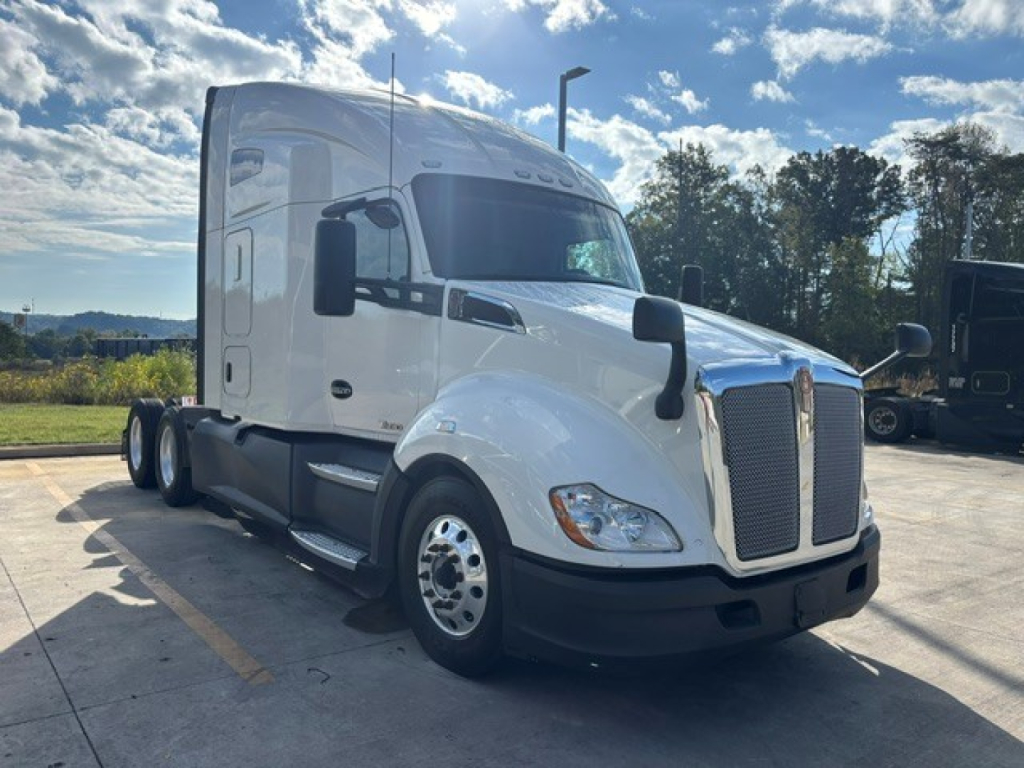
Showing 1 to 28 of 76 results
Selling a 2021 conventional sleeper truck? List your 2021 conventional sleeper truck for sale and reach thousands of commercial buyers.
2021 Conventional Sleeper Trucks
The most important buying decision is usually sleeper size and wheelbase. A 60-inch to 76-inch raised-roof sleeper is common on 2021 long-haul tractors, often with double bunk layouts, bunk heaters, refrigerator prep, storage cabinets, and inverter provisions. Wheelbases in the low-220-inch range are typical for fleet-spec highway tractors, especially units set up for van and reefer work. Rear axle ratings are often 40,000 pounds with air ride suspension, and common rear ratios such as 2.64, 2.79, or 3.08 are selected to balance cruise RPM, gradeability, and fuel economy. An air-slide fifth wheel, dual aluminum fuel tanks, low-profile 22.5 tires, and disc or drum wheel-end configurations are all common details worth confirming.
For drivetrain selection, 2021 conventional sleeper trucks are heavily populated by 12-speed and 13-speed automated transmissions, including Detroit DT12, Eaton Endurant, and PACCAR automated options. Horsepower ratings in the 400 to 505 HP range are common, with torque and axle ratio playing just as large a role as advertised HP in real-world performance. Buyers running heavy reefer, bulk, or mountain freight may want a deeper rear ratio and higher torque calibration, while linehaul dry van operations typically favor lower cruise RPM and downsped drivetrains. Engine brake performance, idle management systems, APUs or bunk heaters, and service history on aftertreatment components should all be part of the review on any used 2021 sleeper.
A 2021 sleeper tractor is also a practical year for fleets and owner-operators focused on driver retention and uptime. Collision mitigation, adaptive cruise features, lane departure systems, and updated cab ergonomics became more common by this point, especially on fleet-maintained units. The best fit depends on lane length, freight weight, and maintenance strategy more than brand preference alone. For a buyer comparing multiple 2021 conventional sleepers for sale, the smartest approach is to match roof height, bunk layout, powertrain spec, axle ratio, and maintenance records to the exact application the truck will run.
Frequently Asked Questions about 2021 Conventional Sleeper Trucks
What engines are most common in 2021 conventional sleeper trucks?
The most common engines in 2021 conventional sleeper trucks are the Detroit DD15, Cummins X15, PACCAR MX-13, and Volvo D13. Most are spec'd in the 400 to 505 horsepower range for highway use. The right engine choice depends less on peak horsepower alone and more on torque rating, transmission pairing, dealer support, and how the truck will be used in long-haul, regional, heavy haul, or reefer service.
Is an automated manual transmission standard in a 2021 sleeper tractor?
Automated manual transmissions are extremely common in 2021 sleeper tractors and are often the default spec on fleet trucks. Systems such as the Detroit DT12, Eaton Endurant, and PACCAR automated transmissions were chosen for fuel economy, easier driver onboarding, and reduced clutch wear. Manual transmissions still exist in the market, but a buyer shopping this model year should expect most listings to be automated.
What sleeper size is best for a 2021 conventional sleeper truck?
A 72-inch to 76-inch high-roof sleeper is a common choice for over-the-road service because it gives enough room for two bunks, standing space, and more storage. Smaller sleepers can still work well for regional or shorter-haul applications where cab space matters less than wheelbase or payload flexibility. The best sleeper size should match route length, time away from home, and whether the truck will be operated solo or team.
What rear axle ratio should I look for in a 2021 highway sleeper?
Many 2021 highway sleepers are spec'd with economy-focused rear ratios such as 2.64, 2.79, or 3.08. Lower numerical ratios generally support lower cruise RPM and better fuel mileage on flatter interstate lanes, while higher numerical ratios can improve startability and performance in heavy or mountainous operations. The correct ratio should be evaluated together with tire size, transmission gearing, engine torque curve, and gross combination weight.
What should I inspect closely on a used 2021 conventional sleeper truck?
Key inspection points include emissions and aftertreatment service history, fault codes, transmission calibration performance, fifth wheel wear, suspension condition, wheel-end maintenance, and any signs of excessive idle hours. Buyers should also check the bunk HVAC system, idle management equipment, collision mitigation sensors, and tire wear patterns for alignment or suspension issues. A complete maintenance file is especially valuable on a 2021 truck because it helps confirm how the unit was operated and maintained during its early service life.