
2021 Conventional Sleeper Trucks For Sale in Illinois
Shop 2021 conventional sleeper trucks in Illinois. Compare raised-roof specs, engine options, sleeper sizes, and long-haul features.
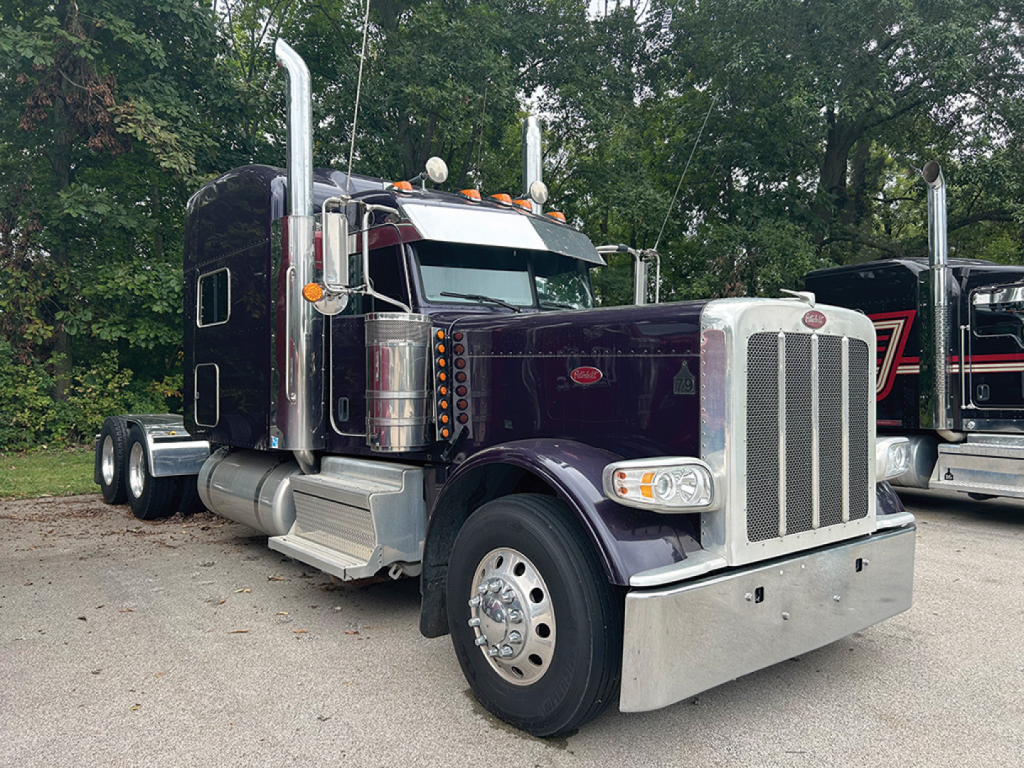
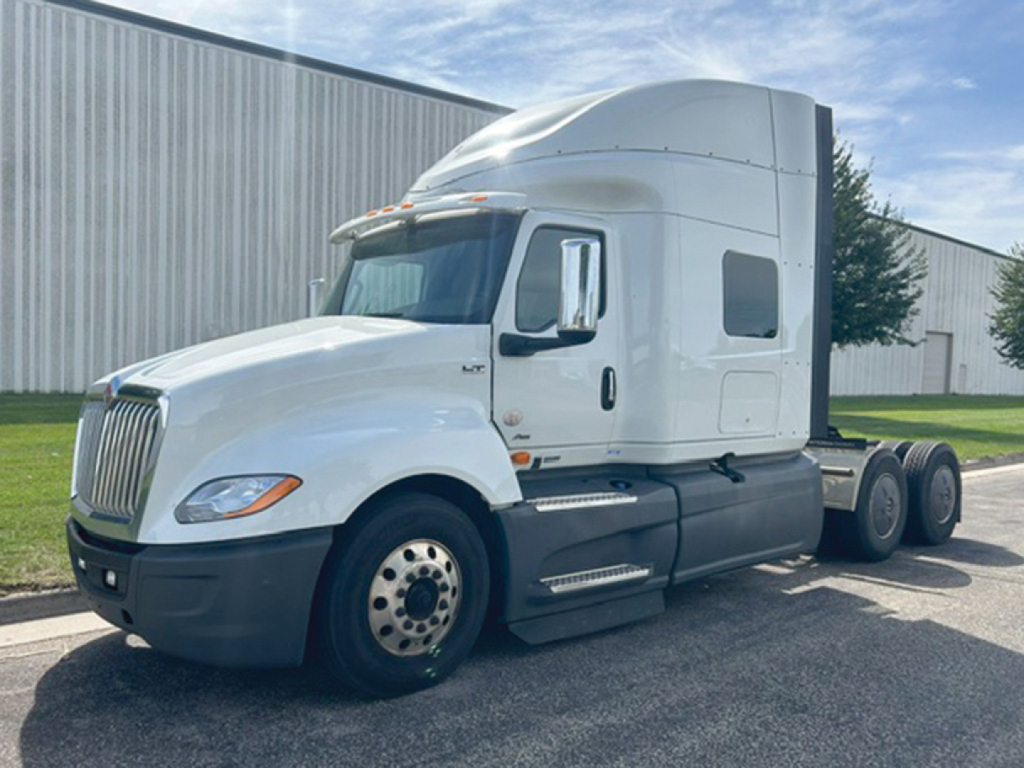
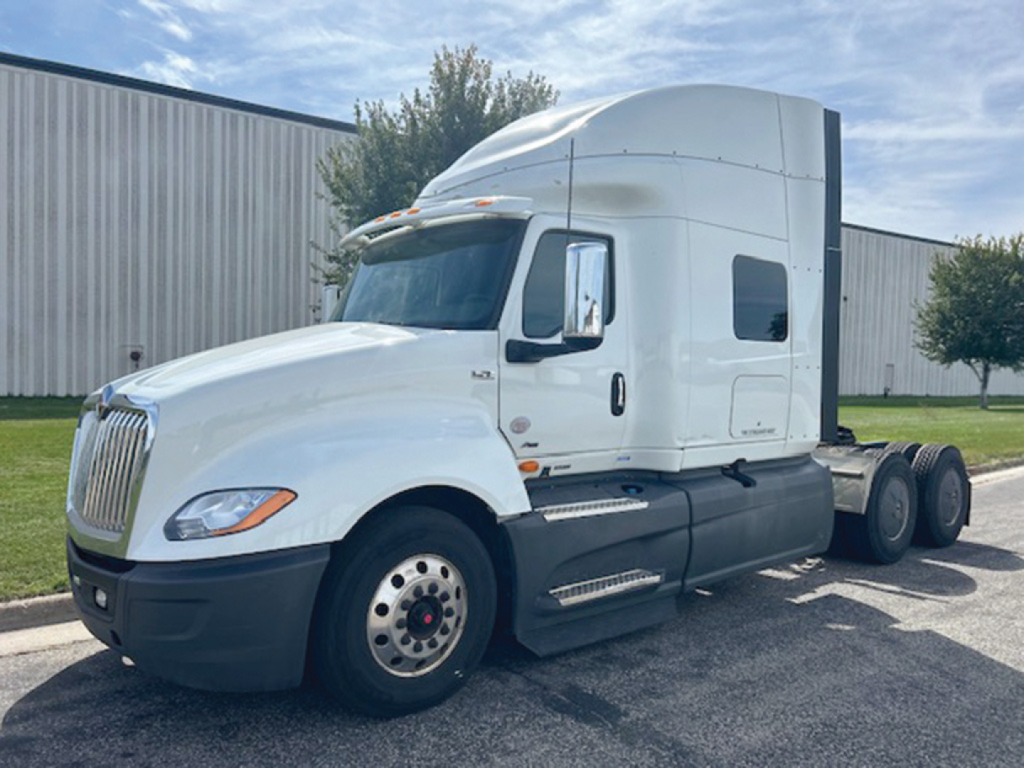
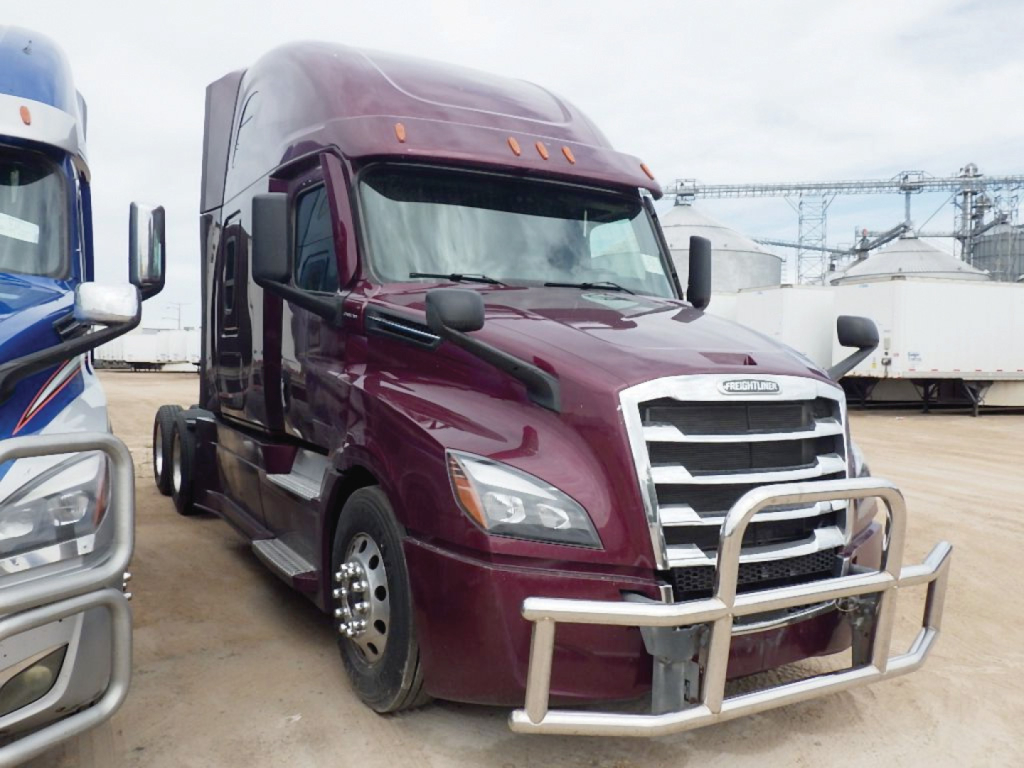
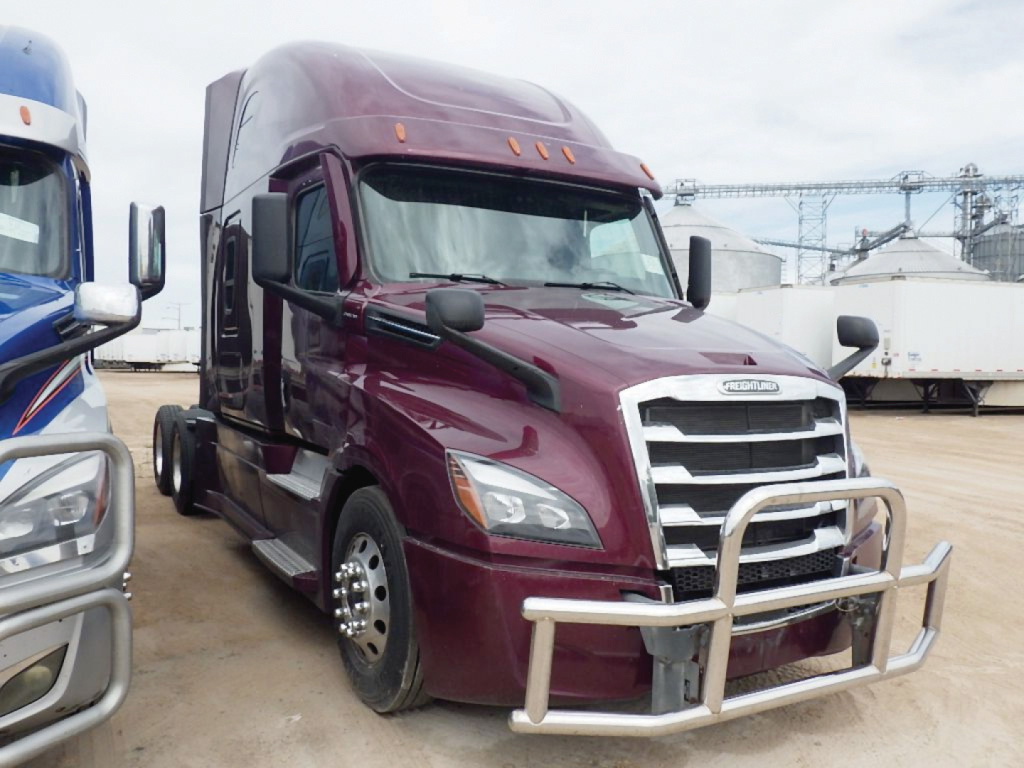
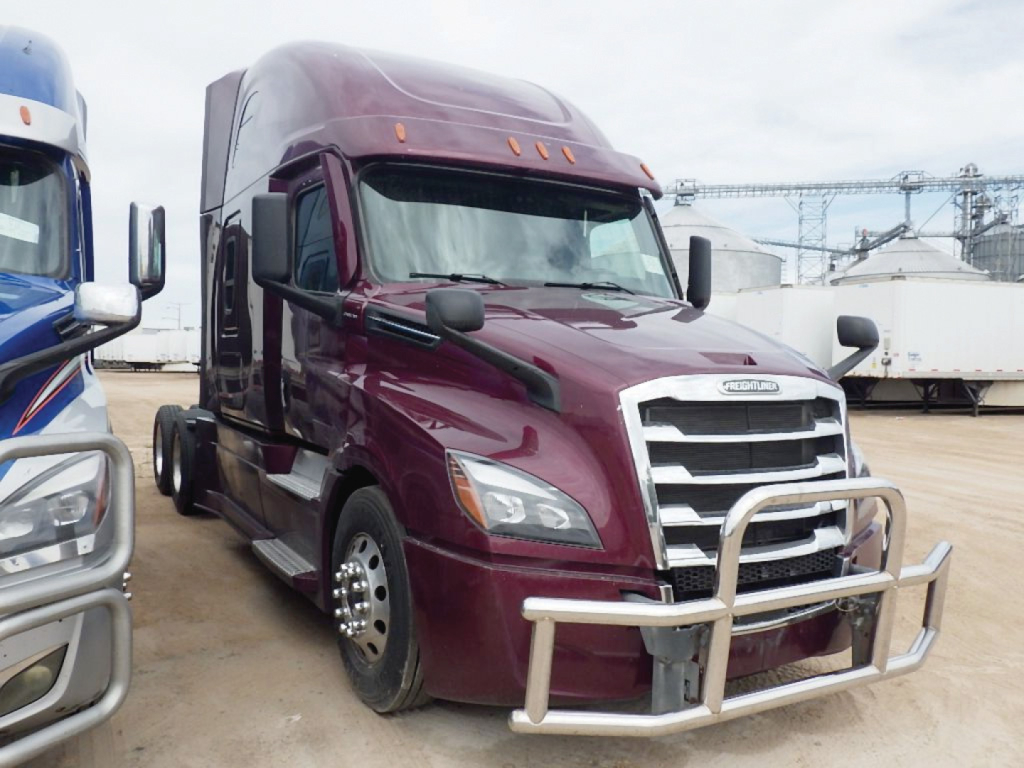
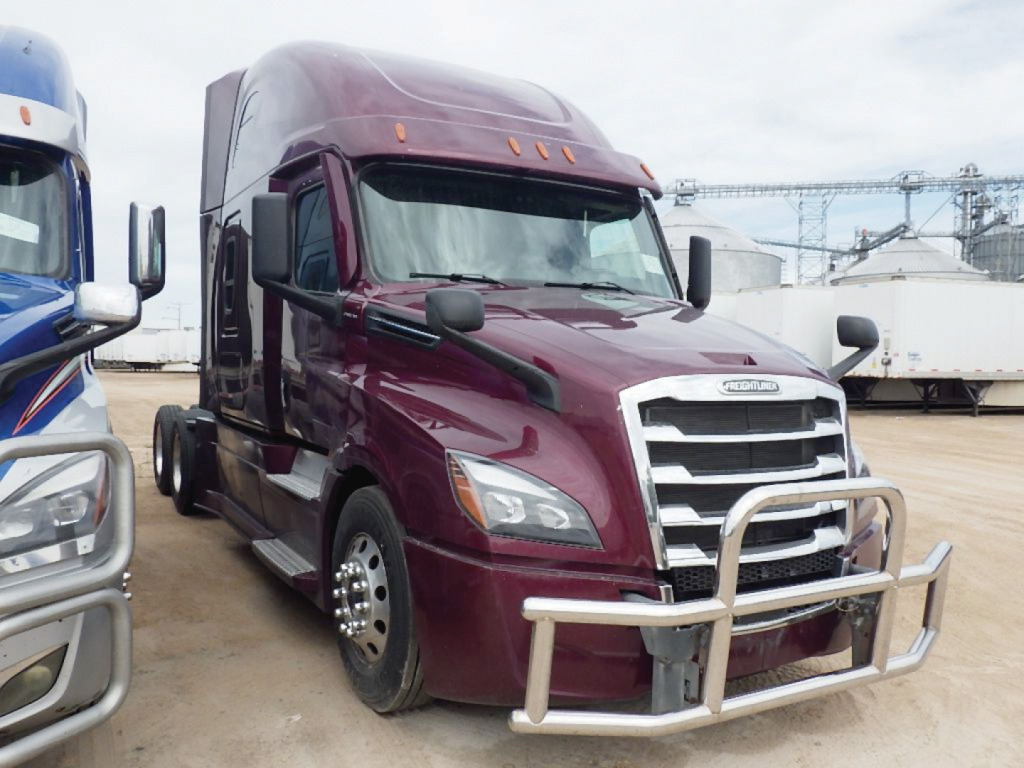
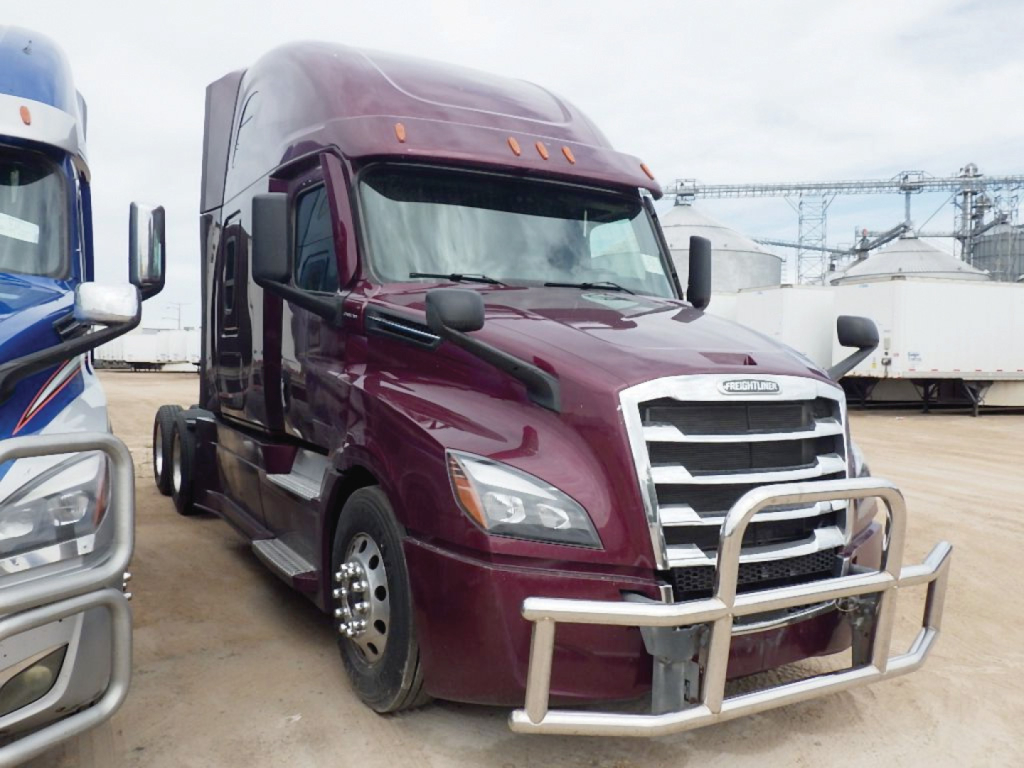
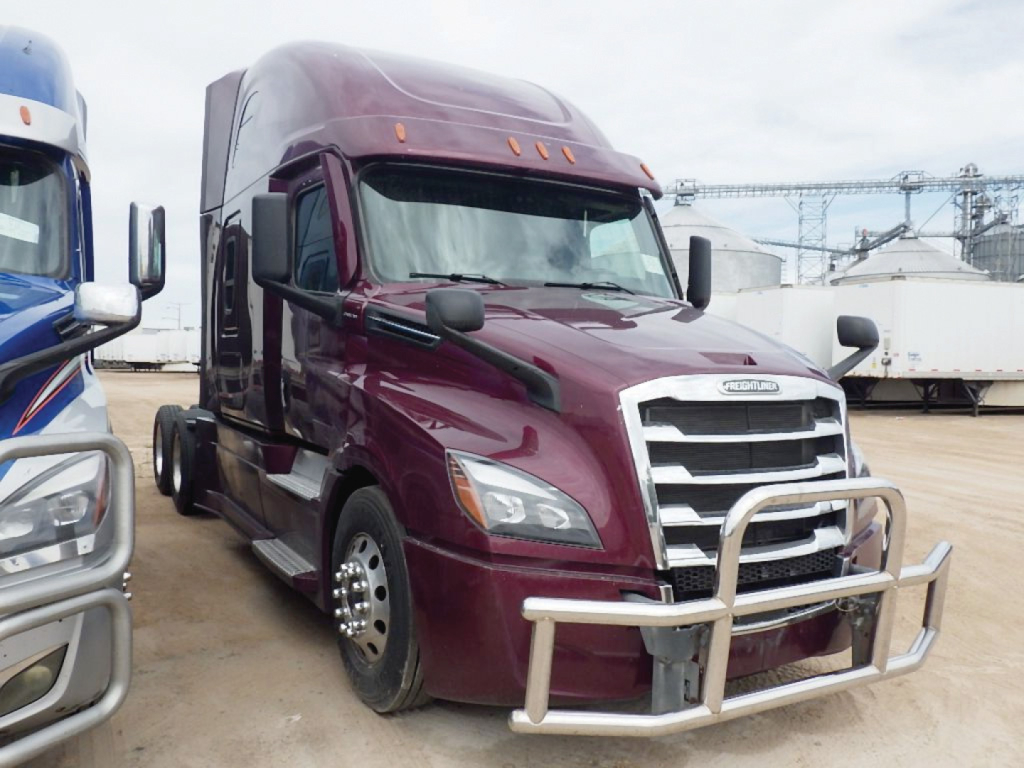
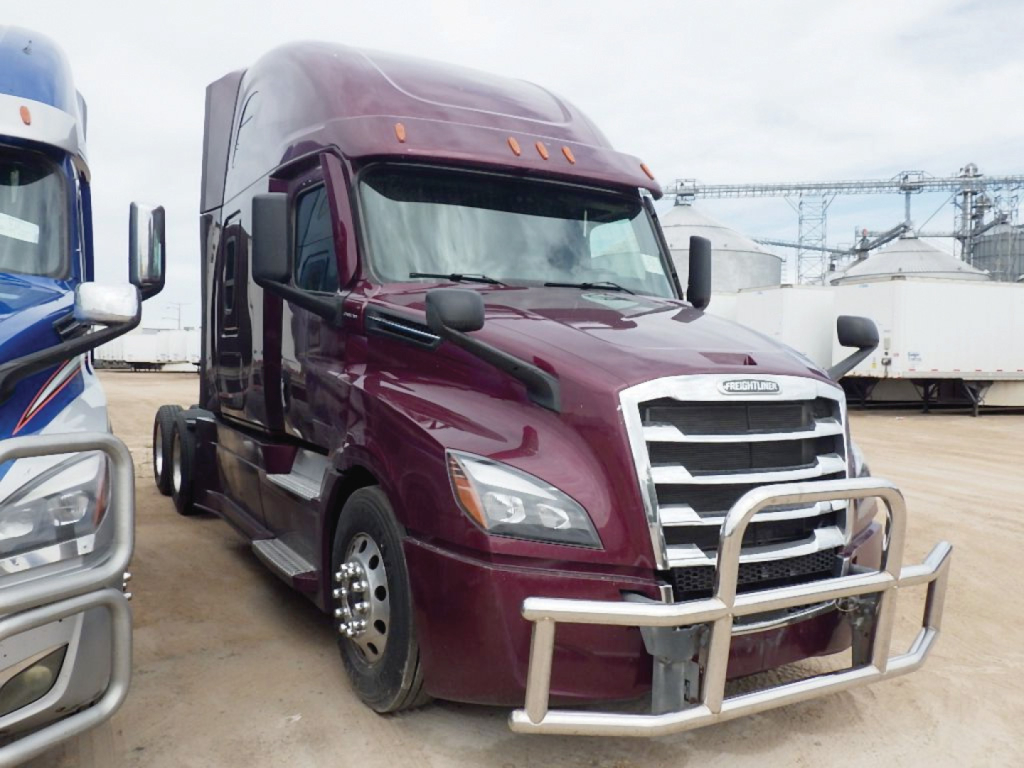
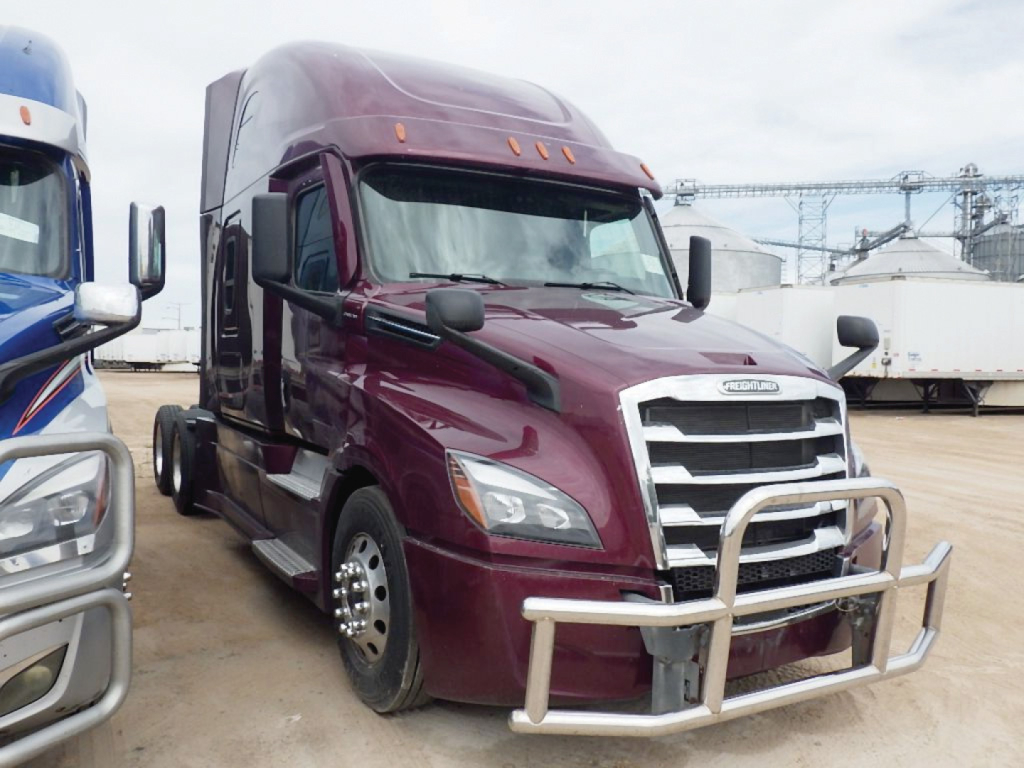
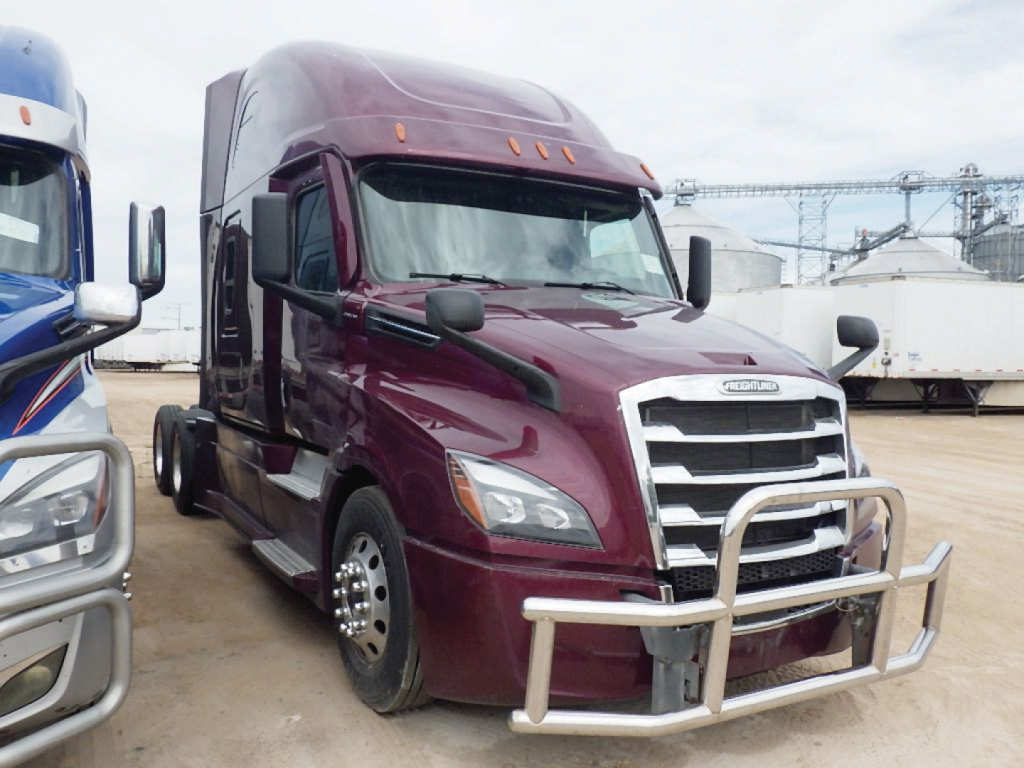
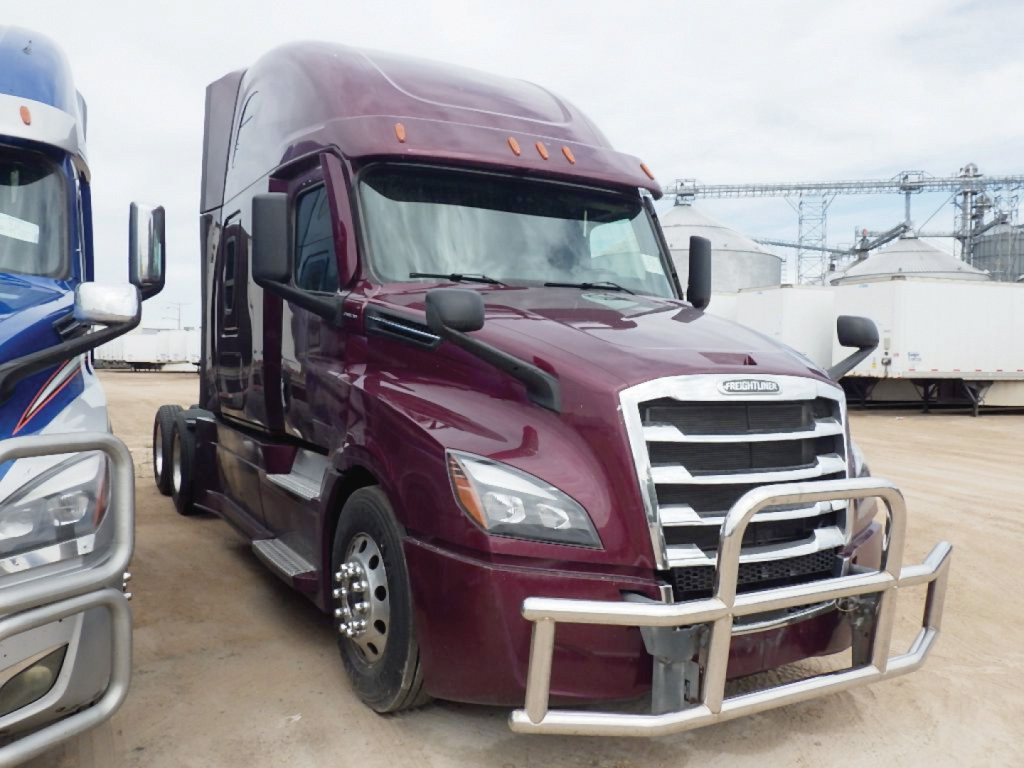
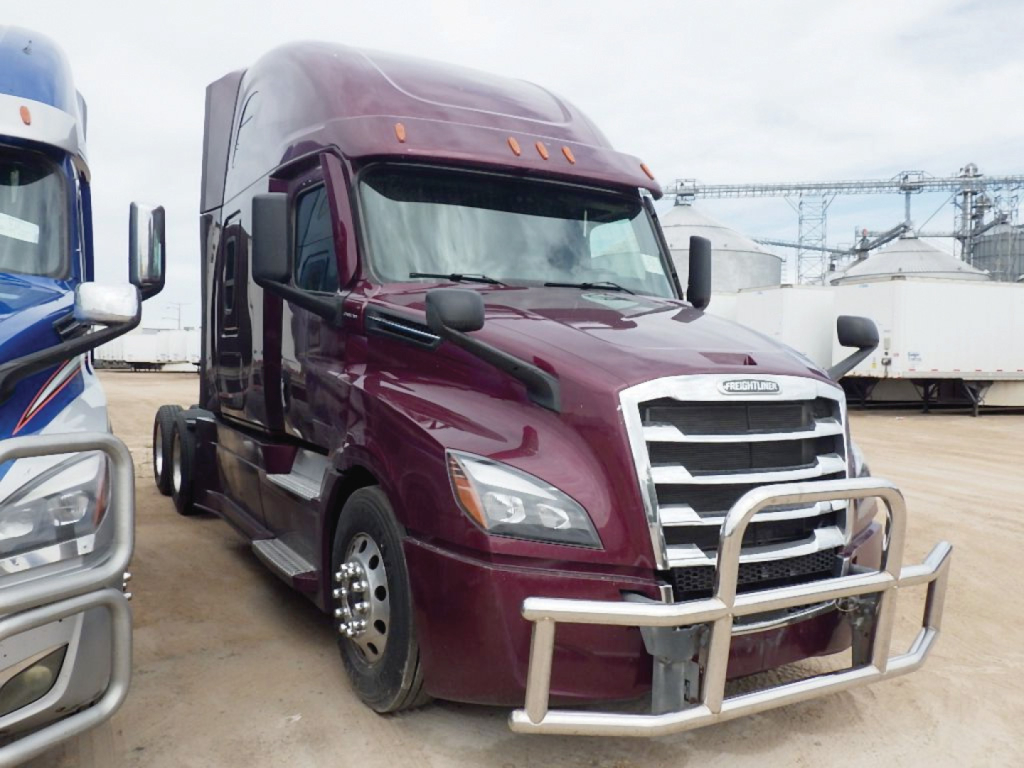
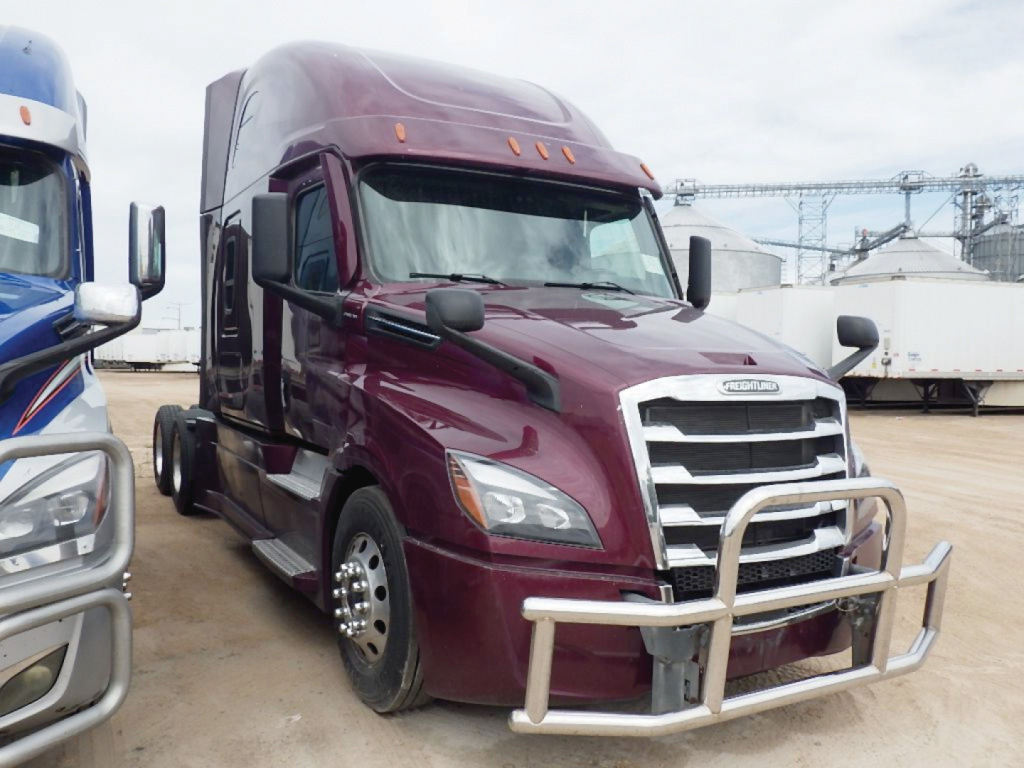
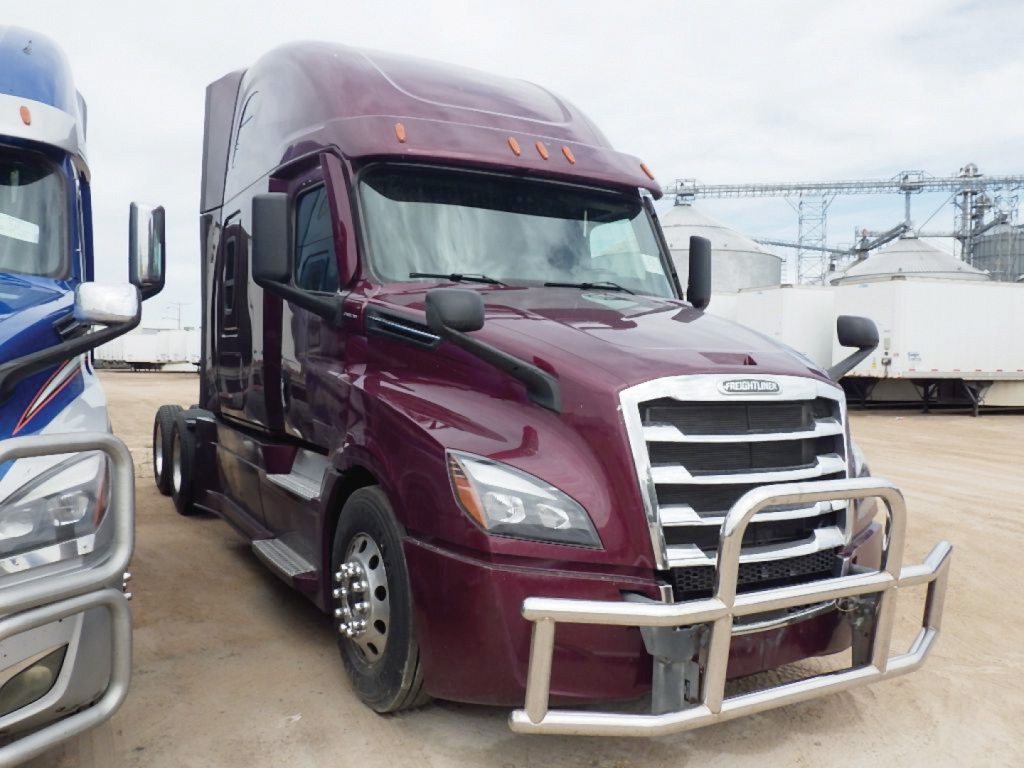

Selling a 2021 conventional sleeper truck? List your 2021 conventional sleeper truck for sale and reach thousands of commercial buyers.
2021 Conventional Sleeper Trucks in Illinois
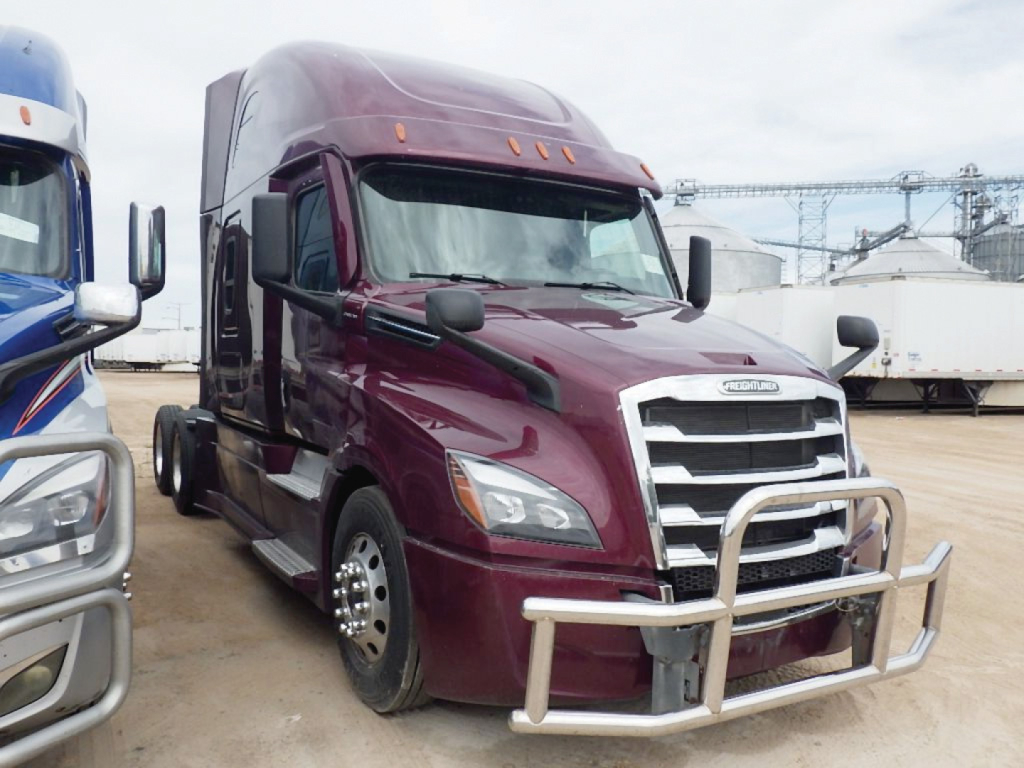
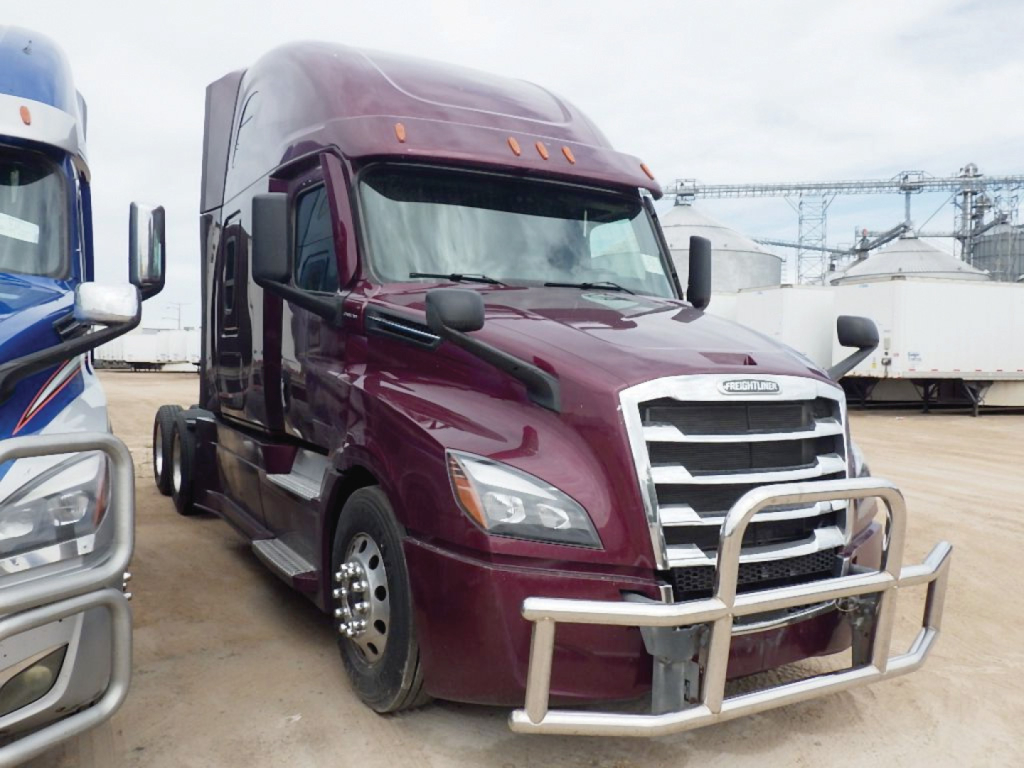
Most 2021 conventional sleepers, also called highway sleeper tractors or road tractors, were built around familiar platforms such as the Kenworth T680, Freightliner Cascadia, Volvo VNL, and International LT. Common engine choices include the Cummins X15, Detroit DD15, and Volvo D13, typically in the 400 to 455 horsepower range for general dry van, reefer, and dedicated route work. Automated manual transmissions were the dominant spec by 2021, including 12-speed automated options paired with 2.64 to 3.08 rear axle ratios for fuel economy at highway speed. A 40,000 lb rear axle setup, air ride suspension, and 72 to 76 inch raised-roof sleeper remain standard targets for buyers who need a balanced truck for driver comfort and nationwide serviceability.
The sleeper itself matters as much as the drivetrain on a 2021 model. Double bunk layouts, bunk heaters, APUs, inverter prep, and efficient HVAC systems can make a major difference in idle reduction and driver retention. Aerodynamic packages with cab extenders, side fairings, and quarter fenders were widely used on 2021 sleepers to support lower fuel burn, especially on Midwest freight corridors where steady interstate miles reward a clean aero spec. Safety systems also became more common in this model year, including collision mitigation, engine brakes, disc brakes on some specs, and integrated driver controls through smart wheel or column-mounted systems.
For a buyer evaluating 2021 conventional sleeper trucks in Illinois, the best approach is to match the truck to the freight first, then verify the spec sheet against expected operating costs. A taller sleeper and longer wheelbase may improve comfort and storage, but can add weight and reduce maneuverability in tighter urban freight. A fuel-economy axle ratio can be ideal for linehaul, but less effective if the truck regularly handles heavy loads or short-haul stop-and-go work. Maintenance history, emissions system performance, tire wear pattern, and transmission calibration history are all worth reviewing closely on a 2021 sleeper because they tell you more about the truck's next 300,000 miles than the badge on the hood alone.
Frequently Asked Questions about 2021 Conventional Sleeper Trucks in Illinois
What engines are common in 2021 conventional sleeper trucks?
The most common engines in 2021 conventional sleeper trucks are the Cummins X15, Detroit DD15, and Volvo D13. In this year range, many were spec'd between 400 and 455 horsepower for a balance of fuel economy, drivability, and broad application across dry van, refrigerated, and general freight operations. The right engine depends on your gross weight, terrain, cruise speed, and service network preference.
Are 2021 conventional sleeper trucks mostly automatic?
Yes. By 2021, most conventional sleeper tractors were equipped with automated manual transmissions rather than traditional manual gearboxes. Common setups include 12-speed automated transmissions that improve shift consistency, reduce driver fatigue, and support fuel-efficient downspeeding when matched with the correct rear axle ratio.
What sleeper size is typical on a 2021 highway tractor?
A typical 2021 highway sleeper truck often has a 72 inch to 76 inch raised-roof sleeper. That size range usually provides enough room for one or two bunks, storage cabinets, and better stand-up space for over-the-road use. Buyers should compare sleeper height and floorplan with their intended length of haul and driver comfort requirements.
What should I inspect first on a used 2021 conventional sleeper?
Start with maintenance records, engine hours, fault code history, and emissions system service. After that, review tire wear, brake condition, suspension performance, fifth wheel operation, and any evidence of collision repairs. On a 2021 model, transmission calibration history, aftertreatment performance, and idle management equipment such as an APU are also important because they directly affect reliability and operating cost.
Is a 2021 conventional sleeper a good fit for Midwest freight lanes?
Yes, a 2021 conventional sleeper is often a strong fit for Midwest and Illinois-based freight because these trucks were commonly spec'd for interstate efficiency, driver comfort, and all-season linehaul work. Aerodynamic packages, raised-roof sleepers, and highway gearing work well on long runs between distribution hubs, while common engine and transmission platforms help with parts availability and service access across the region.