
2021 Freightliner Conventional Sleeper Trucks For Sale in Illinois
Shop 2021 Freightliner conventional sleeper trucks in Illinois. Compare Cascadia specs, DD15 power, sleeper sizes, wheelbase, and drivetrain options.
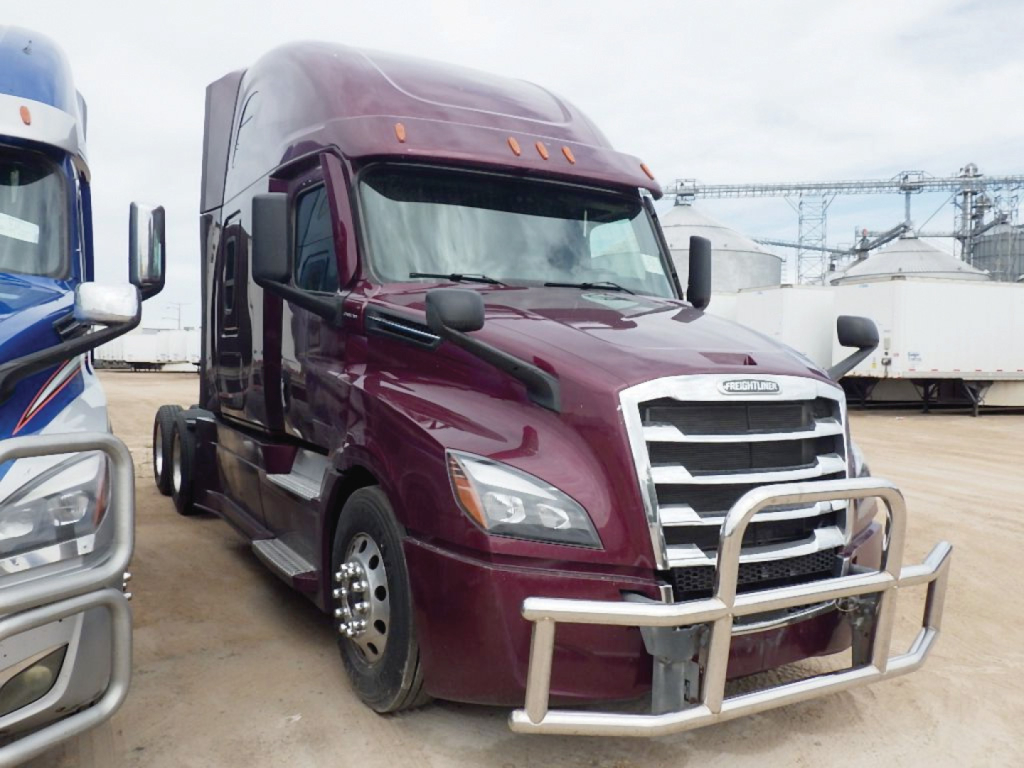
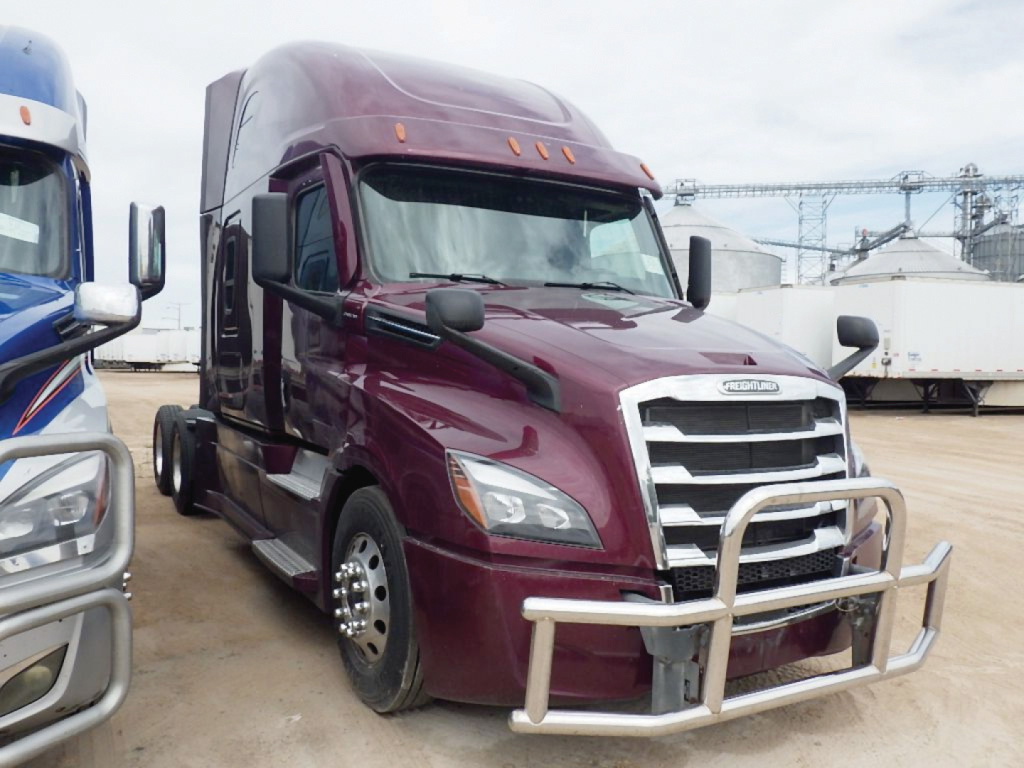
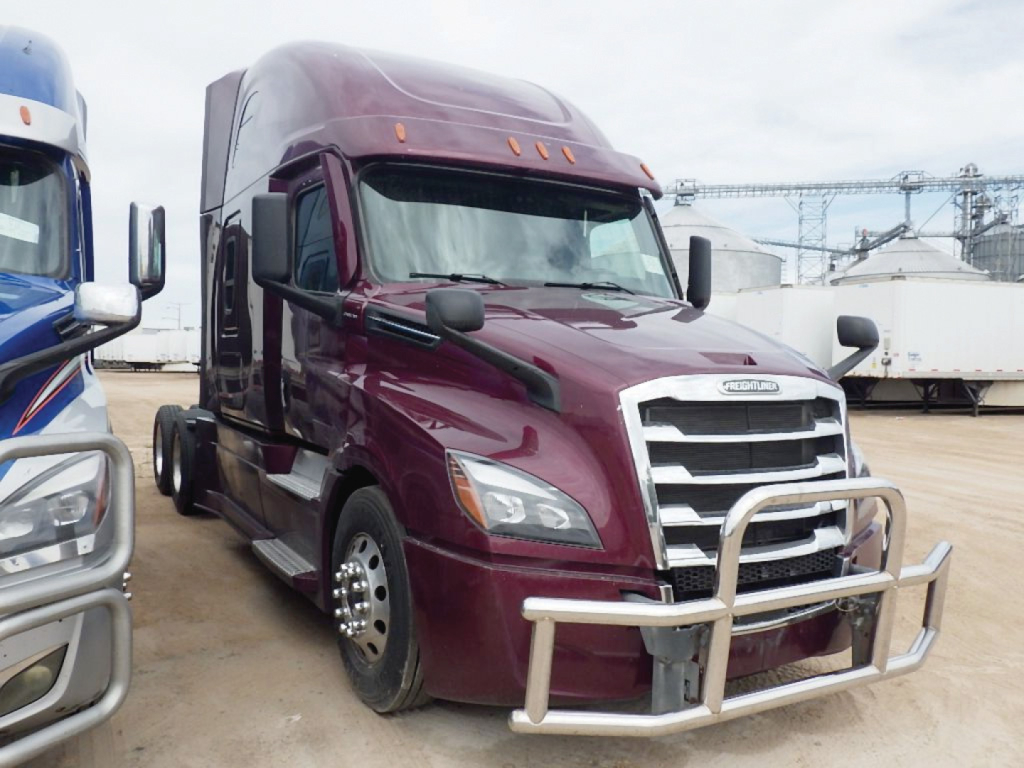
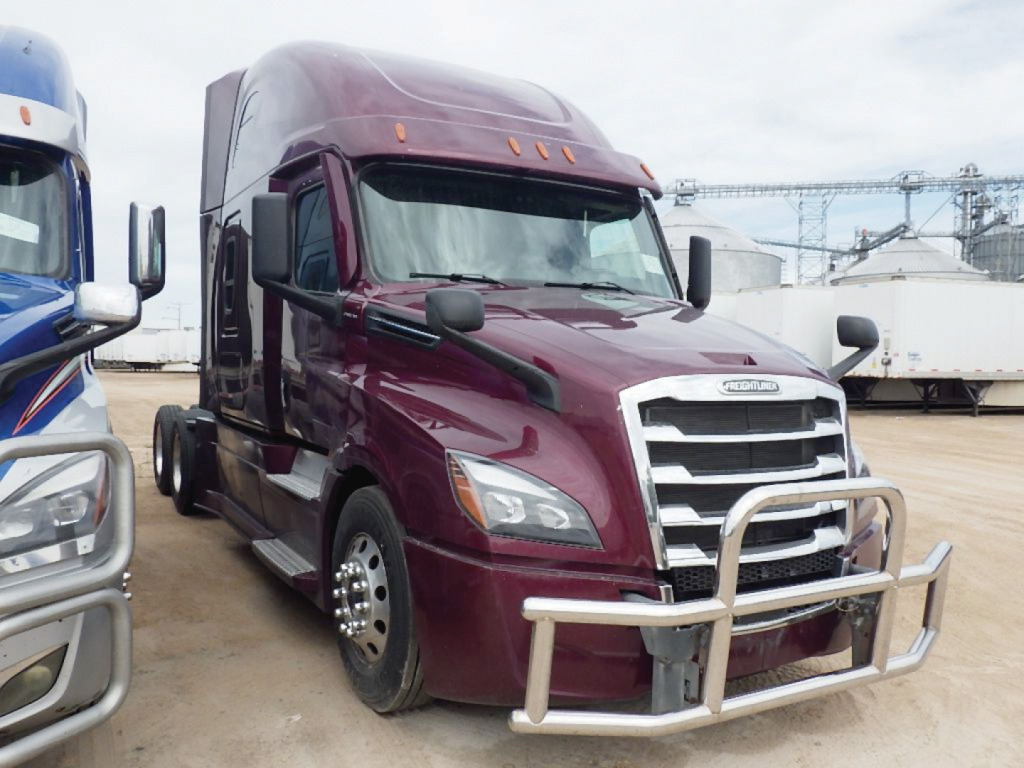
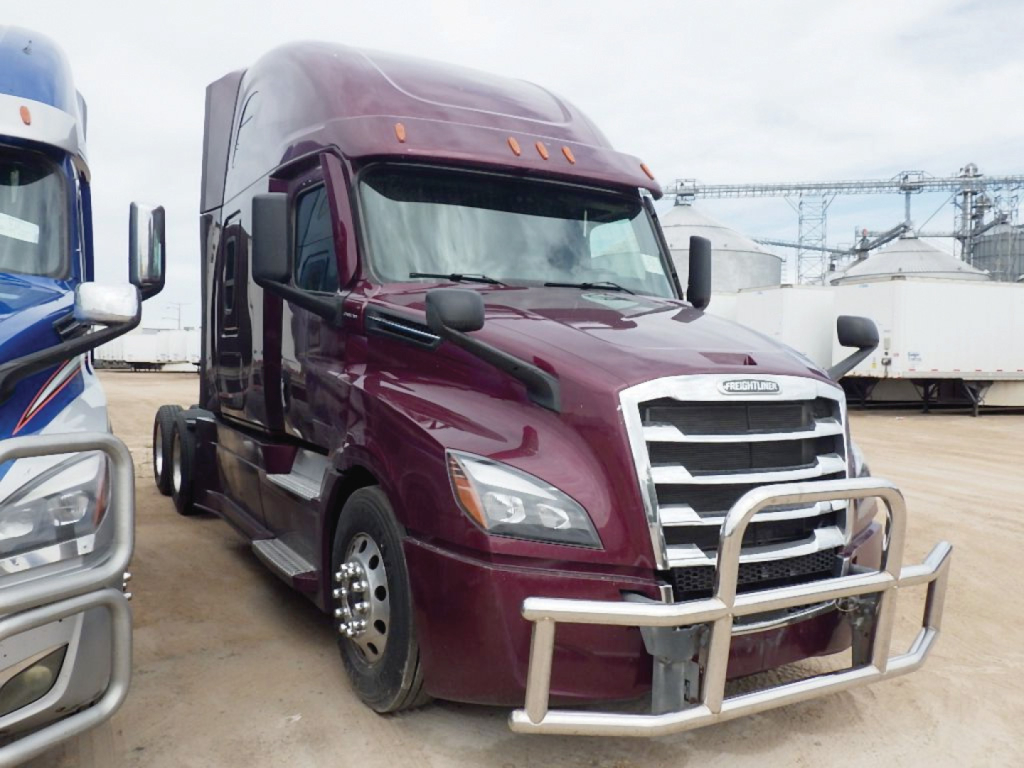
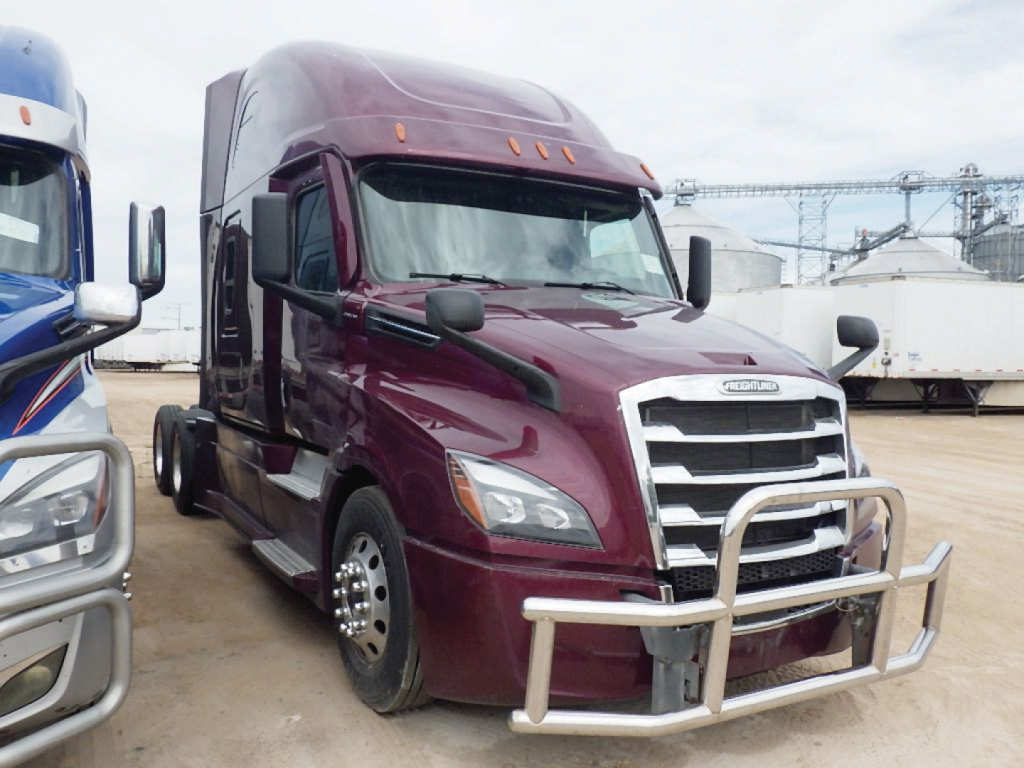
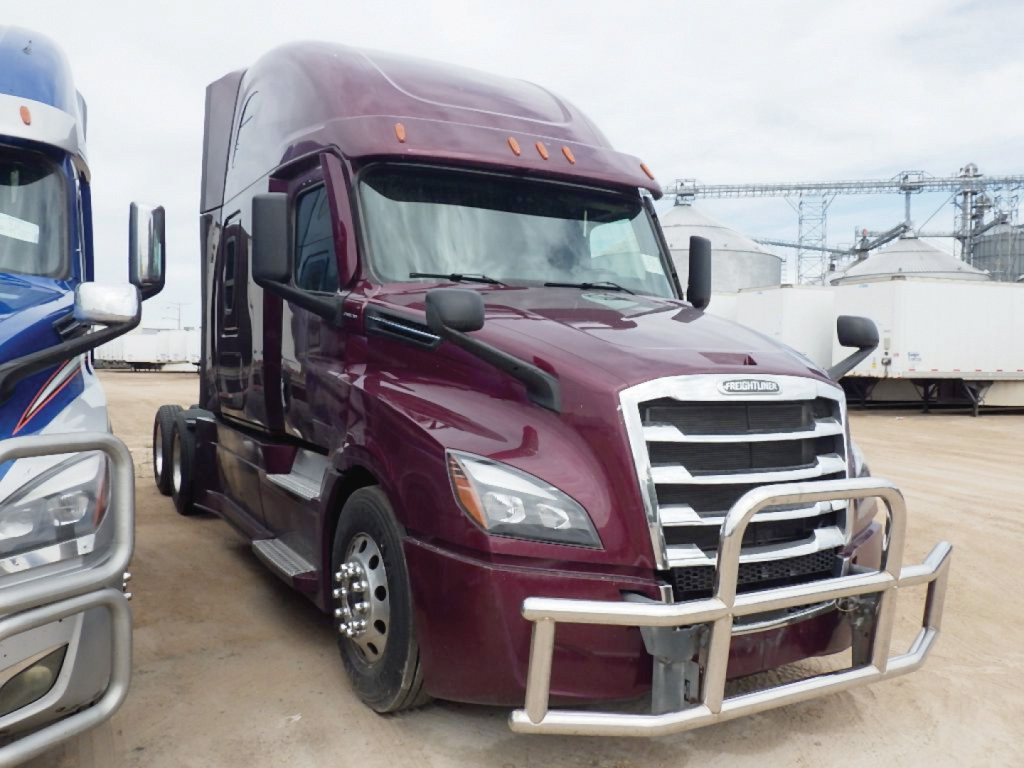
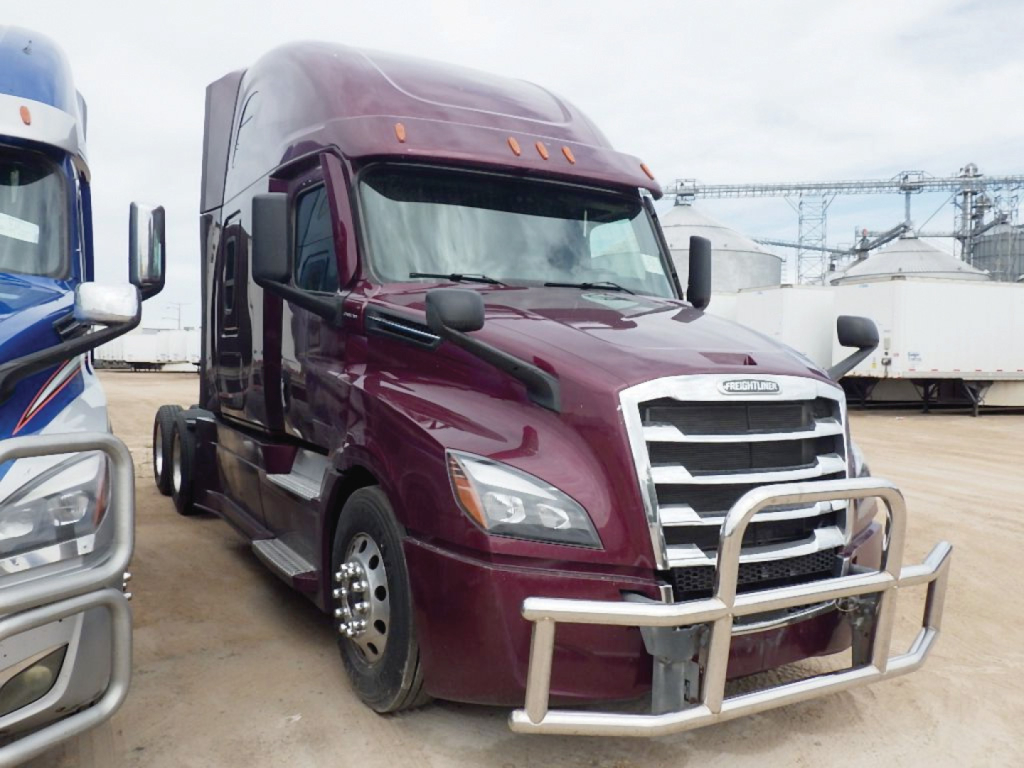
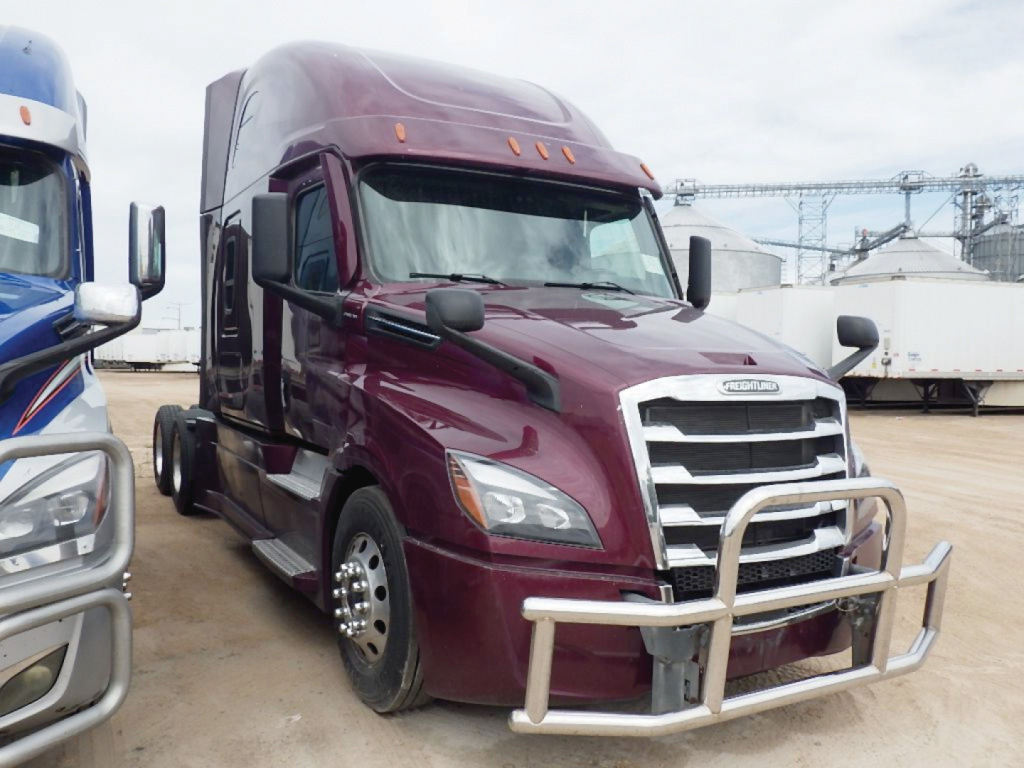
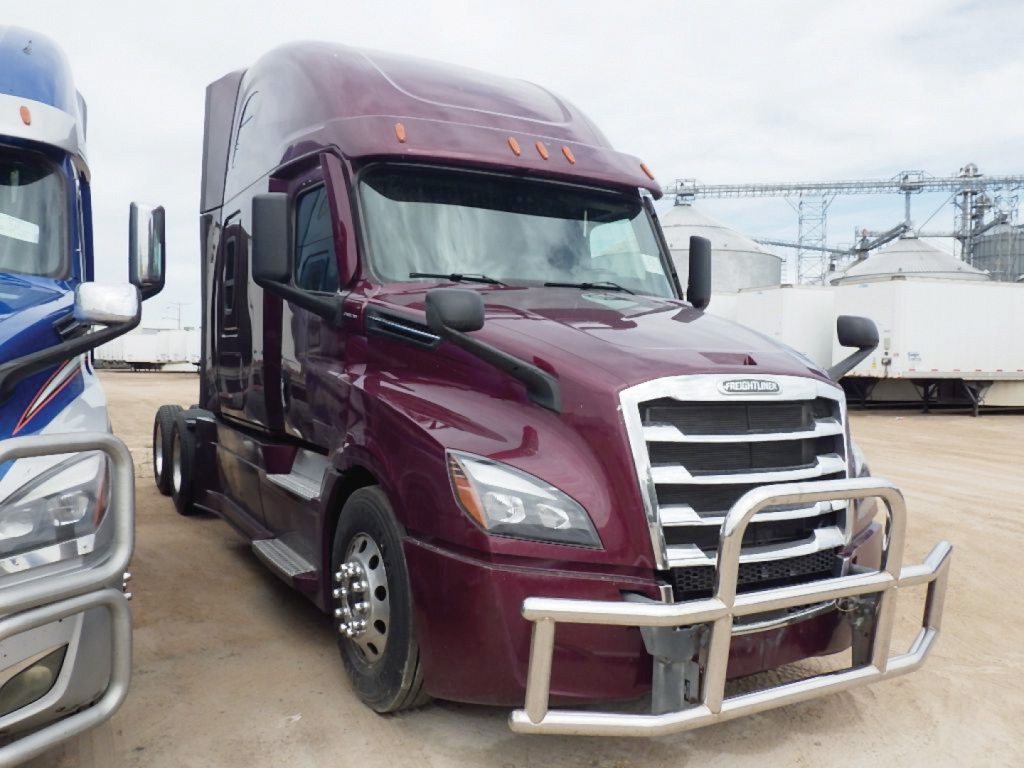
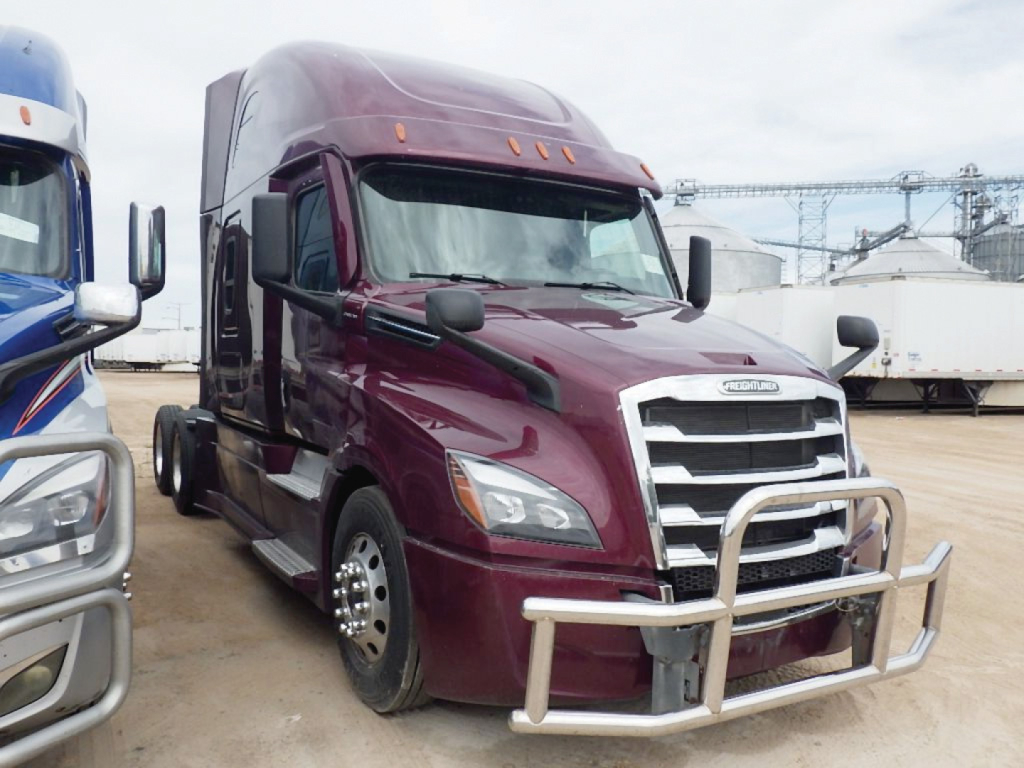
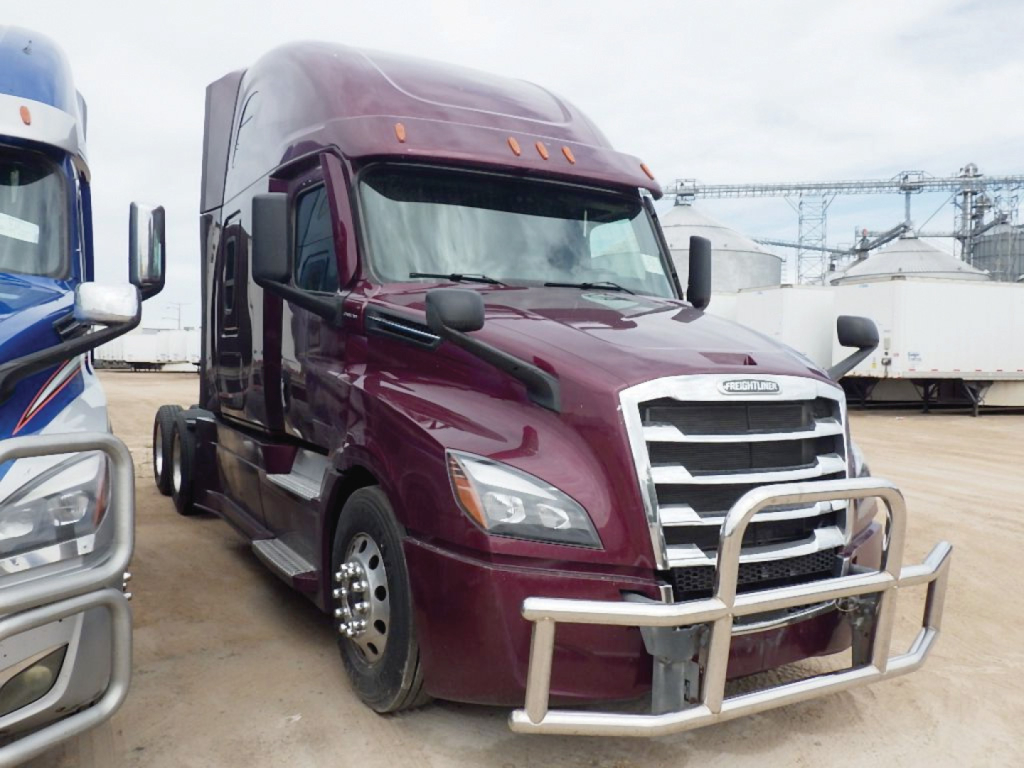
Have 2021 freightliner conventional sleeper truck to sell? List it here to reach thousands of buyers.
2021 Freightliner Conventional Sleeper Trucks in Illinois
The key buying decisions usually start with the powertrain. Many 2021 Freightliner sleepers are spec'd with the Detroit DD15 and an automated manual transmission such as the DT12. That combination is common because it balances horsepower, fuel efficiency, and driver acceptance across mixed terrain. Buyers should compare horsepower ratings, rear axle ratios, and wheelbase together instead of looking at any one number alone. A lower numerical axle ratio can favor fuel mileage on highway lanes, while a different ratio may better suit heavier gross weights, hill country, or more stop-and-go operation. A 40,000-pound rear axle setup and air ride suspension are standard fleet-friendly specs in this class.
Sleeper configuration is another major difference between trucks that may look similar on paper. Raised roof and mid-roof sleepers, often in the 60-inch to 72-inch range, affect storage, bunk layout, interior stand-up room, and total tractor weight. Buyers running team operations or extended regional lanes may prioritize dual bunks, bunk heaters, refrigerator prep, and interior storage. Drivers spending five or six nights a week in the truck will also notice the value of climate control systems, noise insulation, and cab layouts that make daily life easier. Wheelbase, sliding fifth wheel setup, and fairing package also matter because they influence trailer gap, bridge law flexibility, and aerodynamic performance.
For Illinois buyers, a 2021 Freightliner sleeper can be a practical fit for Midwest freight lanes that combine interstate miles, distribution center traffic, and all-season weather. Pay close attention to brake type, tire size, collision mitigation systems, and overall maintenance history, especially on high-mileage fleet tractors. Disc brakes, common safety tech, aluminum fuel tanks, and aerodynamic trim can all support uptime and operating cost control. The strongest value in this category usually comes from matching the truck's sleeper size, drivetrain spec, and axle ratio to the exact freight you plan to haul rather than simply chasing the newest badge or highest horsepower number.
Frequently Asked Questions about 2021 Freightliner Conventional Sleeper Trucks in Illinois
What engine and transmission are most common in a 2021 Freightliner conventional sleeper truck?
The most common setup is a Detroit DD15 paired with a Detroit DT12 automated manual transmission. This combination is widely used in over-the-road Freightliner Cascadia sleepers because it offers strong parts support, good fuel economy, and easier driver onboarding than a manual transmission. Exact horsepower and torque ratings vary by spec, so buyers should compare the engine rating with the rear axle ratio and intended gross combination weight.
Is a 2021 Freightliner sleeper good for long-haul freight?
Yes. A 2021 Freightliner conventional sleeper is well suited for long-haul applications, including van, reefer, and dedicated route work. The aerodynamic hood, integrated fairings, available 72-inch sleeper options, and Detroit powertrain packages are designed around highway efficiency and driver comfort. It is a strong fit for carriers that want a truck with broad service support and a familiar operating platform.
What sleeper size should I look for in a 2021 Freightliner Cascadia?
The right sleeper size depends on how the truck will be dispatched. A mid-roof or raised-roof sleeper in the 60-inch to 72-inch range is common. Larger sleepers generally provide better storage, more headroom, and better livability for extended trips or team driving. Smaller sleepers can reduce weight and may be adequate for shorter regional runs where the driver is home more often.
How important is rear axle ratio on a 2021 Freightliner conventional sleeper?
Rear axle ratio is one of the most important spec points because it affects cruise RPM, gradeability, startability, and fuel consumption. Ratios such as 2.79, 2.85, or 3.08 can produce very different operating characteristics even with the same engine and transmission. Highway-focused fleets often prefer faster ratios for fuel economy, while heavier or more demanding routes may benefit from a deeper ratio that improves pulling performance.
What should I inspect first on a used 2021 Freightliner sleeper in Illinois?
Start with maintenance records, engine hours, fault code history, emissions system service, and the condition of the transmission and clutch actuators if equipped with an automated manual. Then inspect tires, brakes, suspension, fifth wheel wear, and signs of frame or fairing damage. In Illinois and the broader Midwest, it is also smart to look closely for corrosion, winter-related wear, and evidence of heavy idle time, since those factors can affect total operating cost after purchase.