
2021 Kenworth Conventional Sleeper Trucks For Sale
Shop 2021 Kenworth conventional sleeper trucks, including T680 configurations with aero specs, high-roof sleepers, and fuel-efficient long-haul setups.
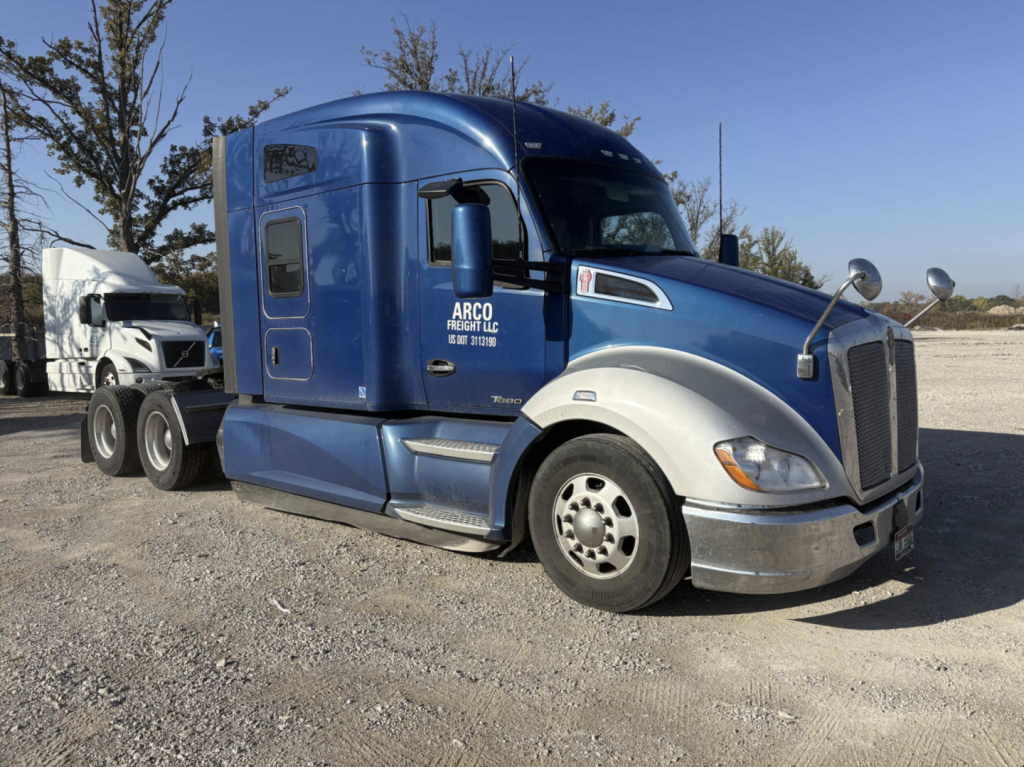
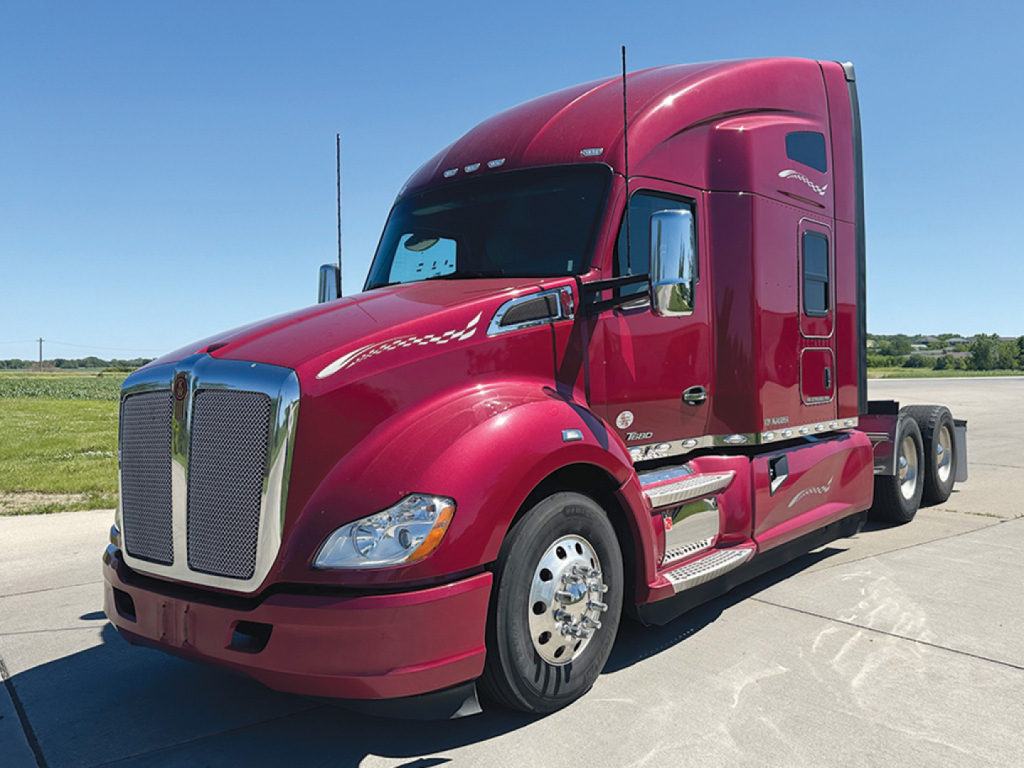
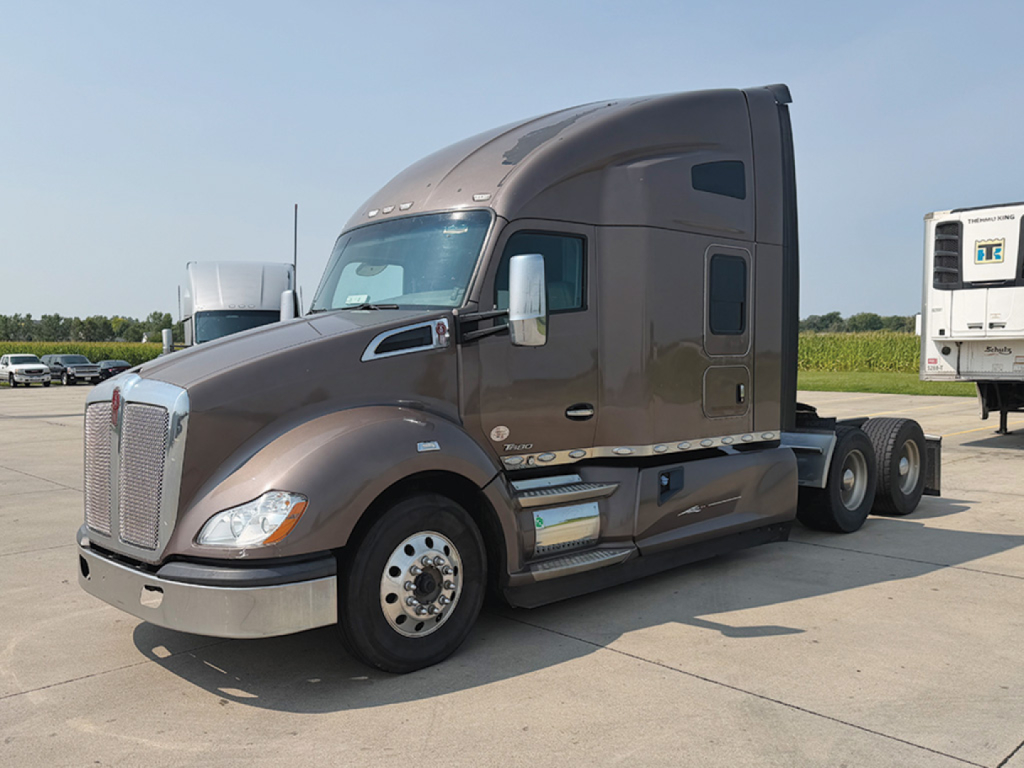
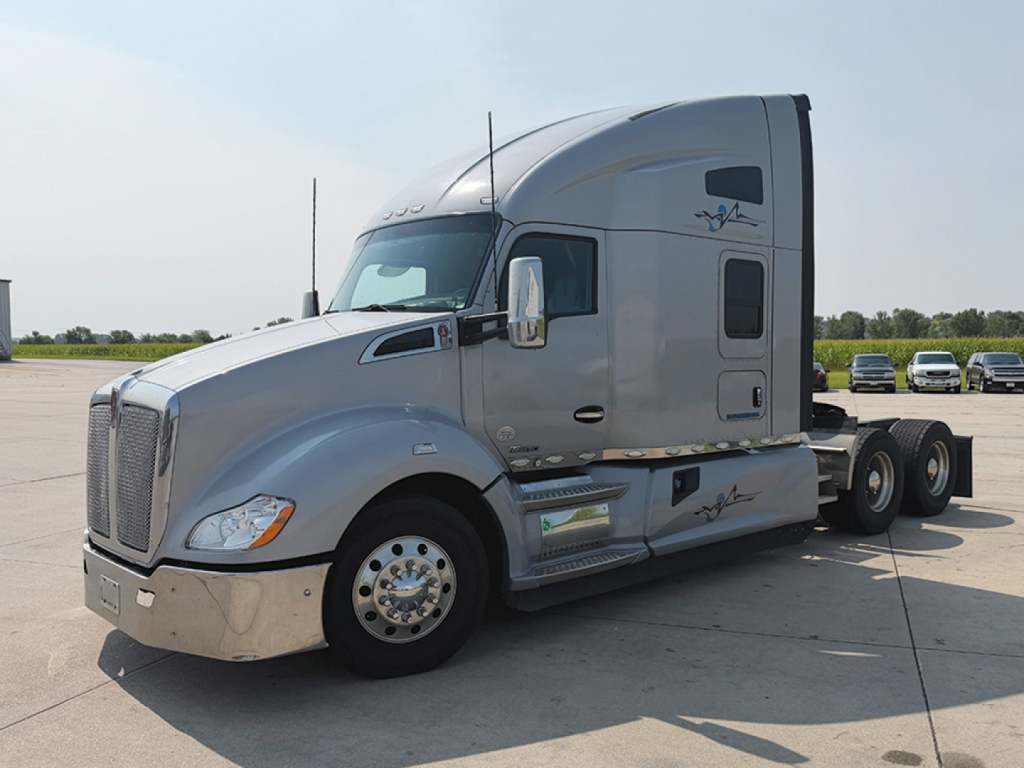
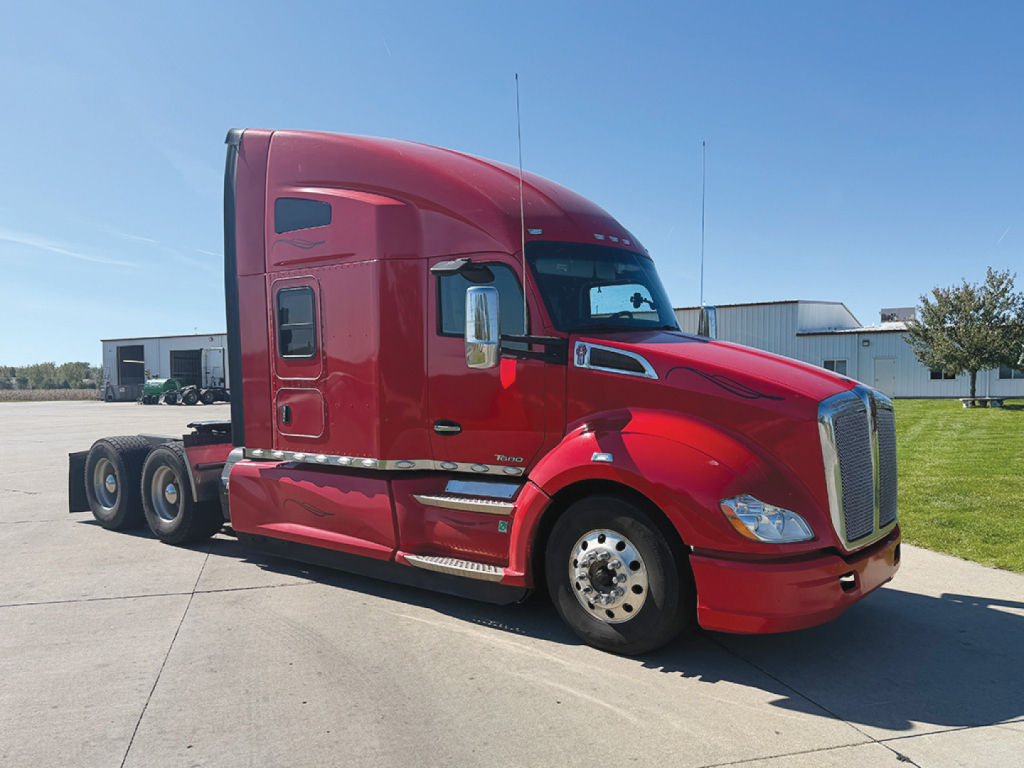
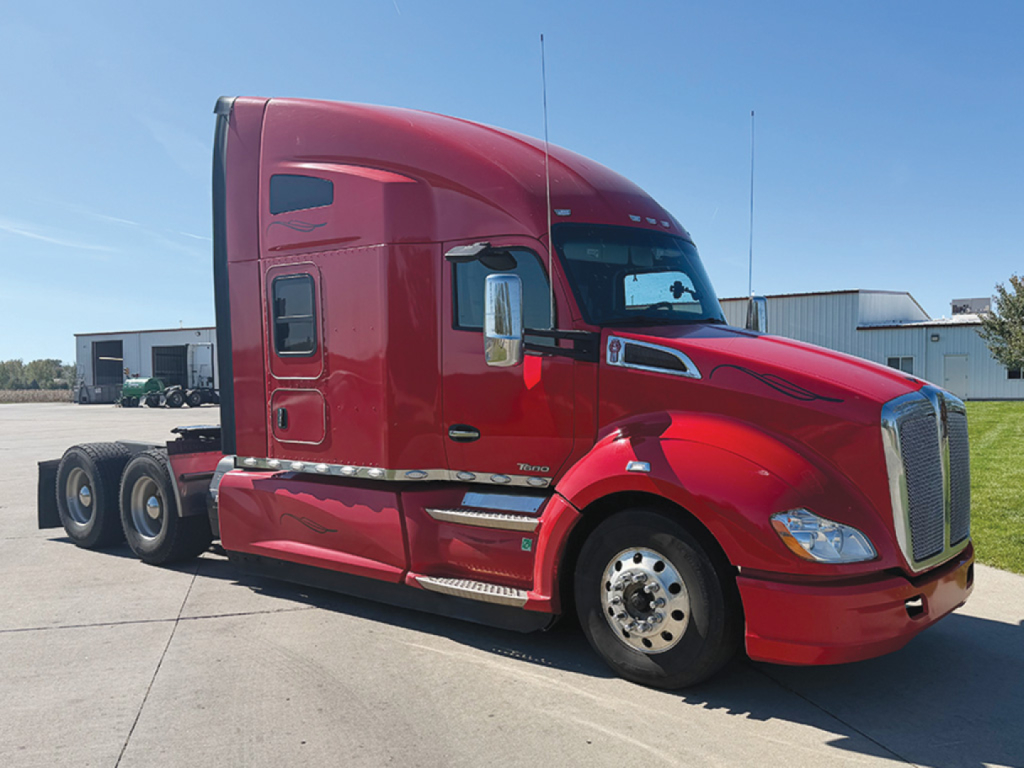
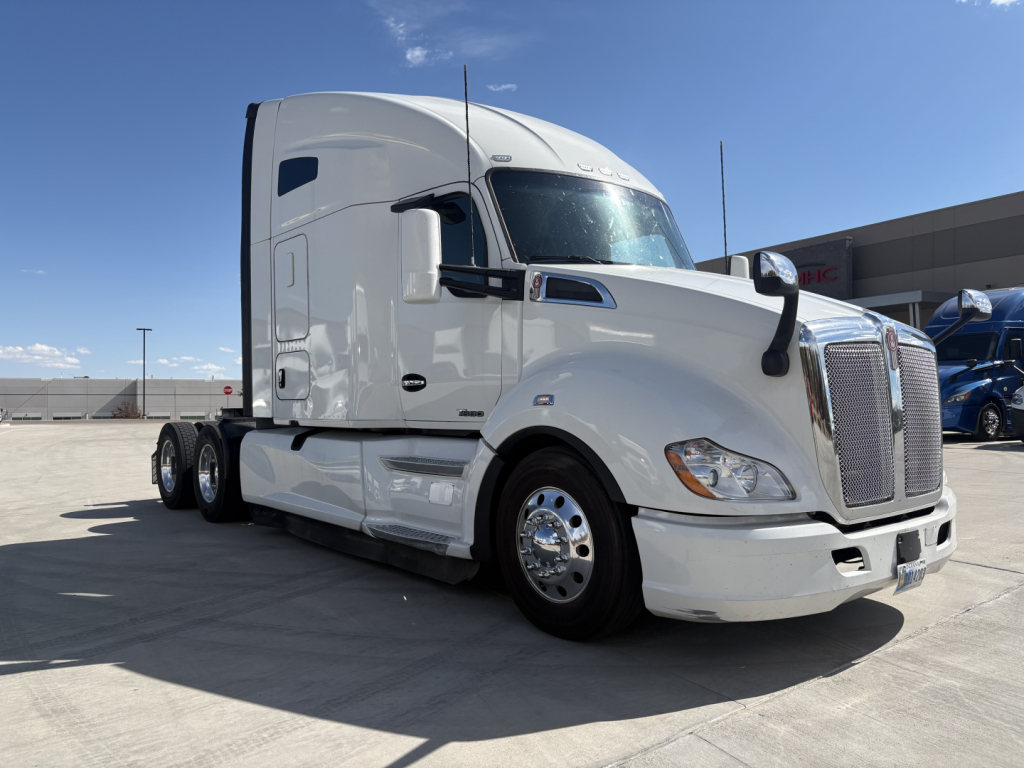
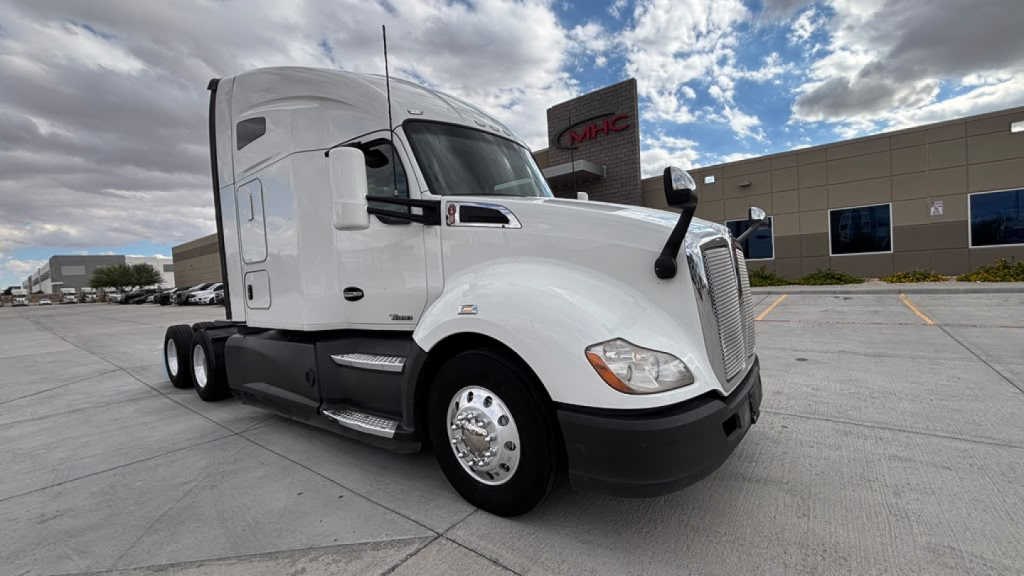
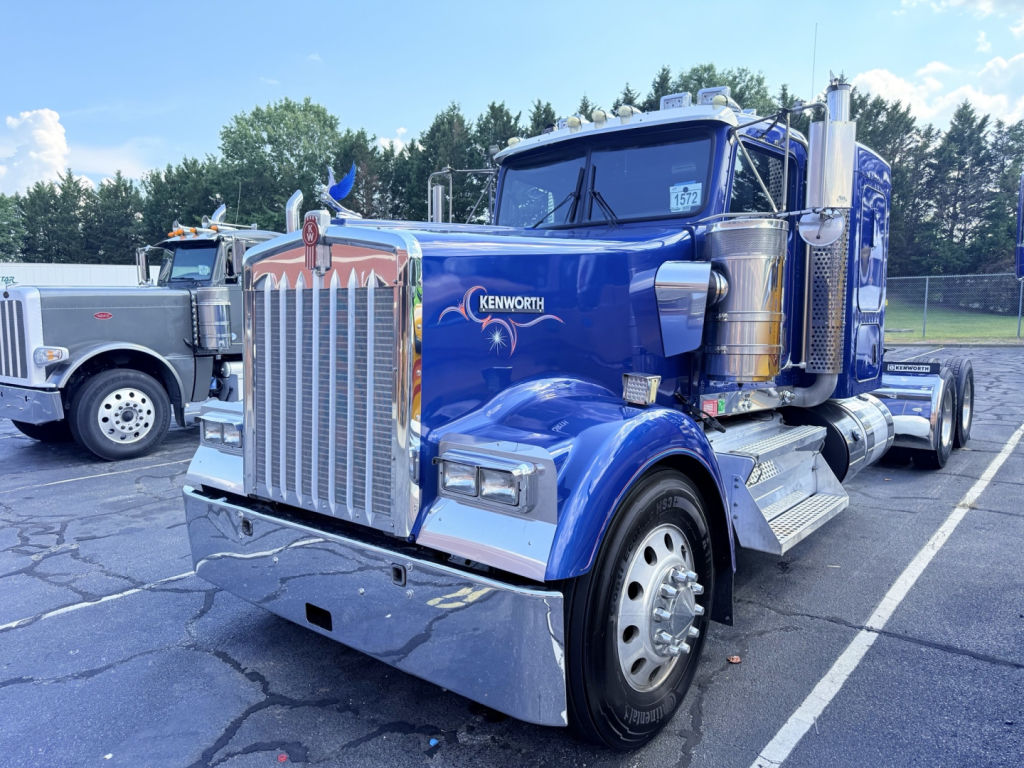
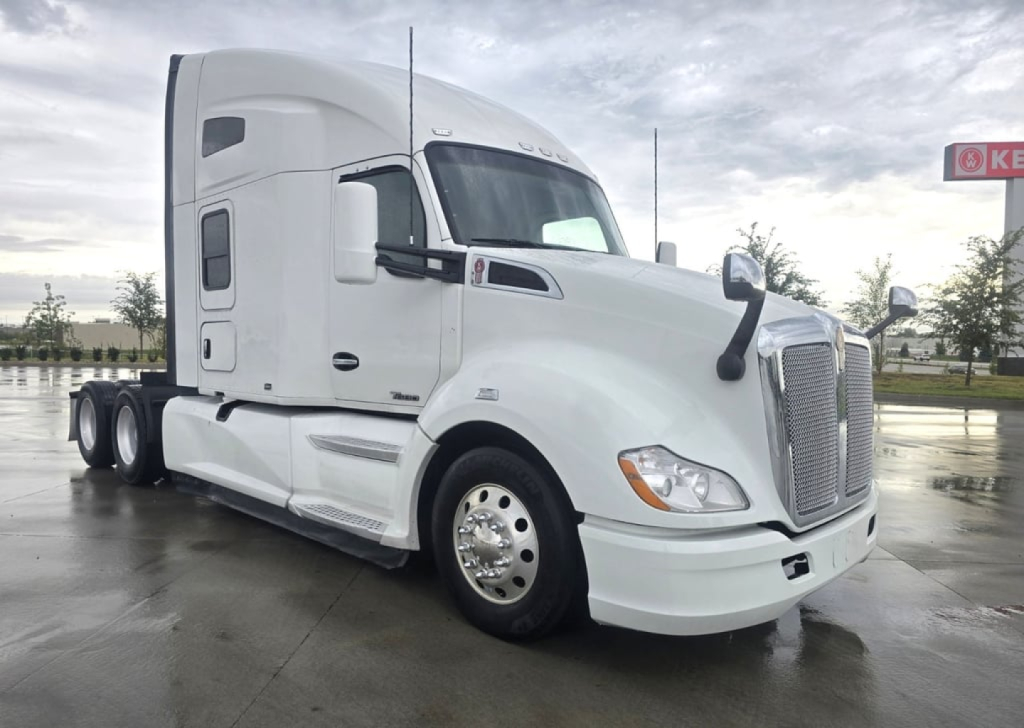
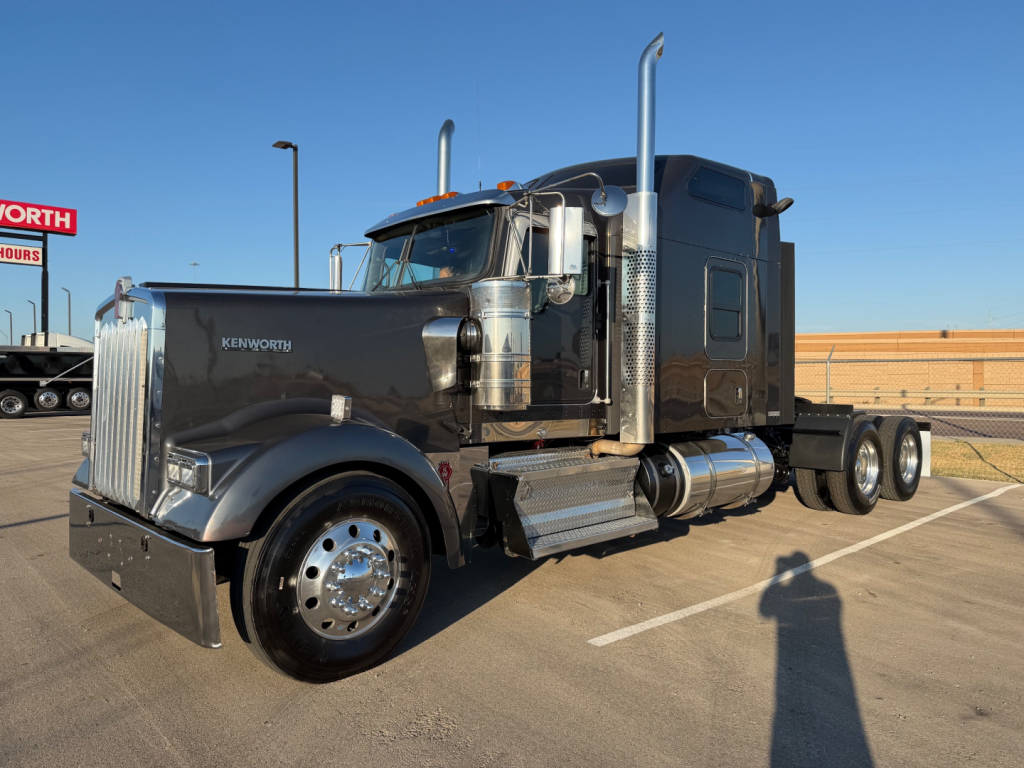
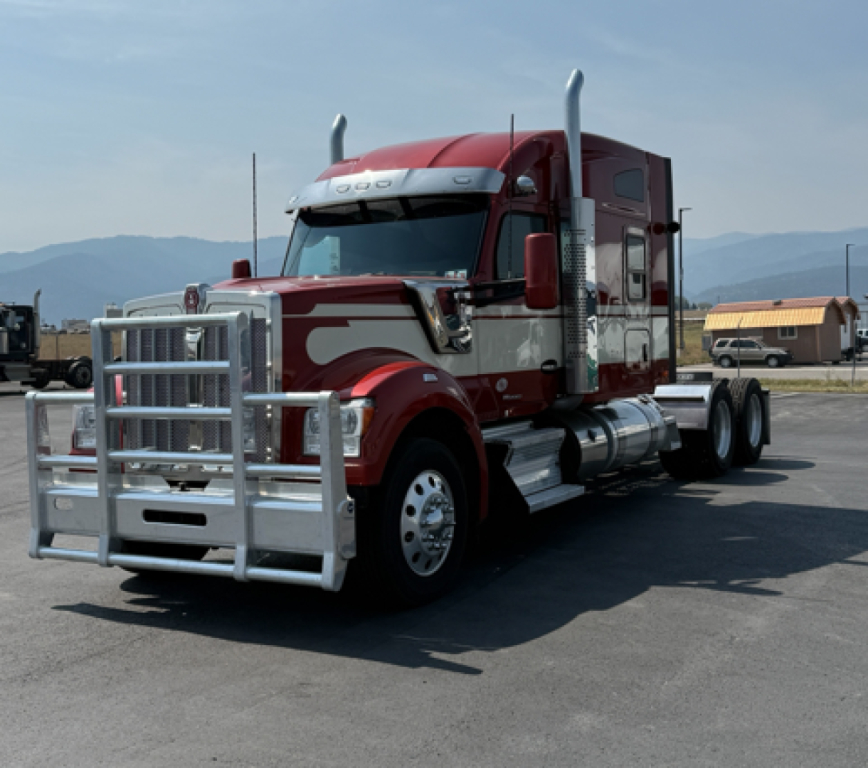

Selling a 2021 kenworth conventional sleeper truck? List your 2021 kenworth conventional sleeper truck for sale and reach thousands of commercial buyers.
2021 Kenworth Conventional Sleeper Trucks
Powertrain choice is one of the biggest buying decisions in this category. Many 2021 Kenworth sleepers are equipped with either the PACCAR MX-13 or Cummins X15, generally in the 400 to 455 horsepower range for fleet-oriented linehaul use, though heavier vocational or specialized haul specs can run higher. Automated transmissions are common, including 10-speed AutoShift and 12-speed or 16-speed automated options depending on the spec. Rear axle ratings around 40,000 pounds and highway gearing such as 2.64 or 2.79 ratios are typical for fuel-conscious over-the-road work. Buyers should match axle ratio, wheelbase, and engine rating to the freight profile. A long wheelbase and tall sleeper may suit team or long-haul operations, while a tighter wheelbase can be easier to live with in regional and drop-and-hook applications.
Spec details matter on a used 2021 Kenworth sleeper because they affect both operating cost and resale. Disc brakes, low-profile 22.5 tires, aluminum wheels, air ride suspension, and collision mitigation systems show up on many well-equipped units. Inside the cab, features like bunk heaters, refrigerators, workstations, digital dash layouts, premium interiors, and tilt-telescoping steering columns can make a real difference in driver retention. Aerodynamic packages with fairings and horizontal exhaust help support fuel economy, while practical options such as quarter fenders, power windows, engine brakes, and hydraulic steering remain standard expectations for most fleet buyers.
A smart comparison starts with engine history, transmission calibration, emissions maintenance, and sleeper condition, then moves to wheelbase, fifth wheel travel, and suspension spec. For a 2021 Kenworth conventional sleeper, buyers should pay close attention to service records for aftertreatment components, overhead history, software updates, and any signs of hard idle-heavy use. If the truck will pull mainly van or reefer trailers, an aero T680 with highway gearing is usually the natural fit. If the operation includes specialized freight, higher gross weights, or more demanding terrain, look closely at horsepower, torque, cooling package, and axle configuration to make sure the truck is spec'd for the job rather than simply the lane.
Frequently Asked Questions about 2021 Kenworth Conventional Sleeper Trucks
What engine options are common in a 2021 Kenworth conventional sleeper truck?
The most common engines in a 2021 Kenworth conventional sleeper are the PACCAR MX-13 and the Cummins X15. In linehaul sleeper specs, these engines are often set between 400 and 455 horsepower, though some heavier-haul applications may be higher. The right choice depends on your freight, terrain, preferred service network, and whether you prioritize fuel economy, torque delivery, or parts familiarity across your fleet.
Is a 2021 Kenworth T680 a good fit for long-haul freight?
Yes. The 2021 Kenworth T680 is designed primarily for over-the-road use and is one of the most common aero sleeper trucks in long-haul service. High-roof sleeper layouts, aerodynamic bodywork, automated transmissions, and highway axle ratios make it well-suited for van, reefer, and dedicated route operations where fuel economy and driver comfort are important.
What sleeper size is typical on a 2021 Kenworth conventional sleeper?
A 76-inch high-roof sleeper is one of the most common configurations in this category. That size gives enough room for an upper bunk, storage, and driver amenities such as a refrigerator, bunk heater, and workstation depending on the spec. For team driving or extended over-the-road runs, sleeper layout and interior condition should be evaluated just as closely as the drivetrain.
What should buyers inspect first on a used 2021 Kenworth sleeper?
Start with maintenance documentation, engine hours, mileage, and emissions-system service history. Then inspect the transmission operation, clutch calibration if equipped, fifth wheel condition, suspension wear, brake type and remaining life, tire wear pattern, and sleeper interior condition. On a 2021 model, aftertreatment performance, software updates, and signs of excessive idle time are especially important because they can affect reliability and operating cost.
What axle ratios are common on 2021 Kenworth sleeper trucks, and why do they matter?
Highway-focused 2021 Kenworth sleepers commonly carry ratios such as 2.64 or 2.79 with 40,000-pound rear axles. These ratios help keep engine rpm lower at cruising speed, which supports fuel economy on long runs. Buyers hauling heavier loads or operating in hillier regions may need a different ratio to improve startability and grade performance, so axle ratio should always be matched to the application rather than treated as a minor detail.