
2021 Conventional Sleeper Trucks For Sale in Nevada
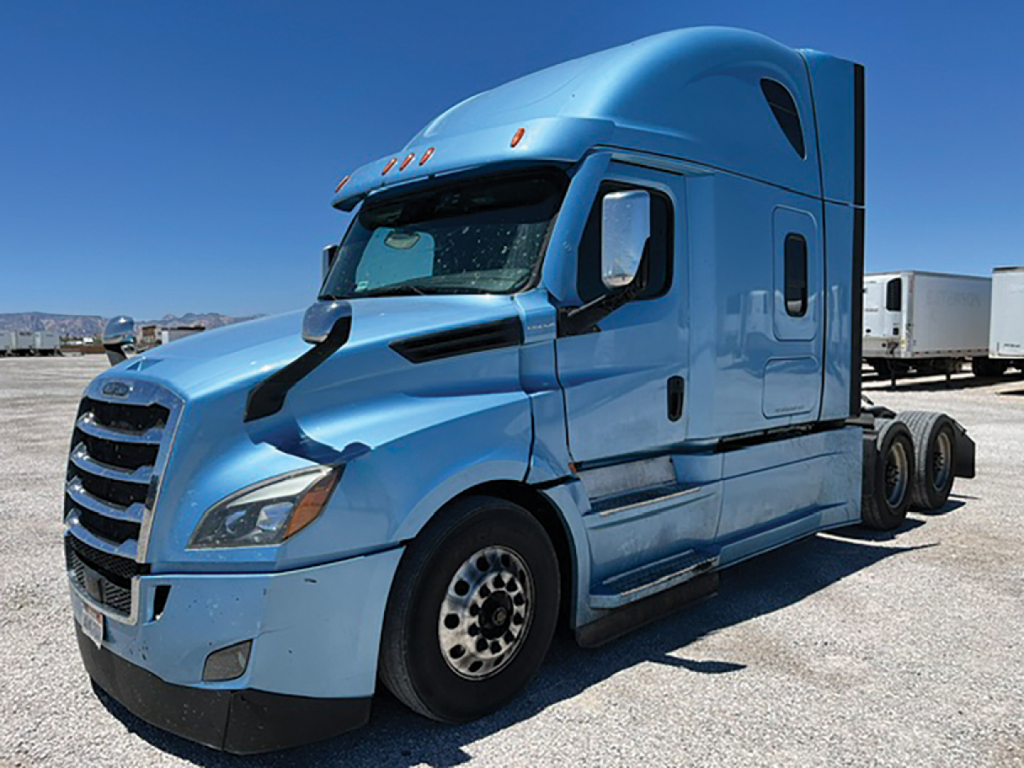

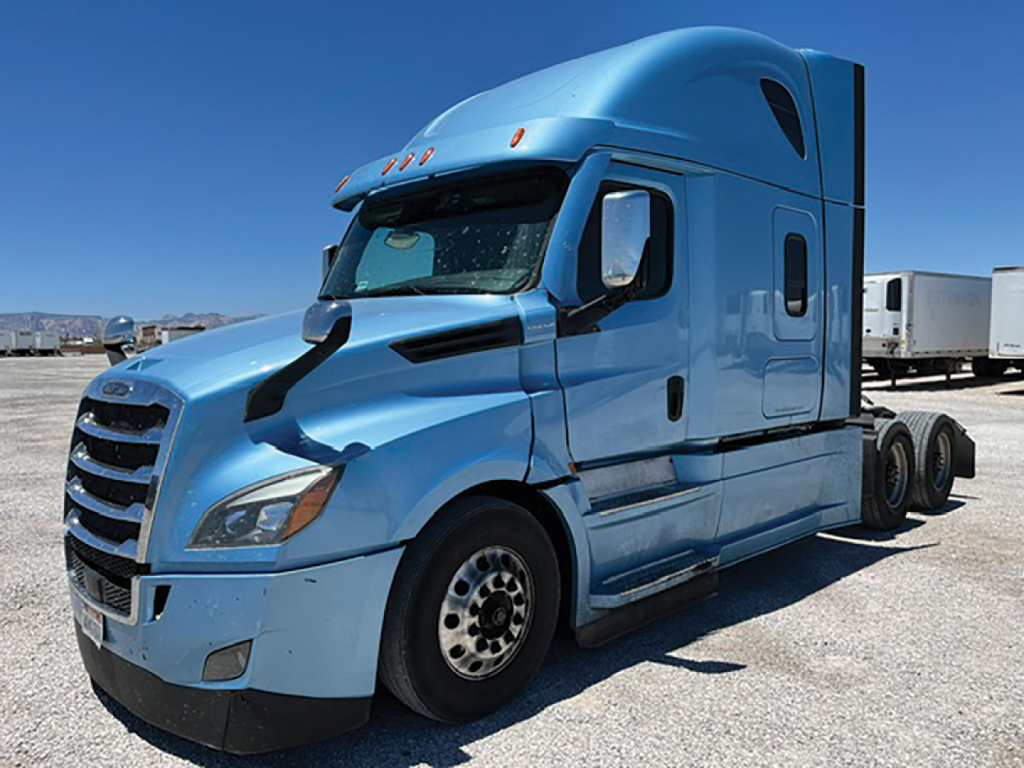
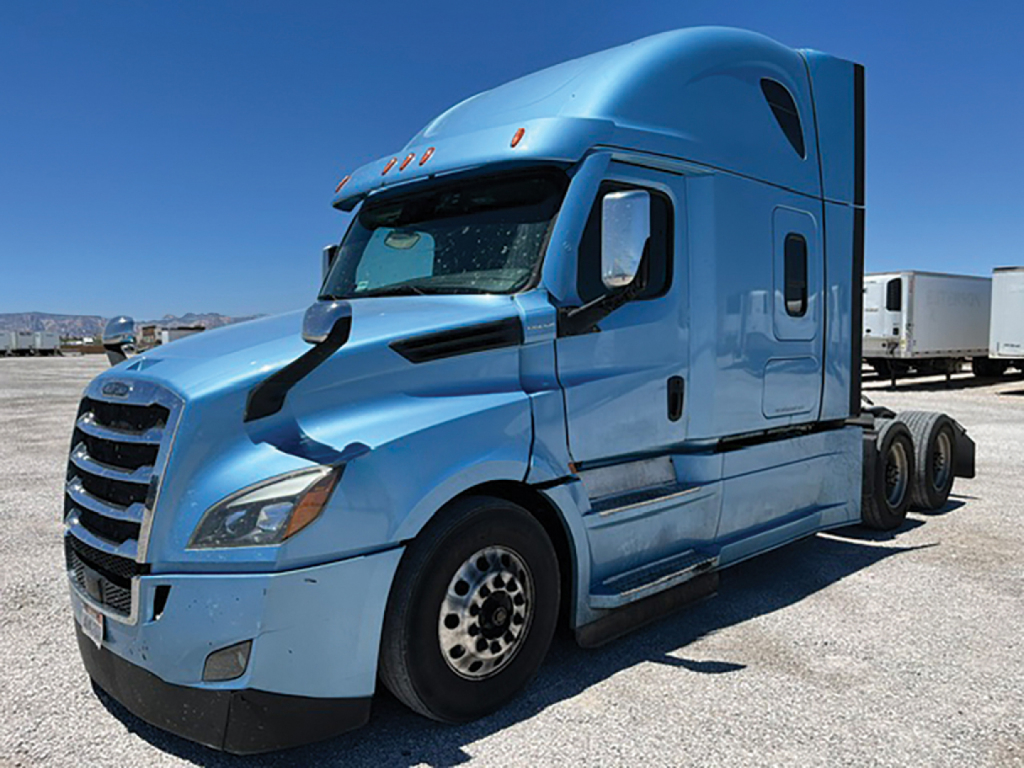
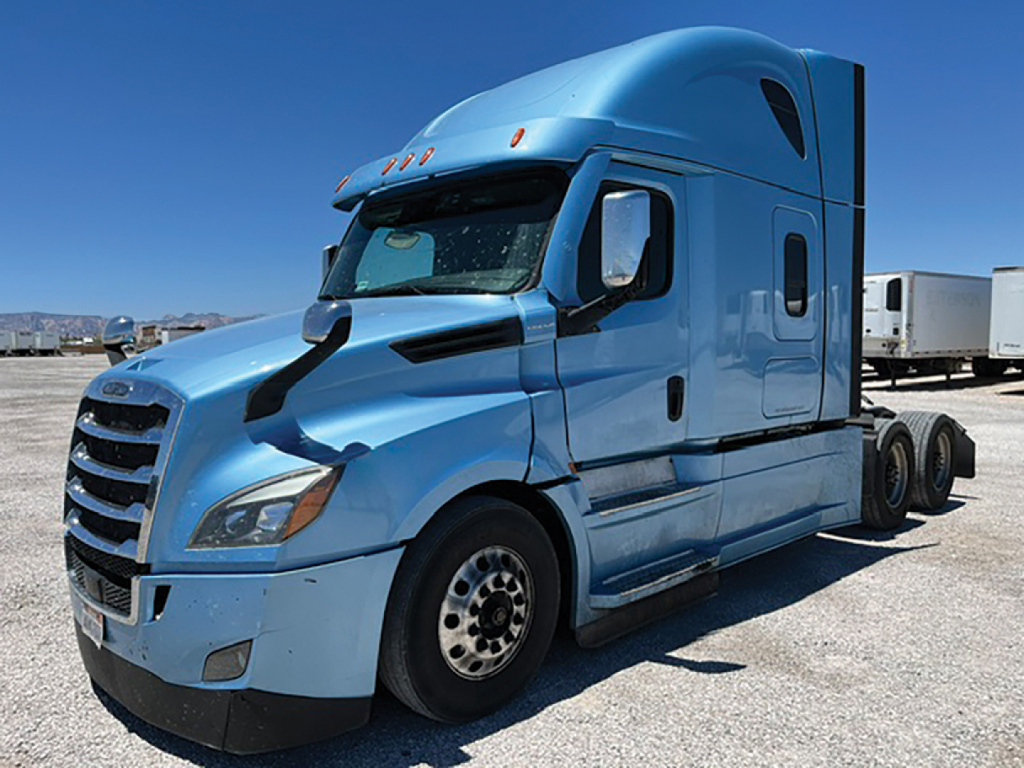
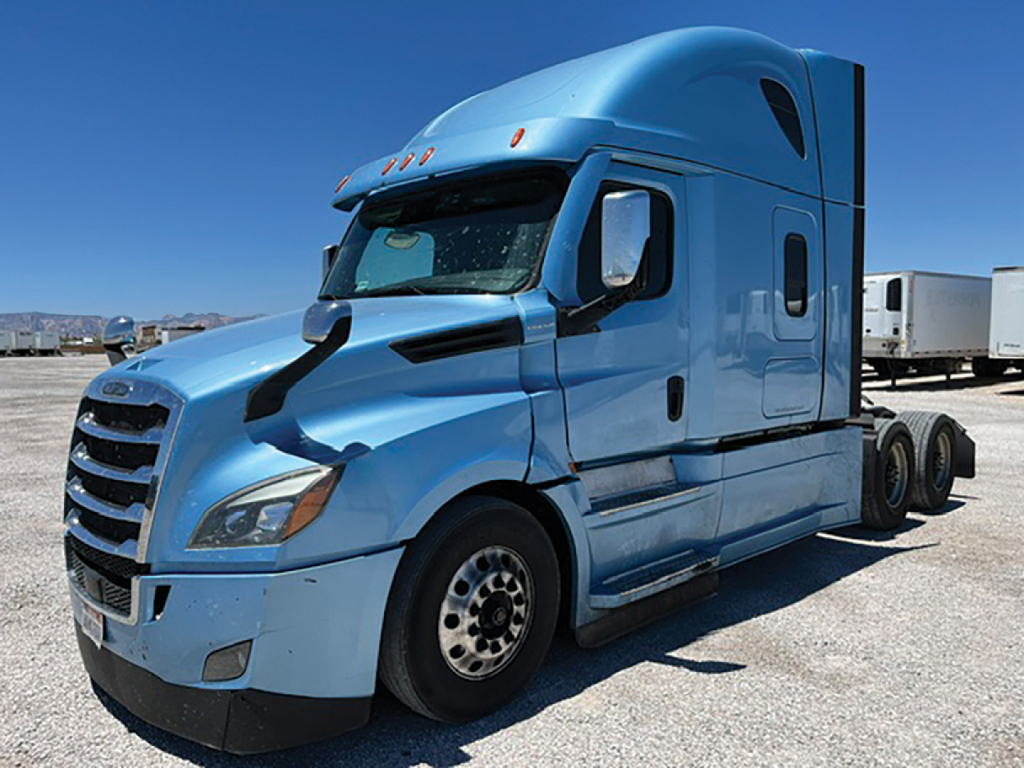
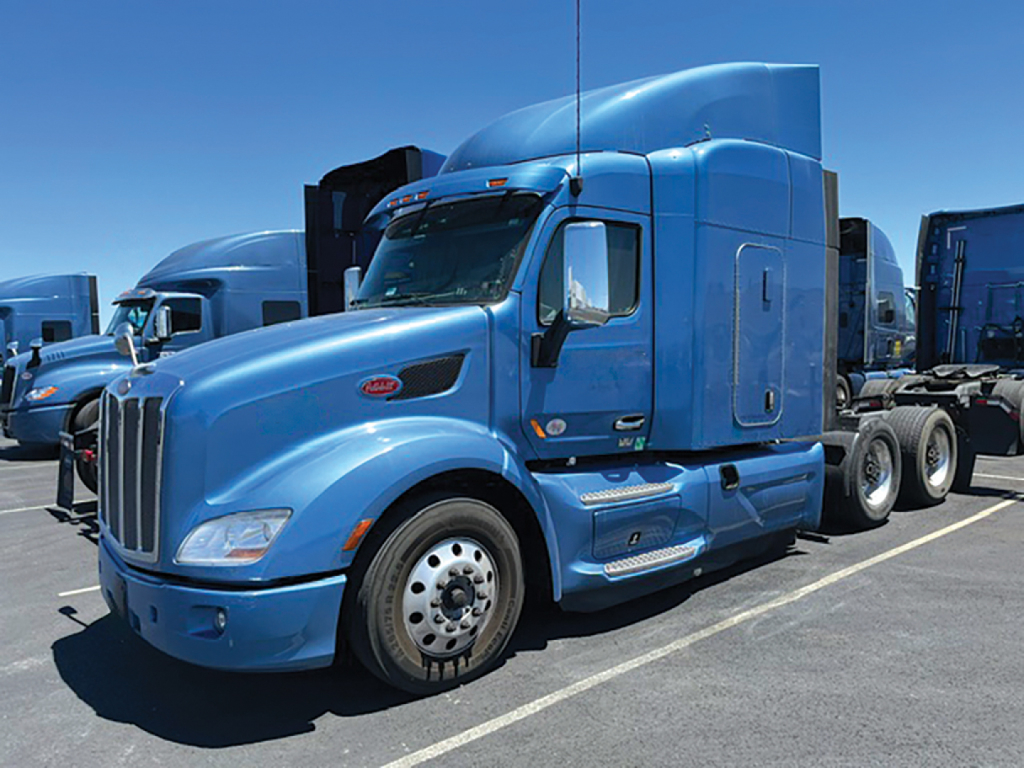
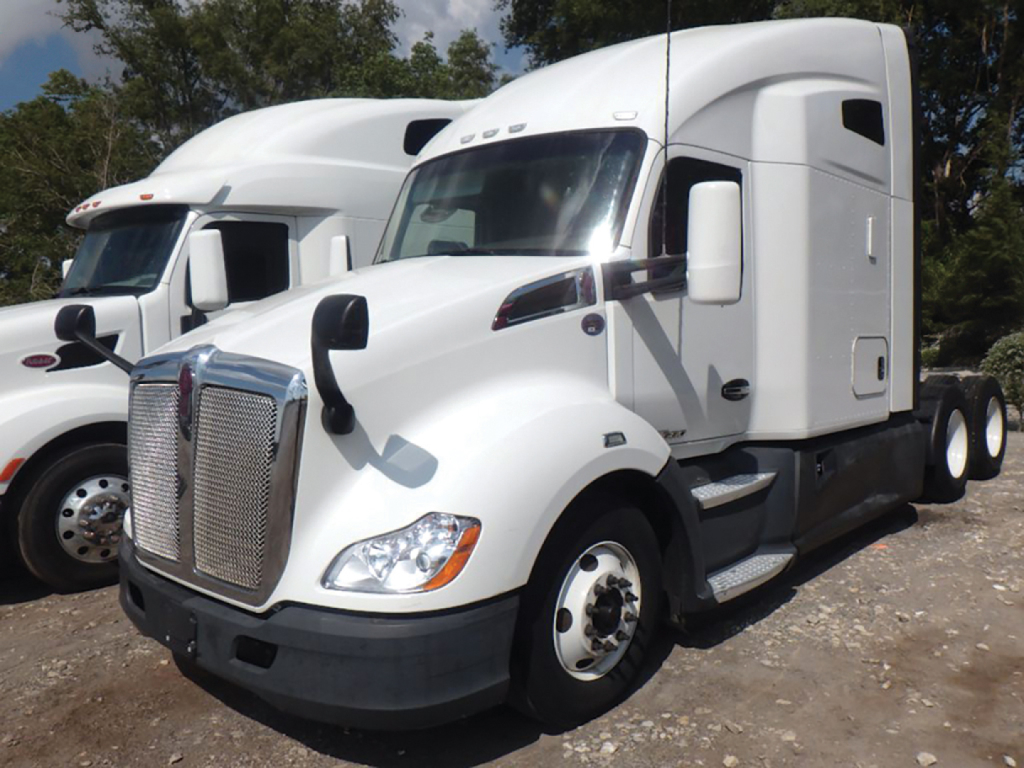
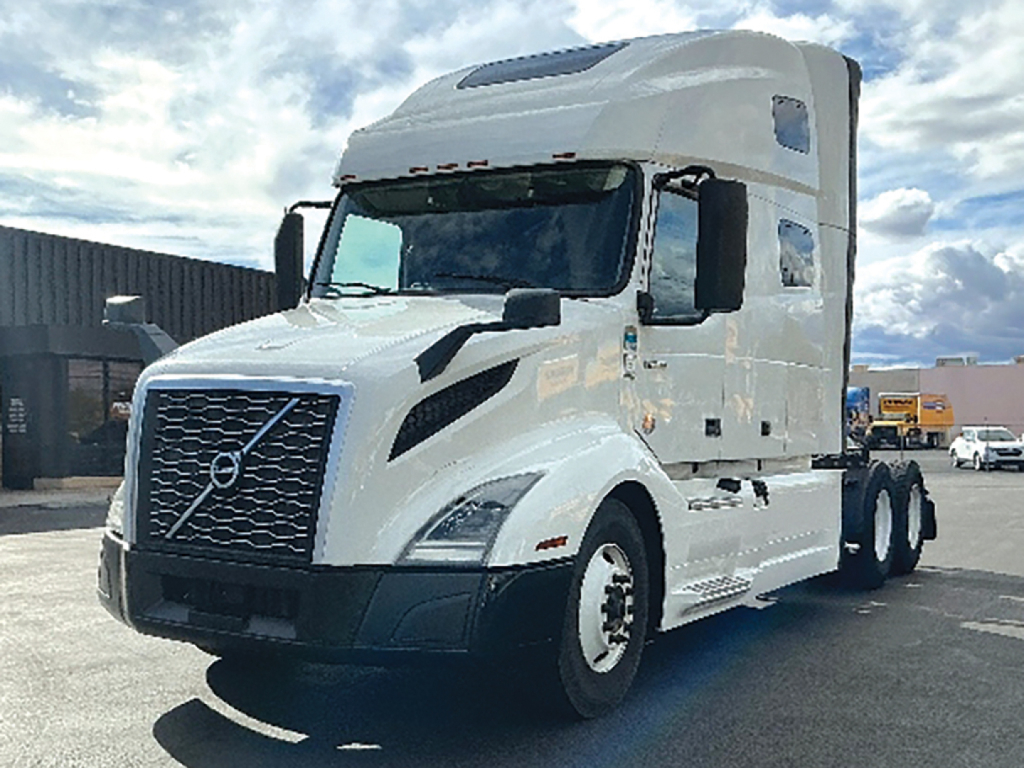
Have 2021 conventional sleeper truck to sell? List it here to reach thousands of buyers.
2021 Conventional Sleeper Trucks in Nevada
Most 2021 conventional sleepers are spec'd with 72-inch to 80-inch raised-roof sleepers, 400 to 505 horsepower diesel engines, and automated manual transmissions, though some fleets still prefer manuals. Common engine platforms in this age range include Detroit DD13 and DD15, Cummins X15, PACCAR MX-13, and Navistar A26, paired with 12-speed AMTs or 10-speed and 13-speed manual transmissions. Typical rear axle ratings are 40,000 pounds with ratios like 2.64, 2.85, or 3.08, and those numbers directly affect how the truck performs. A tall rear ratio usually helps highway fuel mileage, while a slightly deeper ratio can improve launch and pulling performance in mountain and heavy gross conditions.
Buyers comparing 2021 sleeper tractors should look closely at wheelbase, sleeper layout, brake spec, and fifth wheel configuration before focusing only on engine make. Wheelbases around 228 to 240 inches are common in fleet highway specs and work well for van, reefer, and general freight trailers. Air ride suspension, sliding fifth wheels, dual aluminum fuel tanks, and 22.5 low-profile tires are standard features in many trucks in this category. Disc brakes, collision mitigation, lane departure systems, and adaptive cruise became much more common by 2021, and those features can matter for both insurance and driver acceptance. Inside the cab, details like upper bunks, bunk heaters, inverter prep, cabinet space, and noise insulation make a real difference on multi-day runs.
For Nevada buyers, cooling system condition, APU or idle management setup, and fairing integrity deserve extra attention because hot-weather operation exposes weak spots quickly. A 2021 conventional sleeper is often a strong fit for regional western freight, long-haul dry van, refrigerated work, and dedicated contract lanes where aerodynamics and uptime drive profitability. The best spec depends on the freight and route. A lighter, fuel-focused 6x4 with a direct-drive automated transmission may be right for high-mileage van freight, while a higher-horsepower truck with a stronger engine brake and more aggressive axle ratio may be the better choice for heavier loads and frequent mountain grades.
Frequently Asked Questions about 2021 Conventional Sleeper Trucks in Nevada
What is a 2021 conventional sleeper truck best used for?
A 2021 conventional sleeper truck is best suited for over-the-road freight that requires overnight accommodation for the driver. This includes dry van, reefer, dedicated contract freight, and many regional western routes. The sleeper compartment allows multi-day operation without relying on day-cab scheduling, while the aerodynamic hood and fairings are designed to reduce fuel burn on highway miles.
What engine and transmission specs are common in 2021 conventional sleepers?
Many 2021 conventional sleeper tractors fall in the 400 to 505 horsepower range with 12-liter to 15-liter diesel engines. Common combinations include Detroit, Cummins, PACCAR, and Navistar engines paired with automated manual transmissions such as a 12-speed, though manual transmissions are still found in some applications. Rear axle ratios often range from 2.64 to 3.08 depending on the intended balance between fuel economy and pulling performance.
How important is sleeper size on a conventional sleeper truck?
Sleeper size matters because it directly affects driver comfort, storage, and suitability for the length of haul. Raised-roof sleepers in the 72-inch to 76-inch range are common because they provide standing room, bunk space, and room for cabinets or appliances without making the truck overly specialized. For teams or extended over-the-road work, an upper bunk, bunk heater, and practical storage layout can be just as important as the drivetrain.
What should buyers inspect on a used 2021 sleeper tractor in Nevada?
In Nevada, buyers should pay close attention to cooling performance, air conditioning output, charge air system integrity, and the condition of exterior fairings and seals. Long hot-weather operation can expose weaknesses in radiators, condensers, hoses, and idle management equipment. It is also smart to review brake wear, tire condition, emissions system service history, and any active fault codes, especially on trucks that have spent time on long western grades and high-mileage lanes.
Are 2021 conventional sleeper trucks usually equipped with newer safety technology?
Yes, many 2021 conventional sleepers include more advanced driver-assist systems than older highway tractors. Depending on the spec, that can include collision mitigation, adaptive cruise control, lane departure warning, and electronic stability systems. These features do not replace driver skill, but they can improve fleet safety performance, support driver retention, and affect insurance considerations.