
Kenworth Conventional Sleeper Trucks For Sale in Texas
Shop Kenworth conventional sleeper trucks in Texas. Compare T680 specs, sleeper sizes, powertrain options, and long-haul features.
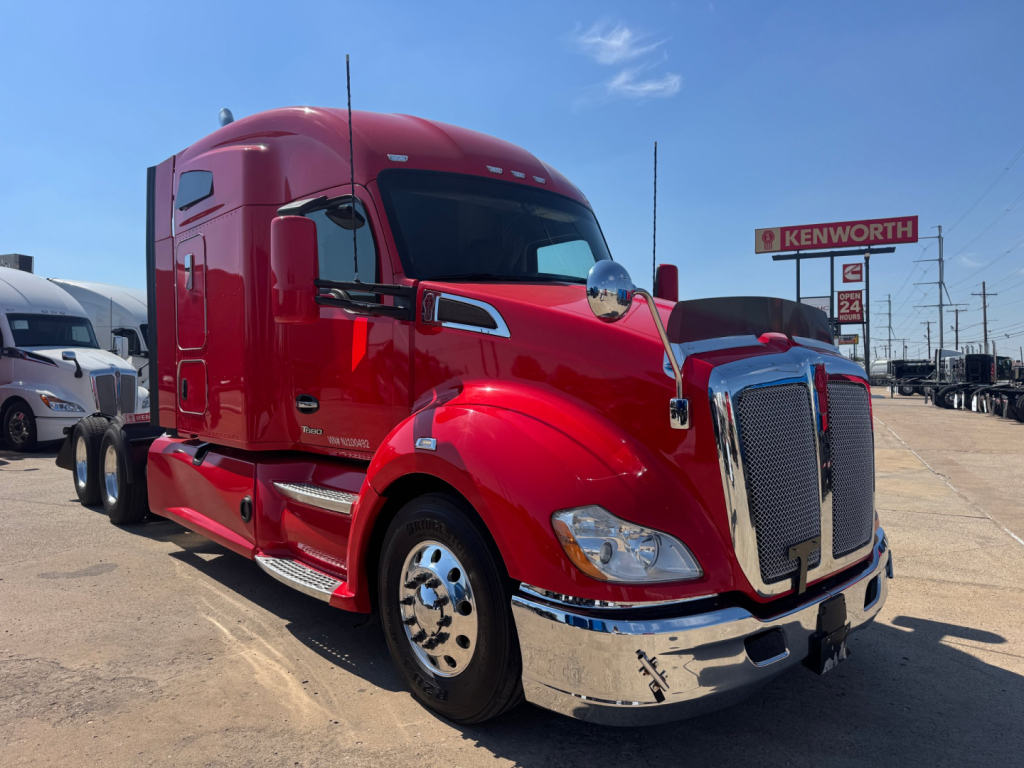
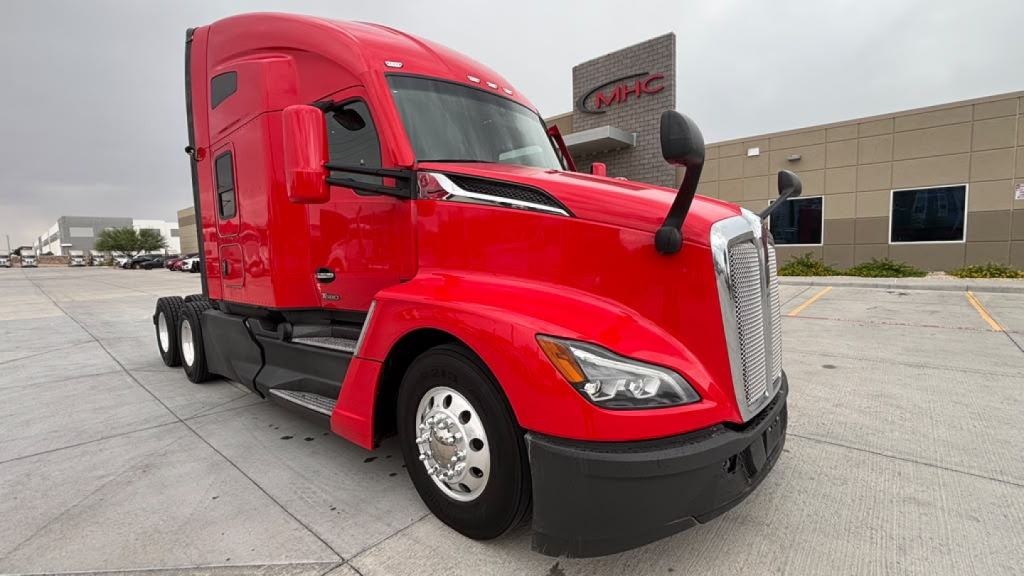
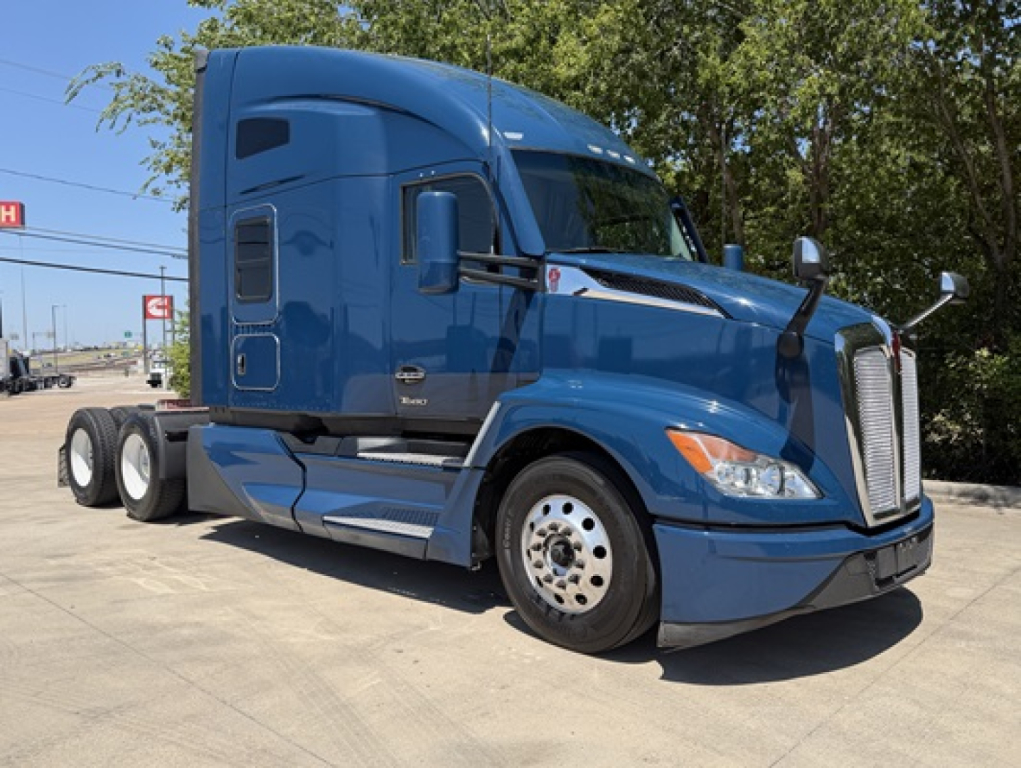
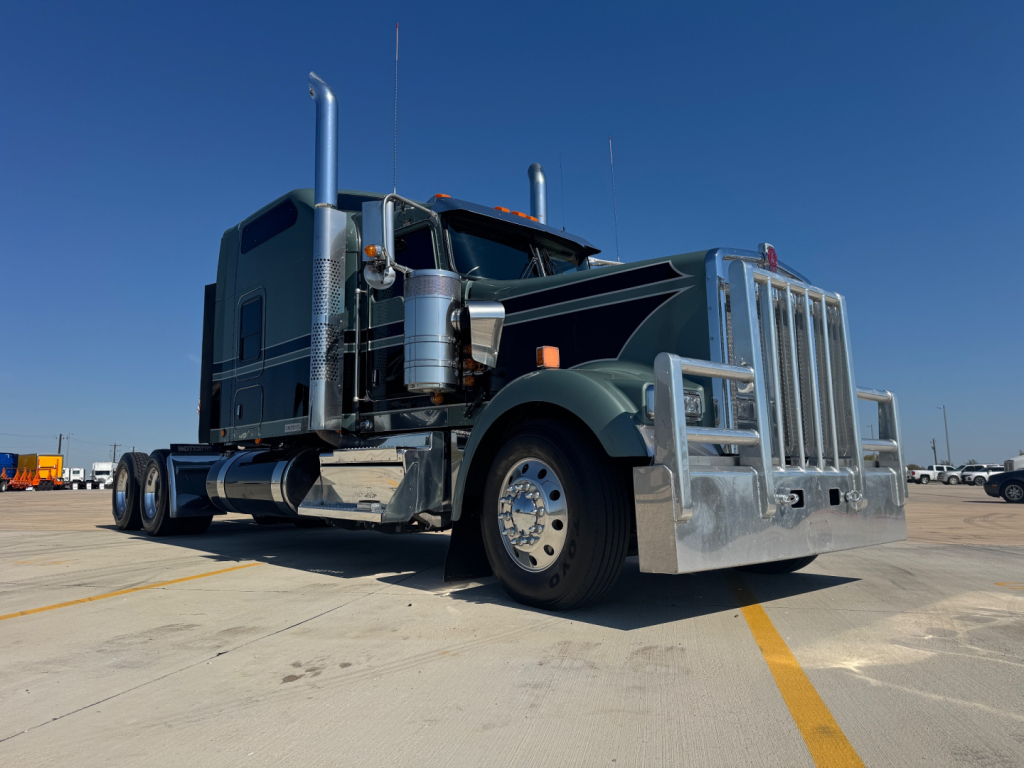
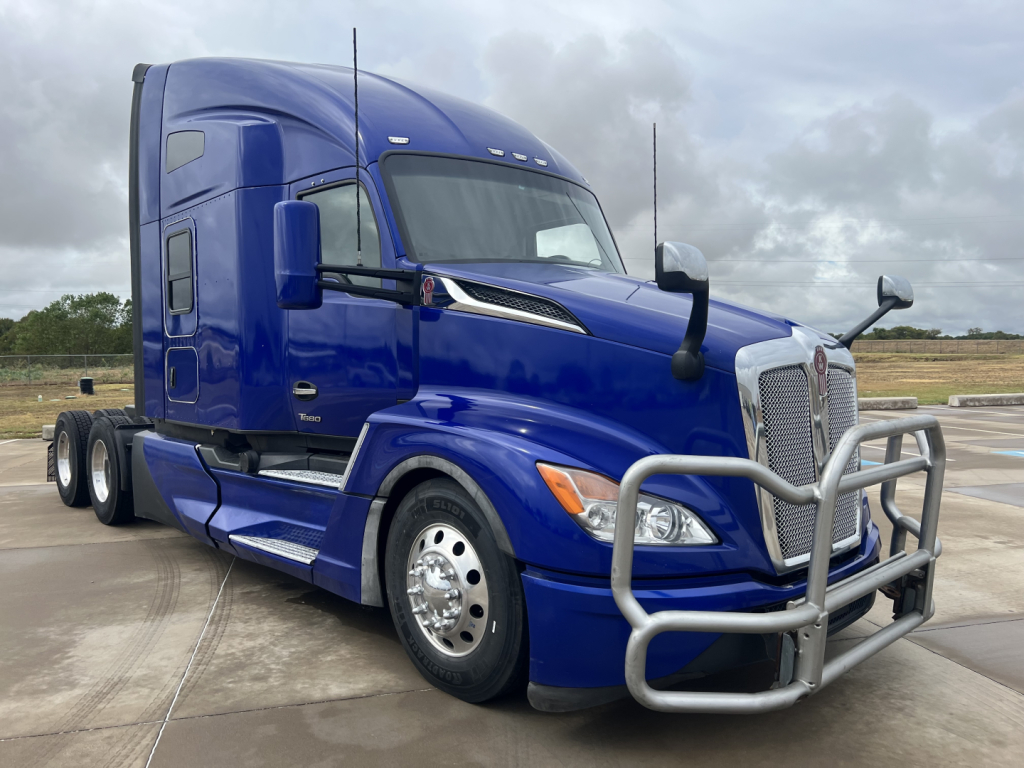
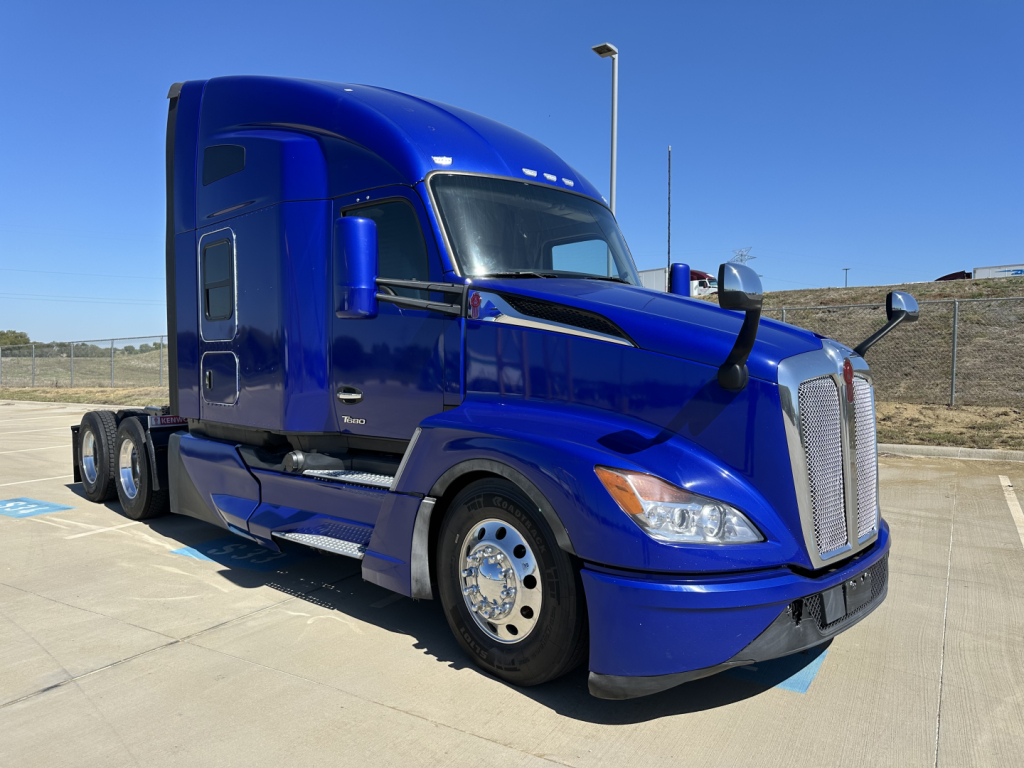
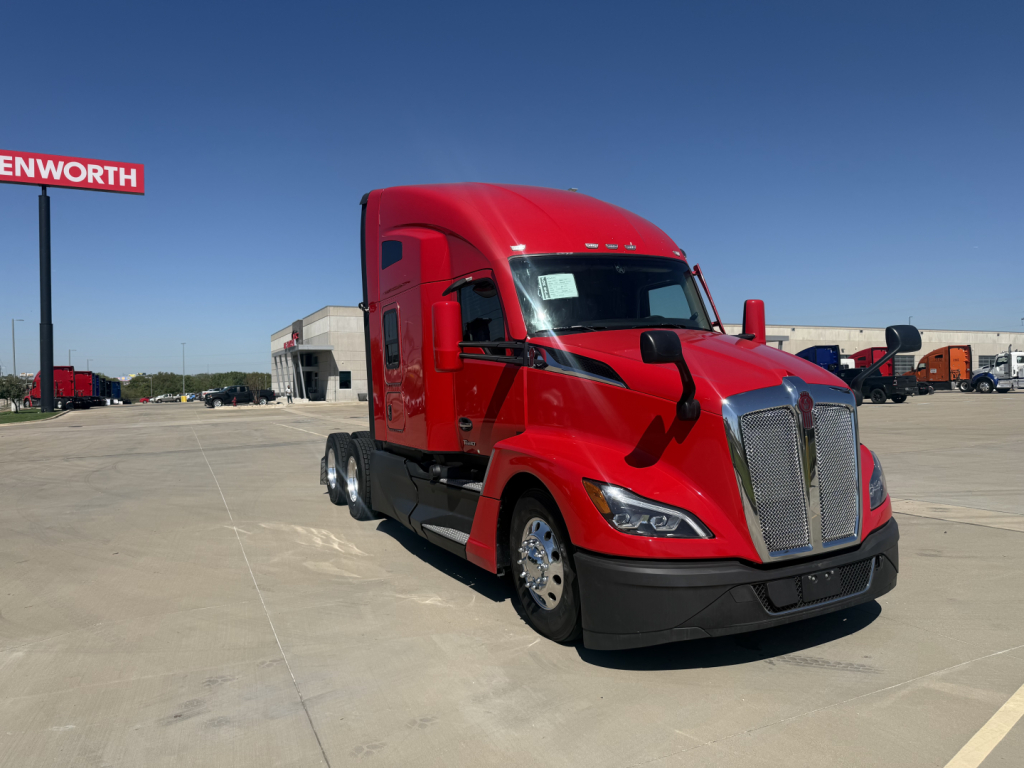
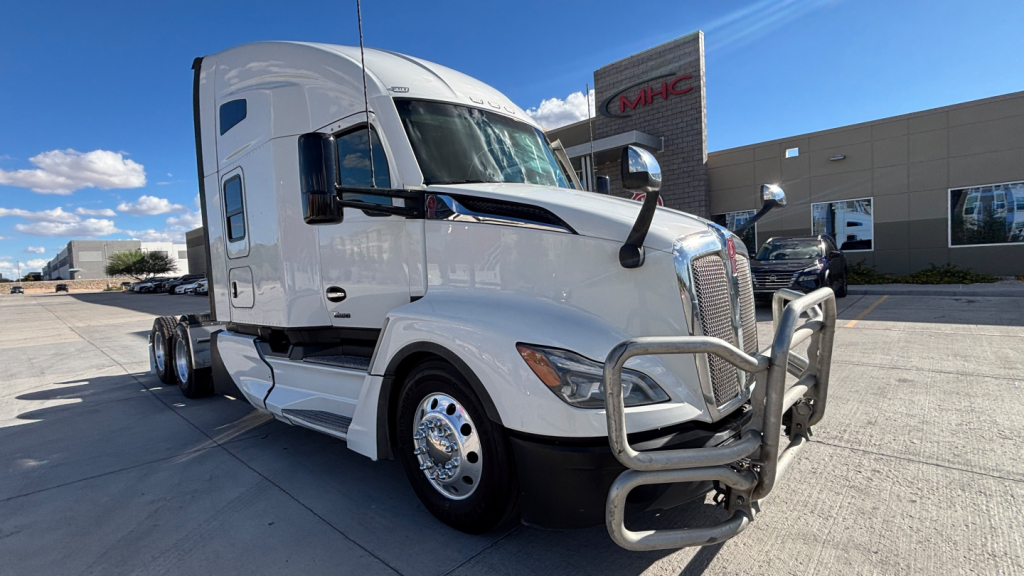
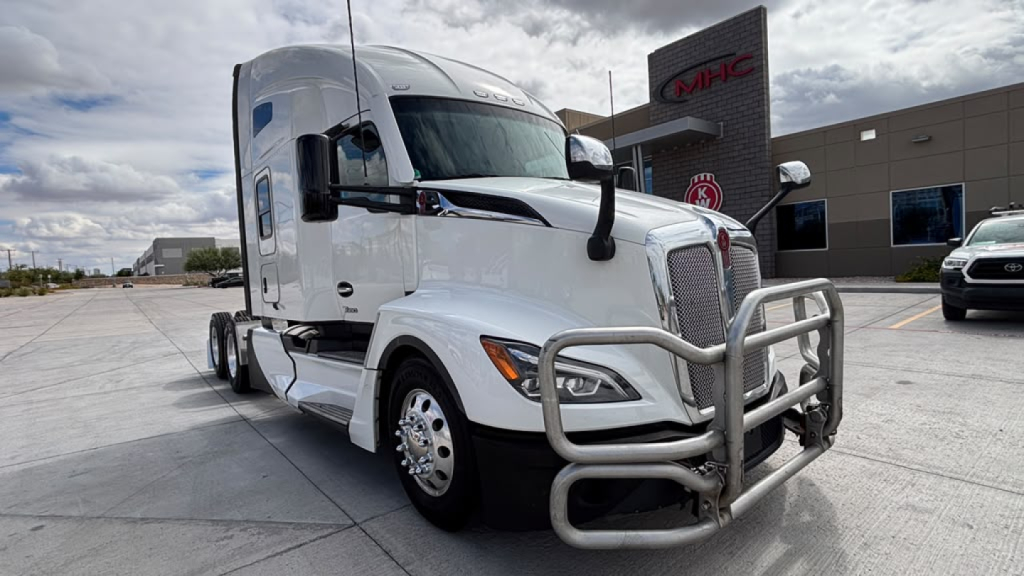
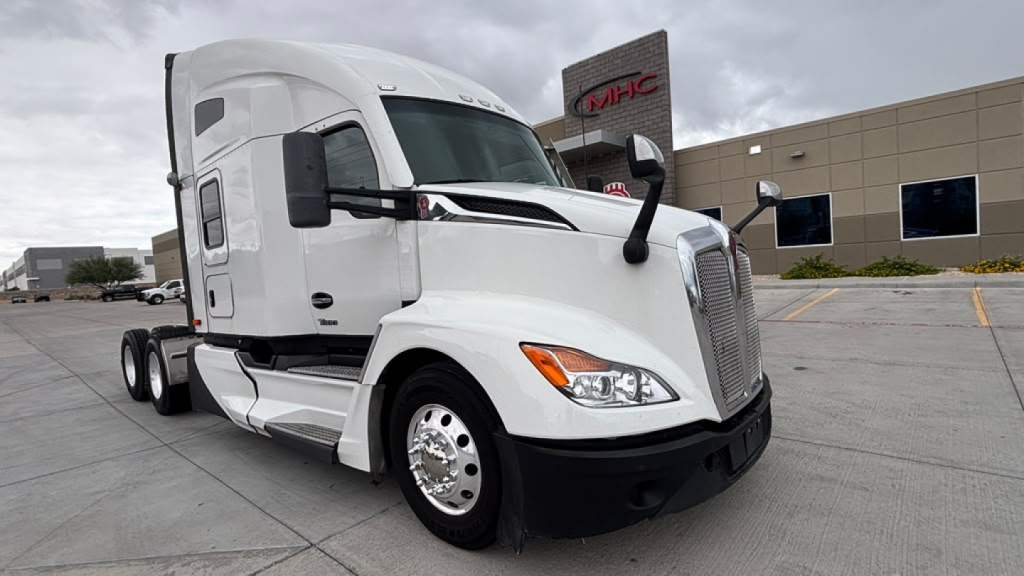
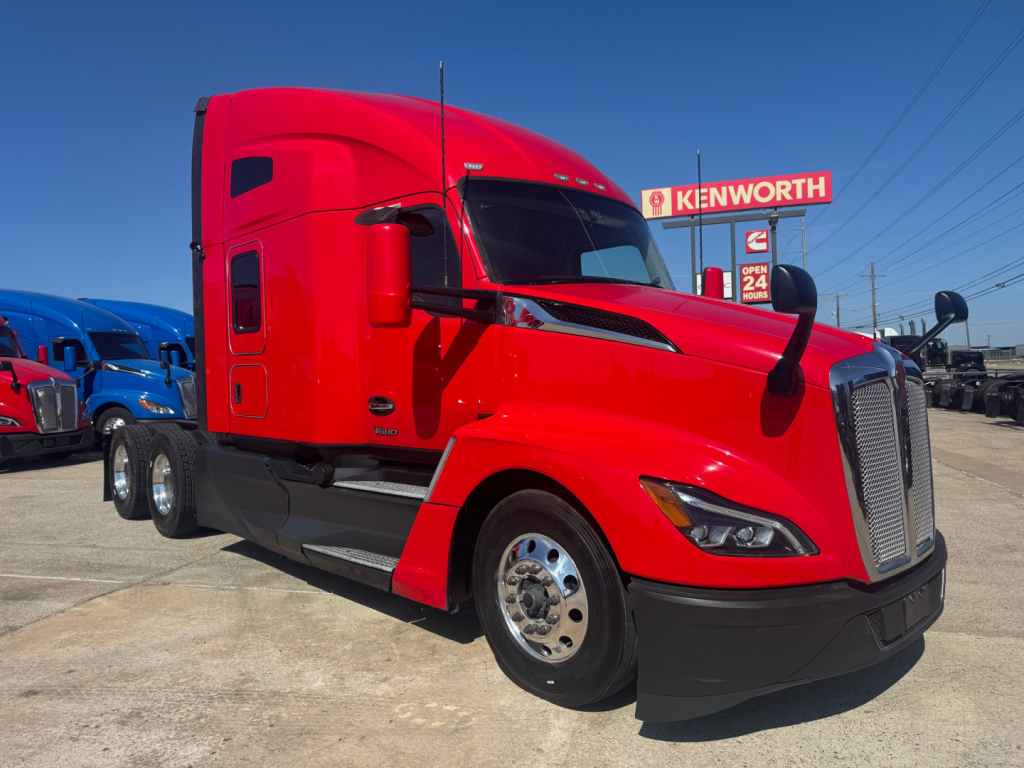
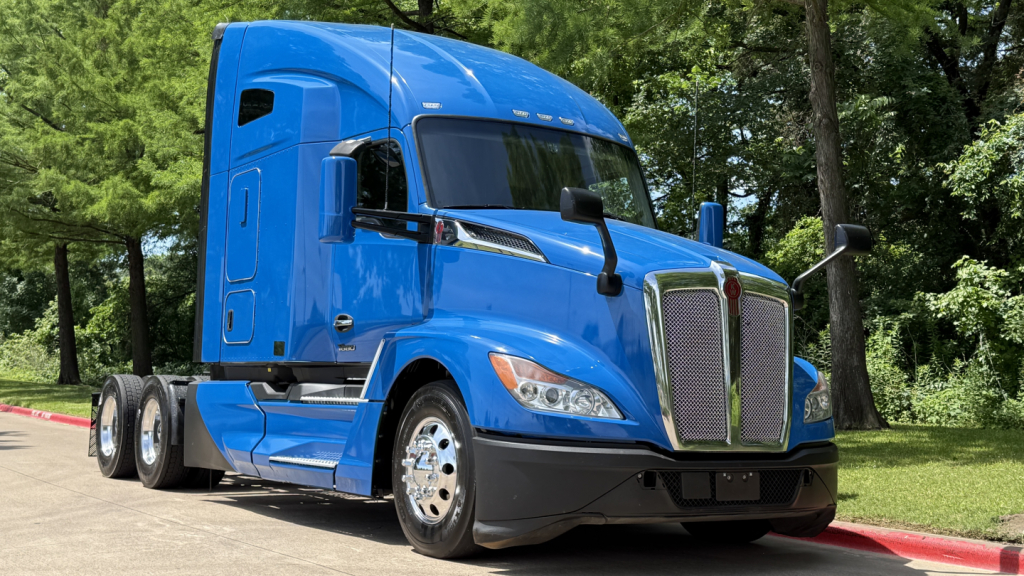
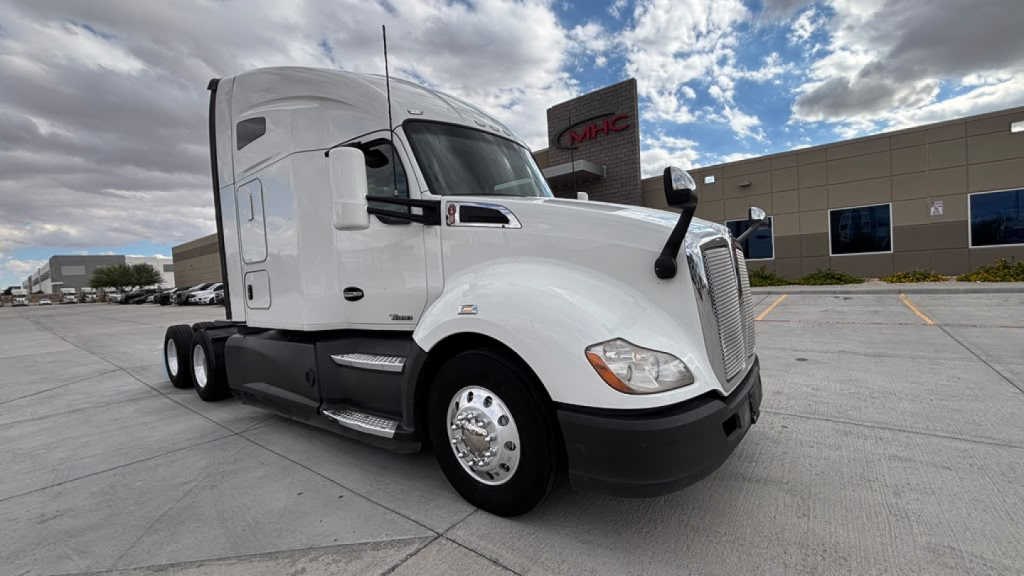
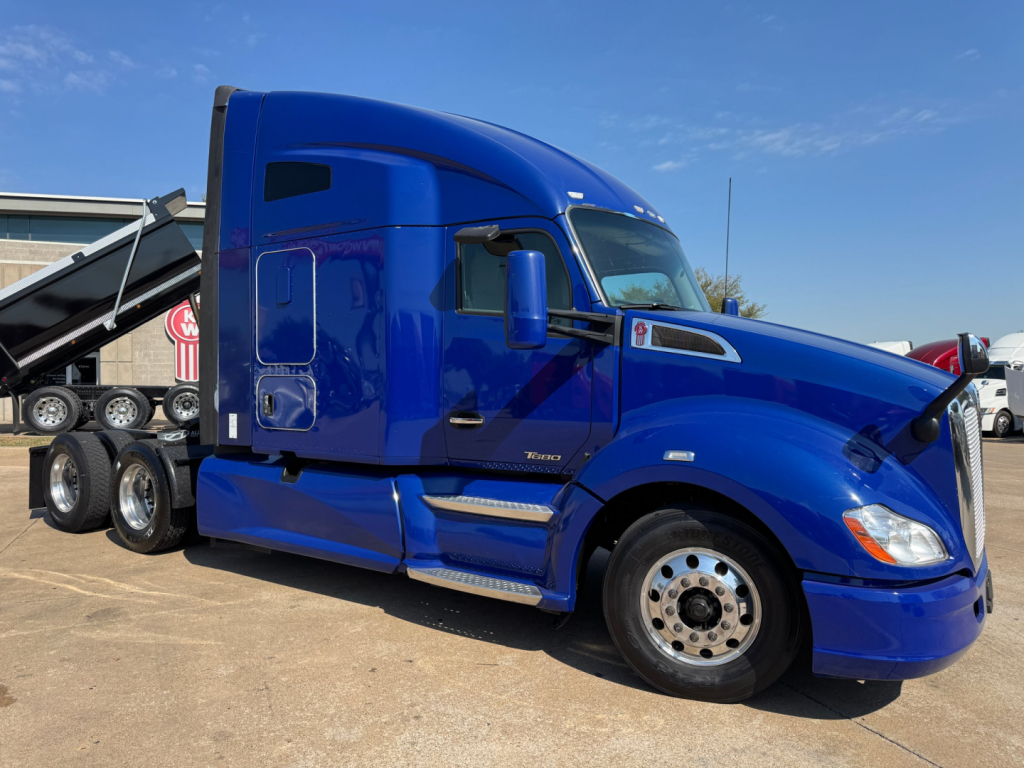
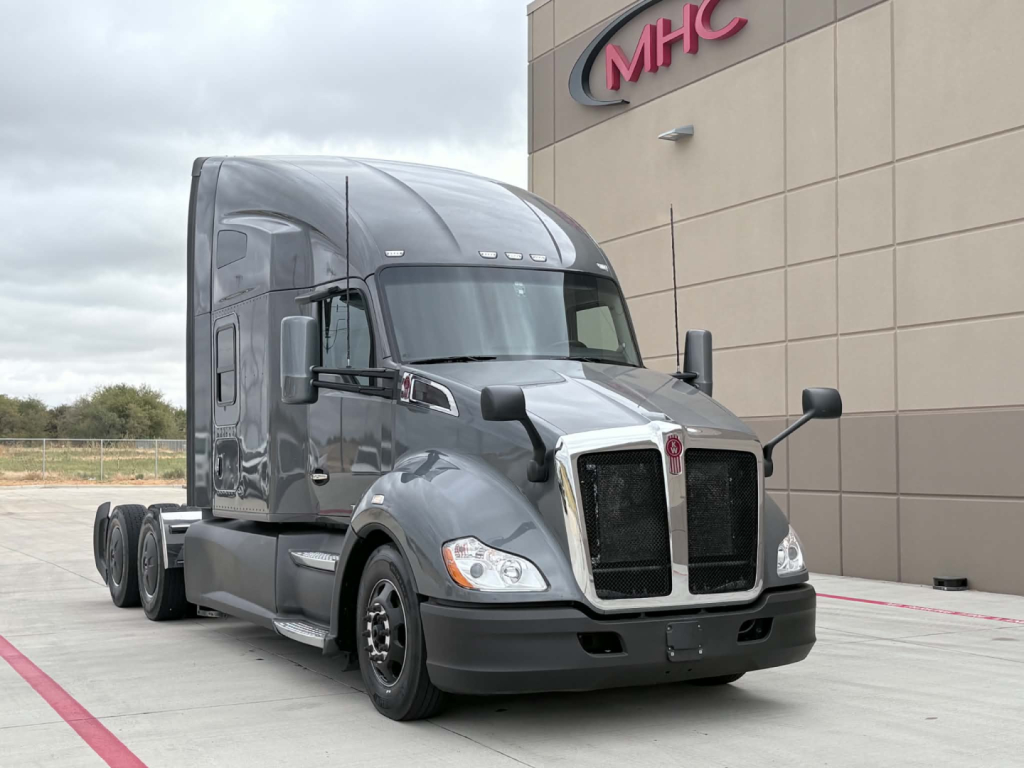
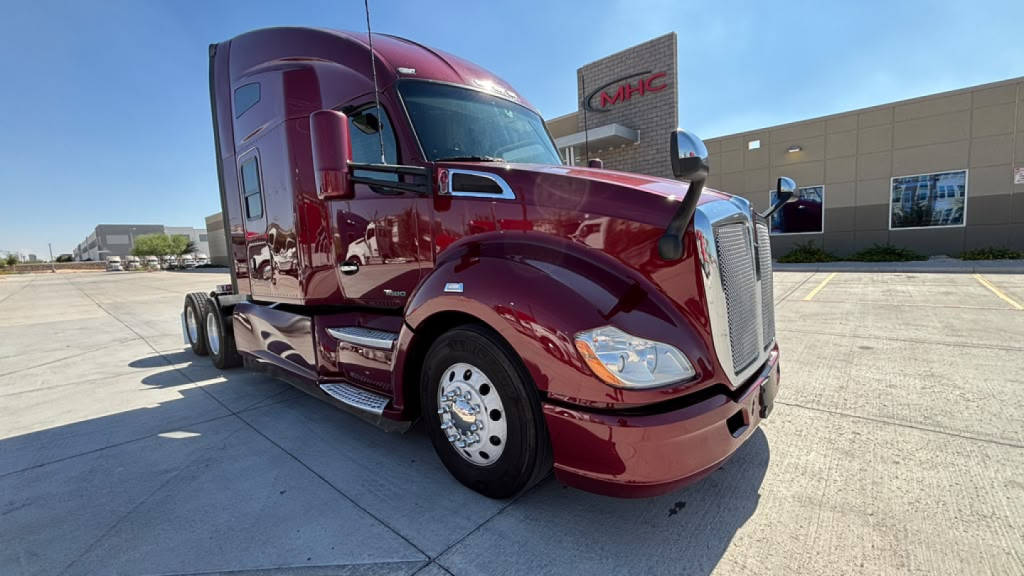
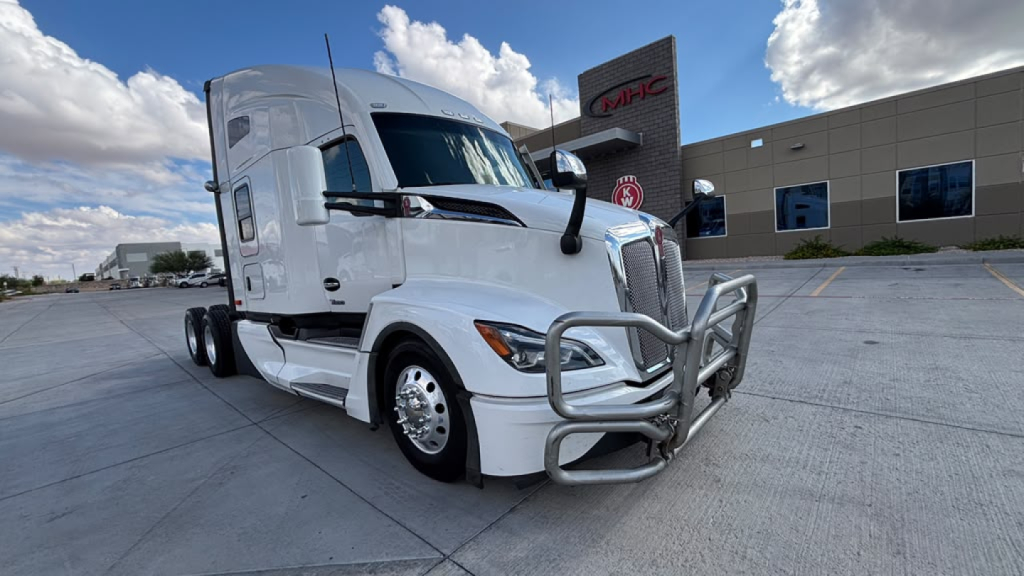
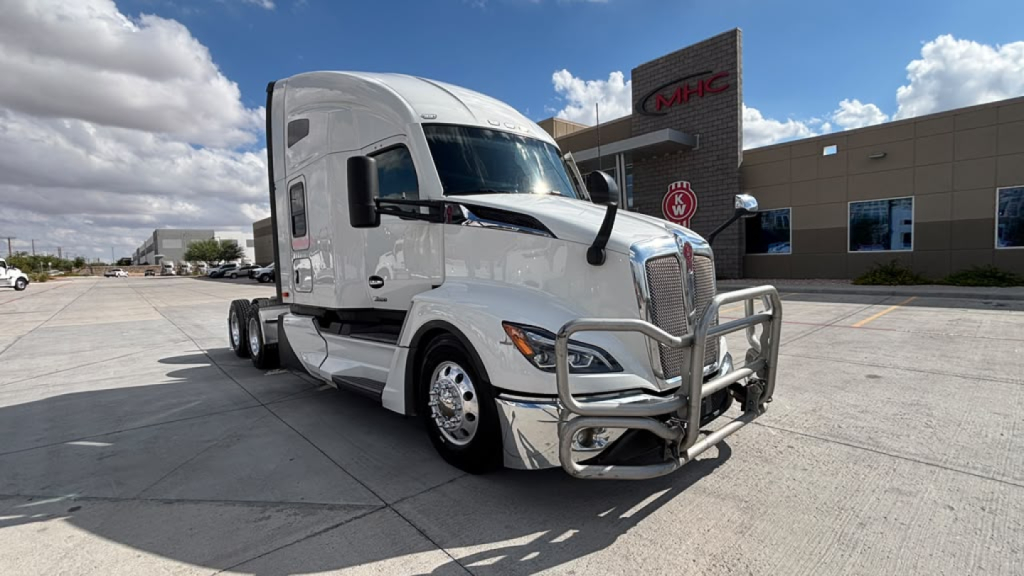
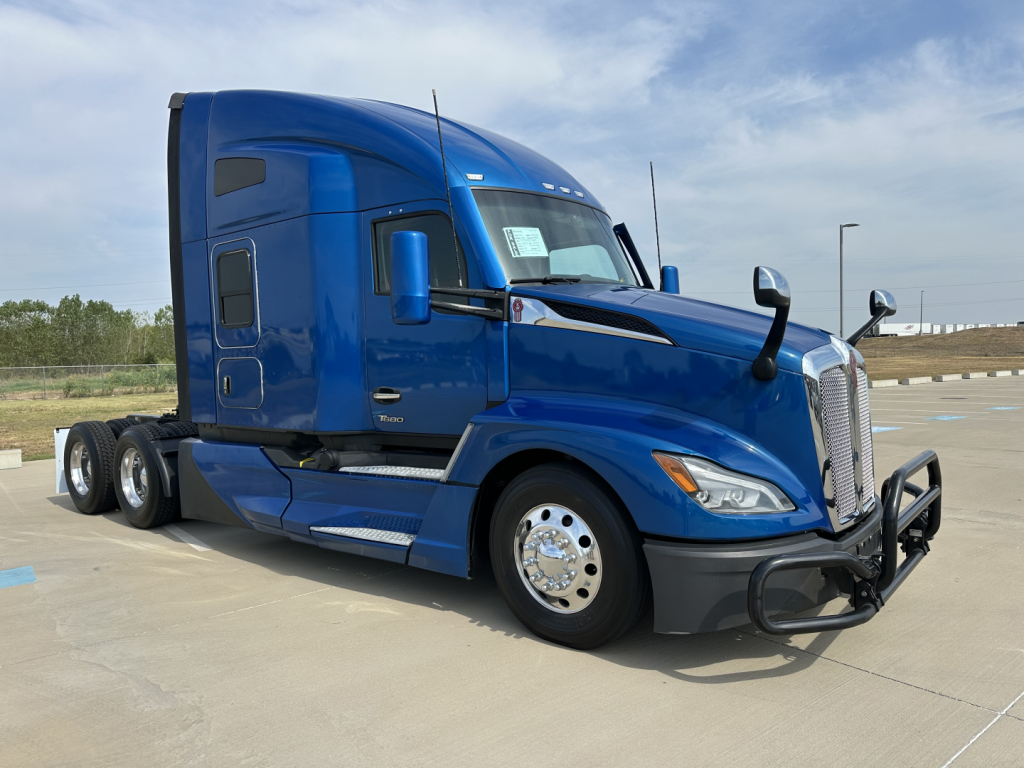
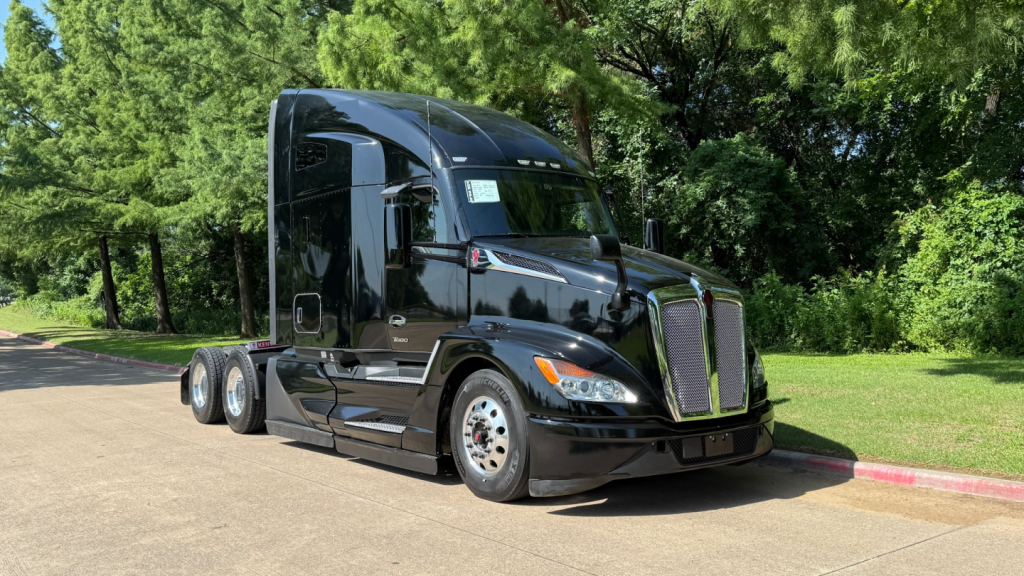
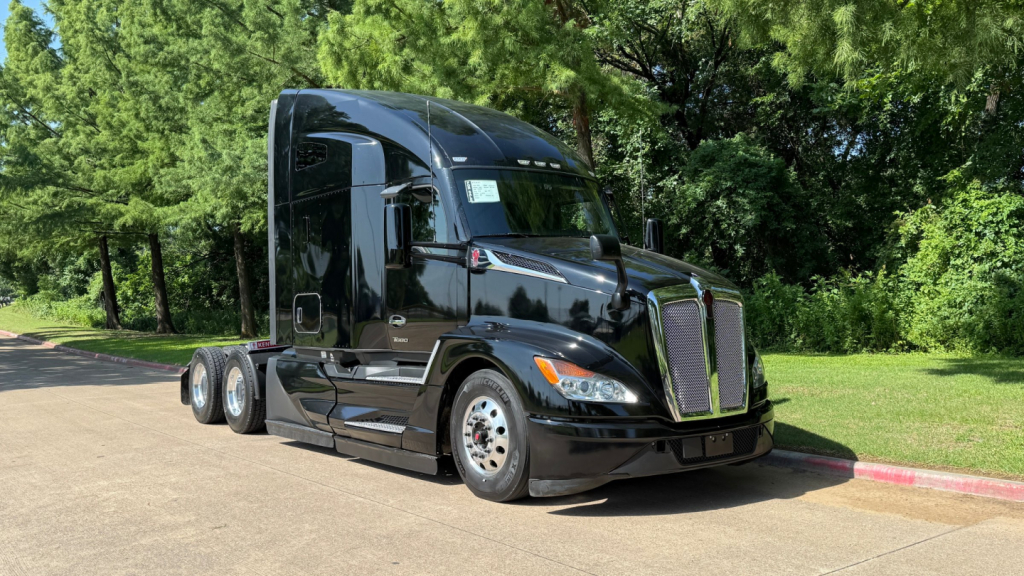
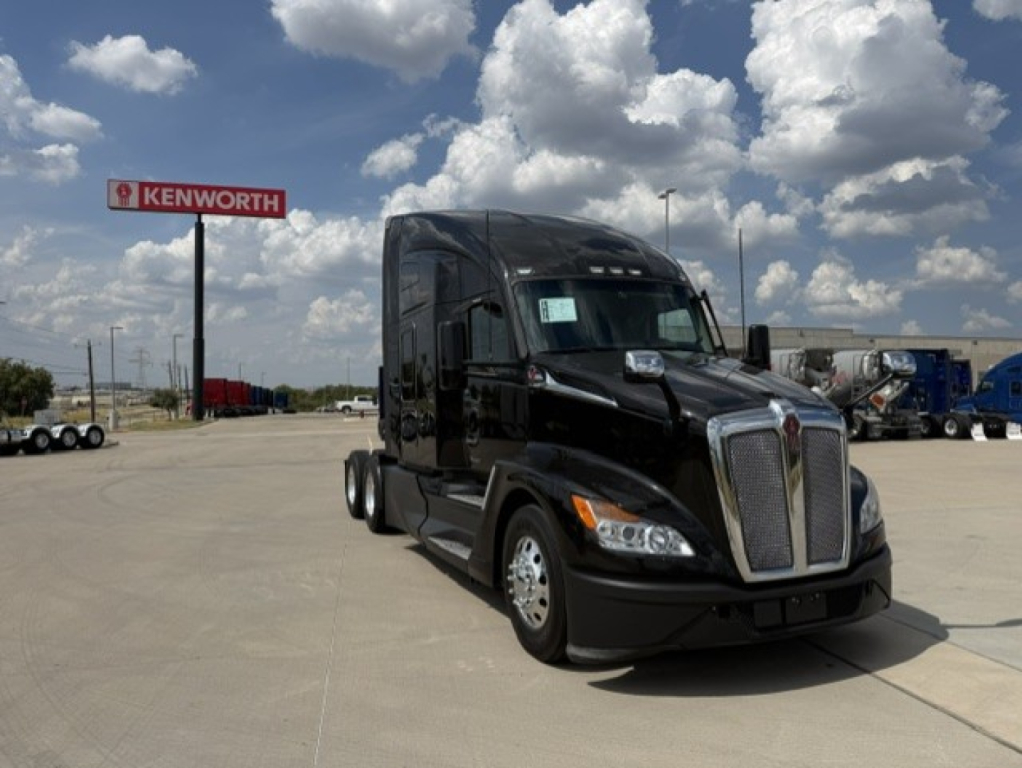
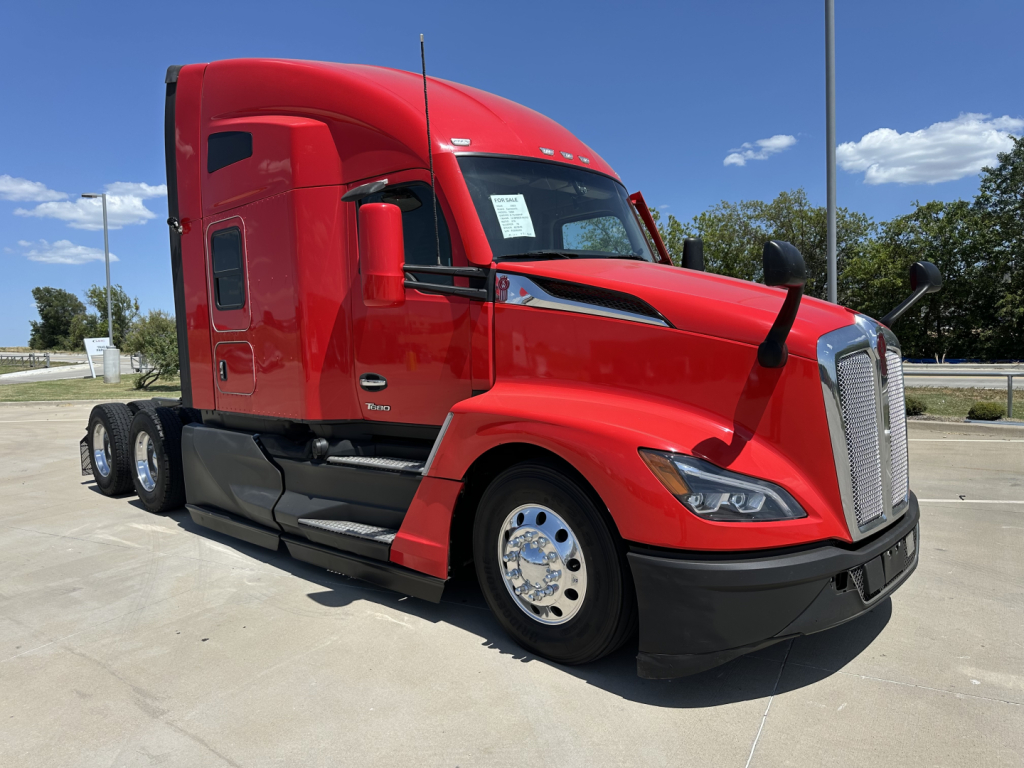
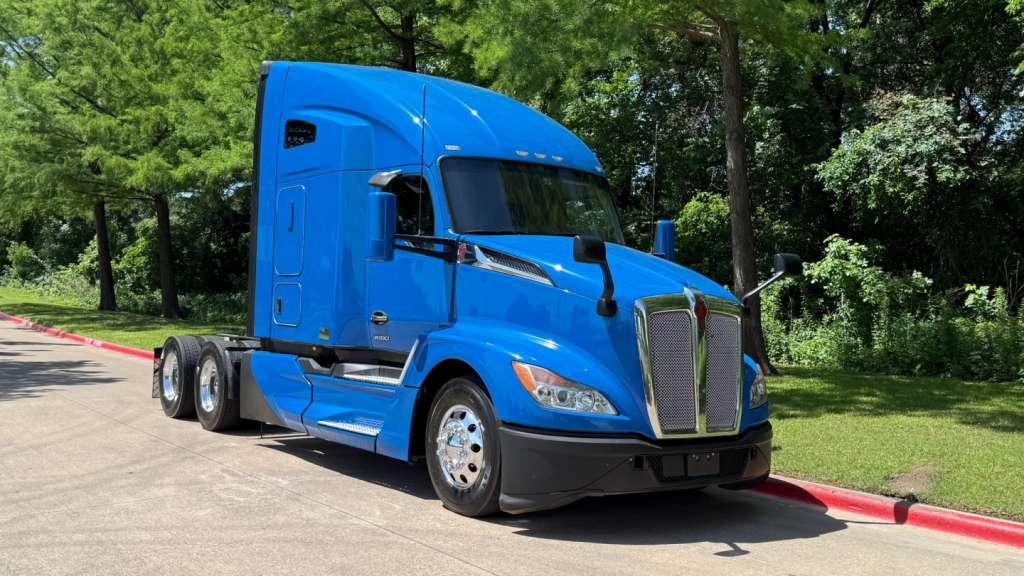
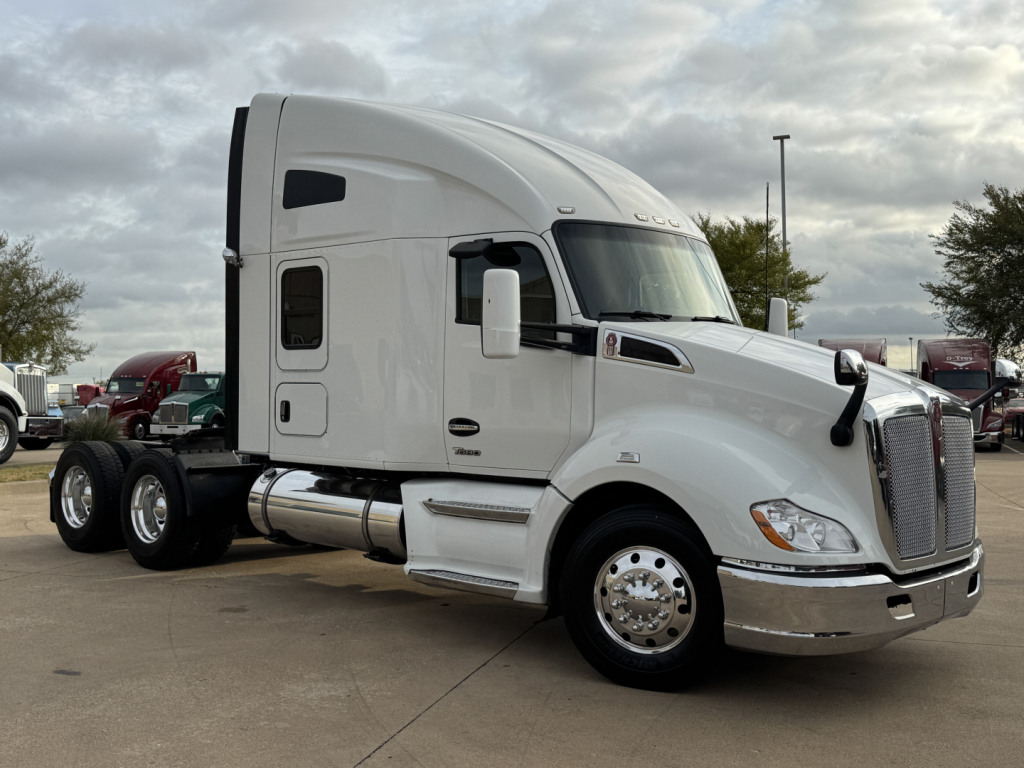
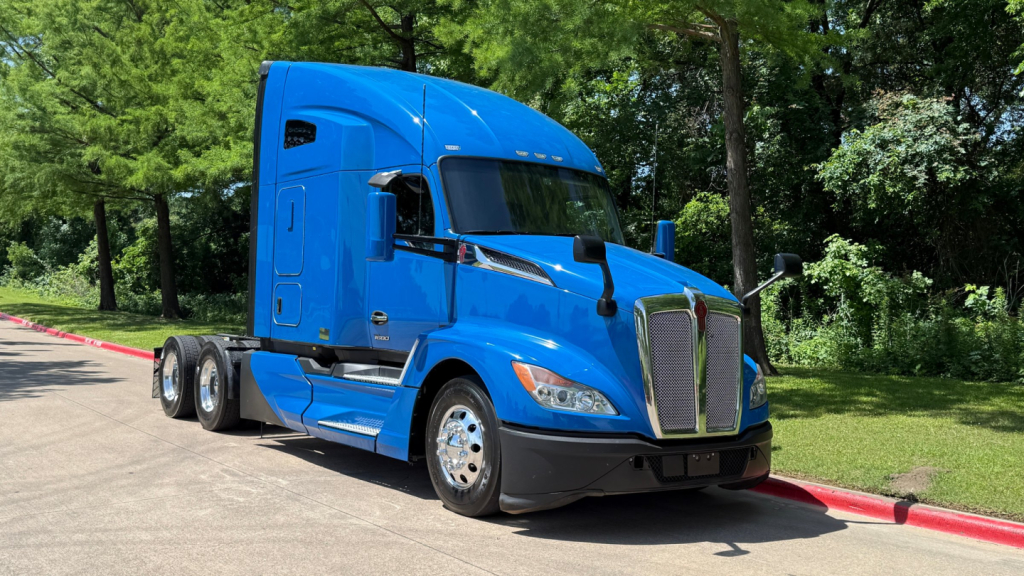
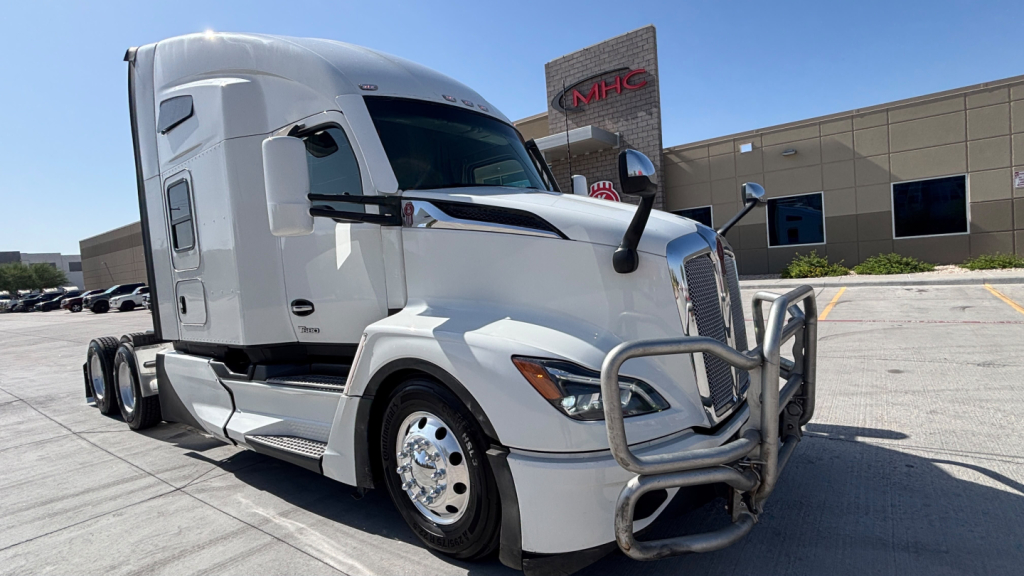
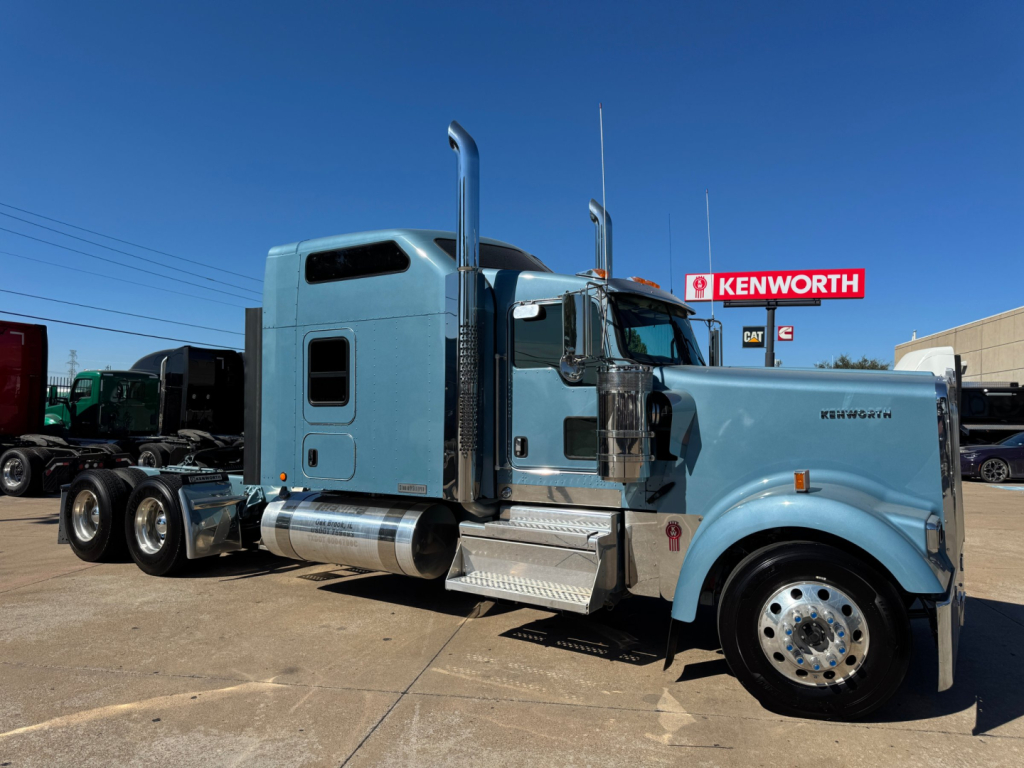
Showing 1 to 28 of 56 results
Selling a kenworth conventional sleeper truck? List your kenworth conventional sleeper truck for sale and reach thousands of commercial buyers.
Kenworth Conventional Sleeper Trucks in Texas
Powertrain selection is one of the biggest buying decisions in this category. Many Kenworth sleepers are spec'd with Cummins X15 engines in the 450 to 500 horsepower range, paired with either automated manual transmissions or traditional manuals. Rear axle ratings commonly land at 40,000 pounds, and axle ratios such as 2.64 or 3.08 tell you a lot about the truck's intended use. A 2.64 ratio usually points to fuel-conscious linehaul operation at highway speed, while a 3.08 ratio can give better pull in heavier applications or mixed terrain. Wheelbase, fifth wheel slide travel, engine brake spec, and front disc brake availability also matter if the truck will be used across varying trailer lengths and route profiles.
Sleeper layout deserves close attention because it affects both resale and day-to-day usability. A 76-inch high-roof sleeper typically gives the best standing room, storage, and upper bunk space for team or extended-haul use. Mid-roof sleepers can still offer strong comfort while keeping overall height and weight a little more controlled. Common features in this class include bunk heaters, APUs, dual aluminum fuel tanks, aerodynamic fairings, cab extenders, and upgraded interiors such as Kenworth's Vantage trim. Newer T680 and T680 Next Gen trucks may also include digital dash systems, collision mitigation technology, and more refined aerodynamic packages that help reduce operating cost over high annual mileage.
A good Kenworth conventional sleeper truck is usually judged on spec balance, not just model year. Buyers should compare engine rating, transmission type, sleeper roof height, wheelbase, maintenance history, emissions system condition, and signs of previous fleet service. In Texas service conditions, cooling system health, APU function, tire condition, and cab climate performance are especially important. For operators hauling van, reefer, or general freight, a properly spec'd Kenworth sleeper can deliver strong driver retention, efficient highway performance, and the long-term durability that keeps these trucks in demand on the used market.
Frequently Asked Questions about Kenworth Conventional Sleeper Trucks in Texas
What is the most common Kenworth conventional sleeper model for long-haul freight?
The Kenworth T680 is one of the most common conventional sleeper trucks for long-haul freight. It is known for its aerodynamic design, road comfort, and broad range of sleeper and powertrain specs. Many buyers look for T680 and T680 Next Gen models because they are widely used in van and reefer operations and often come with fuel-efficient linehaul configurations.
What sleeper size is common on Kenworth conventional sleeper trucks?
A 76-inch sleeper is one of the most common configurations in this category. It gives enough room for storage, rest, and in many cases an upper bunk, making it a practical choice for over-the-road service. Buyers typically choose between mid-roof and high-roof designs based on driver preference, trailer application, and the amount of interior space needed.
Is a 2.64 or 3.08 rear axle ratio better in a Kenworth sleeper truck?
It depends on the application. A 2.64 ratio is commonly used in fuel-efficient highway specs where the truck runs steady interstate speeds with lighter rolling resistance and an automated transmission. A 3.08 ratio is usually better suited to heavier loads, more stop-and-go work, or routes with grades where stronger pulling power is more important than maximum fuel economy.
What engine and transmission options are common in Kenworth conventional sleepers?
Cummins X15 engines are very common in Kenworth sleeper trucks, often rated around 450 to 500 horsepower. These engines are frequently paired with automated manual transmissions for linehaul efficiency, though some trucks are still equipped with manual gearboxes. The right combination depends on load weight, route profile, fleet maintenance preferences, and driver familiarity.
What should buyers inspect first on a used Kenworth sleeper truck in Texas?
Start with the engine, emissions system, transmission operation, and full maintenance records. Then inspect the sleeper equipment, APU if equipped, bunk heater, air conditioning performance, tire wear, brake condition, and any signs of frame or suspension stress. In Texas, heat and long highway miles can make cooling system condition, cab insulation, and climate control performance especially important.