
Peterbilt Conventional Sleeper Trucks For Sale in Texas
Browse Peterbilt conventional sleeper trucks in Texas with specs on 579 and 379 models, sleeper sizes, engines, wheelbase, and drivetrain setups.
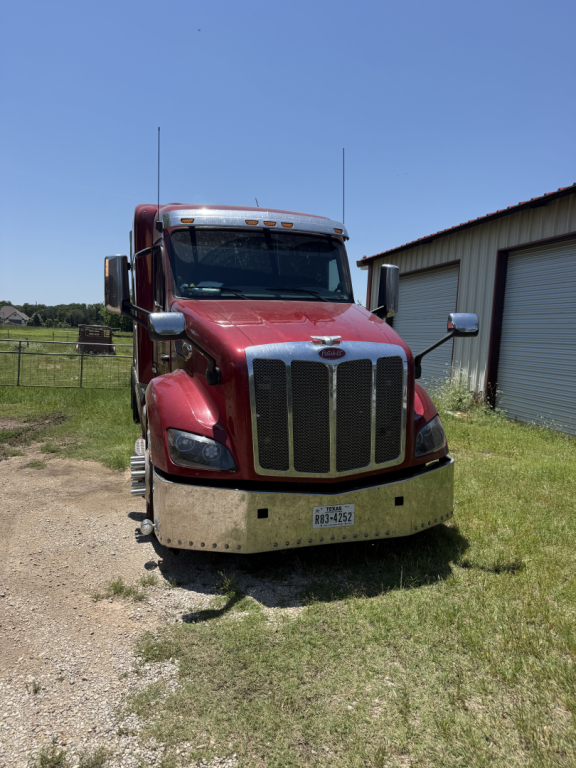
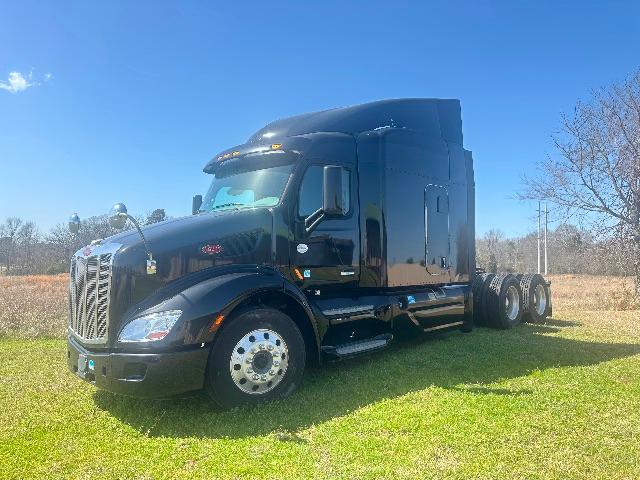
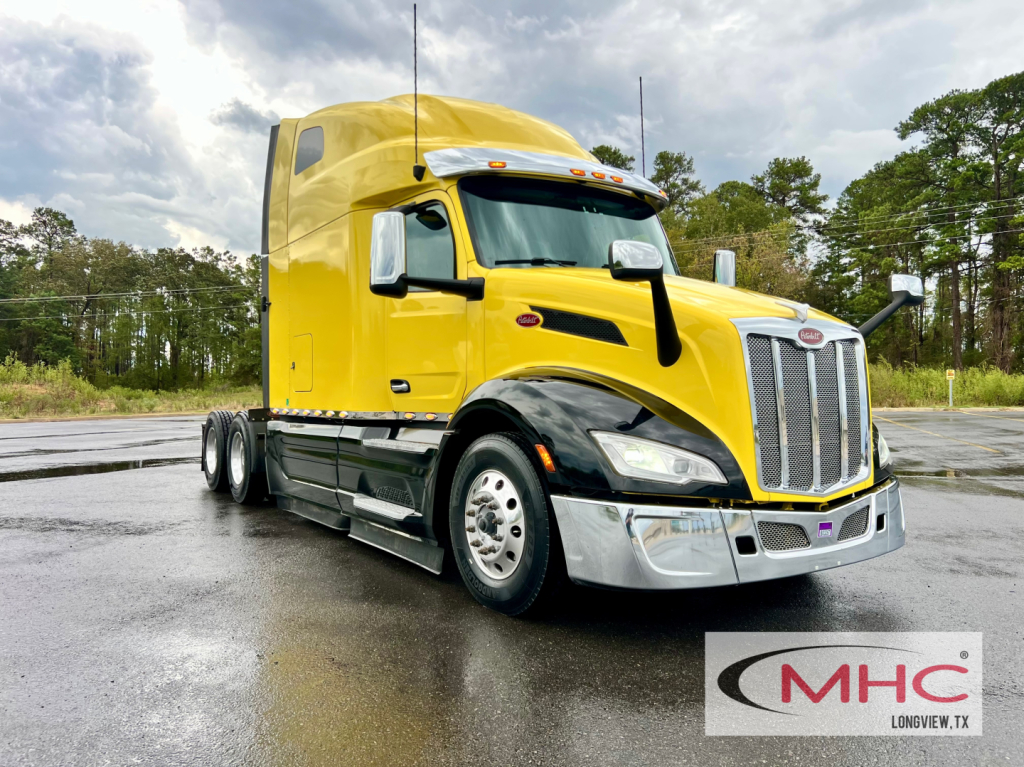
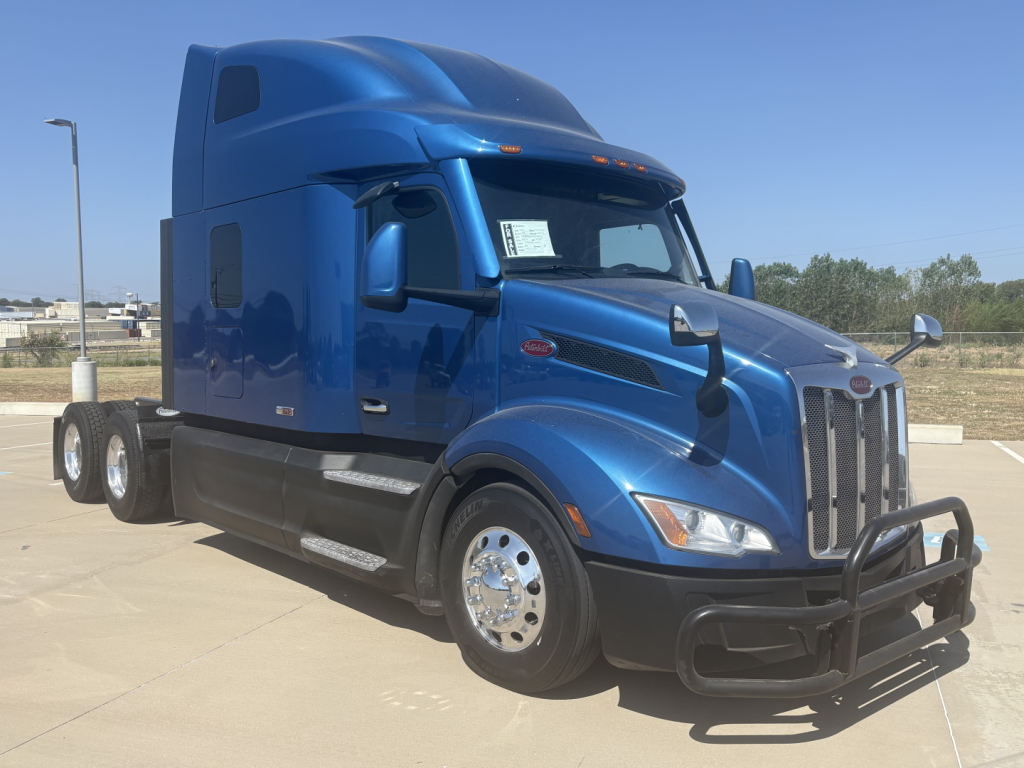
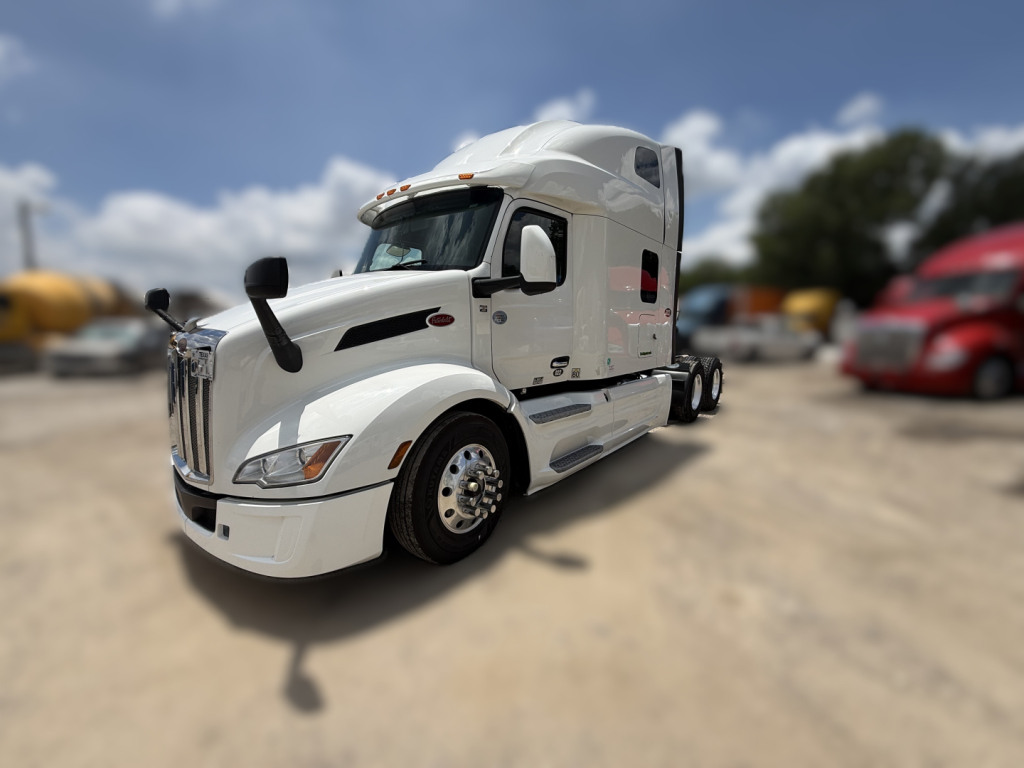
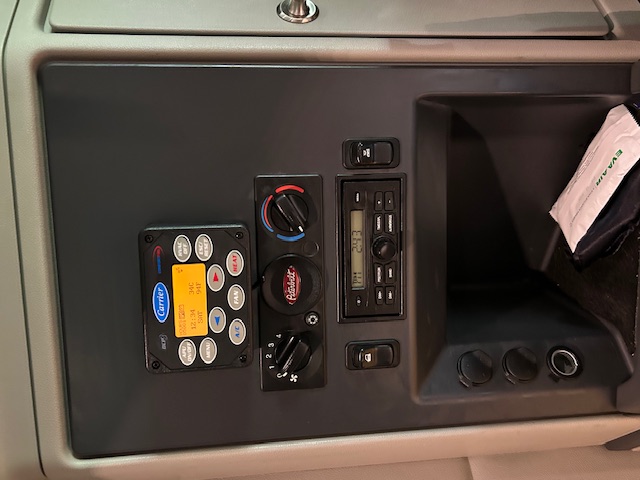
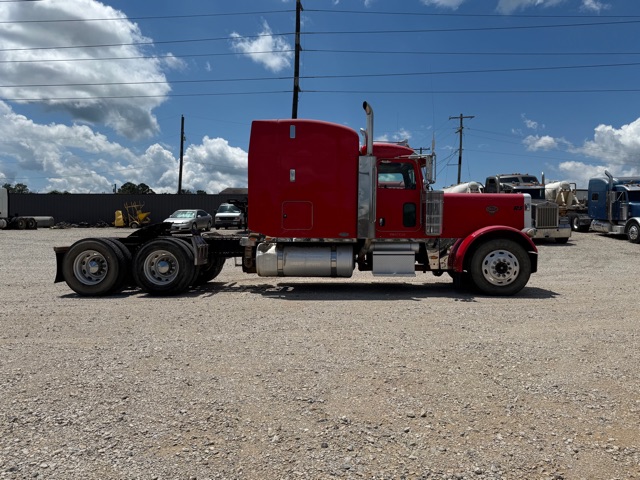
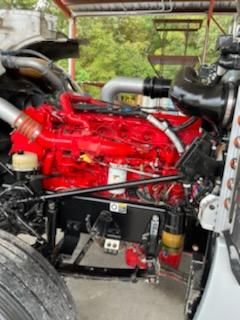
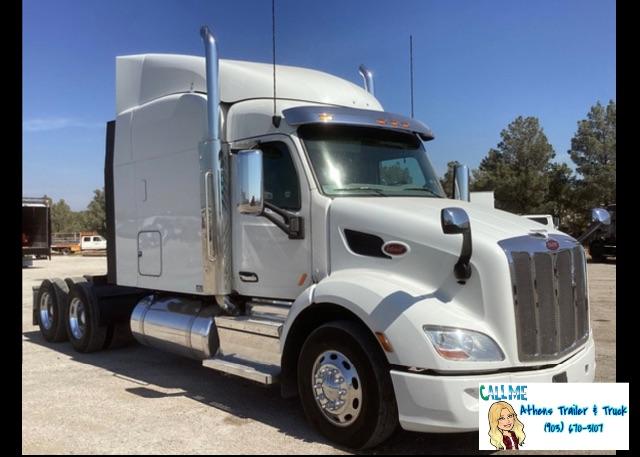

Selling a peterbilt conventional sleeper truck? List your peterbilt conventional sleeper truck for sale and reach thousands of commercial buyers.
Peterbilt Conventional Sleeper Trucks in Texas
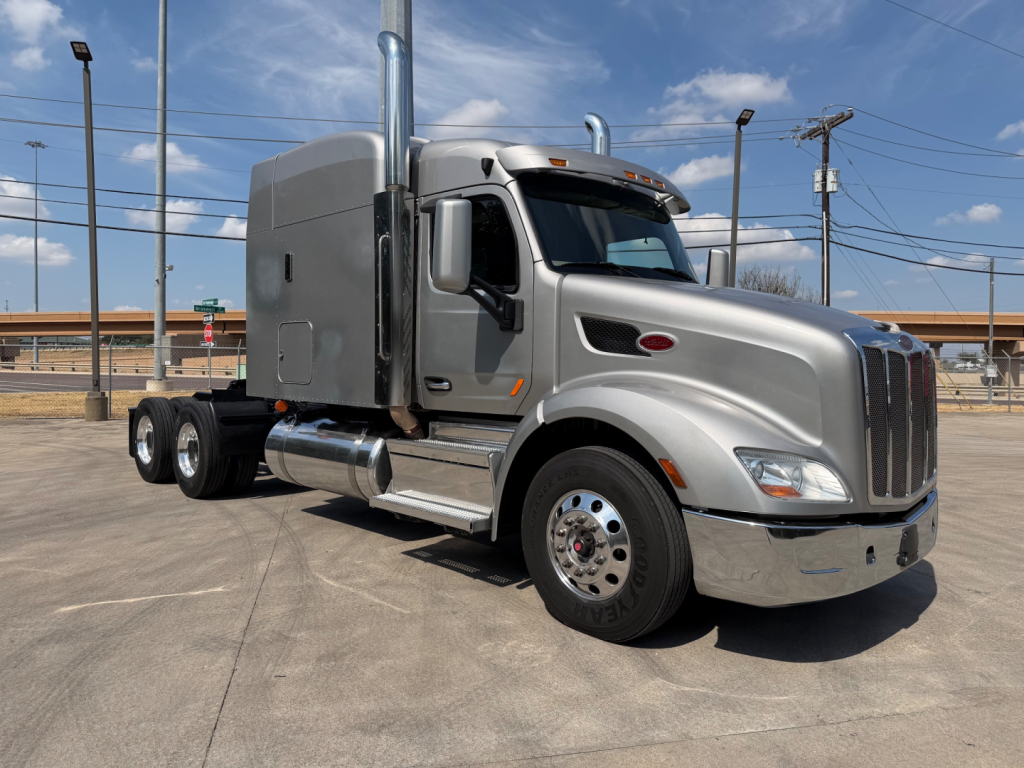
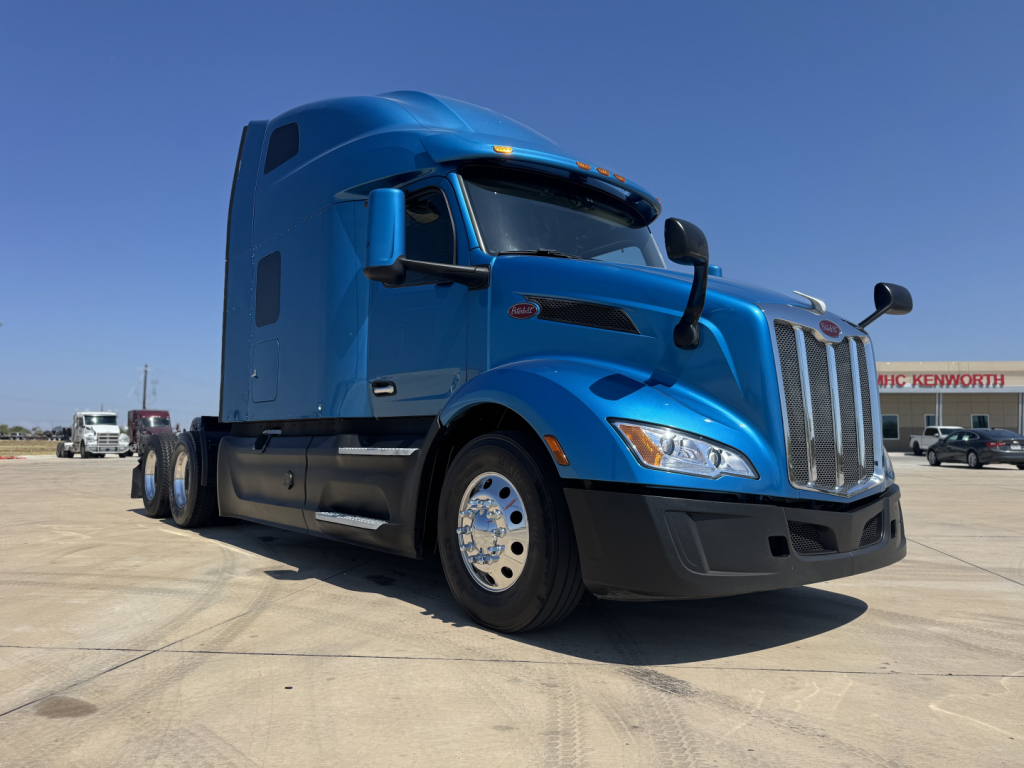
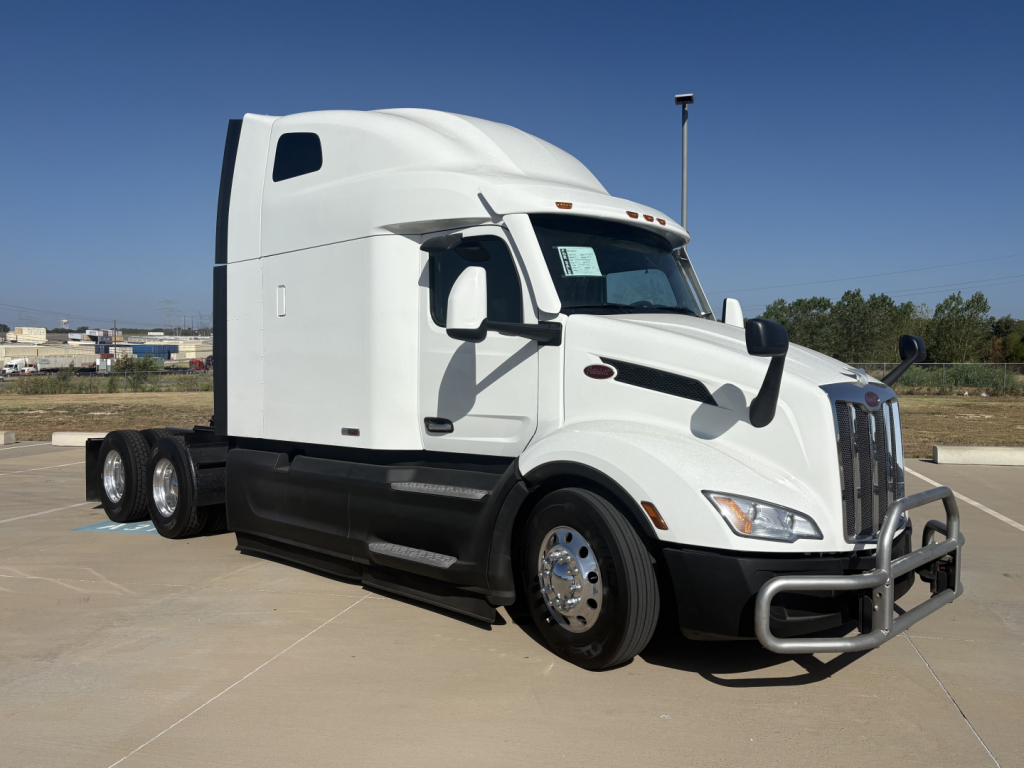
The first decision is usually cab and sleeper configuration. Peterbilt sleepers in this class commonly range from about 63 inches to 80 inches, with layouts such as Unibilt stand-up, Unibilt high roof, UltraCab, and UltraLoft. A 63-inch sleeper can fit shorter regional overnights or teams that do not need maximum cabinet space, while 72-inch and 80-inch sleepers are better suited for long-haul use, team operation, and drivers who spend weeks out. Double bunks, bunk heaters, premium interiors, and digital dash packages are common on newer 579s. Buyers should also compare wheelbase, fairings, fuel capacity, and exhaust layout because those details affect maneuverability, ride, and how well the truck fits van, reefer, hopper, or flatbed service.
Powertrain choices on Peterbilt conventional sleepers usually center on Cummins X12 or X15, PACCAR MX-13, and in older models, Caterpillar C15. Horsepower in this category often falls in the 450 to 500 HP range, paired with 40,000-pound rear axles and ratios such as 2.64, 3.08, 3.25, or 3.55. That axle ratio tells you a lot about the truck's intended job. Lower numerical ratios like 2.64 favor fuel-efficient highway cruising, while 3.25 or 3.55 setups can be better for heavier loads, mixed terrain, or buyers who prefer stronger launch and grade performance. Transmission choice matters too. Automated manuals are common on newer fleet-spec 579 sleepers, while 9-speed, 10-speed, 13-speed, and convertible manual setups still appeal to drivers who want more control over load handling and engine speed.
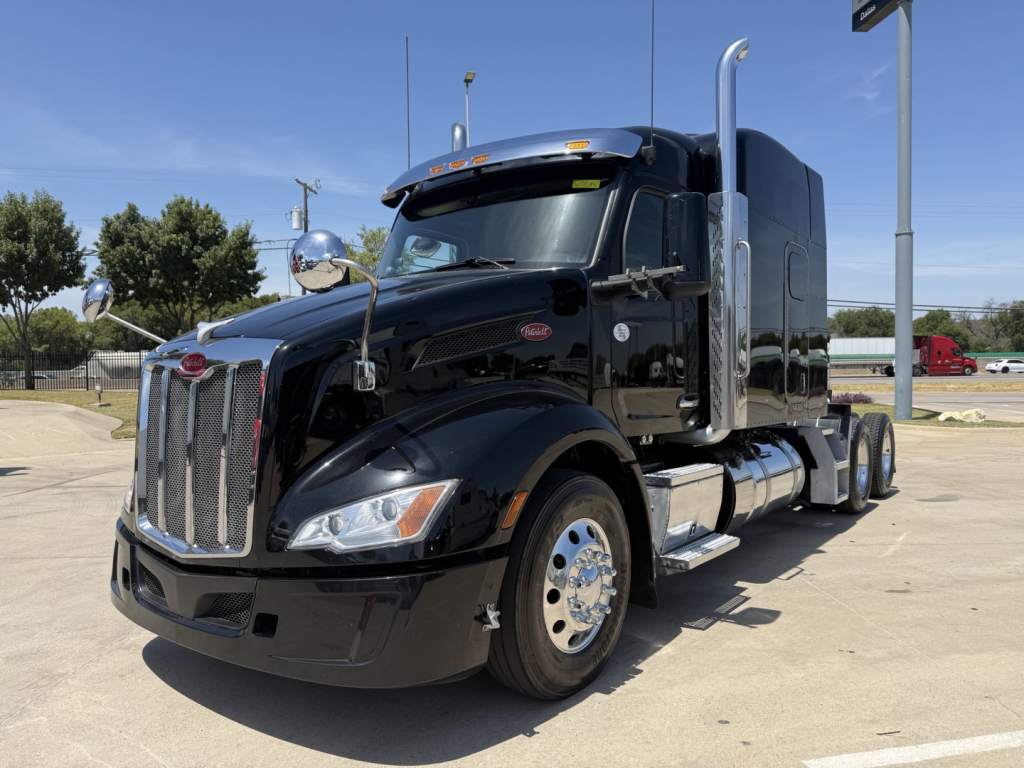
A good buyer compares more than year and miles. On this equipment class, suspension type, brake spec, tire profile, fifth wheel slide, and maintenance history carry real value. Air ride suspension is standard on most over-the-road sleepers and helps ride quality, while front disc brakes, all-aluminum wheels, APUs, and 300-gallon fuel capacity can improve uptime and driver acceptance. On older long-hood Peterbilts, details like low air leaf suspension, dual stacks, and extended hood configuration matter to buyers who prioritize serviceability, appearance, and heavy-haul character. On newer aerodynamic trucks, look closely at emissions history, idle management, cab electronics, and sleeper HVAC performance. The right Peterbilt conventional sleeper is the one whose engine, ratio, sleeper package, and chassis spec match the freight lane, not just the badge on the hood.
Frequently Asked Questions about Peterbilt Conventional Sleeper Trucks in Texas
What is the difference between a Peterbilt 579 sleeper and a Peterbilt 379 sleeper?
The Peterbilt 579 sleeper is an aerodynamic conventional sleeper designed for fuel-efficient highway operation, lower drag, and modern fleet or owner-operator use. The Peterbilt 379 sleeper is a classic long-hood conventional known for its extended hood styling, larger engine packaging, and strong appeal in heavy-haul, vocational crossover, and owner-operator applications. In practical terms, a 579 usually offers newer cab technology, better aerodynamics, and more modern interior features, while a 379 often attracts buyers looking for traditional styling, mechanical familiarity, and pre-emissions or older driveline preferences.
What sleeper size is best for a Peterbilt conventional sleeper truck?
The right sleeper size depends on trip length, driver count, and storage needs. A 63-inch sleeper works for regional operations and shorter overnights where a compact wheelbase is helpful. A 72-inch or 80-inch sleeper is usually the better choice for long-haul freight, team driving, and operators who need more cabinet space, larger bunks, and better living comfort. Buyers should also look beyond the stated sleeper length and compare roof height, bunk layout, heater or APU equipment, and interior storage design.
Which engine is common in Peterbilt sleeper trucks and how do I choose one?
Common engines in Peterbilt conventional sleeper trucks include the Cummins X12, Cummins X15, PACCAR MX-13, and in older trucks, the Caterpillar C15. The best choice depends on your freight and maintenance strategy. An X12 can fit weight-sensitive highway applications, while an X15 or MX-13 is more common for general long-haul service with stronger torque output. Older Caterpillar-powered trucks remain popular with buyers seeking a traditional long-hood setup. Engine selection should be matched with axle ratio, transmission type, emissions system history, and the type of trailer and gross weight the truck will regularly pull.
What axle ratio is best for a Peterbilt sleeper used in Texas?
Texas buyers often favor ratios that support steady highway speed and long-distance efficiency, but the best ratio still depends on the load. A 2.64 ratio is common on fuel-conscious highway tractors that spend most of their time at cruise speed on open interstate routes. A 3.08 ratio offers a middle-ground setup for general freight. Ratios like 3.25 or 3.55 are better suited to heavier trailers, more frequent starts, mixed terrain, or operators who want stronger pulling power. The axle ratio needs to be considered with tire size, engine torque band, and transmission gearing.
What should I inspect first on a used Peterbilt conventional sleeper?
Start with the engine and emissions history, then move to the transmission, rear axle ratio, and maintenance records. On the chassis side, inspect suspension components, fifth wheel condition, brake type and wear, tire condition, and wheelbase suitability for your trailer mix. In the sleeper, check bunk HVAC performance, signs of water intrusion, cabinet condition, and any APU or idle management system operation. On aerodynamic 579 models, pay close attention to fairings, cab electronics, and dash systems. On older 379 models, inspect frame condition, hood alignment, steering wear, and any signs of hard vocational use.