
Conventional Sleeper Trucks For Sale in Michigan
Browse conventional sleeper trucks with tandem axles, raised-roof or flat-top sleepers, and specs built for regional or long-haul freight.
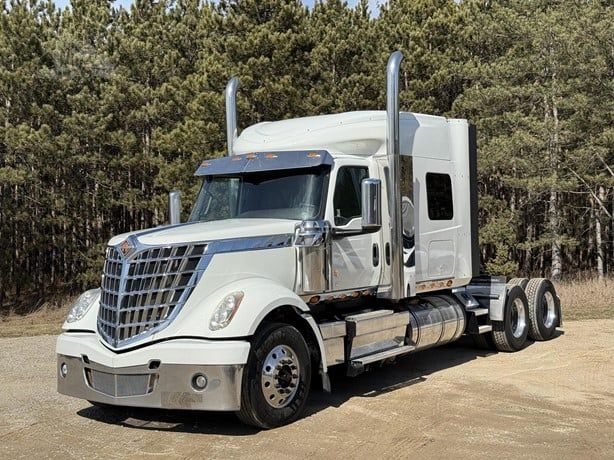
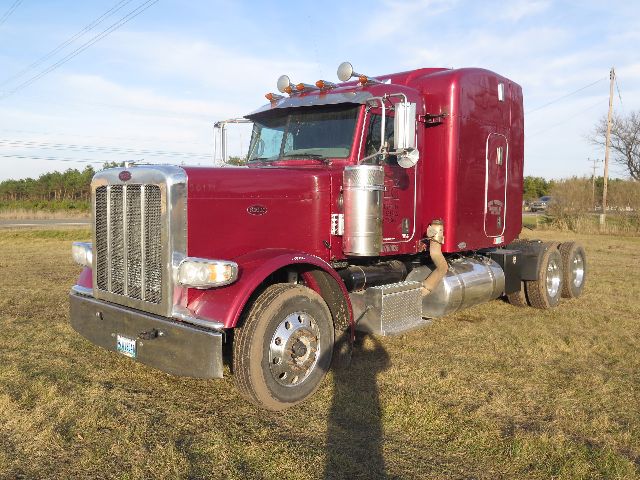
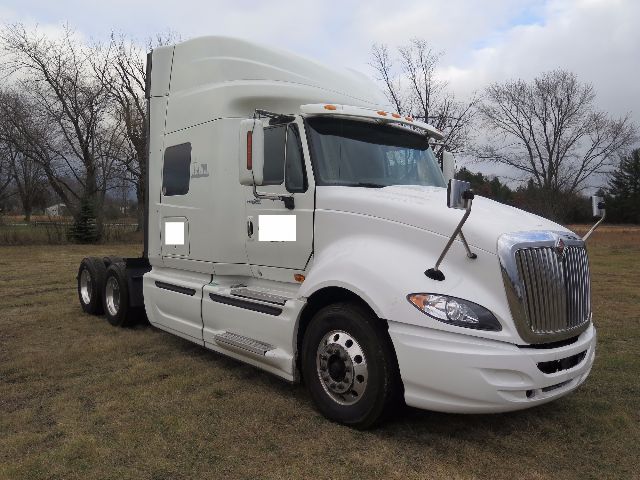
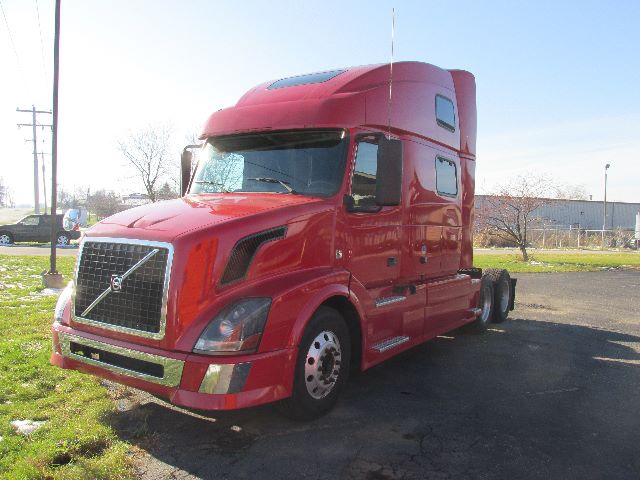
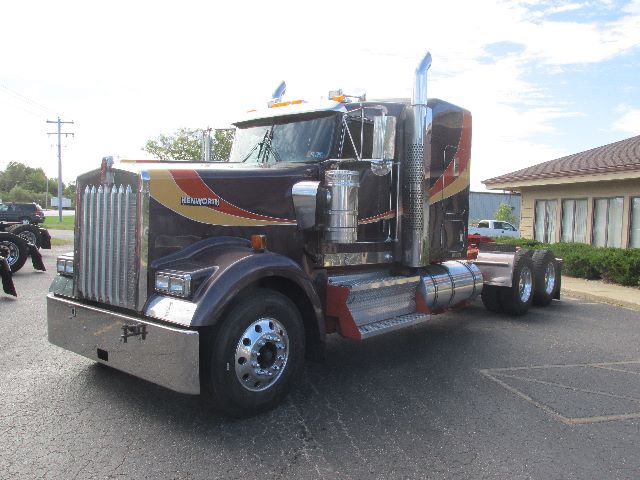
Selling a conventional sleeper truck? List your conventional sleeper truck for sale and reach thousands of commercial buyers.
Conventional Sleeper Trucks in Michigan
The most important buying decisions usually come down to powertrain, sleeper size, and axle configuration. Common specs include tandem drive axles rated around 40,000 pounds, front axles in the 12,000-pound class, and 6x4 layouts paired with Cummins, Detroit, or Paccar engines. Horsepower often falls in the 400 to 500 HP range, with 10-speed and 13-speed manual transmissions still common in used conventional sleepers, along with automated manuals in newer trucks. Rear axle ratios such as 3.25, 3.42, or 3.70 change how the truck performs on fuel economy, startability, and highway cruise RPM, so that choice should match the freight, terrain, and gross combination weight you expect to run.
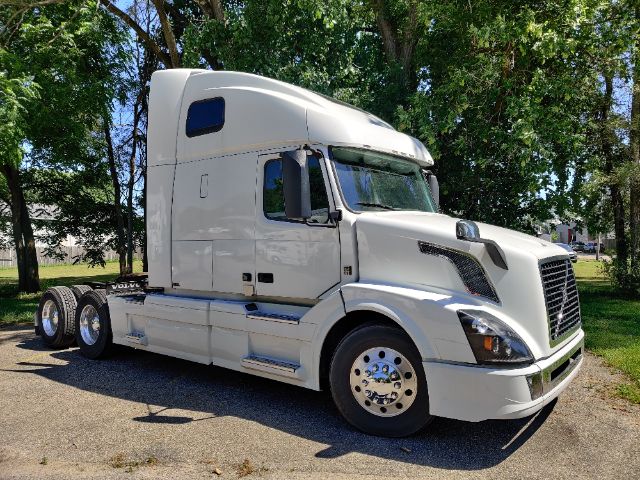
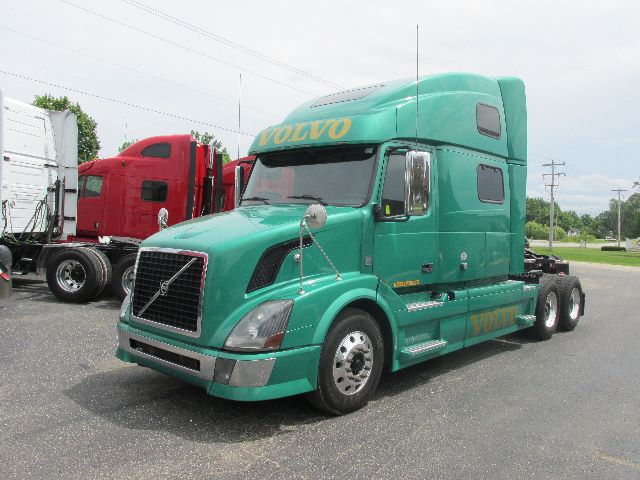
Sleeper configuration matters more than many buyers expect. A 62-inch or 73-inch sleeper, flat-top or raised-roof, can make a major difference in driver comfort, storage, and resale appeal. Double bunk sleepers are attractive for team operations or carriers that rotate drivers, while a single bunk or mid-roof setup may be enough for regional lanes with occasional overnight stays. Buyers should also pay close attention to practical road specs such as wheelbase, fuel tank capacity, sliding fifth wheel, air ride suspension, engine brake, APU, and tire condition. In cold-weather states like Michigan, features such as heated mirrors, reliable HVAC performance, strong batteries, and aftertreatment service history can affect uptime just as much as the engine rating.
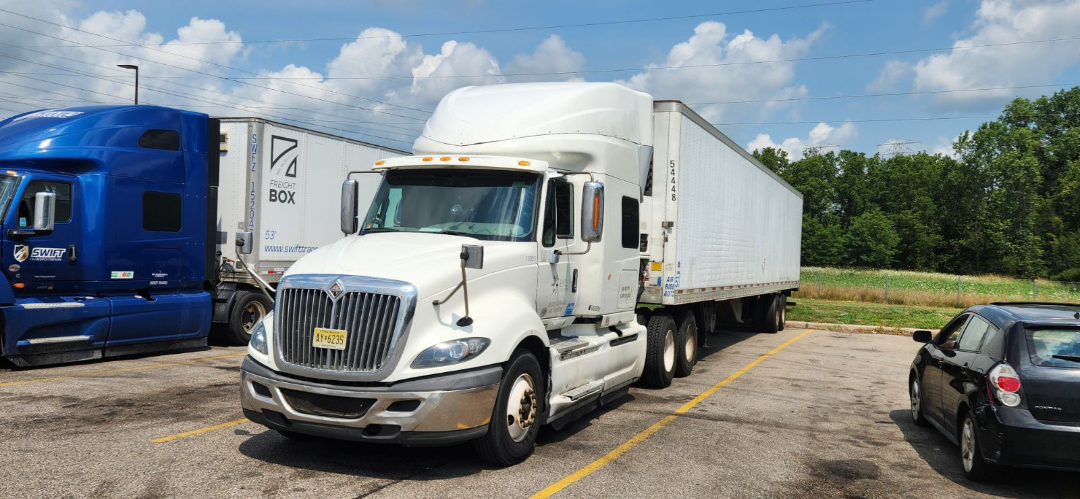
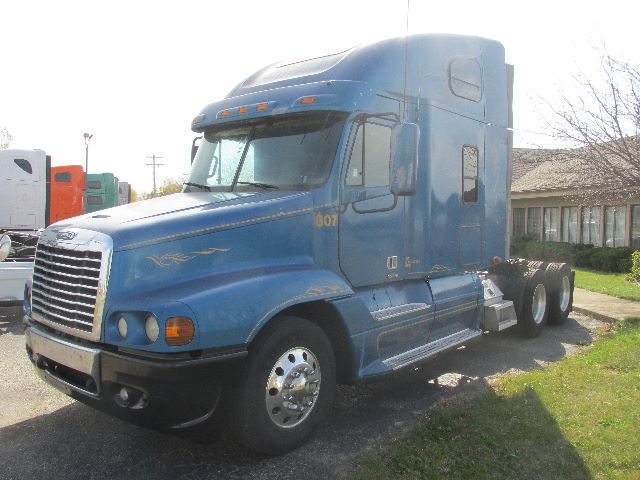
On a used conventional sleeper, maintenance history is often more valuable than appearance. PM records, injector or EGR work, DPF and DOC replacement history, clutch life, suspension wear, brake condition, and dyno or blow-by results all help paint a clearer picture of remaining service life. Some buyers also compare hood and bumper style, set-back versus long-hood layout, and interior trim, especially when looking at models like the International ProStar or LoneStar, Freightliner Century, Peterbilt 388, or Kenworth W900. The right truck is the one spec'd for the lanes it will actually run, with enough sleeper space for the job, gearing that fits the load, and a maintenance profile that supports dependable miles.
Frequently Asked Questions about Conventional Sleeper Trucks in Michigan
What is a conventional sleeper truck?
A conventional sleeper truck is a highway tractor with an engine mounted in front of the cab and a built-in sleeper compartment behind the seats. It is designed for regional and long-haul operations where the driver needs a legal sleeping area, added storage, and more comfort than a day cab provides. In the used truck market, conventional sleepers are the most common tractor style for pulling dry vans, reefers, flatbeds, and many other trailer types.
What horsepower is typical for a conventional sleeper truck?
Most conventional sleeper trucks on the used market fall between 400 and 500 horsepower. That range fits the majority of over-the-road applications, but the right number depends on gross weight, terrain, rear axle ratio, and how fast you want the truck to pull grades. A lower-horsepower truck with the correct gearing can perform very well in regional service, while heavier or time-sensitive loads often benefit from the upper end of the horsepower range.
Is a 10-speed or 13-speed better in a conventional sleeper?
A 10-speed is a practical choice for general freight and tends to be simpler and less expensive to operate. A 13-speed gives the driver more flexibility in hills, heavy haul situations, and applications where split gearing helps keep the engine in its ideal power band. Buyers should match the transmission to the route profile, driver preference, and axle ratio instead of assuming one is always better than the other.
What sleeper size should I look for?
Sleeper size should match how the truck will be used. A smaller flat-top or mid-roof sleeper can work well for shorter regional runs and occasional layovers, while 62-inch to 73-inch sleepers are more comfortable for long-haul use and usually offer better storage. Double bunk sleepers make sense for team operations or fleets that need flexibility, while a single bunk may be enough for solo drivers running predictable lanes.
What should I inspect first on a used conventional sleeper truck?
Start with the engine and emissions history, then move to the transmission, clutch, suspension, brakes, tires, and frame. Service records for DPF, DOC, EGR, injectors, overhead adjustments, and PM intervals are especially important on modern diesel trucks. Buyers should also check wheelbase, fifth wheel travel, fuel tank capacity, sleeper condition, and signs of collision repair, because these details affect both daily usability and long-term resale value.