
Volvo Conventional Sleeper Trucks For Sale in Michigan
Shop Volvo conventional sleeper trucks in Michigan. Compare D13 engines, I-Shift options, sleeper layouts, axle specs, and long-haul features.
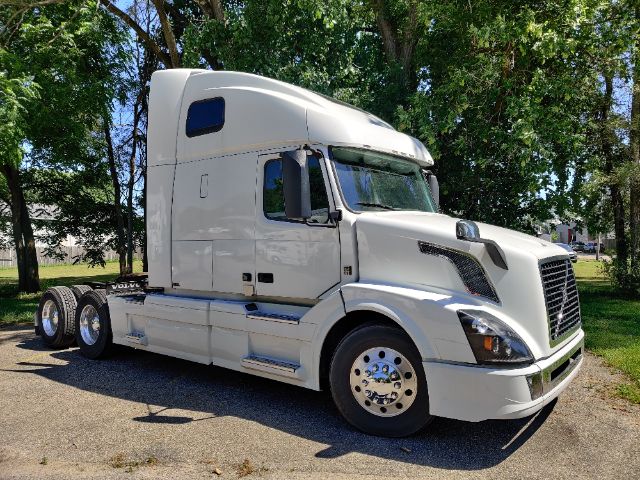
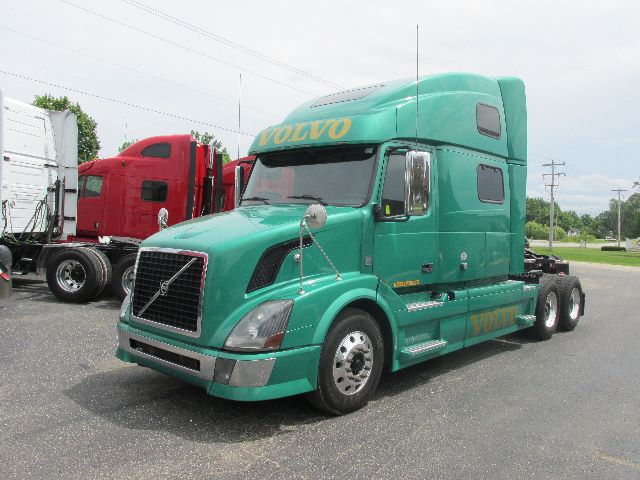
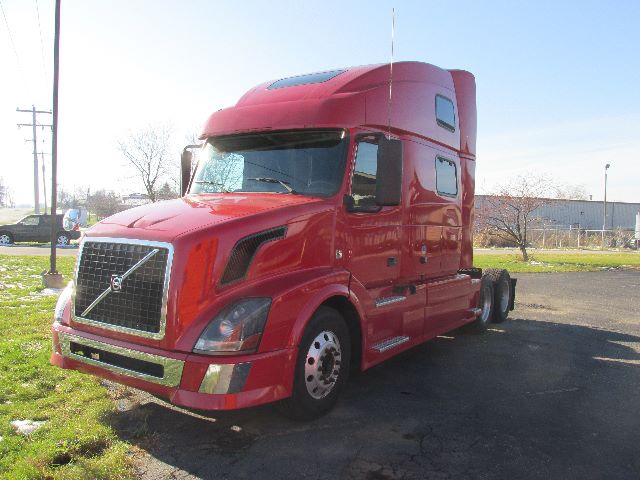
Selling a volvo conventional sleeper truck? List your volvo conventional sleeper truck for sale and reach thousands of commercial buyers.
Volvo Conventional Sleeper Trucks in Michigan
For most buyers, the key spec decisions start with the Volvo D13 engine, horsepower rating, transmission, and rear axle ratio. Used Volvo sleeper trucks in this class commonly show up with 425 to 500 HP, tandem axles, 12,000 lb front axles, and 40,000 lb rears. Many are equipped with Volvo I-Shift automated transmissions, though some older units carry manual Fuller setups such as 9-speed or convertible 13-speed configurations. Ratios in the low 3s, including 3.25 or 3.42, are typical for highway cruising and fuel-conscious operation. Air ride suspension, engine brakes, sliding fifth wheels, side fairings, and 22.5 low-profile rubber are also common specs in this category.
Sleeper configuration is a major differentiator. The VNL 670 is a practical mid-roof or raised-roof sleeper choice for fleets balancing weight, storage, and maneuverability, while the Volvo 780 is better known for a larger, more premium sleeper environment with added room and amenities. Buyers often look for features such as bunk heaters, inverters, refrigerators, satellite radio, aluminum wheels, heated mirrors, and air ride seats on both sides. In colder states like Michigan, cab insulation, HVAC performance, mirror heat, and overall idle-management strategy can matter just as much as mileage when evaluating a used sleeper tractor.
A good Volvo conventional sleeper should be evaluated beyond the basic year and model. Pay close attention to emissions system history on DEF-era trucks, D13 service records, transmission calibration and clutch behavior on I-Shift units, suspension wear, fairing condition, and tire match across steer and drive positions. Front-end alignment, aftertreatment repairs, and the condition of the bunk interior can tell you a lot about how the truck was operated. For buyers comparing multiple Volvo sleeper trucks for sale, the best value usually comes from the combination of documented maintenance, correct gearing for the intended freight, and a sleeper spec that fits the driver schedule instead of simply chasing the lowest purchase price.
Frequently Asked Questions about Volvo Conventional Sleeper Trucks in Michigan
What are the most common Volvo conventional sleeper models buyers look for?
The Volvo VNL 670 and Volvo 780 are two of the most common conventional sleeper models in the used market. The 670 is often chosen for its balance of aerodynamics, sleeper space, and fleet-friendly operating cost. The 780 is known for a roomier sleeper and a more premium long-haul setup, which can be attractive for teams or drivers spending extended time on the road. Both are conventional sleeper tractors designed for highway freight rather than vocational work.
Is the Volvo D13 a good engine in a used sleeper truck?
The Volvo D13 is a widely used engine in long-haul sleeper applications because it offers a strong mix of torque, fuel economy, and compatibility with automated transmissions like the I-Shift. In a used truck, its value depends heavily on maintenance history, emissions system service, and how the truck was spec'd. Buyers should review records for injector work, aftertreatment repairs, overhead adjustments, cooling system service, and fault history rather than judging the engine by horsepower alone.
Should I choose an I-Shift or a manual transmission in a Volvo sleeper?
An I-Shift is often preferred for highway freight because it improves driver consistency, reduces clutch-related wear, and can help fuel economy when paired with the right rear axle ratio. A manual transmission may still appeal to buyers who want a simpler setup or have drivers who prefer direct control, especially in older trucks. The right choice depends on route profile, driver pool, and maintenance support. On a used truck, shift quality, software updates, and clutch condition should be checked carefully on any automated unit.
What sleeper truck specs matter most for Michigan operation?
For Michigan buyers, cold-weather readiness is a major factor. Heated mirrors, strong HVAC performance, bunk heaters, good door seals, and dependable batteries matter in winter conditions. Tire condition and tread type are important for traction, and air ride suspension condition should be checked closely because rough roads can accelerate wear. Fuel capacity, axle ratio, and sleeper amenities also matter depending on whether the truck will stay regional, run into Canada, or handle longer over-the-road lanes.
What should I inspect first on a used Volvo conventional sleeper truck?
Start with service documentation, engine and aftertreatment fault history, and the condition of the transmission and rear ends. Then look at tire wear patterns, fairings, frame condition, suspension components, and signs of bunk neglect inside the sleeper. On Volvo sleepers, the emissions system, D13 maintenance record, and I-Shift operation usually deserve early attention because those areas have a direct effect on uptime and repair cost. A clean DOT history and evidence of recent preventive maintenance can be more valuable than cosmetic appearance alone.