
2014 Conventional Sleeper Trucks For Sale
Shop 2014 conventional sleeper trucks with proven long-haul specs, mid-emissions-era engines, and sleeper configurations built for over-the-road work.
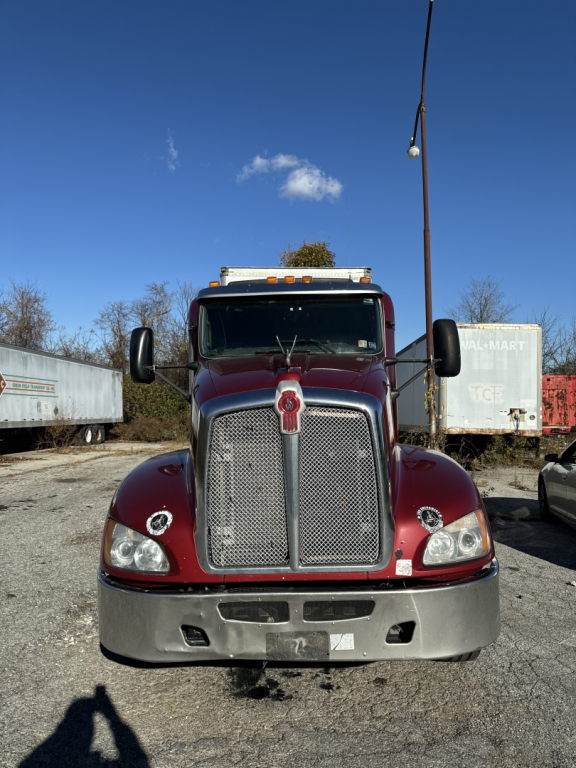
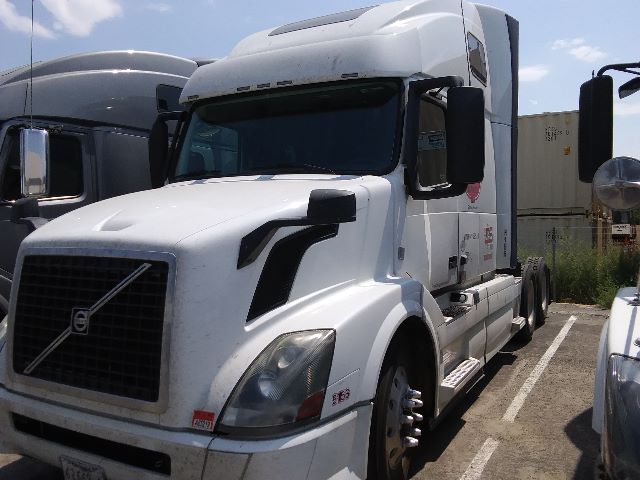
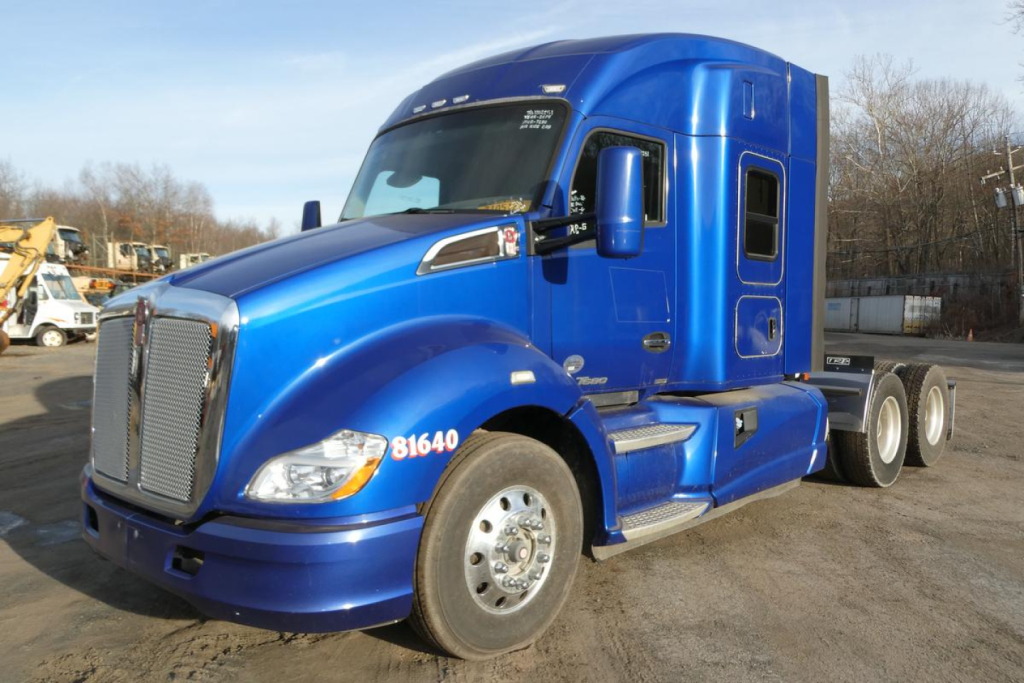
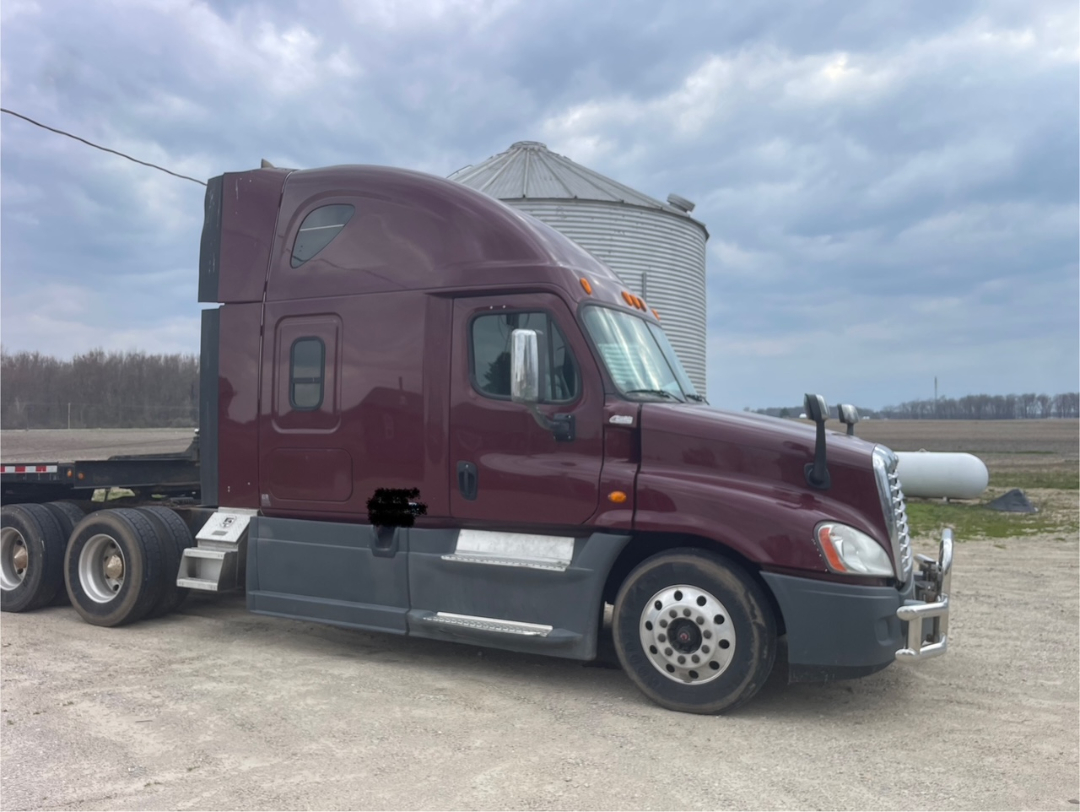
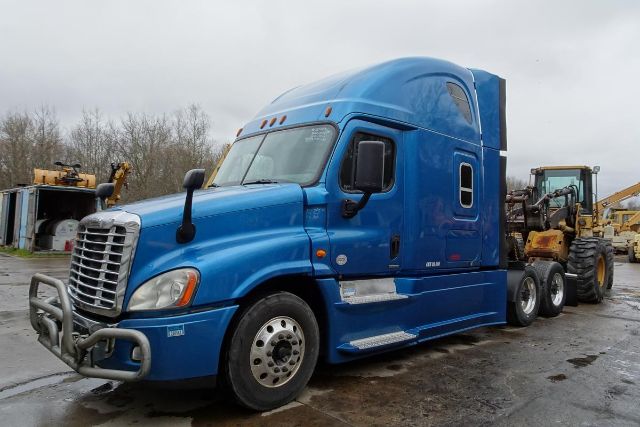
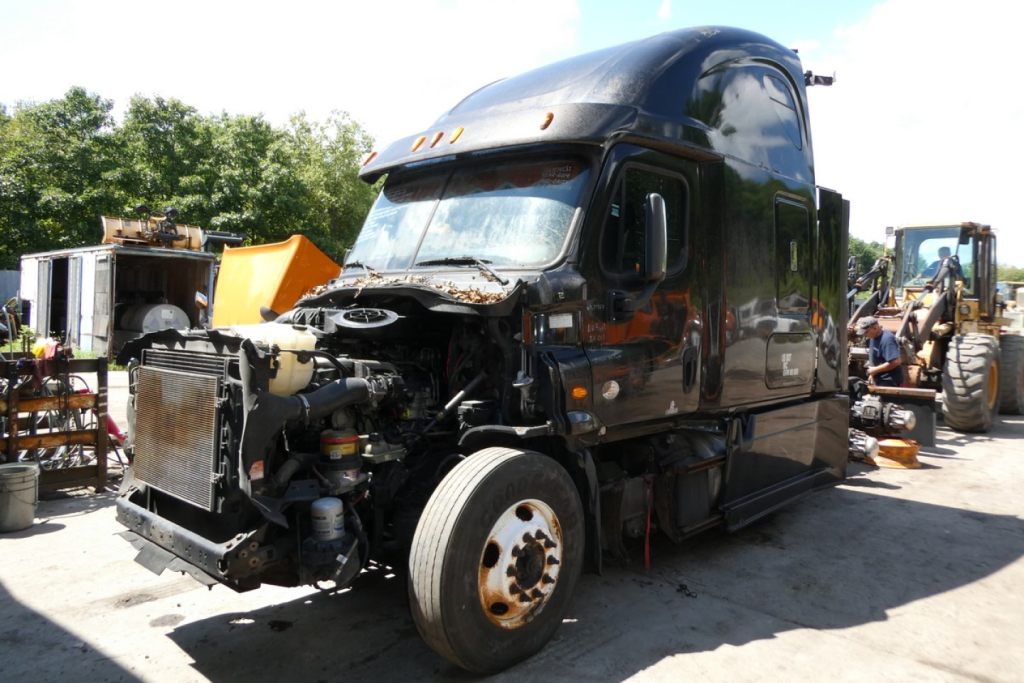
Selling a 2014 conventional sleeper truck? List your 2014 conventional sleeper truck for sale and reach thousands of commercial buyers.
2014 Conventional Sleeper Trucks
The first decision usually comes down to engine, transmission, and rear axle ratio. Common 2014 conventional sleeper truck specs include Detroit DD13 and DD15, Cummins ISX15, Paccar MX-13, Volvo D13, and Mack MP8 engines, often paired with Eaton Fuller manual or automated manual transmissions. Horsepower typically falls in the 400 to 500 HP range, with 10-speed, 13-speed, and 12-speed automated setups common in over-the-road service. Many 2014 sleepers were ordered with 72-inch to 80-inch raised-roof sleepers, tandem 40,000 lb rears, air ride suspension, and wheelbases suited for van, reefer, or general freight. Buyers should pay close attention to emissions system service history, including DPF, SCR, DEF components, EGR work, and any documentation on injector, turbo, or aftertreatment repairs.
Cab and sleeper layout matter as much as the powertrain if the truck will stay out for extended runs. A 2014 conventional sleeper may be configured with a single bunk or double bunk, workstation layout, bunk heater, inverter prep, refrigerator space, and fairings designed for fuel economy. Aerodynamic package condition is worth checking closely because damaged side fairings, cab extenders, hood gaps, and roof caps can affect mpg on linehaul routes. Other buyer checkpoints include fifth wheel type, frame layout for APU installation, fuel capacity, tire size, disc versus drum brakes, and whether the truck has a fleet-oriented spec or a heavier owner-operator trim package.
For regional carriers, lease operators, and long-haul buyers, 2014 conventional sleeper tractors remain relevant because they are familiar, serviceable, and widely accepted across freight applications. They are also commonly referred to as sleeper semi trucks, sleeper tractors, or highway sleeper trucks. The best fit depends on how the truck was originally spec'd and maintained. A lighter, aerodynamic sleeper with a downsped drivetrain can make sense for dry van and reefer lanes, while a higher-horsepower setup with different gearing may be better for heavier freight or tougher terrain. The real value in this category comes from matching sleeper size, drivetrain spec, and maintenance record to the exact lanes and load profile the truck will run.
Frequently Asked Questions about 2014 Conventional Sleeper Trucks
What engines are most common in 2014 conventional sleeper trucks?
Common engines in 2014 conventional sleeper trucks include the Detroit DD15, Cummins ISX15, Paccar MX-13, Volvo D13, and Mack MP8. Most were spec'd between 400 and 500 horsepower for over-the-road freight. The right choice often comes down to service network preference, known maintenance history, emissions system performance, and how the truck will be used in flat terrain versus mountain or heavy-haul conditions.
Is a 2014 conventional sleeper truck a good choice for long-haul work?
A well-maintained 2014 conventional sleeper truck can still be a strong long-haul platform. Many were built with raised-roof sleepers, aerodynamic fairings, air ride suspension, and highway gearing intended for dry van, reefer, and general freight operations. The key is to verify the truck's maintenance file, current aftertreatment condition, drivetrain health, and sleeper amenities before assuming it is ready for extended over-the-road use.
What should I check on the emissions system of a 2014 sleeper semi?
On a 2014 sleeper semi, buyers should closely review DPF cleaning intervals, SCR and DEF system repairs, EGR service, fault code history, and any injector, turbo, or sensor replacements. This model year falls squarely in the modern emissions era, so documentation matters. A truck with complete records and recent aftertreatment work can be a much safer buy than one with lower price but unclear emissions history.
What sleeper sizes are typical on 2014 conventional sleeper tractors?
Typical sleeper sizes on 2014 conventional sleeper tractors range from about 60 inches to 80 inches, with 72-inch raised-roof sleepers being especially common in highway service. Some are single-bunk layouts, while others include double bunks and more storage for team driving or extended trips. Sleeper size should match trip duration, driver preference, and payload needs because longer sleepers can affect wheelbase and overall tractor weight.
Which transmission is better in a 2014 conventional sleeper truck, manual or automated?
Both can be good choices depending on duty cycle and driver preference. Manual transmissions in 2014 sleeper trucks are straightforward, familiar to many experienced drivers, and still favored in some vocational or heavy-pull applications. Automated manual transmissions are more common in fleet specs and can improve driver consistency, reduce fatigue, and support fuel-economy goals. The better option is the one that fits the operation, the driver pool, and the truck's service history.