
2014 Conventional Sleeper Trucks For Sale in New York
Shop 2014 conventional sleeper trucks in New York. Compare aero tractors, sleeper sizes, powertrains, wheelbases, and long-haul specs.
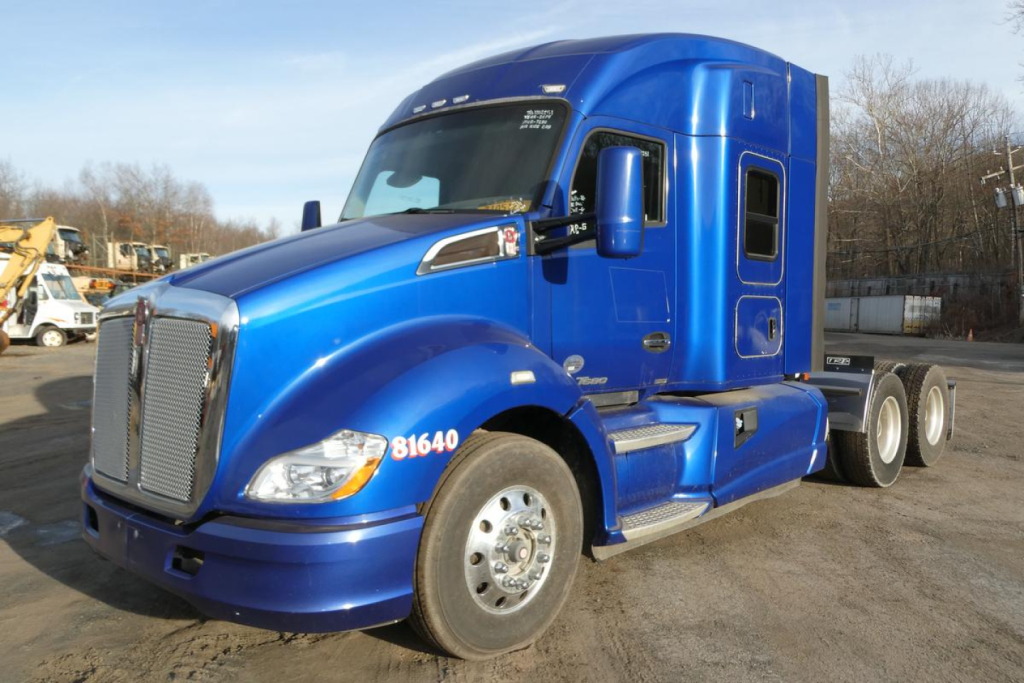
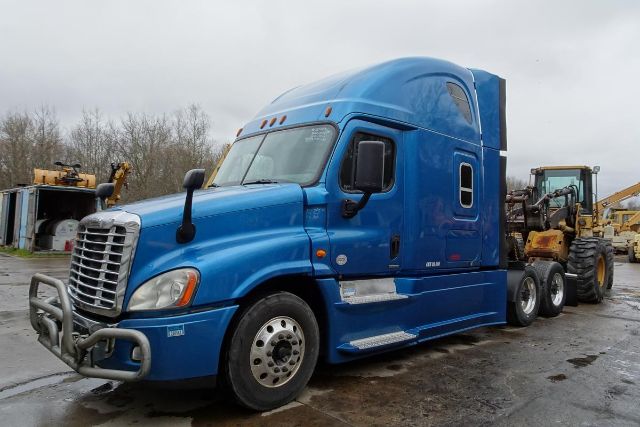
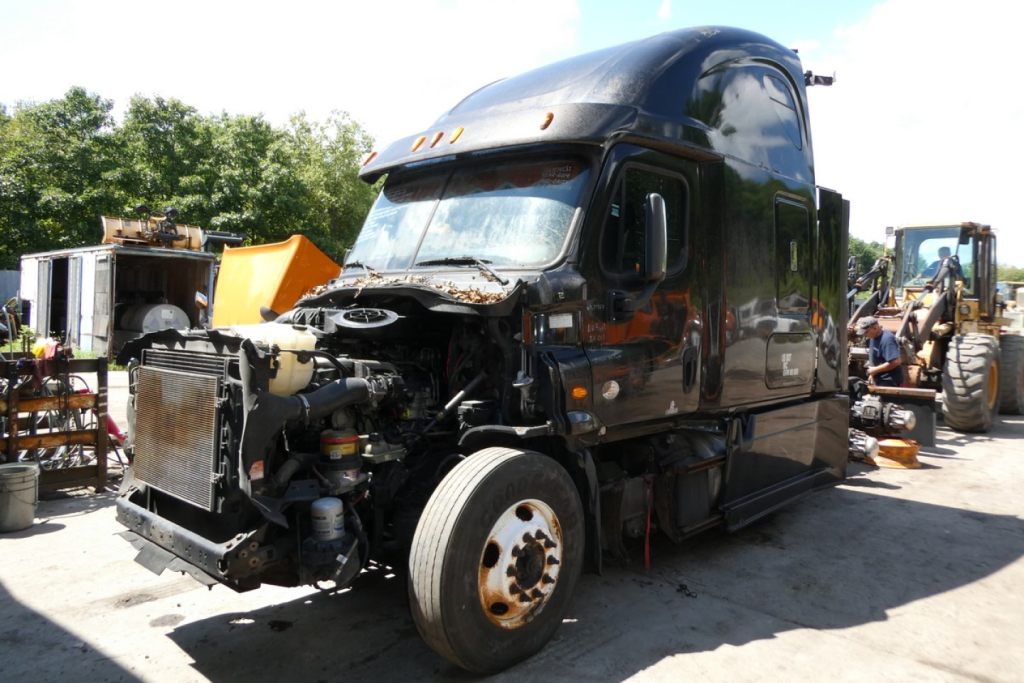
Selling a 2014 conventional sleeper truck? List your 2014 conventional sleeper truck for sale and reach thousands of commercial buyers.
2014 Conventional Sleeper Trucks in New York
The first decision is usually powertrain. Many 2014 conventional sleepers were spec'd with engines like the Paccar MX-13, Detroit DD15, Cummins ISX, or Volvo D13, typically in the 400 to 500 horsepower range with 10-speed, 13-speed, or automated transmissions. Rear axle ratios often fall in the fuel-economy range for highway use, but the right ratio depends on your lanes, gross combination weight, and average cruise speed. A buyer should look closely at engine hours versus odometer miles, maintenance history, emissions system repairs, and whether the truck has an engine brake, PTO provision, power divider, and an air slide fifth wheel. These details tell you a lot about how the tractor was used and how flexible it will be for your operation.
Cab and chassis specs matter just as much as the engine. Conventional sleepers, also known as sleeper tractors or highway sleeper trucks, are commonly built with wheelbases around the low-200-inch range, tandem 40,000-pound rears, and front axles around 12,000 to 13,200 pounds. Sleeper sizes can range from compact 40-inch bunks to larger mid-roof and high-roof sleepers with double-bunk layouts. For a New York buyer, overall maneuverability, bridge-law considerations, and turning radius can be important if the truck will spend time in tighter terminals, borough deliveries, or older distribution centers. Tire size, suspension type, frame layout, and aluminum versus steel wheels all affect ride, tare weight, and service costs.
Condition is where 2014 units can vary the most. Some were maintained on consistent highway miles and still have strong remaining value as over-the-road tractors. Others may need immediate attention to emissions components, APUs, bunk HVAC, suspension wear, clutch life, or driveline items. A serious buyer should verify ECM data, inspect the DPF and SCR history, check for oil and coolant contamination, confirm sleeper accessories function properly, and compare wheelbase and cab-to-axle dimensions to the trailer types being pulled. On a 2014 conventional sleeper, the best value is usually the truck with the clearest service history and the spec that matches the route, not just the lowest asking price.
Frequently Asked Questions about 2014 Conventional Sleeper Trucks in New York
What is a 2014 conventional sleeper truck best suited for?
A 2014 conventional sleeper truck is best suited for regional and long-haul freight where the driver needs overnight accommodations and the operation benefits from a highway-oriented tractor. Common applications include dry van, refrigerated freight, flatbed, and general over-the-road work. Many 2014 sleepers were built with aerodynamic bodywork, tandem drive axles, and fuel-efficient gearing, which makes them a strong fit for loaded interstate miles rather than strictly local stop-and-go service.
What engines and transmissions are common in 2014 conventional sleeper tractors?
Common engines in this category include the Paccar MX-13, Detroit DD15, Cummins ISX, and Volvo D13, generally rated from about 400 to 500 horsepower. Transmissions can include 10-speed and 13-speed manuals as well as automated manual options, depending on make and original fleet spec. Buyers should match horsepower, torque, transmission type, and rear axle ratio to the freight being hauled, because the wrong combination can hurt fuel economy, gradeability, and driver acceptance.
What should I inspect first on a used 2014 sleeper truck?
Start with maintenance records, ECM mileage and hours, and evidence of major engine or emissions repairs. On a 2014 truck, the DPF, SCR, DEF-related components, turbocharger, EGR system, suspension, clutch or automated transmission calibration, and bunk climate systems deserve close attention. A pre-purchase inspection should also include frame condition, fifth wheel wear, driveline play, tire wear patterns, brake measurements, and signs of coolant or oil cross-contamination.
How important are sleeper size and wheelbase on a conventional sleeper?
Sleeper size and wheelbase directly affect driver comfort, maneuverability, and how the truck fits your trailer setup. A 40-inch sleeper can work well for regional or shorter overnights, while a 54-inch or 60-inch high-roof sleeper gives more room for long-haul use and team operations. Wheelbase influences turning radius, bridge-law flexibility, and the gap to the trailer, so it should be reviewed along with cab-to-axle and fifth wheel position before buying.
Is a 2014 conventional sleeper truck a good value compared with newer models?
A 2014 conventional sleeper can offer strong value when the truck has a sound service history and a spec that fits the job. This model year often gives buyers access to aerodynamic designs, modern sleepers, and proven heavy-duty drivetrains at a lower acquisition cost than newer tractors. The tradeoff is that age-related repair exposure is higher, especially in emissions and auxiliary systems, so value depends more on condition, records, and prior use than on model year alone.