
2014 Freightliner Conventional Sleeper Trucks For Sale
Shop 2014 Freightliner conventional sleeper trucks. Compare Cascadia specs, DD13 or DD15 power, sleeper sizes, wheelbase, and fuel economy.
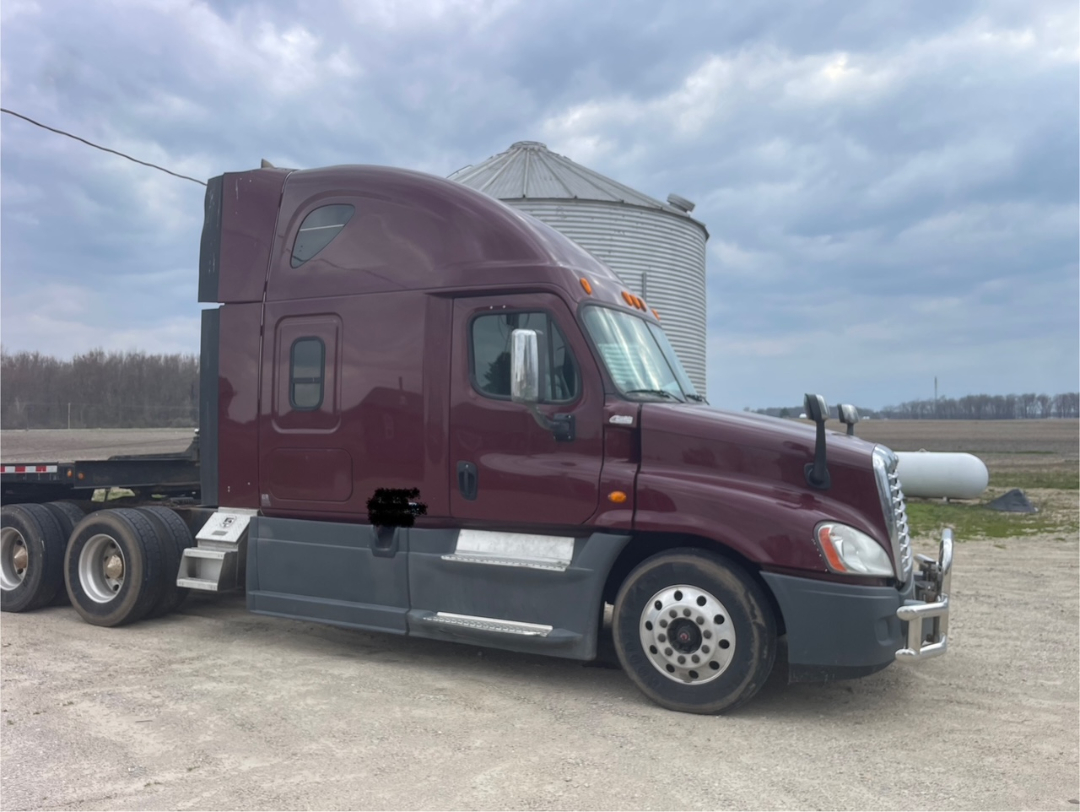
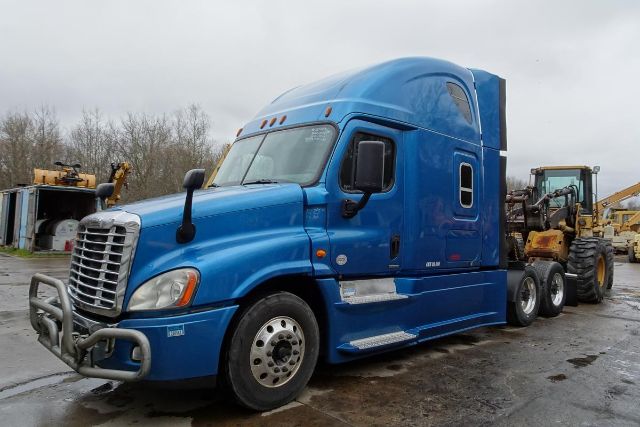
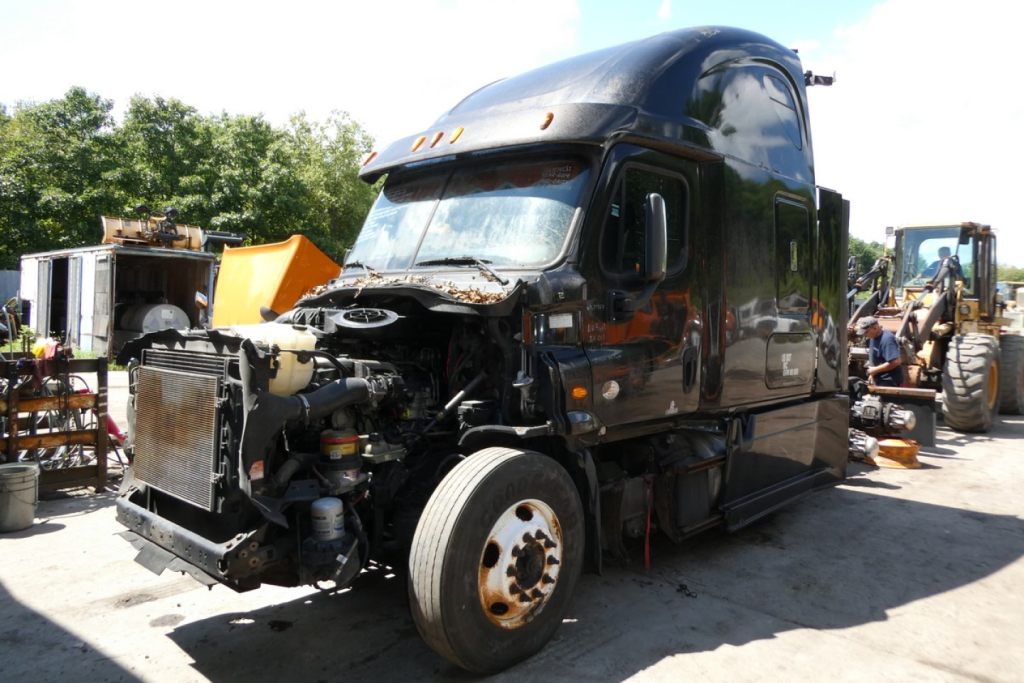
Selling a 2014 freightliner conventional sleeper truck? List your 2014 freightliner conventional sleeper truck for sale and reach thousands of commercial buyers.
2014 Freightliner Conventional Sleeper Trucks
For a buyer comparing listings, sleeper size, wheelbase, rear axle ratio, and transmission setup usually matter more than cosmetic differences. A raised-roof sleeper is common in this class and fits over-the-road use better than a mid-roof for teams or drivers spending multiple nights in the truck. Wheelbases often fall in the low- to mid-220-inch range, but exact spec depends on fuel capacity, fairing package, and fifth wheel placement. Detroit DT12 automated manuals appear on many Freightliners from this era, while 10-speed and 13-speed manual transmissions are still common in some fleets. Rear axle ratios such as 2.64, 2.85, or 3.08 can tell you a lot about the truck’s intended duty cycle, cruise RPM, and fuel mileage potential.
A 2014 Freightliner sleeper should also be evaluated for chassis and cab spec, not just drivetrain. Look at suspension type, front axle rating, fuel tank capacity, brake configuration, and whether the truck has disc or drum brakes. Aerodynamic packages with side fairings, cab extenders, and chassis skirts can make a noticeable difference in highway fuel burn. Inside the cab, check for bunk layout, storage, inverter prep, APU installation, and the condition of seats, HVAC, and dash electronics. Freightliner parts availability is a major advantage in this category, and the Cascadia platform is widely supported by dealers, independent shops, and aftermarket suppliers.
The most important buying decision on a 2014 conventional sleeper is condition relative to application. A truck set up for van and reefer lanes may not be ideal for heavier flatbed or bulk work if axle ratio, horsepower, and wheelbase are wrong for the job. Service records matter on these trucks because emissions components, aftertreatment maintenance, and software updates can affect uptime as much as the base engine itself. Buyers looking for a dependable used road tractor often narrow the field by mileage, idle hours, maintenance history, and evidence of recent work on the DPF, DEF, turbo, clutch, or transmission. When the spec matches the lane and the maintenance history is solid, a 2014 Freightliner conventional sleeper can still be a cost-effective highway truck.
Frequently Asked Questions about 2014 Freightliner Conventional Sleeper Trucks
What engine options are common in a 2014 Freightliner conventional sleeper truck?
Most 2014 Freightliner conventional sleeper trucks, especially Cascadias, are equipped with Detroit engines such as the DD13 or DD15. The DD13 is often chosen for lighter freight and fuel-conscious regional work, while the DD15 is more common in over-the-road applications that need stronger torque and broader resale appeal. Horsepower ratings vary by fleet spec, but many fall in the 410 to 505 HP range. Buyers should verify engine family, horsepower, torque rating, and emissions service history before making a decision.
Is a 2014 Freightliner sleeper truck a good choice for long-haul operations?
Yes, if the truck is properly spec'd and has a solid maintenance record. A 2014 Freightliner sleeper was built for highway use and is commonly found with aerodynamic bodywork, larger fuel capacity, and raised-roof sleepers suited for multi-day trips. The key is matching the truck to the freight and route profile. Long-haul buyers should pay close attention to sleeper size, fuel tank setup, axle ratio, transmission type, and signs of consistent preventive maintenance on the engine and aftertreatment system.
What should I check on the emissions system of a 2014 Freightliner?
A 2014 model uses modern emissions equipment, so the DPF, DEF system, SCR components, sensors, and related software history are critical. Buyers should look for documentation showing DPF cleaning intervals, injector or doser work, DEF pump or sensor replacement, and any recent fault code diagnostics. Repeated derate issues or incomplete repair history can turn a low-priced truck into an expensive downtime problem. A pre-purchase inspection with a full ECM scan is a smart step on this model year.
What transmission is most common in a 2014 Freightliner conventional sleeper?
Both manual and automated manual transmissions are common, depending on how the truck was originally ordered. Freightliner buyers often see Detroit DT12 automated transmissions in fleet-spec trucks, while 10-speed and 13-speed manuals are still present in owner-operator or mixed-duty applications. The best choice depends on driver preference, terrain, payload, and maintenance priorities. An automated manual can improve driver consistency and fuel economy, but the clutch actuator, software calibration, and service history should be checked carefully.
What makes the Freightliner Cascadia popular in the used sleeper truck market?
The Cascadia remains popular because it combines strong parts support, broad dealer coverage, and a chassis design that was widely adopted across major fleets. That means buyers can usually find more service information, replacement components, and used market comparables than with less common sleeper tractors. It is also known for aerodynamic efficiency and a driver-friendly cab layout. In the used market, that translates into easier upkeep, familiar repair procedures, and strong relevance for van, reefer, and general highway freight.