
Conventional Sleeper Trucks For Sale in New Jersey
Browse conventional sleeper trucks with common specs, sleeper sizes, drivetrain options, and long-haul features for New Jersey fleets.
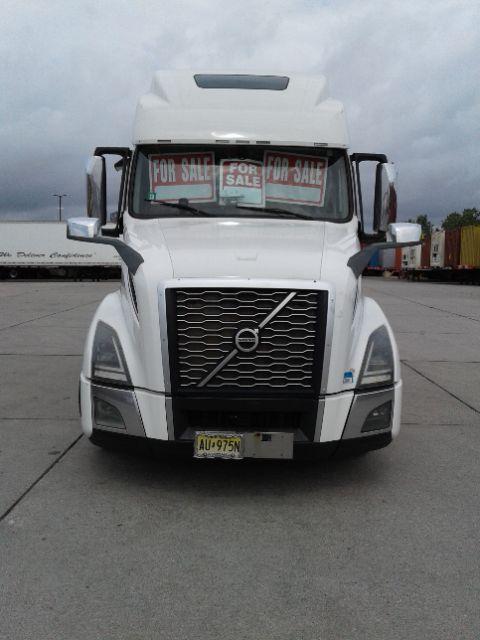
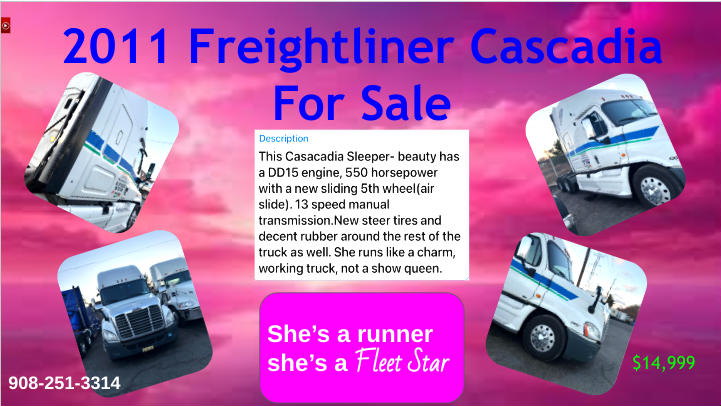

Selling a conventional sleeper truck? List your conventional sleeper truck for sale and reach thousands of commercial buyers.
Conventional Sleeper Trucks in New Jersey
The biggest buying decisions usually start with sleeper size, powertrain, and wheelbase. Common sleeper sizes range from about 60 to 72 inches, with double-bunk and high-rise configurations showing up often in trucks meant for team driving or extended trips. Engine ratings in this class commonly fall between 425 and 500 horsepower, with popular platforms including Detroit, Volvo D13, Mack MP8, Cummins X15, and Paccar MX series engines. Buyers will also see a mix of 10-speed and 13-speed manuals, plus automated manual transmissions such as Volvo I-Shift, Mack mDrive, and Detroit DT12. For Northeast service, many buyers prefer a setup that balances maneuverability with ride quality, especially when operating in tighter terminals, port areas, and older industrial zones.
Spec details matter more in sleeper trucks because driver retention and uptime are tied directly to the cab environment. Air ride suspension, air ride cab, aluminum wheels, engine brakes, APUs, sliding fifth wheels, fairings, dual fuel tanks, and well-kept bunk interiors all add value depending on the route profile. A high-rise sleeper with storage, fridge space, and room for a microwave can make a noticeable difference on longer runs. On used conventional sleepers, it is smart to look closely at emissions system history, transmission calibration, fifth wheel wear, bunk HVAC performance, tire match, brake percentages, and service records. Mileage alone does not tell the story if the truck has been fleet-maintained and the major components have documented work.
A good conventional sleeper truck should match the freight and the operating region, not just the price point. Shorter wheelbase sleepers can work well for regional freight and crowded yards, while larger sleepers and higher horsepower ratings make more sense for team service, heavier loads, and longer interstate runs. Buyers comparing listings should pay attention to axle ratings, suspension type, bunk layout, fuel capacity, and transmission style, along with practical items like fairings, mirrors, seating, and storage. When the truck is properly spec'd, a conventional sleeper can cover a wide range of applications while giving the driver a safer, more comfortable work and rest environment.
Frequently Asked Questions about Conventional Sleeper Trucks in New Jersey
What is a conventional sleeper truck used for?
A conventional sleeper truck is used for freight operations that require overnight or multi-day travel. It combines a standard hooded tractor design with an integrated sleeper compartment behind the cab, giving the driver a place to rest between shifts. This makes it a common choice for long-haul van freight, refrigerated freight, dedicated contract lanes, and regional operations with frequent overnight runs.
What sleeper size is best for a conventional sleeper tractor?
The best sleeper size depends on haul length, driver count, and available yard space. A 60-inch sleeper can be a practical fit for regional or solo operations where maneuverability matters. A 70-inch or 72-inch high-rise sleeper is more common for longer runs, team driving, and fleets that want more storage and living space. Larger sleepers usually improve driver comfort, but they also add weight and can increase overall wheelbase.
Are automatic or manual transmissions better in conventional sleeper trucks?
Automated manual transmissions are now very common in conventional sleeper trucks because they simplify operation, reduce driver fatigue, and can improve fuel economy when paired with the right engine calibration. Manual transmissions still appeal to some buyers who want direct control, lower upfront cost, or familiarity in certain applications. The better choice depends on driver preference, maintenance support, route terrain, and how closely the truck's gearing matches the freight.
What should I inspect on a used conventional sleeper truck?
On a used conventional sleeper truck, buyers should inspect engine and emissions history, transmission operation, clutch condition if equipped, differential noise, suspension wear, frame condition, fifth wheel wear, tire match, and brake life. The sleeper area should also be checked for HVAC performance, bunk condition, water leaks, cabinet damage, and signs of electrical problems from APUs or inverter systems. Maintenance records are especially important because they show how the truck was serviced, not just how many miles are on the odometer.
Why are conventional sleeper trucks popular for Northeast freight?
Conventional sleeper trucks are popular for Northeast freight because they can handle a wide range of applications, from port dray and regional overnight runs to full interstate service. Buyers can spec them with enough sleeper room for driver comfort while still keeping wheelbase manageable for tighter terminals and congested corridors. Their flexibility, parts support, and broad selection of engine and transmission combinations make them a practical fit for fleets and owner-operators working in demanding regional conditions.