
Conventional Sleeper Trucks For Sale in Florida
Shop conventional sleeper trucks in Florida with raised-roof cabs, 70-inch sleepers, 400-445 HP engines, and highway-ready specs.
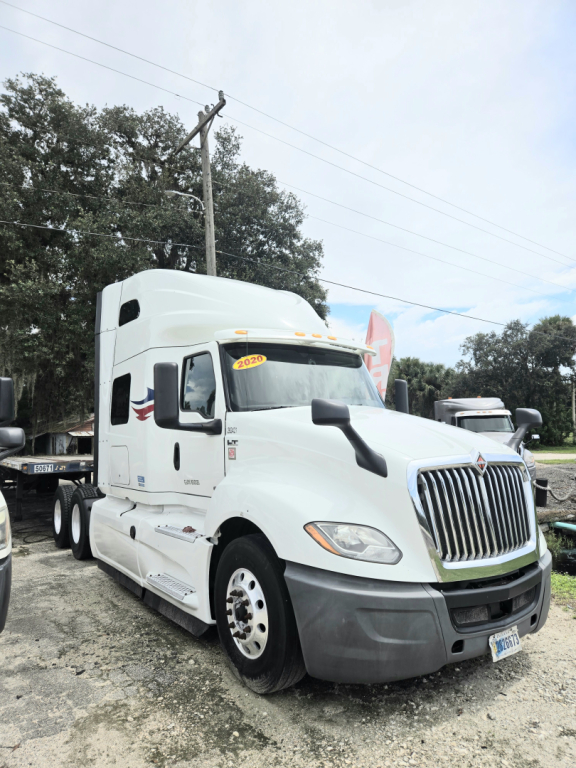
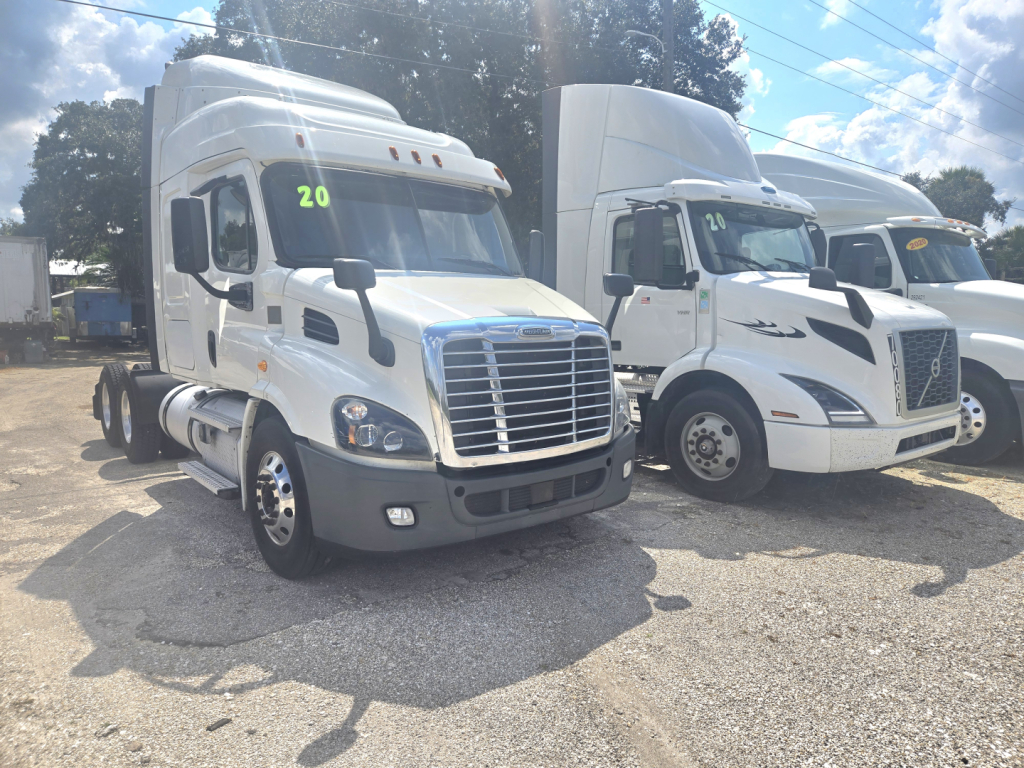
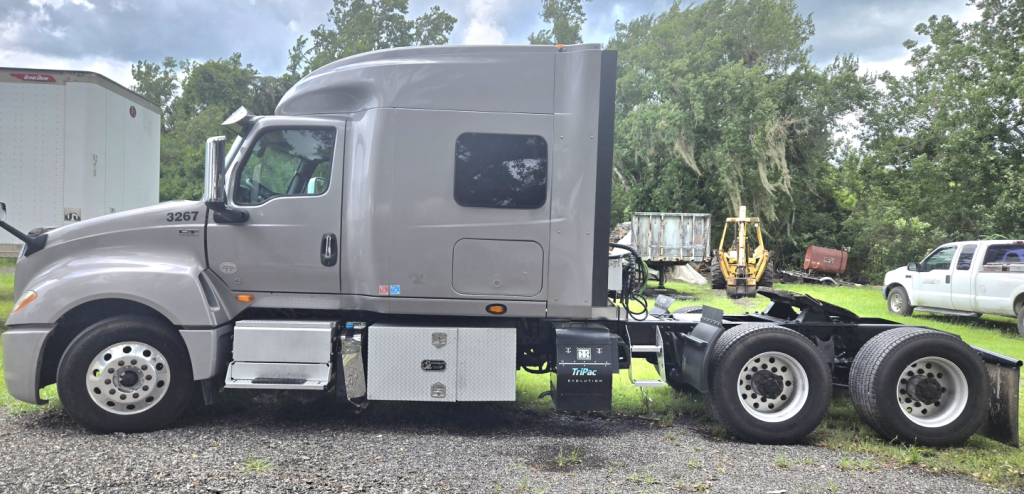
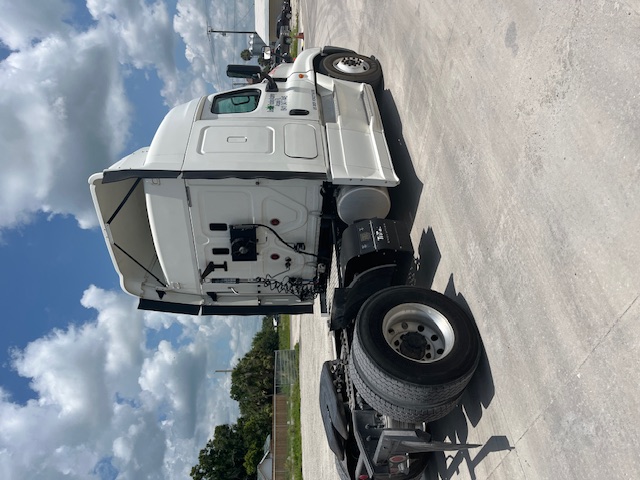
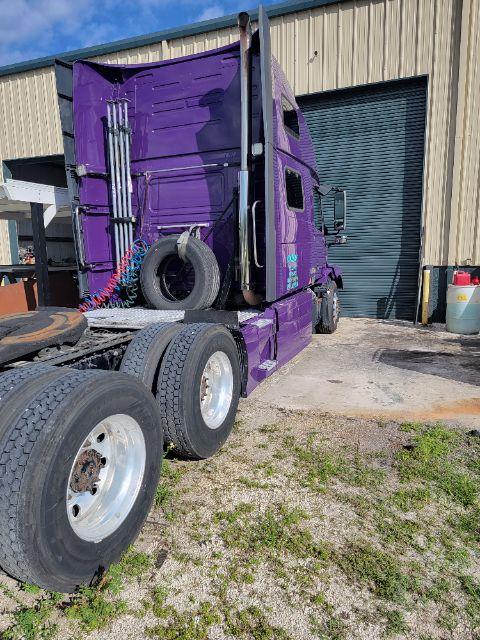
Selling a conventional sleeper truck? List your conventional sleeper truck for sale and reach thousands of commercial buyers.
Conventional Sleeper Trucks in Florida
The sample specs in this category point to late-model fleet tractors with 400 to 445 horsepower diesel engines, automated manual transmissions such as Volvo I-Shift and Mack mDrive, and 40,000 lb rear axles. That is a common sweet spot for highway freight. Ratios around 2.64 are designed for fuel-efficient cruising at interstate speeds, especially when matched with direct-drive or overdrive automated transmissions. Many conventional sleepers in this class also use air ride suspension, engine brakes, air slide fifth wheels, and low-profile 22.5 tires. Raised-roof and stand-up sleepers, often in the 70-inch range, matter if the truck will stay out for multiple nights or run team service. Features like bunk heaters, auxiliary power units, cab extenders, roof fairings, and side fairings also have a direct impact on driver comfort and idle reduction.
A buyer comparing conventional sleeper trucks should look closely at application before choosing a spec. For Southeast regional and long-haul van freight, an aerodynamic tractor with a lighter spec, 218 to 228 inch wheelbase, disc brakes, and a fuel-efficient rear ratio can make sense. For heavier freight or more demanding terrain, horsepower, torque rating, and axle spec deserve more weight than sleeper amenities alone. It is also worth checking how the truck is equipped for the trailer mix you plan to pull, including fifth wheel travel, fairing setup, frame length, and PTO availability if special equipment is involved. Florida buyers often pay extra attention to air conditioning performance, cooling system service history, corrosion around coastal operations, and overall cab condition because heat, humidity, and year-round use can accelerate wear in predictable areas.
Late-model conventional sleepers from major OEMs such as Volvo and Mack are built around uptime, aerodynamics, and driver retention. That means good parts support, widespread service networks, and integrated powertrain controls that can improve fuel economy when the truck is spec'd correctly. When comparing listings, focus on engine family, transmission model, rear axle ratio, sleeper configuration, brake type, and maintenance history before cosmetic items. Those core decisions do more to determine resale value and operating efficiency than trim level alone.
Frequently Asked Questions about Conventional Sleeper Trucks in Florida
What is a conventional sleeper truck?
A conventional sleeper truck is a Class 8 highway tractor with a front hood and engine compartment, plus a sleeper compartment mounted behind the cab seats. It is the most common tractor design for over-the-road freight because it combines better service access than a cabover with onboard rest space for solo or team drivers.
What sleeper size is best for long-haul trucking?
A 70-inch stand-up sleeper is a strong fit for long-haul work because it gives the driver enough room to sleep, store gear, and spend multiple nights on the road with less fatigue. Smaller sleepers can work for regional operations, but fleets running extended trips usually prefer a raised-roof sleeper with more headroom and storage.
Is a 2.64 rear axle ratio good for a conventional sleeper?
A 2.64 ratio is a common fuel-economy spec for highway tractors running steady interstate speeds with automated manual transmissions. It helps lower engine rpm and can improve fuel mileage on dry van and reefer lanes, but it should be matched to engine torque, tire size, gross weight, and route profile so the truck is not under-spec'd for heavy loads or stop-and-go work.
What should I check first on a used conventional sleeper truck?
Start with the maintenance history, engine hours, idle hours, transmission model, aftertreatment service record, and axle ratio. Then inspect the sleeper condition, HVAC performance, bunk equipment, tires, brakes, suspension, and fifth wheel wear. On Florida trucks, also pay attention to cooling system condition, sun exposure inside the cab, and corrosion around battery boxes, frame hardware, and exterior components exposed to coastal air.
Are automated manual transmissions common in conventional sleeper trucks?
Yes. Automated manual transmissions are now standard in much of the late-model sleeper market because they improve driver consistency, reduce clutch-related wear, and support fuel-saving shift logic. Systems like Volvo I-Shift and Mack mDrive are common in fleet-spec highway tractors and are widely accepted in long-haul and regional operations.