
2017 Conventional Sleeper Trucks For Sale in Florida
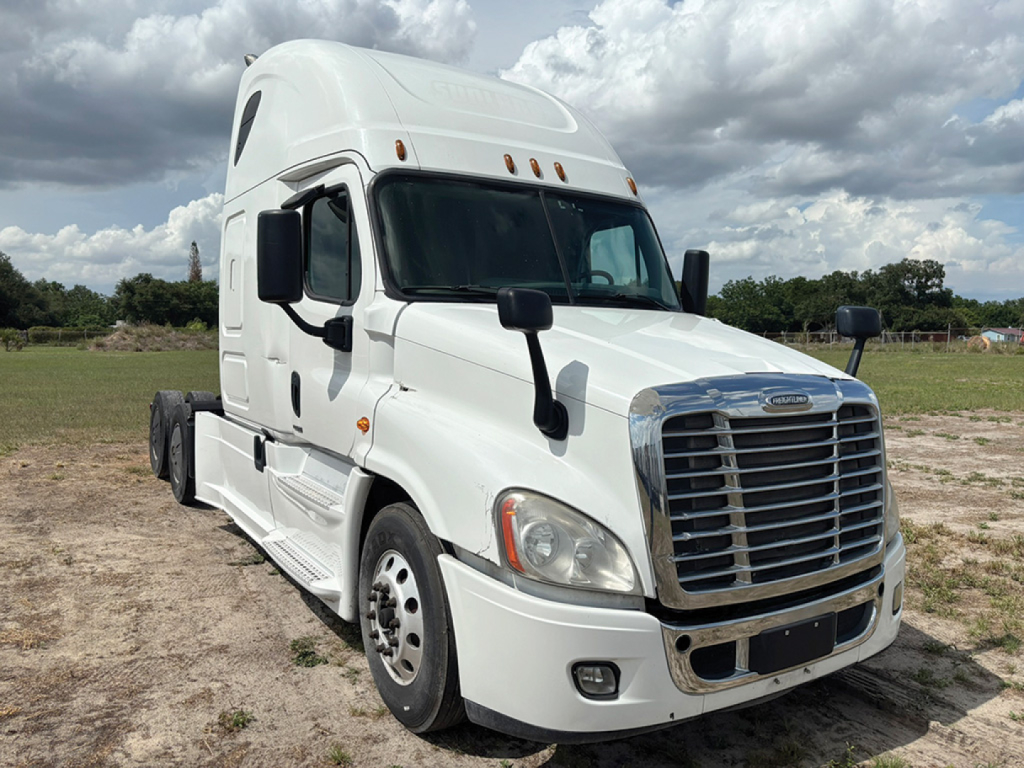
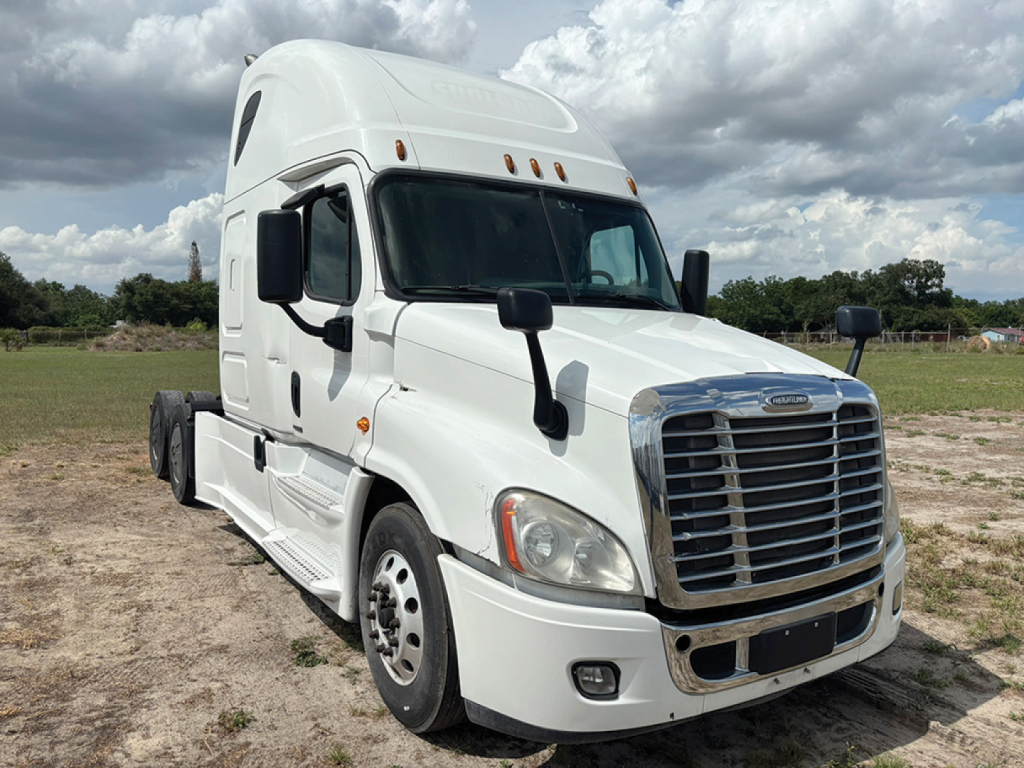
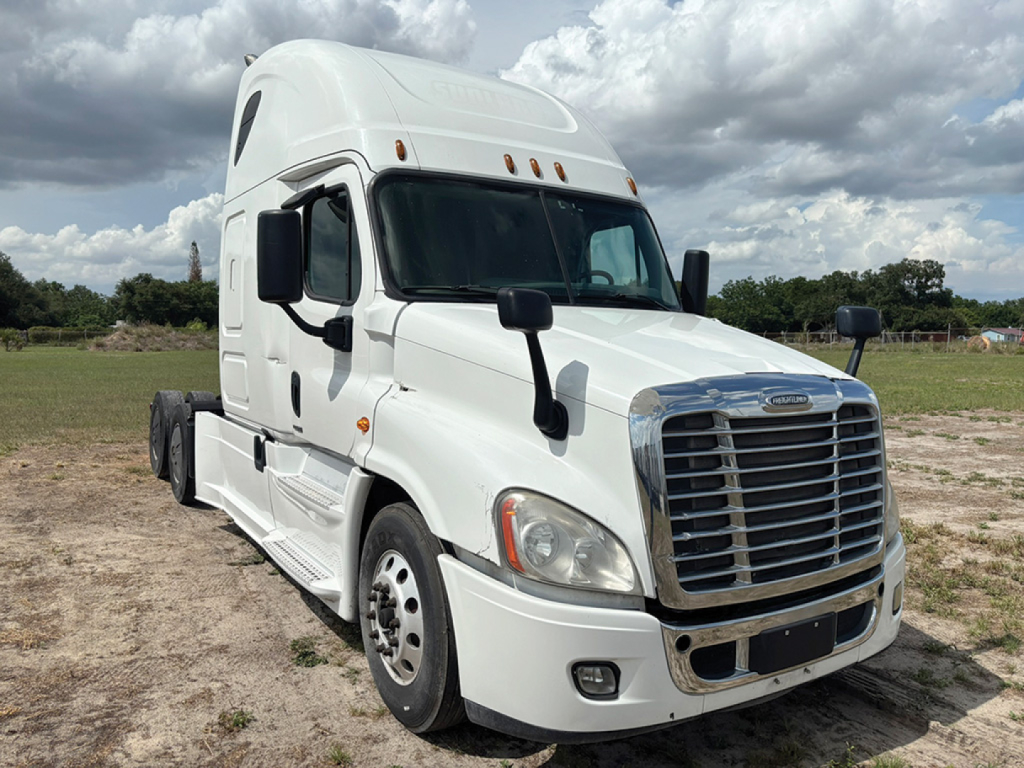
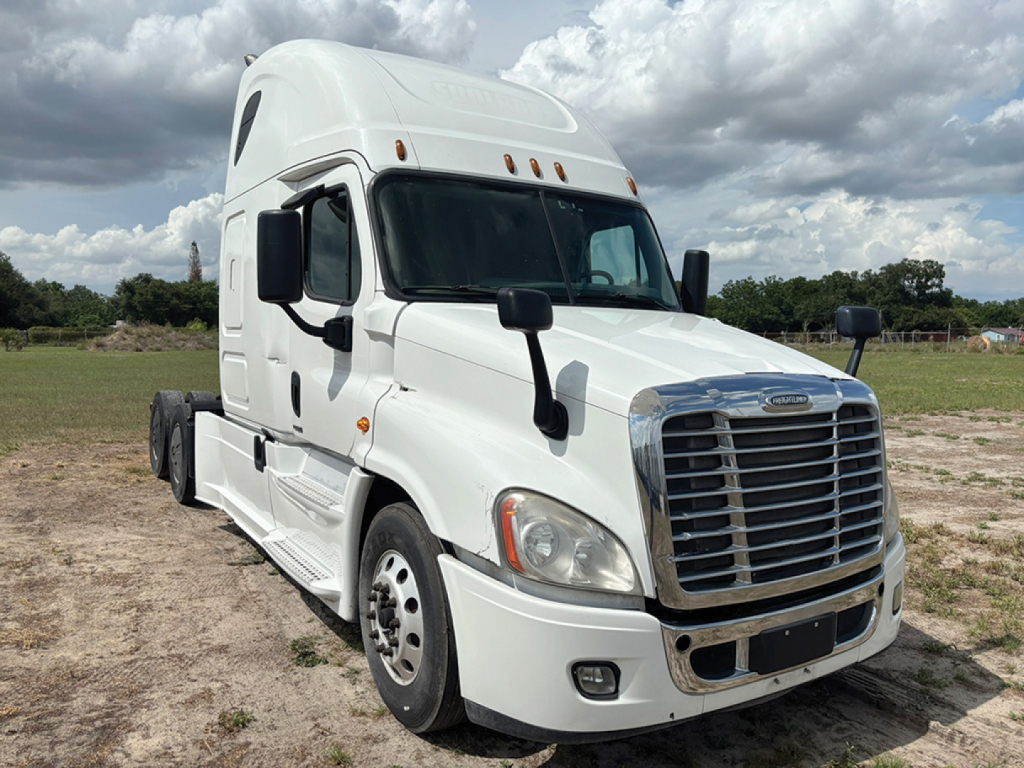
Have 2017 conventional sleeper truck to sell? List it here to reach thousands of buyers.
2017 Conventional Sleeper Trucks in Florida
Powertrain selection matters more than almost any other buying decision in this category. Many 2017 sleeper tractors came with engines in the 400 to 500 horsepower range, including the Detroit DD15, Cummins X15, PACCAR MX-13, and Volvo D13, typically paired with automated manual transmissions or 10-speed and 13-speed manuals. Rear axle ratings around 40,000 pounds and highway gearing in the 2.64 to 3.08 range are common on fleet-spec trucks. In Florida, that kind of spec makes sense for dry van, reefer, and general freight applications where fuel economy, lower cruise RPM, and driver comfort usually take priority over heavy vocational gearing.
Sleeper layout and wheelbase should be matched to the freight lane and driver schedule. A 60-inch to 72-inch raised-roof sleeper is common on 2017 conventional sleeper trucks, often with upper bunks, storage cabinets, bunk heaters, and room for an APU or inverter setup. Trucks with air slide fifth wheels offer flexibility for trailer balance and kingpin settings, which can help when pulling different trailer types. Buyers should also look closely at suspension type, tire size, wheel material, collision mitigation features, and whether the truck has disc or drum brakes. These details affect maintenance cost, ride quality, and resale just as much as engine brand.
Condition is the real separator in this age group. Service history, emissions performance, transmission calibration, idle hours, and signs of liner, DPF, turbo, or aftertreatment work deserve close attention on any 2017 conventional sleeper. For Florida operators, cooling system health and air conditioning performance matter year-round, and corrosion exposure may be lower on in-state trucks than on equipment that spent time in northern road salt regions. A well-maintained 2017 conventional sleeper can still be a strong revenue truck for linehaul, regional freight, or lease-on work, provided the spec matches the route, trailer, and maintenance budget.
Frequently Asked Questions about 2017 Conventional Sleeper Trucks in Florida
What is a conventional sleeper truck?
A conventional sleeper truck is a highway tractor with a front hood engine layout and an integrated sleeping compartment behind the cab. It is designed for over-the-road operation where drivers need rest space, storage, and better living comfort between loads. In the used market, conventional sleeper trucks are also commonly called sleeper semis, sleeper tractors, or road tractors.
What engines are common in 2017 conventional sleeper trucks?
Common engines in 2017 conventional sleeper trucks include the Detroit DD15, Cummins X15, Volvo D13, and PACCAR MX-13. Most were spec'd in the 400 to 500 horsepower range for linehaul applications. The best choice depends on your preferred dealer network, maintenance familiarity, and whether the truck will spend most of its time on flat interstate lanes or in heavier stop-and-go service.
Are 2017 conventional sleeper trucks a good fit for Florida freight?
Yes, many 2017 conventional sleeper trucks are well suited for Florida freight, especially dry van, reefer, retail distribution, and regional interstate work. Aerodynamic sleepers with fuel-efficient rear axle ratios perform well on long highway runs and port-connected freight corridors. Buyers in Florida should pay special attention to cooling system condition, A/C performance, and idle management because heat and humidity add wear to comfort and thermal systems.
What sleeper size should I look for in a 2017 conventional truck?
A 60-inch sleeper usually works for regional routes and solo drivers who spend fewer consecutive nights on the road. A 72-inch raised-roof sleeper is more common for long-haul work because it provides better standing room, storage, and team-driver flexibility. The right sleeper size depends on route length, downtime in the truck, and whether the truck needs space for an upper bunk, refrigerator, inverter, or APU setup.
What should I inspect before buying a used 2017 conventional sleeper truck?
Start with engine hours, mileage, maintenance records, and fault-code history. Then check the emissions system, transmission operation, tires, brakes, suspension, fifth wheel, and sleeper equipment such as HVAC, bunk heater, and electrical accessories. On a 2017 model, proof of consistent preventive maintenance is often more important than brand alone because aftertreatment repairs, neglected cooling systems, and deferred driveline service can quickly change the real cost of ownership.