
2017 Conventional Sleeper Trucks For Sale
Shop 2017 conventional sleeper trucks with specs for long-haul freight, including engine, sleeper, wheelbase, axle ratio, and drivetrain details.
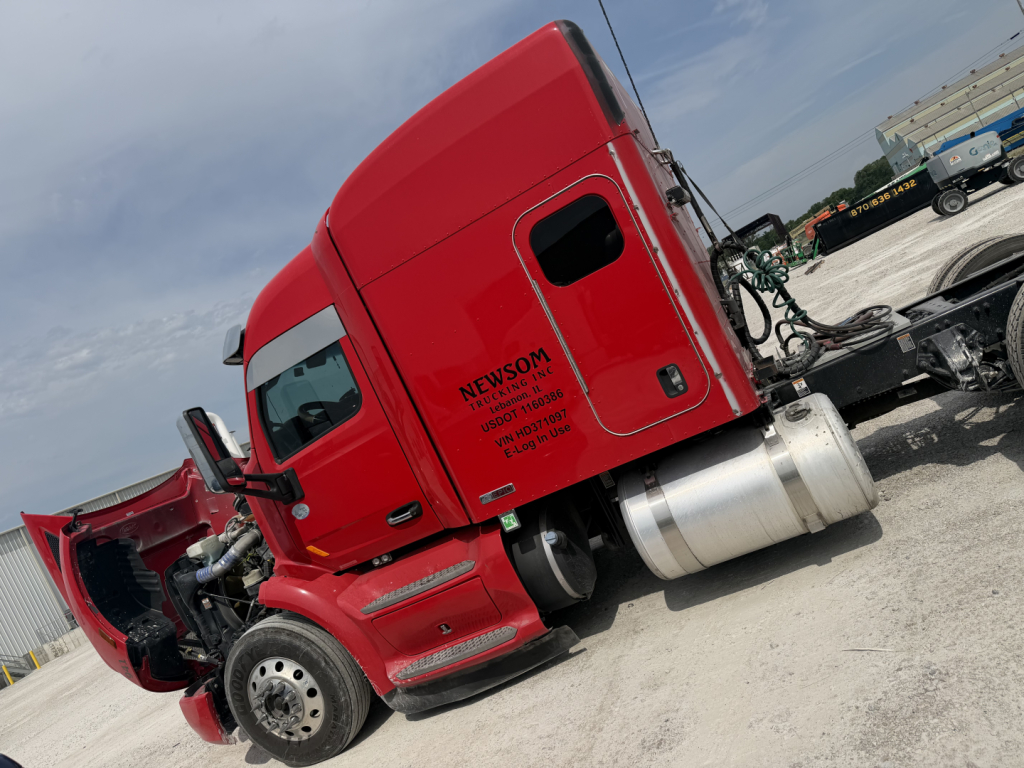
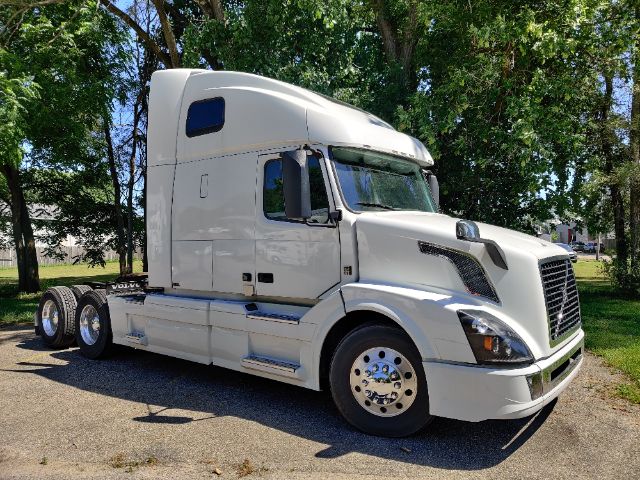
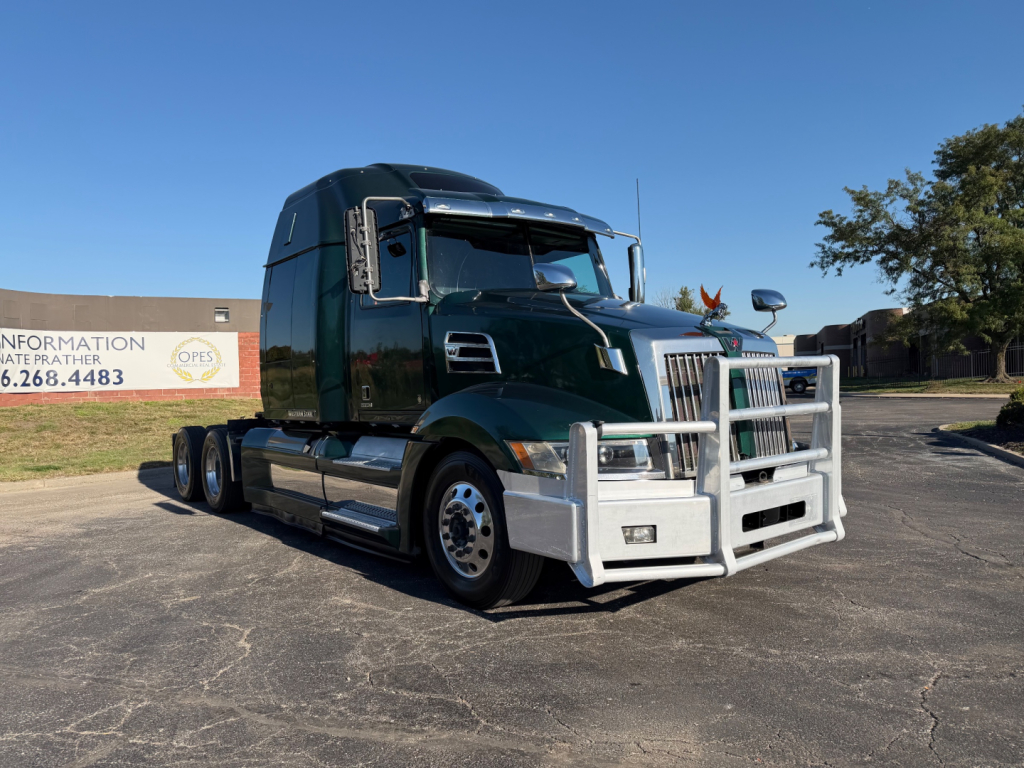
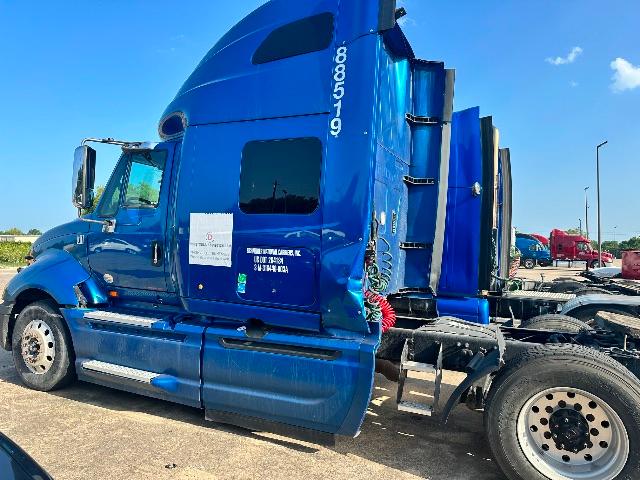
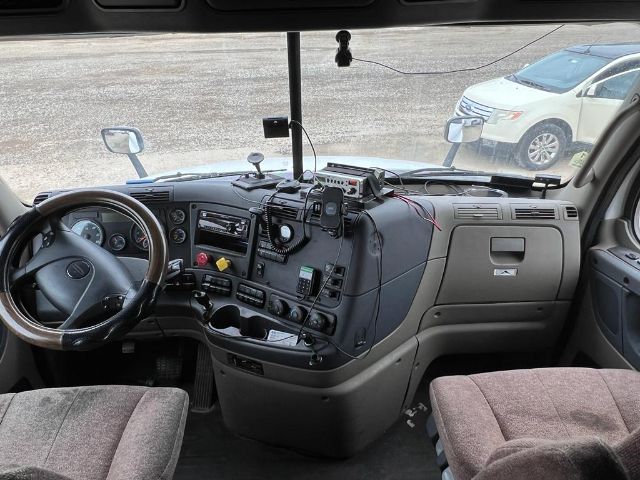

Selling a 2017 conventional sleeper truck? List your 2017 conventional sleeper truck for sale and reach thousands of commercial buyers.
2017 Conventional Sleeper Trucks
The biggest buying decision usually starts with the powertrain. In 2017 conventional sleeper trucks, common engine ratings often fall in the 400 to 500 horsepower range, paired with torque outputs suited for highway cruising, heavier gross combination weights, or mountain service. Buyers comparing these trucks should look closely at engine family, transmission model, rear axle ratio, and wheelbase because those specs directly affect fuel economy, cruise RPM, drivability, and trailer compatibility. A 2.64 to 2.85 ratio can make sense for lighter long-haul freight and fuel-focused operations, while a 3.08 to 3.36 ratio may better fit mixed terrain, heavier loads, or more frequent starts. Wheelbase matters too, especially if the truck needs to balance ride quality, fuel capacity, and maneuverability in tighter terminals.
Sleeper layout is just as important as driveline spec. Many 2017 conventional sleeper trucks came with 56-inch, 70-inch, 72-inch, or 76-inch sleepers, with options such as single or double bunks, refrigerator cabinets, inverters, bunk heaters, storage packages, and workstation-style interiors. A fleet running regional slip-seat operations may prefer a simpler mid-roof sleeper with lower weight, while teams or long-haul solo drivers often lean toward raised-roof models with more standing room and better living space. Fairings, cab extenders, fuel tank size, and APU or idle-management equipment can also affect operating cost and driver retention, so those details deserve the same attention as horsepower.
Condition and service history matter more than badge alone in this category. A 2017 conventional sleeper should be reviewed for aftertreatment performance, clutch or automated transmission service records, suspension wear, brake type, tire condition, and signs of prior downtime. Buyers should also confirm front axle rating, rear axle capacity, fifth wheel setup, and any driver-assist systems if the truck will be matched to a specific trailer pool or freight contract. When the spec is right, a 2017 conventional sleeper truck can still be a strong revenue unit for linehaul, regional haul, refrigerated freight, and general dry van work.
Frequently Asked Questions about 2017 Conventional Sleeper Trucks
What should I check first on a 2017 conventional sleeper truck?
Start with the engine, transmission, axle ratio, mileage, and maintenance history. On a 2017 sleeper, aftertreatment records are especially important, including any repairs to the DPF, SCR, DEF system, sensors, or related components. Buyers should also review wheelbase, front and rear axle ratings, sleeper size, and brake spec to make sure the truck fits the intended trailer and freight application.
Is a 2017 conventional sleeper truck good for long-haul operations?
Yes, many 2017 conventional sleeper trucks were built specifically for over-the-road freight and still fit long-haul service well when properly maintained. This model year commonly offers aerodynamic packages, larger fuel capacity, automated manual transmissions, and sleeper amenities that support driver comfort and fuel efficiency. The key is matching the truck's gearing, horsepower, and sleeper layout to the lane structure and payload.
What sleeper sizes are common on 2017 conventional sleeper trucks?
Common sleeper sizes in this category include 56-inch, 70-inch, 72-inch, and 76-inch configurations, depending on make and model. Mid-roof sleepers tend to save weight and can suit regional or shorter OTR lanes, while raised-roof sleepers provide more headroom and storage for extended trips. Interior options may include upper bunks, refrigerators, bunk heaters, inverters, cabinets, and workstation-style layouts.
Are automated transmissions common in 2017 conventional sleeper trucks?
Yes, automated manual transmissions are very common in 2017 conventional sleeper trucks. By this model year, many fleets had already standardized on automated gearboxes for fuel economy, driver recruiting, and reduced clutch wear. Buyers should still confirm transmission model, software update history, clutch condition where applicable, and how the gearing matches the rear axle ratio and typical operating speed.
What axle ratio works best in a 2017 sleeper tractor?
The best axle ratio depends on freight weight, terrain, cruise speed, and engine-transmission combination. Lower numerical ratios such as 2.64, 2.79, or 2.85 are often chosen for highway fuel economy and lighter long-haul work, while 3.08 or 3.25 ratios may better support heavier loads or routes with more grades. The ratio should always be considered alongside tire size, top gear, and target road speed, not by itself.