
2017 Conventional Sleeper Trucks For Sale in Nevada
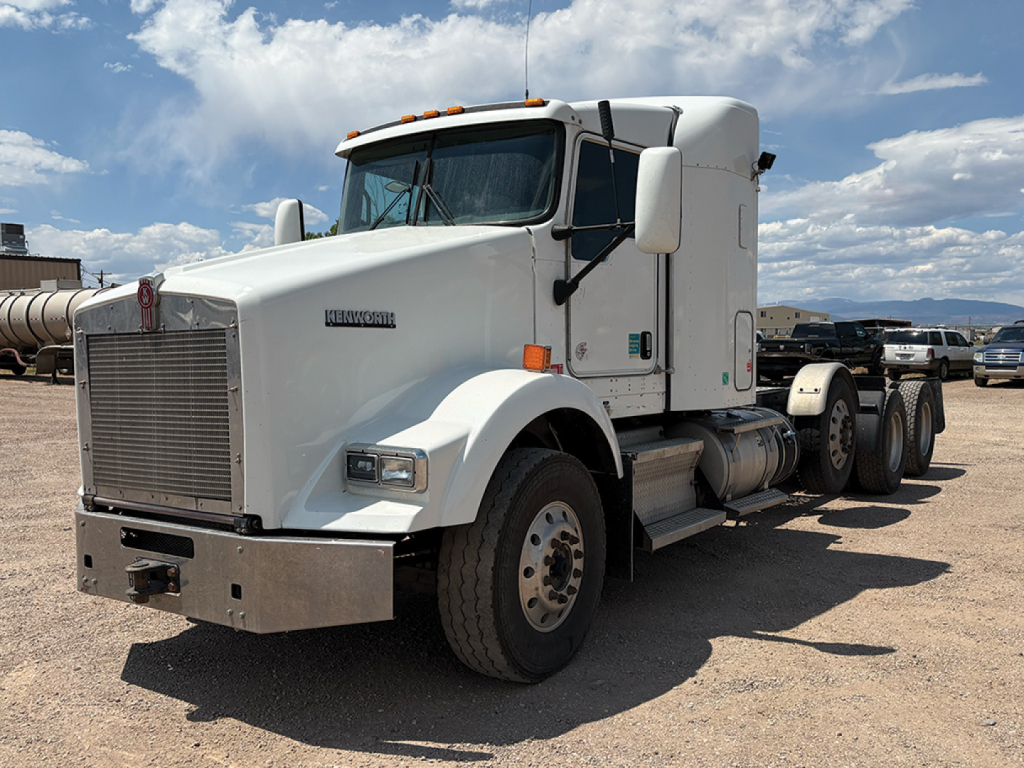
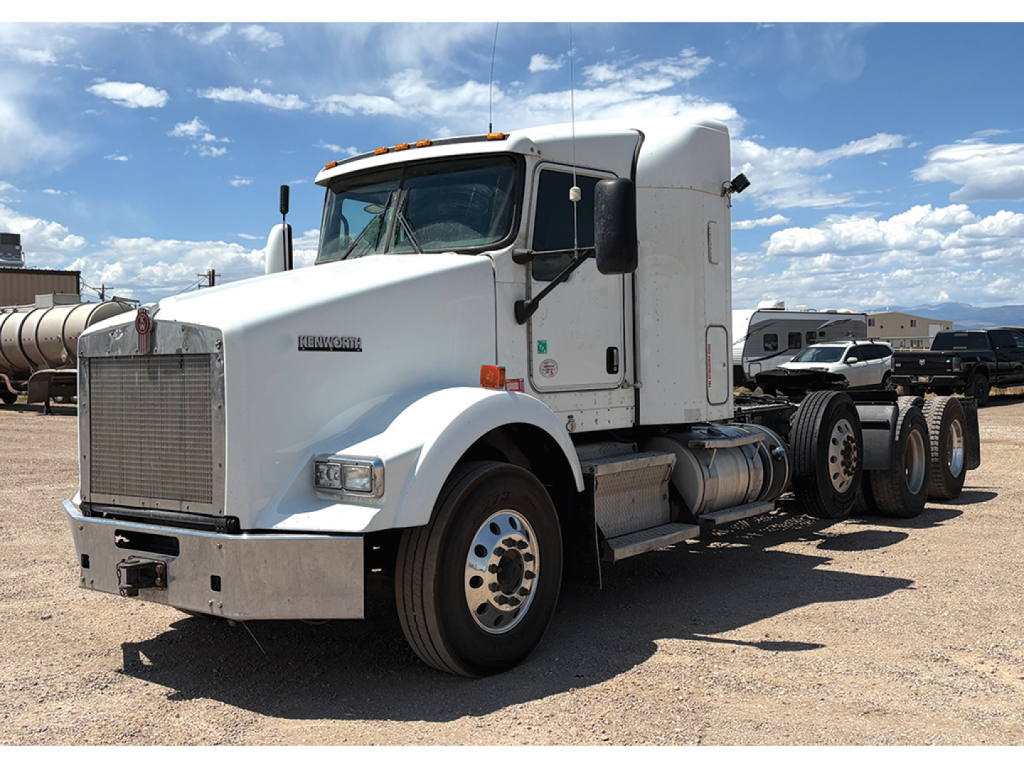
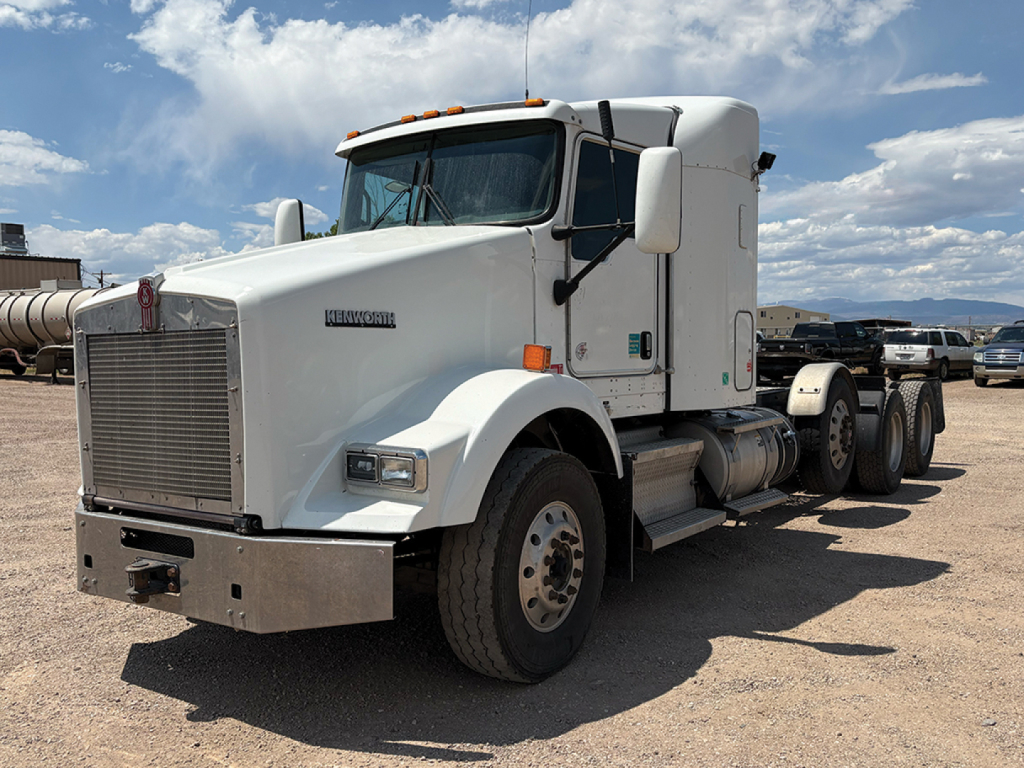

Have 2017 conventional sleeper truck to sell? List it here to reach thousands of buyers.
2017 Conventional Sleeper Trucks in Nevada
The biggest buying decisions usually start with engine and driveline spec. Many 2017 conventional sleepers were ordered with Detroit DD15, Cummins X15, Paccar MX-13, or similar 12 to 15 liter engines in the 400 to 505 horsepower range. Rear axle ratings around 40,000 pounds are common, along with ratios such as 2.64, 2.85, 3.08, 3.25, and 3.42 depending on intended cruise speed and terrain. A lower numerical ratio generally favors fuel economy on flatter interstate lanes, while a deeper ratio can improve startability and grade performance in mountain states like Nevada and across the West. Automated transmissions became mainstream by this point, but some 2017 trucks still carry manual gearboxes preferred by certain operators and vocational crossover applications.
Sleeper size and wheelbase matter more than many first-time buyers expect. In this category, 60-inch to 76-inch sleepers are common, with raised-roof models offering better stand-up room, upper bunk options, and more cabinet space. Trucks spec'd for long-haul use often include dual fuel tanks, bunk heaters, refrigerators, idle reduction systems, and full fairing packages with cab extenders and side skirts. Wheelbases in the low-220-inch to 240-inch range are typical, and they affect trailer gap, bridge law flexibility, ride quality, and how easily the truck fits tight yards. Air slide fifth wheels, engine brakes, air ride suspension, and disc brakes are all desirable features to compare because they directly affect drivability, maintenance planning, and resale appeal.
For Nevada buyers, cooling system condition, APU or idle management strategy, and tire spec deserve extra attention because heat and long interstate stretches can expose weak points quickly. Review emissions service history carefully on any 2017 sleeper, especially DPF, DEF, and aftertreatment repairs, along with transmission calibration records and overhead or valve adjustment intervals where applicable. A well-matched 2017 conventional sleeper can still deliver strong service in long-haul and regional work if the sleeper amenities, axle ratio, engine rating, and maintenance history line up with the freight you plan to pull.
Frequently Asked Questions about 2017 Conventional Sleeper Trucks in Nevada
What is the typical spec range for a 2017 conventional sleeper truck?
Most 2017 conventional sleeper trucks were built as Class 8 highway tractors with 12 to 15 liter diesel engines, horsepower ratings around 400 to 505, and tandem rear axles rated near 40,000 pounds. Common specs include automated manual transmissions, air ride suspension, dual aluminum fuel tanks, engine brakes, and 60-inch to 76-inch sleepers. Exact configuration varies by lane assignment, with fuel mileage focused trucks often carrying faster rear axle ratios and long-haul comfort options.
Is a 2017 conventional sleeper a good choice for long-haul freight?
Yes, a properly maintained 2017 conventional sleeper can still be a strong long-haul platform. This model year is modern enough to offer aerodynamic cabs, integrated sleepers, advanced automated transmissions, and common safety technology on many trucks. The key is matching the spec to the job, especially sleeper size, fuel capacity, axle ratio, and engine rating, then confirming maintenance history for the emissions system, transmission, brakes, and suspension.
What sleeper size should I look for in a 2017 highway tractor?
A mid-roof or smaller sleeper can work well for regional operations or solo drivers who spend fewer nights on the road and want a lighter, slightly simpler truck. A 72-inch to 76-inch raised-roof sleeper is better suited for over-the-road use, team driving, or drivers who need more storage, stand-up room, and amenities such as an upper bunk, refrigerator, or bunk heater. Sleeper choice affects comfort, weight, wheelbase, and resale demand.
Which components matter most when comparing used 2017 conventional sleepers?
Focus first on the engine, transmission, axle ratio, wheelbase, and sleeper layout because those determine how the truck will perform in your freight profile. After that, look closely at aftertreatment service records, engine brake operation, tire condition, brake type, suspension wear, fifth wheel condition, and signs of overheating or neglected cooling system maintenance. A highway tractor with the right spec but poor maintenance can cost more than a higher priced unit with complete records and a cleaner service history.
Are 2017 conventional sleeper trucks suitable for Nevada and western mountain routes?
They can be, but gearing and cooling capacity matter. Trucks running Nevada, Utah, California, and other western routes often benefit from an engine rating and rear axle ratio that support grades without sacrificing too much cruise efficiency. Buyers should also inspect radiator, charge air cooler, fan clutch, and air conditioning performance carefully, since desert heat and long pulls put extra load on the cooling system and cab comfort equipment.