
2017 Freightliner Conventional Sleeper Trucks For Sale
Shop 2017 Freightliner conventional sleeper trucks, including Cascadia models, with specs, sleeper options, drivetrain details, and buyer tips.
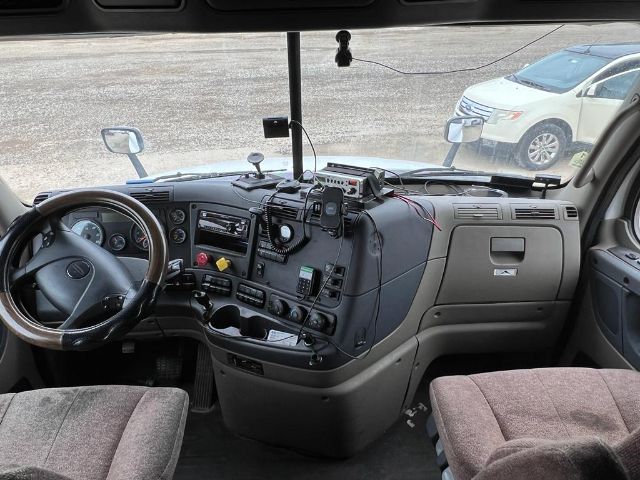

Selling a 2017 freightliner conventional sleeper truck? List your 2017 freightliner conventional sleeper truck for sale and reach thousands of commercial buyers.
2017 Freightliner Conventional Sleeper Trucks
The key buying decision usually starts with the powertrain. A 2017 Freightliner sleeper is commonly equipped with a Detroit DD15, often paired with a DT12 automated manual transmission, though some units may carry a manual transmission depending on prior fleet spec. Rear axle ratios, typically in the low-to-mid 2s or mid 3s depending on application, have a big impact on cruise RPM, startability, and fuel economy. Buyers should also compare wheelbase, fuel capacity, and suspension setup, especially if the truck will pull a spread of trailer lengths or run heavy in regional service. Air ride suspension, engine brakes, sliding fifth wheels, and disc brake configurations are all worth noting because they affect both operating cost and resale appeal.
Sleeper configuration matters as much as drivetrain. Many 2017 Freightliner conventional sleepers were ordered with 60-inch to 72-inch raised-roof sleepers, and some include double bunks, bunk heaters, APUs, inverters, refrigerator prep, or full refrigerator cabinets. For over-the-road use, details like interior storage, mattress layout, HVAC performance, and idle-reduction equipment make a real difference in driver retention and compliance with anti-idling rules. On the exterior, fairings, cab extenders, and chassis skirts help aerodynamics, while aluminum wheels, dual fuel tanks, and heated power mirrors are common features buyers expect in this class.
Condition and history should drive the final decision. On a 2017 Freightliner sleeper, it is smart to review engine hours, aftertreatment maintenance, transmission calibration history, suspension wear, and any signs of collision repair around the hood, bumper, and sleeper panels. Service records for the DD15 emissions system, DPF cleaning intervals, and clutch or actuator work on DT12-equipped trucks can tell you a lot about how the truck was operated. Buyers comparing multiple listings should pay close attention to sleeper size, axle ratio, mileage-to-hours relationship, and the presence of driver-focused equipment like APUs and bunk heaters, because those details often separate a basic fleet truck from a more productive over-the-road spec.
Frequently Asked Questions about 2017 Freightliner Conventional Sleeper Trucks
What engine is most common in a 2017 Freightliner conventional sleeper truck?
The Detroit DD15 is the engine most commonly found in 2017 Freightliner conventional sleeper trucks, especially Cascadia models built for over-the-road service. It is popular because it offers a strong mix of fuel economy, widespread service support, and compatibility with automated manual transmissions like the DT12. Some trucks may have different horsepower ratings, so buyers should confirm the exact engine rating, torque setting, and emissions maintenance history before purchase.
Is a 2017 Freightliner sleeper truck a good fit for over-the-road freight?
Yes, a 2017 Freightliner conventional sleeper is generally well suited for over-the-road applications such as dry van, reefer, and dedicated route work. The aerodynamic design, raised-roof sleeper options, and common availability of APUs, double bunks, and larger fuel capacity make this category a strong choice for long-distance hauling. The right fit depends on the truck's sleeper size, wheelbase, rear axle ratio, and overall spec for the lanes you plan to run.
What should I inspect on a used 2017 Freightliner Cascadia sleeper?
Focus on maintenance history and wear items that affect downtime. Key inspection points include the DD15 aftertreatment system, DPF service records, coolant and oil leak history, transmission operation, suspension components, brakes, tires, and fifth wheel condition. It is also important to inspect the sleeper interior, HVAC system, bunk equipment, and body panels for signs of hard use or prior repairs. Mileage alone does not tell the full story, so compare engine hours and service records with the truck's overall condition.
What sleeper sizes are common on 2017 Freightliner conventional sleepers?
Many 2017 Freightliner conventional sleeper trucks were ordered with mid-roof or raised-roof sleeper configurations in the 60-inch to 72-inch range, although exact dimensions vary by spec. A single-bunk layout may suit solo operations, while a double-bunk sleeper is better for team driving or carriers that want more flexibility. Buyers should look beyond bunk count and check storage layout, idle-reduction equipment, and interior condition, since these features affect day-to-day usability.
Are automated transmissions common in 2017 Freightliner sleeper trucks?
Yes, automated manual transmissions are very common in this category, with the Detroit DT12 being one of the most frequently spec'd options. Many fleets chose automated transmissions to improve fuel economy, reduce clutch wear from inconsistent driving habits, and simplify driver onboarding. A buyer should still verify how the transmission shifts under load, review service history, and confirm that software updates or actuator-related maintenance have been performed as needed.