
2017 Freightliner Conventional Sleeper Trucks For Sale in Florida
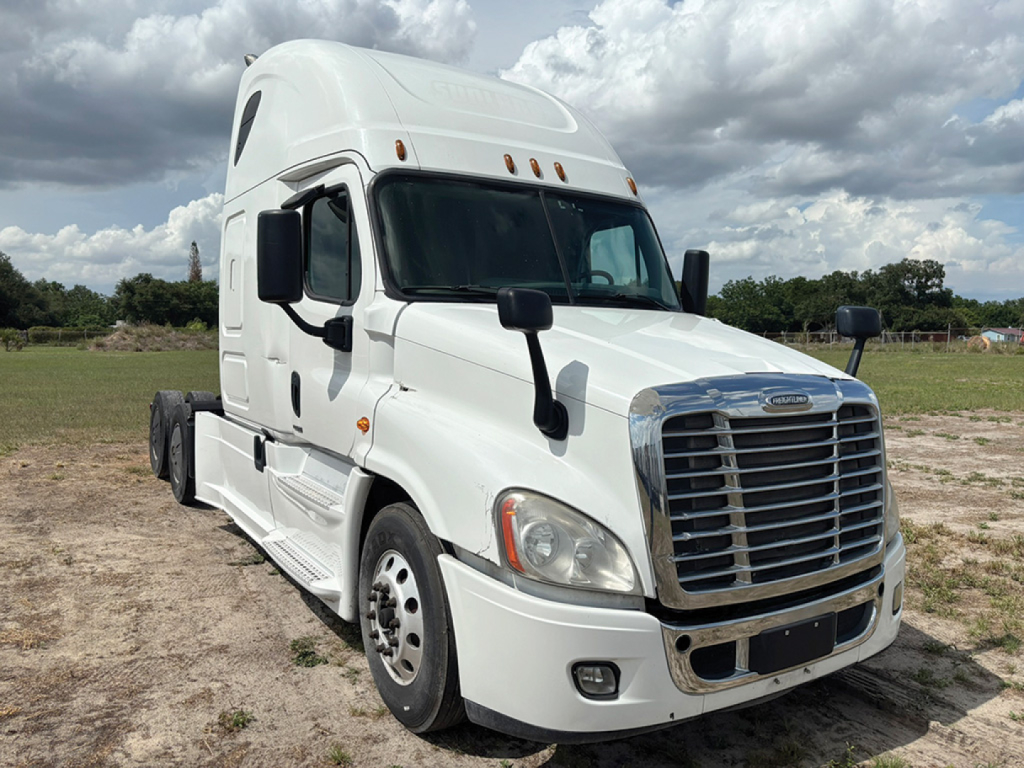
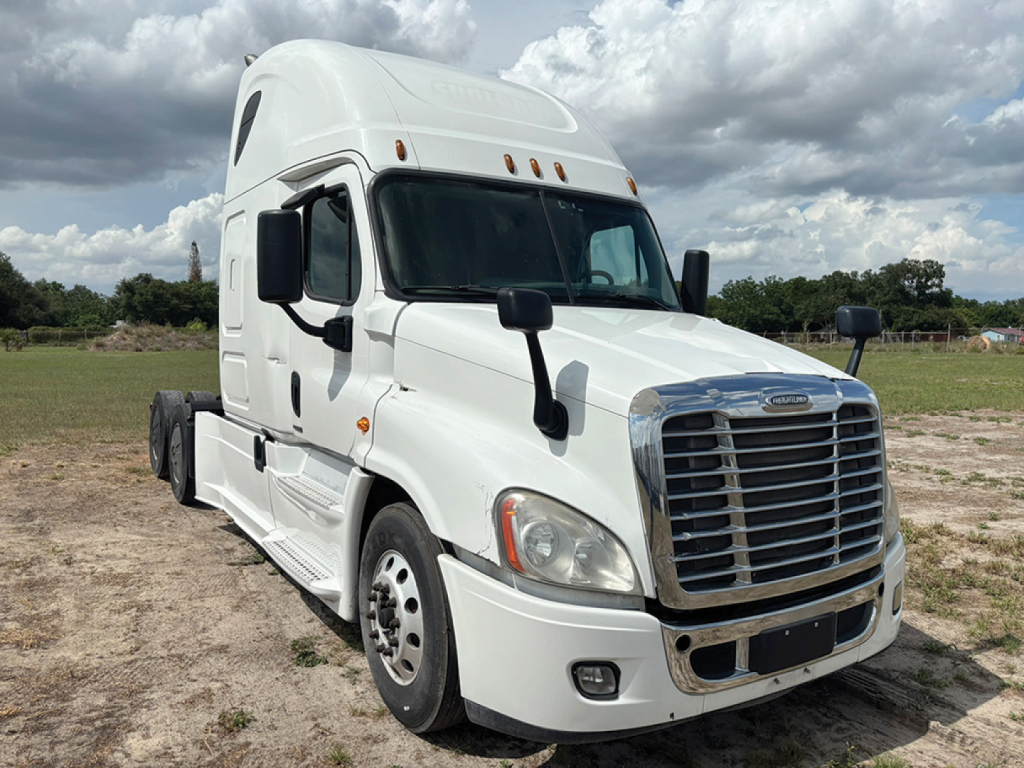
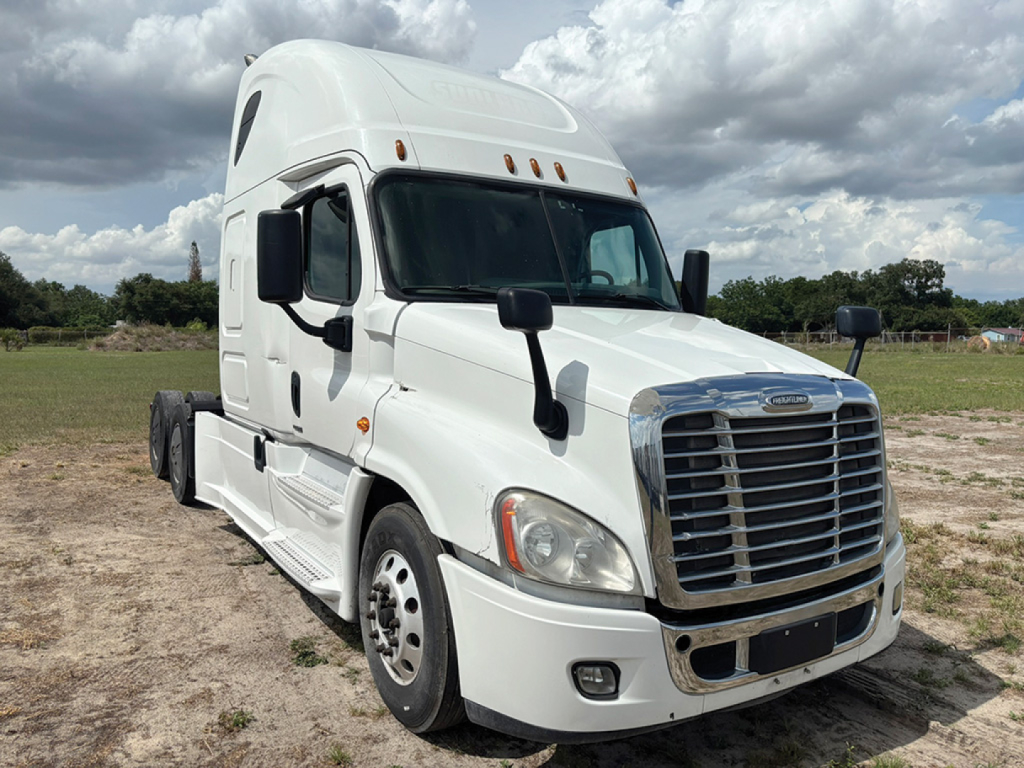
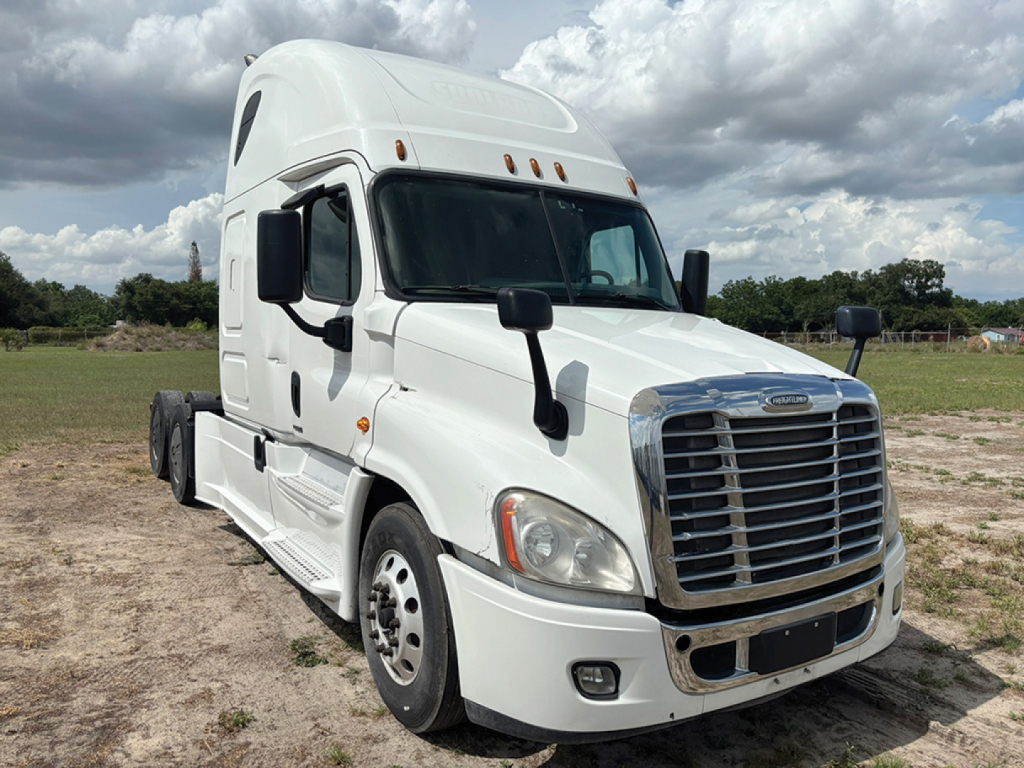
Have 2017 freightliner conventional sleeper truck to sell? List it here to reach thousands of buyers.
2017 Freightliner Conventional Sleeper Trucks in Florida
The key buying decisions usually start with the powertrain. Many 2017 Freightliner sleeper trucks are spec'd with Detroit diesel engines, commonly the DD13 or DD15, paired with either a manual or Detroit DT12 automated transmission. For long-haul freight, pay close attention to horsepower and torque ratings, rear axle ratio, and whether the truck was set up for fuel economy or heavier pulling. A typical highway spec may include a 6x4 tandem axle, air ride suspension, sliding fifth wheel, and raised-roof sleeper with one or two bunks. Wheelbase, fuel capacity, fairings, and idle-management equipment also matter if the truck will spend most of its time running regional or coast-to-coast lanes.
Sleeper configuration has a direct impact on resale and day-to-day usability. Raised-roof sleepers are common because they give the driver standing room, more storage, and better livability on multi-day runs. Buyers should look at bunk layout, cabinet space, bunk heater or auxiliary power unit setup, and overall cab condition. In Florida, air conditioning performance, insulation, and cooling system health deserve extra attention. A truck that has spent time on high-mileage interstate lanes should also be checked for suspension wear, steering play, emissions system service history, and the condition of aerodynamic components like side fairings, bumper corners, and cab extenders.
For most operations, a 2017 Freightliner conventional sleeper is best suited to van, reefer, and general freight applications where fuel economy and uptime drive profitability. Freightliner's large parts network and widespread technician familiarity can make these trucks easier to keep on the road than some lower-volume brands. The best value usually comes from matching the sleeper size, axle ratio, transmission type, and maintenance history to the freight you actually haul, rather than buying strictly by price or mileage.
Frequently Asked Questions about 2017 Freightliner Conventional Sleeper Trucks in Florida
What engine is commonly found in a 2017 Freightliner conventional sleeper truck?
Many 2017 Freightliner conventional sleeper trucks, especially Cascadia models, are equipped with Detroit engines such as the DD13 or DD15. The DD15 is especially common in long-haul specs because it offers strong torque, good fuel economy potential, and widespread dealer support. Buyers should confirm the exact horsepower rating, torque setting, and maintenance history, since trucks with the same engine family can be configured very differently depending on the original fleet application.
Is a 2017 Freightliner Cascadia sleeper good for over-the-road use?
Yes. The 2017 Freightliner Cascadia sleeper is widely used in over-the-road service because it combines aerodynamic design, a driver-friendly cab, and strong parts availability. Raised-roof sleepers, larger fuel tanks, and automated manual transmissions are common on highway specs. Its suitability depends on the exact configuration, but this model is generally a solid fit for dry van, reefer, and other long-distance freight operations.
What should I inspect first on a used 2017 Freightliner sleeper truck?
Start with the maintenance records, engine hours, emissions system history, and drivetrain specification. Then inspect the condition of the sleeper, suspension, steering components, brakes, tires, and fifth wheel. On a 2017 model, it is especially important to verify service history for the aftertreatment system, cooling system, and transmission. A pre-purchase inspection with fault-code review is a smart step before committing to any used sleeper tractor.
Are automated transmissions common in 2017 Freightliner sleeper trucks?
Yes. Many 2017 Freightliner sleeper trucks were spec'd with automated manual transmissions such as the Detroit DT12. These transmissions are common in fleet service because they help with fuel consistency, reduce driver fatigue, and simplify training across multiple drivers. Some buyers still prefer manual transmissions for certain applications, so the right choice depends on route type, driver preference, and maintenance familiarity.
What sleeper size is typical on a 2017 Freightliner conventional truck?
A raised-roof sleeper is a common configuration on 2017 Freightliner conventional tractors, with many trucks set up for long-haul comfort and storage. Common features include a single or double bunk, overhead cabinets, storage compartments, and room for idle-management equipment such as an APU. The ideal sleeper size depends on how many nights the driver stays out and whether team driving is part of the operation.