
2019 Conventional Sleeper Trucks For Sale in Florida

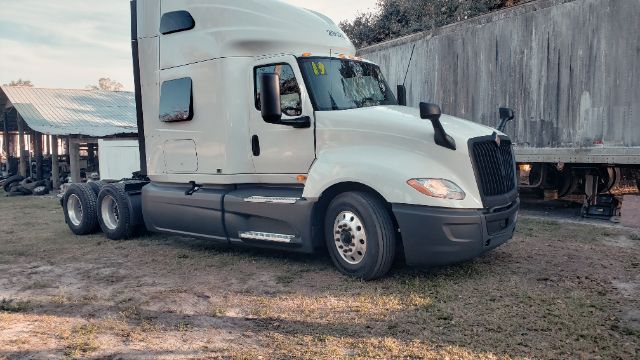
Have 2019 conventional sleeper truck to sell? List it here to reach thousands of buyers.
2019 Conventional Sleeper Trucks in Florida
For most buyers, the key decisions start with sleeper size, wheelbase, and powertrain. Raised-roof sleepers in the 60-inch to 80-inch range are common, with upper bunks, storage cabinets, bunk heaters, and space for an APU on many spec packages. Engines in this class are often 13-liter to 15-liter diesels, typically rated around 400 to 505 horsepower, matched to automated or manual transmissions and tandem rear axles. Common fleet specs include 2.64 to 3.08 rear ratios, air ride suspension, sliding fifth wheels, fairings, dual fuel tanks, and 22.5 low-profile tires. Buyers comparing 2019 sleepers should look closely at axle ratio and transmission calibration, since that pairing has a direct effect on cruise RPM, fuel economy, and gradeability.
Florida buyers often focus on cooling system condition, APU function, idling history, and cab climate performance because heat and humidity are hard on driver comfort equipment. Corrosion is usually less severe than in northern road salt markets, but sun exposure can age interior plastics, seals, and paint more quickly. If the truck will stay in Southeast regional service, a lighter, fuel-economy-oriented spec may make sense. If it will be reassigned to heavier freight or longer interstate runs, pay attention to front axle rating, rear axle capacity, wheelbase, and whether the truck has the gearing and sleeper amenities to support that work efficiently.
A well-chosen 2019 conventional sleeper can still fit a wide range of operations, from dry van and reefer to dedicated contract freight. The strongest value usually comes from matching the truck's original fleet spec to your lane profile instead of buying on mileage alone. Service records, DPF and SCR history, clutch wear on automated manuals, tire pattern wear, kingpin setting, and evidence of idle reduction strategy all matter. In this category, buyers are usually balancing fuel economy, driver retention, and remaining drivetrain life, so the best unit is the one that fits the route, weight, and downtime expectations of the business.
Frequently Asked Questions about 2019 Conventional Sleeper Trucks in Florida
What should I look for first when buying a 2019 conventional sleeper truck?
Start with the truck's intended application, then verify that the sleeper size, engine rating, transmission type, rear axle ratio, and wheelbase match that work. A 2019 sleeper spec'd for fuel-efficient linehaul service may not be ideal for heavier loads or frequent mountain grades. After that, review maintenance records, emissions system repairs, idle hours, and tire wear patterns. Those details usually tell you more about the truck's remaining value than odometer mileage by itself.
Are 2019 conventional sleeper trucks good for long-haul service?
Yes. The 2019 model year is a strong fit for long-haul and over-the-road operations because many trucks from this period include aerodynamic packages, automated manual transmissions, collision mitigation systems, and improved sleeper amenities. Raised-roof cabs, dual fuel tanks, bunk heaters, and APUs are common in this class. The best long-haul setup depends on lane length, payload, and driver preference, but 2019 conventional sleepers are widely used in dry van, reefer, and general freight service.
What engine and transmission specs are common in a 2019 sleeper truck?
Many 2019 conventional sleepers use 13-liter to 15-liter diesel engines in the 400 to 505 horsepower range, paired with either a manual or automated manual transmission. Fleet-oriented specs often favor automated transmissions for fuel consistency and driver recruitment. Rear axle ratios commonly fall between about 2.64 and 3.08 for highway efficiency, though some trucks are geared more aggressively for heavier work. The right combination depends on gross weight, cruise speed targets, and terrain.
Is Florida a good place to buy a used conventional sleeper truck?
Florida can be a favorable market because trucks there often avoid the heavy road salt exposure seen in northern states, which can help with frame and undercarriage corrosion. Buyers should still inspect closely for heat-related wear, including faded paint, dry seals, cab air conditioning performance, and APU or bunk HVAC condition. Cooling systems, batteries, and interior components deserve extra attention in hot-weather service histories.
How important are APU and bunk features on a 2019 conventional sleeper?
They matter more than many first-time buyers expect, especially for retention and operating cost control. An APU can reduce main-engine idle time, lower fuel burn, and limit wear on the engine and aftertreatment system. Bunk heaters, upper bunks, storage layout, inverter prep, and sleeper height all affect how practical the truck is for solo or team use. On long-haul routes, sleeper comfort directly affects driver satisfaction and the truck's real-world usability.