
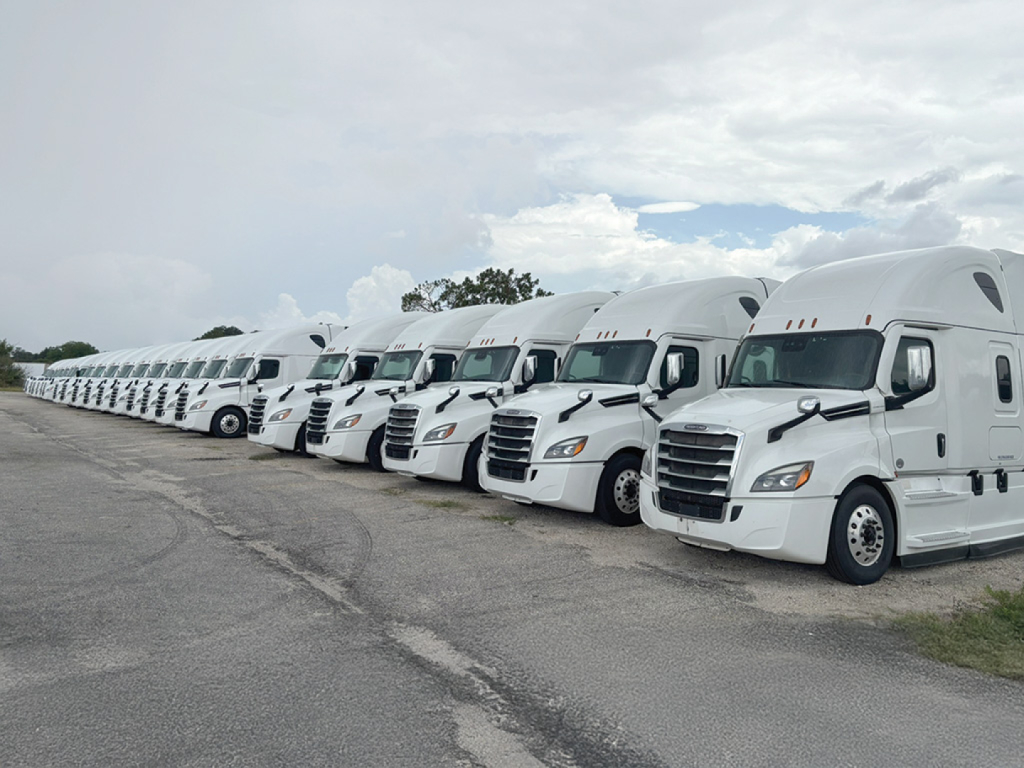
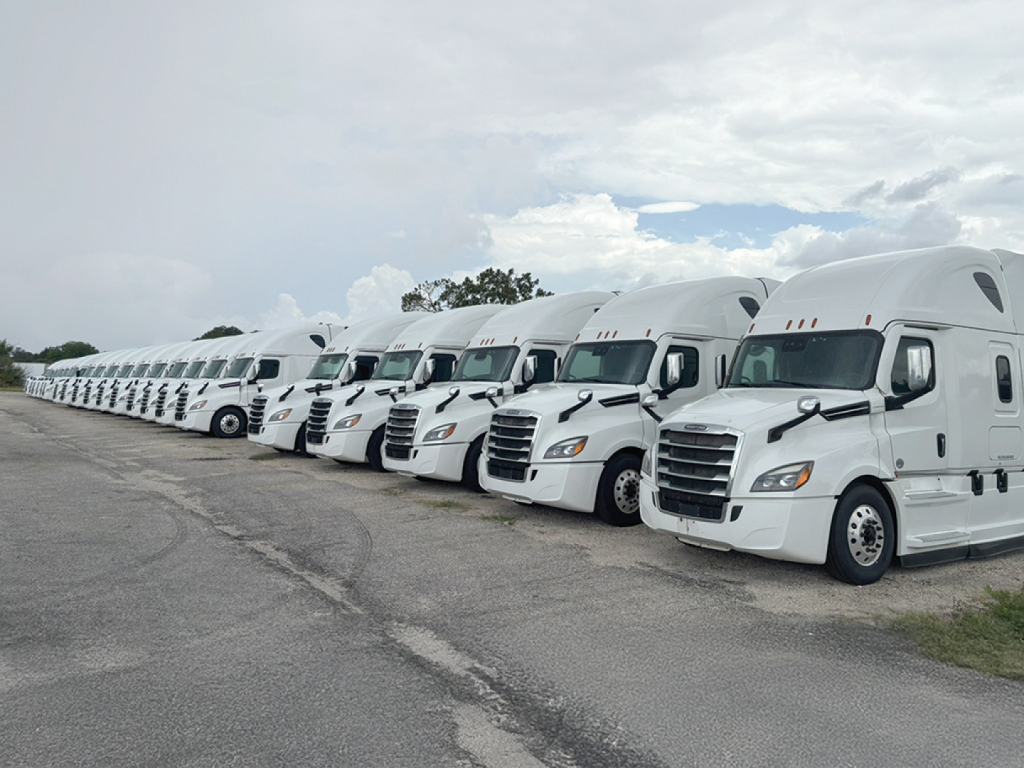
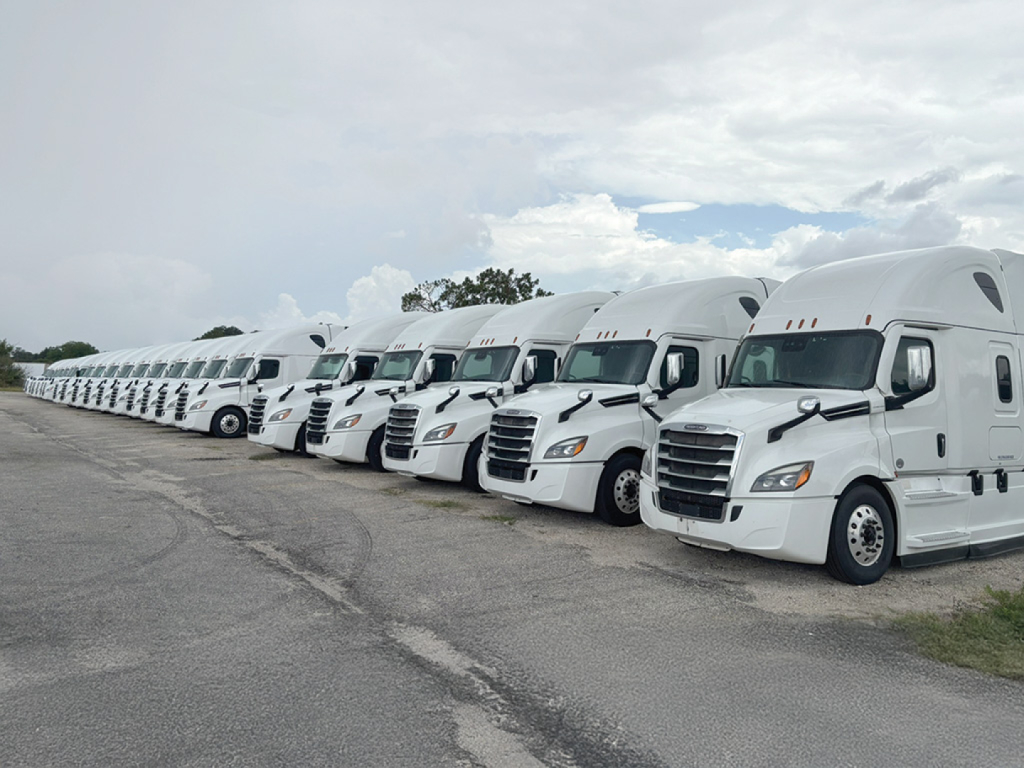
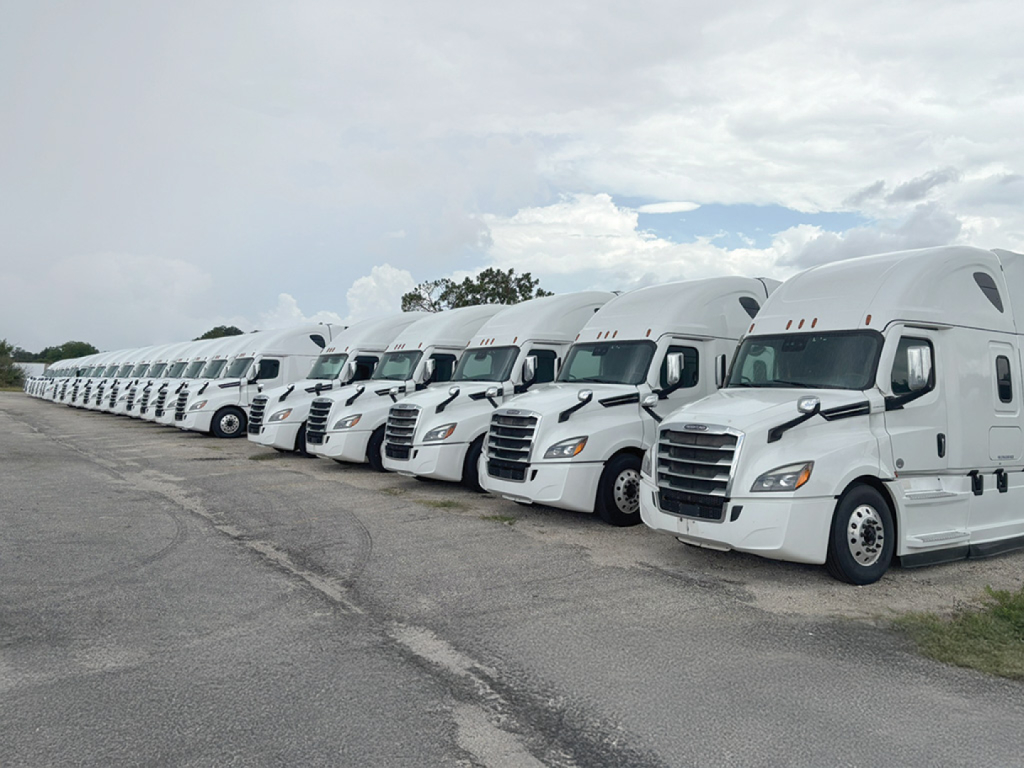
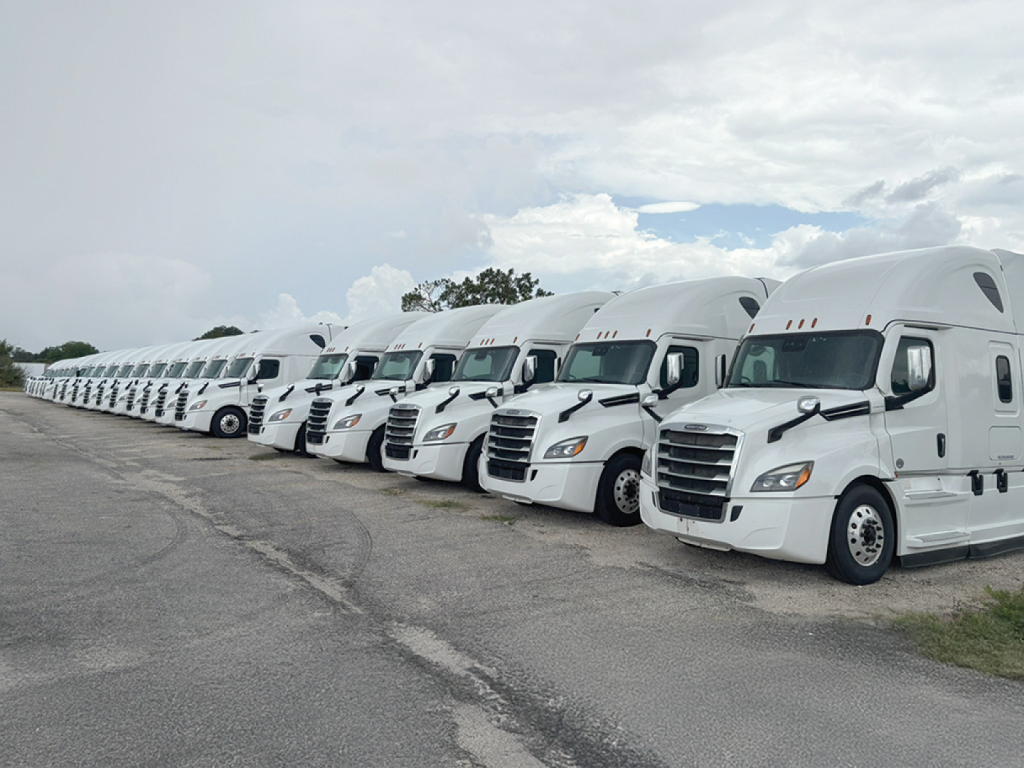
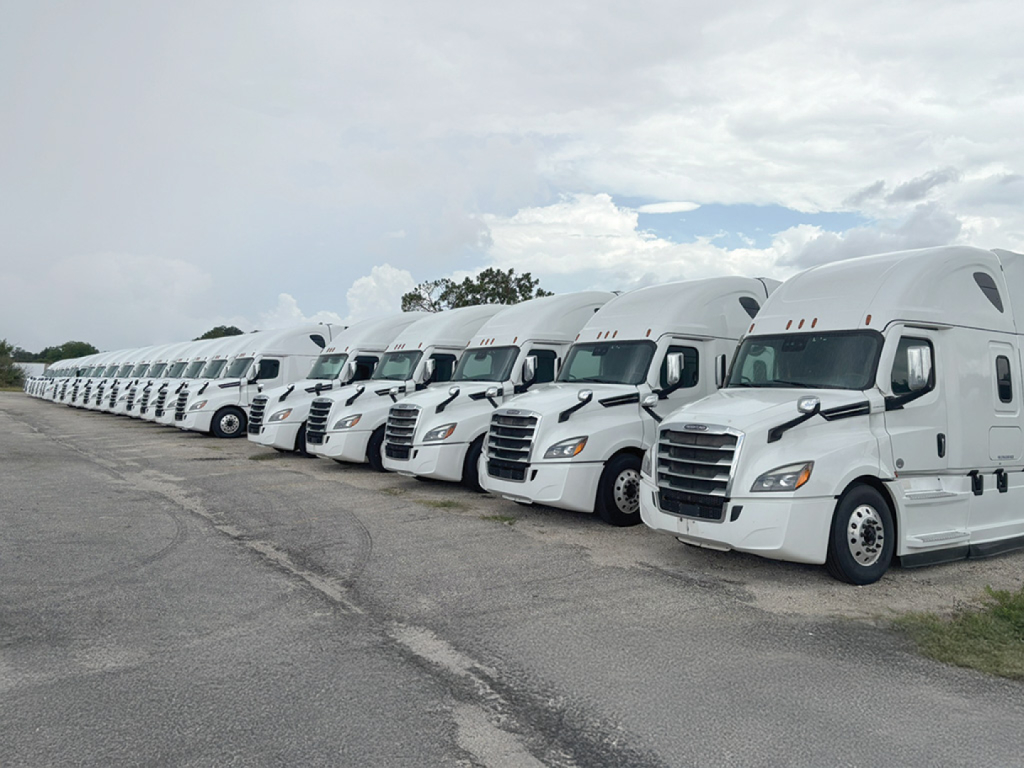
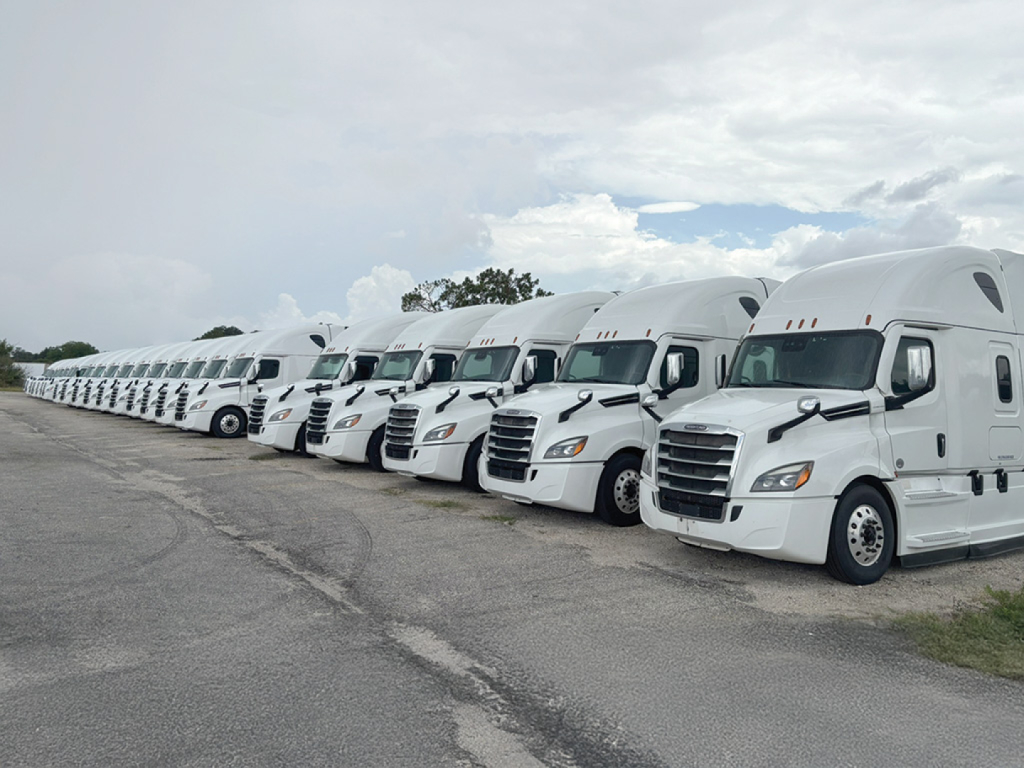
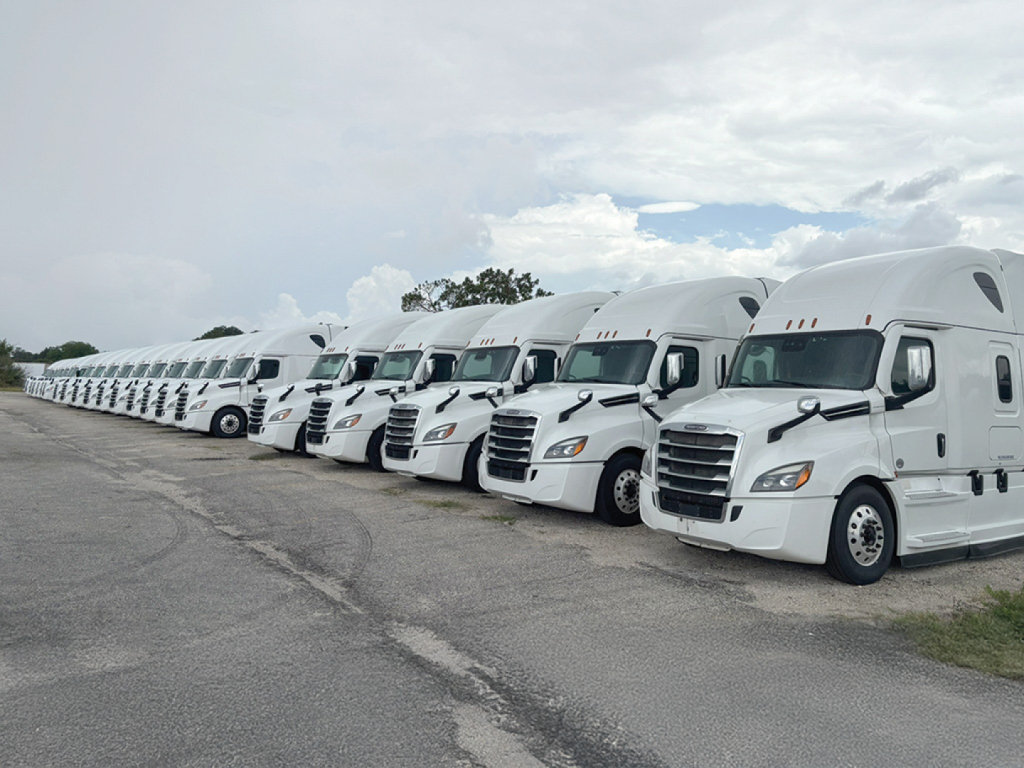
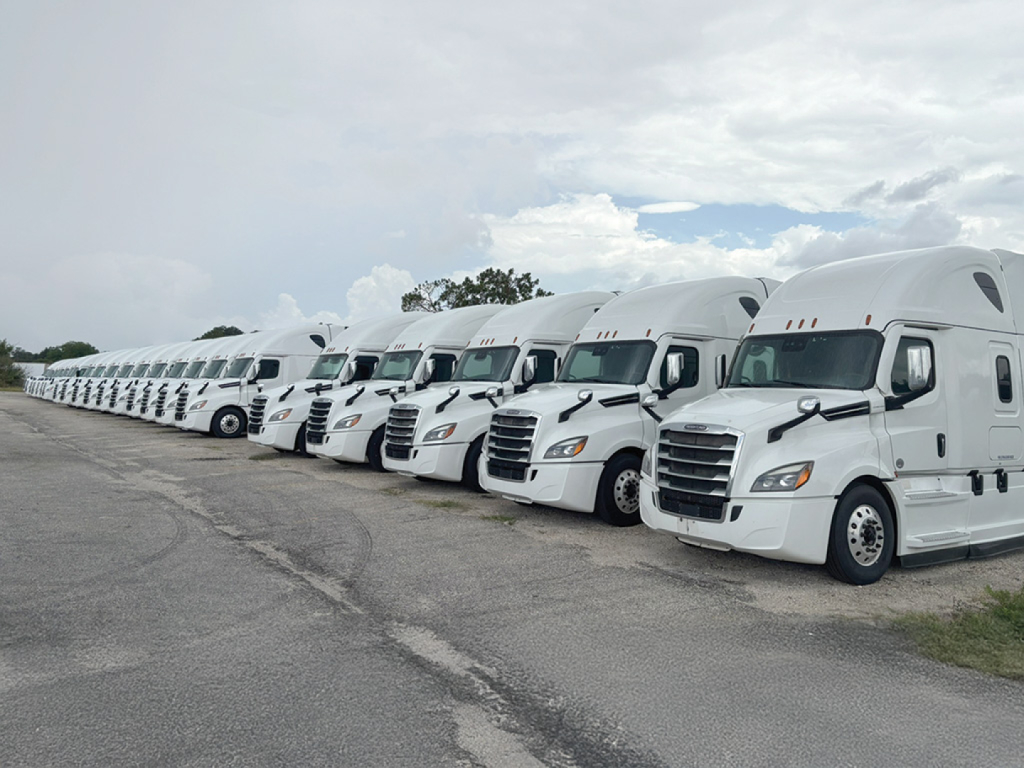
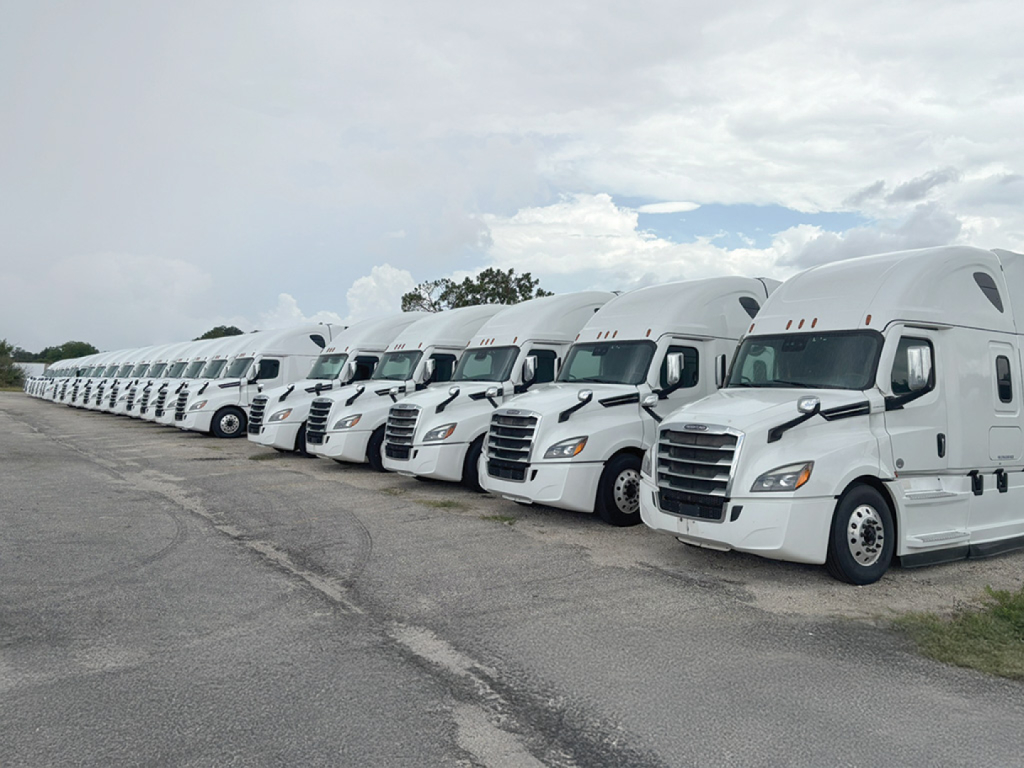
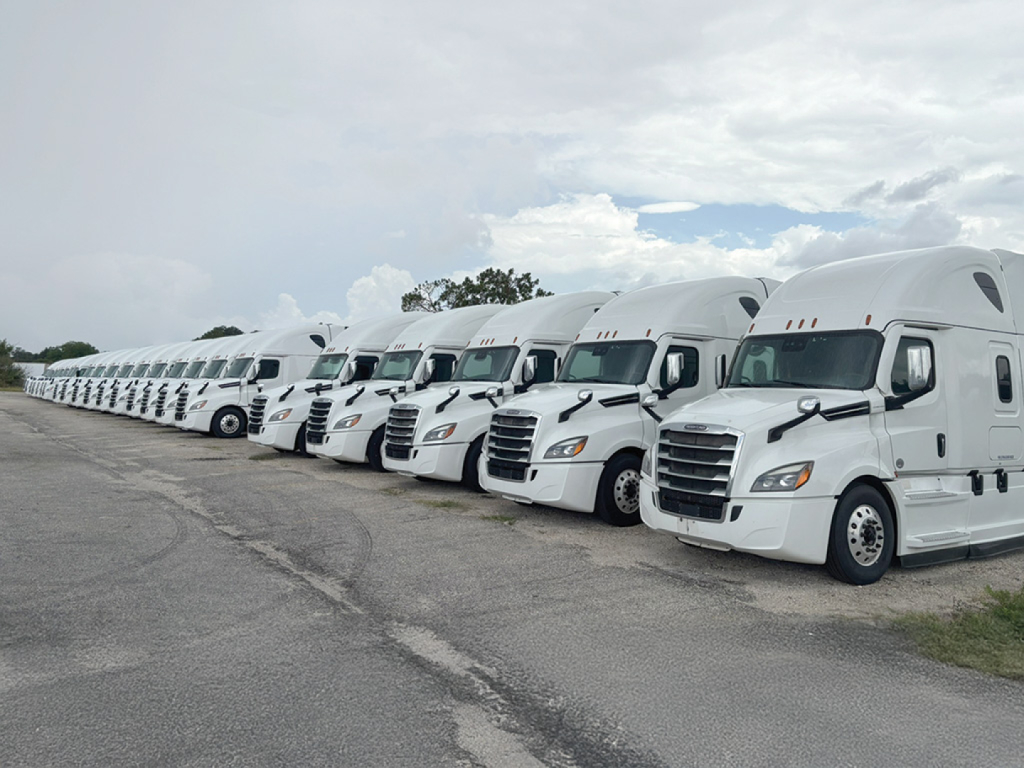
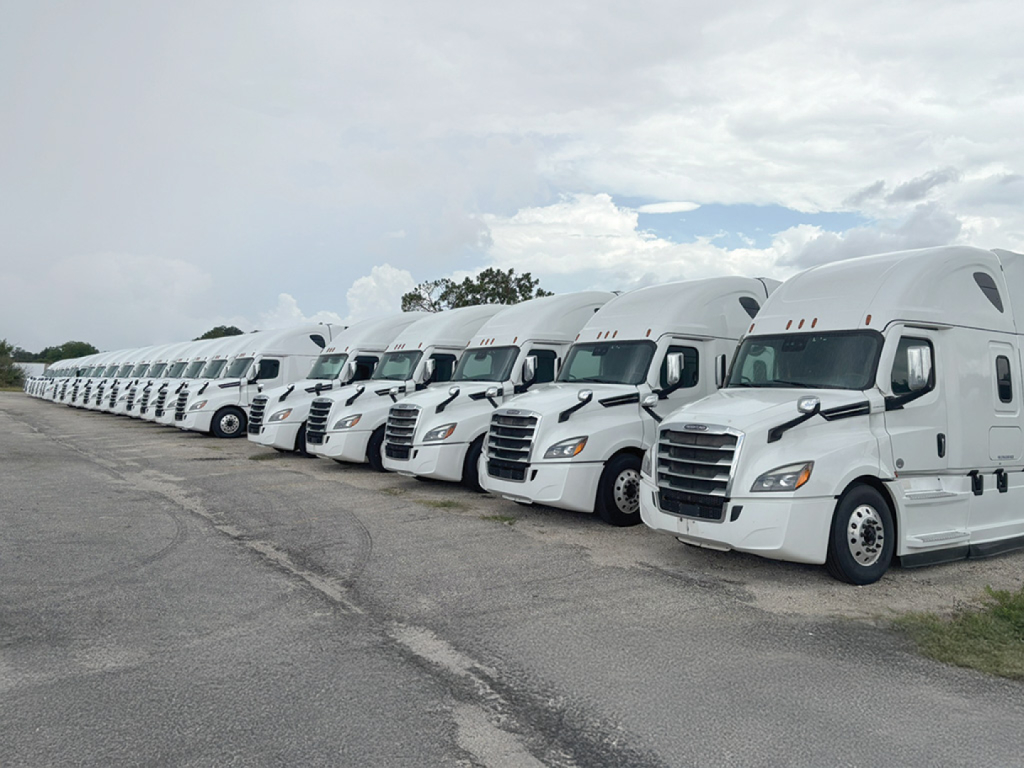
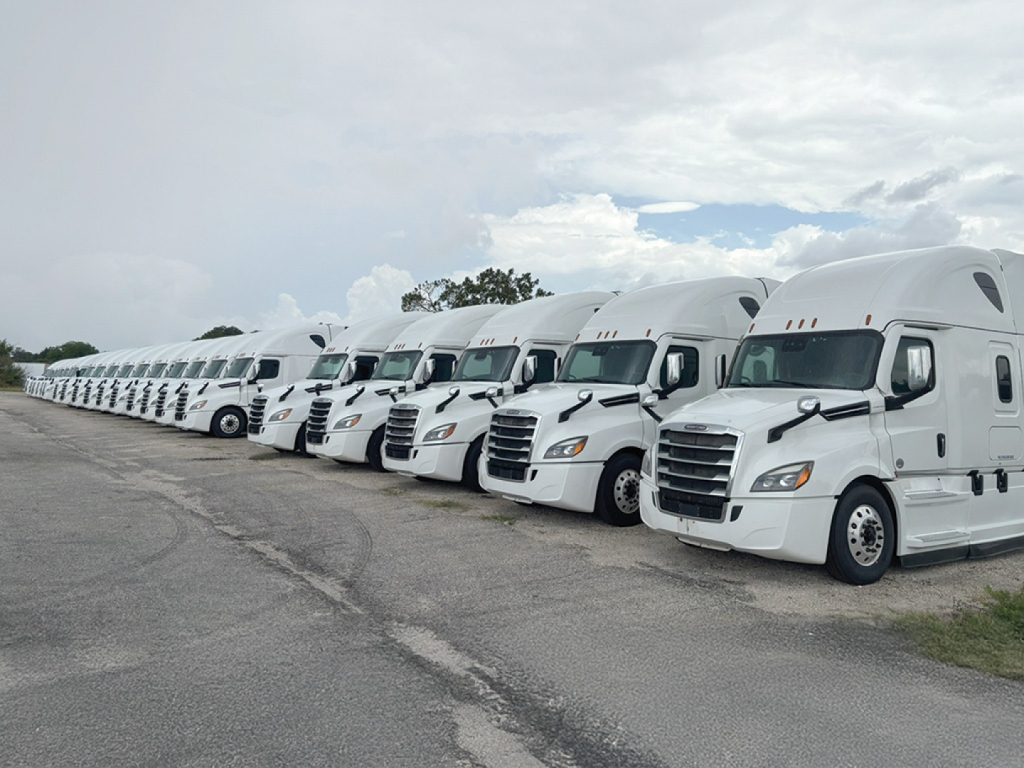
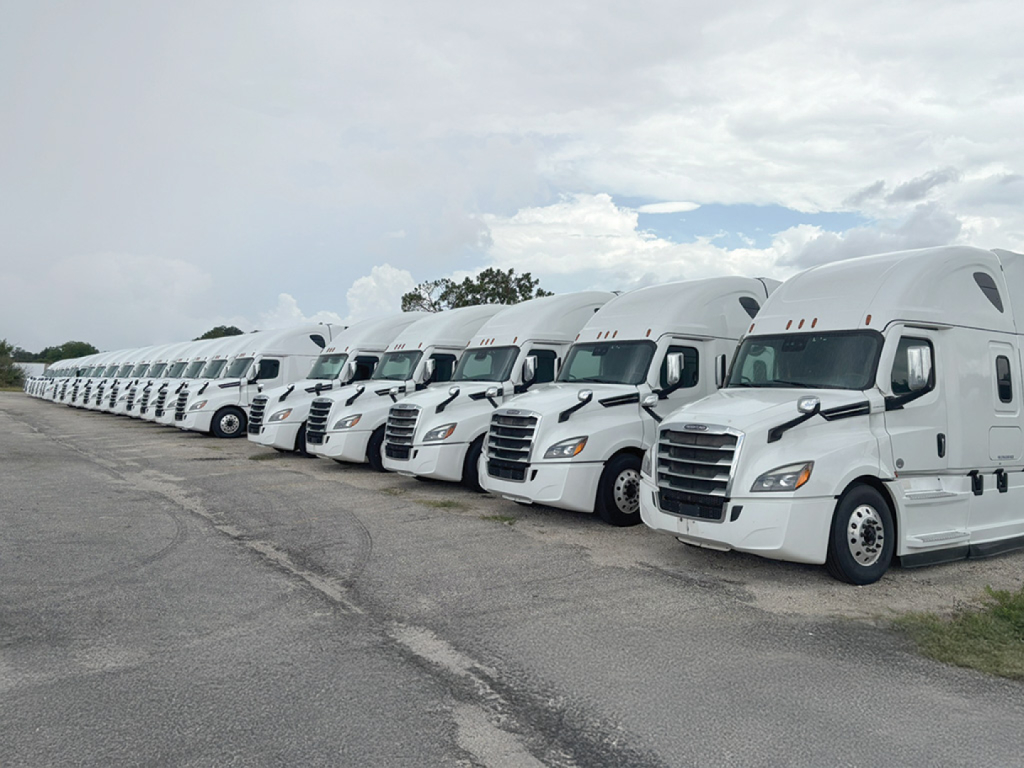
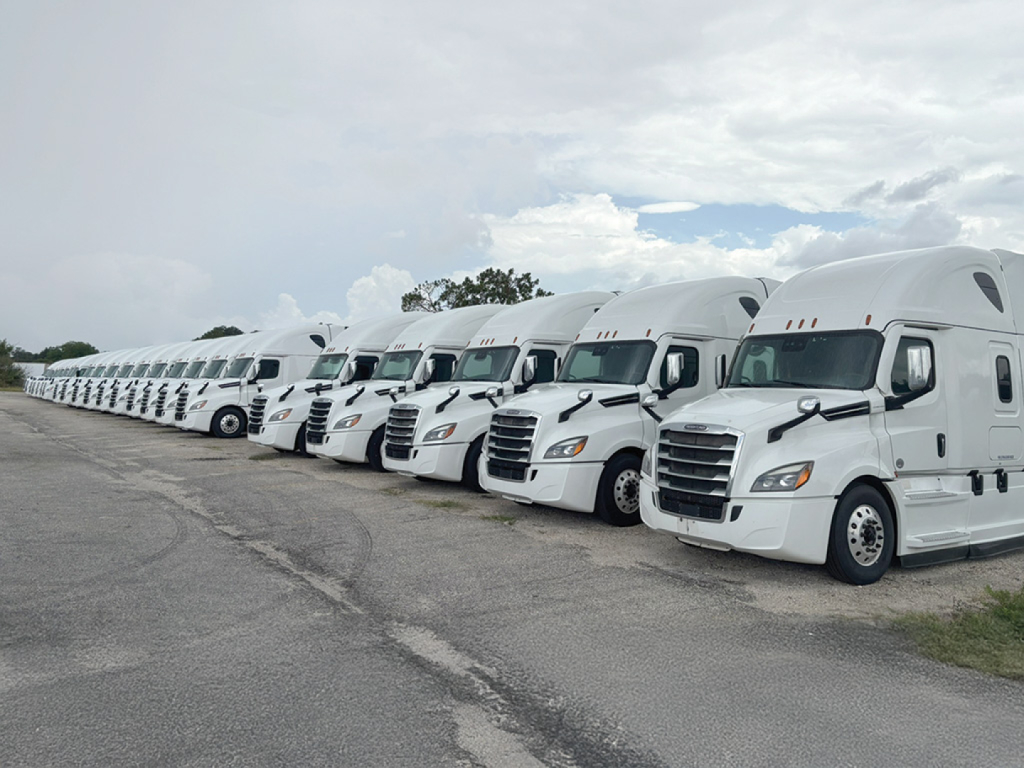
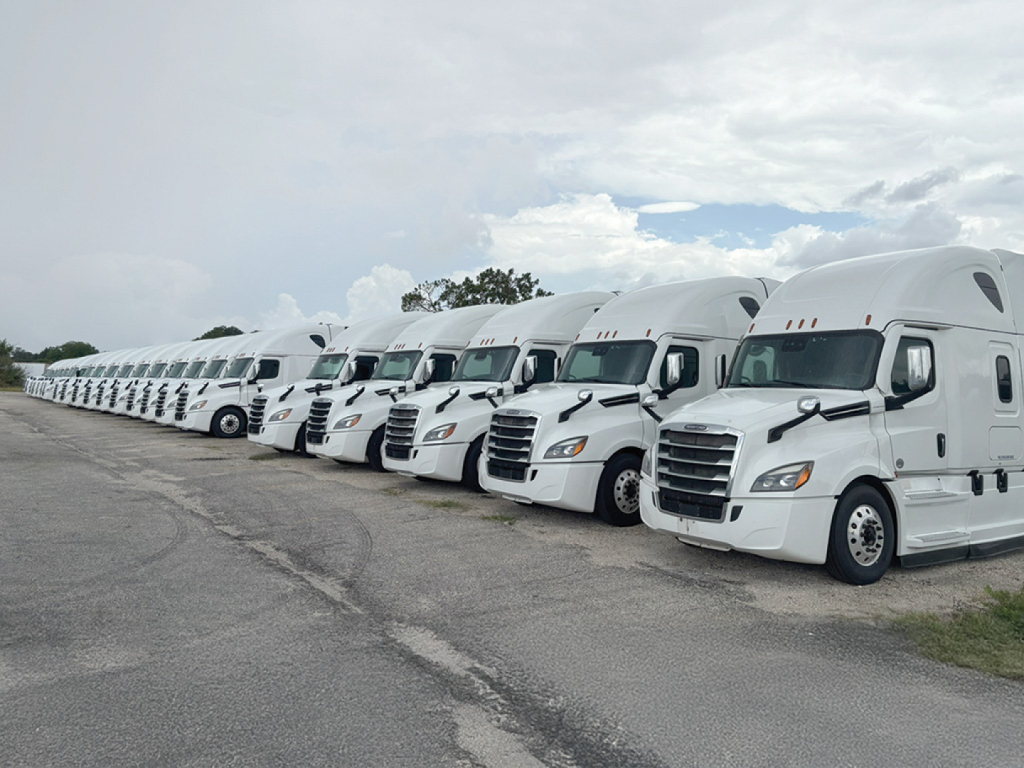
2020 Conventional Sleeper Trucks For Sale in Florida
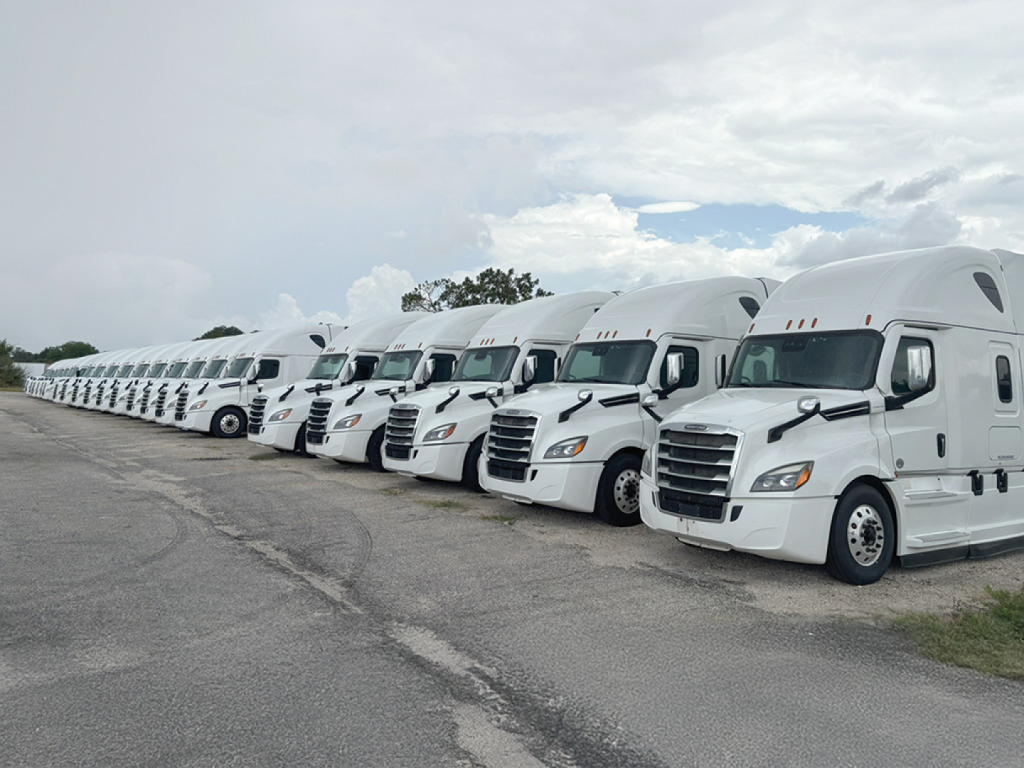
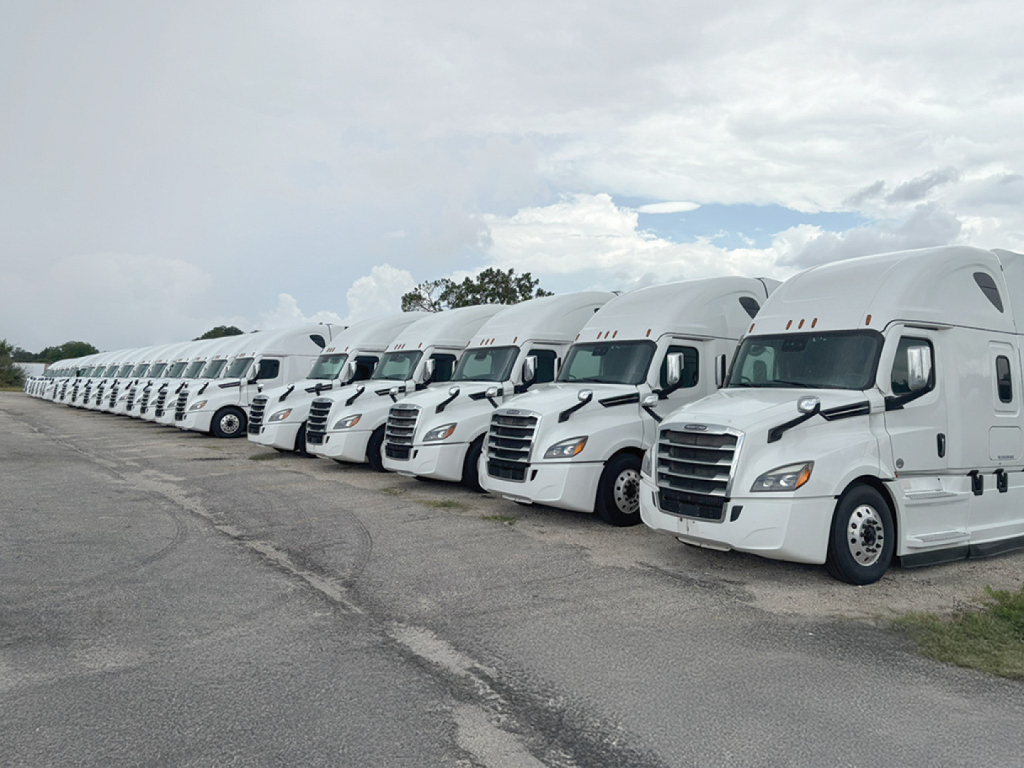
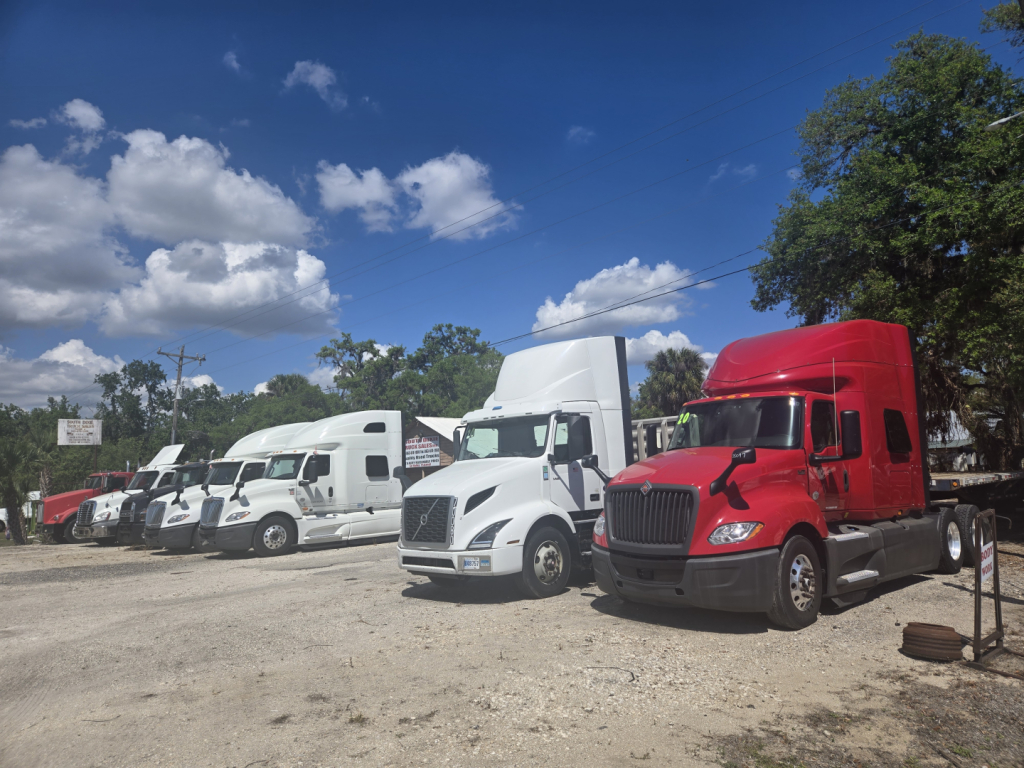
Have 2020 conventional sleeper truck to sell? List it here to reach thousands of buyers.
2020 Conventional Sleeper Trucks in Florida
Powertrain choice is usually the first decision point. Typical 2020 conventional sleepers are spec'd with 12.8L to 15L diesel engines in the 400 to 505 horsepower range, often paired with automated transmissions and fuel-saving rear axle ratios such as 2.64 to 2.85. That type of spec is common for long interstate lanes and general freight because it keeps cruise RPM down and helps fuel mileage. A buyer should match horsepower, torque, transmission calibration, and axle ratio to the trailer weight and terrain. Florida-based operations often lean toward fuel-efficient highway specs because the state is relatively flat, but trucks that regularly pull heavier freight or leave the Southeast may justify more horsepower or a different ratio.
Sleeper layout and chassis dimensions deserve close attention because they affect both driver comfort and trailer compatibility. Raised-roof sleepers in the 60-inch to 80-inch range are common, with many 2020 trucks offering upper bunks, bunk heaters, storage cabinets, power inverters, and room for an APU. Wheelbase, often in the 225-inch to 235-inch range on fleet highway tractors, matters for bridge law, turning radius, and how the truck carries weight with different trailer kingpin settings. Air-slide fifth wheels, air ride suspension, dual fuel tanks, fairings, and quarter fenders are all typical specs in this category. Buyers comparing trucks should also look at tire size, wheel material, brake configuration, and whether the tractor has disc brakes or drums.
A well-spec'd 2020 conventional sleeper can deliver a strong mix of modern safety tech and manageable ownership cost. Features like engine brakes, adaptive cruise, forward collision mitigation, lane safety systems, and telematics were increasingly common by 2020, especially on fleet-maintained units. The most important checks on a used sleeper tractor are maintenance history, idle hours, aftertreatment condition, transmission behavior, suspension wear, and evidence of consistent preventive service. For a buyer sorting through multiple listings, the best value usually comes from matching the truck's engine rating, sleeper size, wheelbase, and axle ratio to the exact freight lane rather than simply choosing the newest or highest-horsepower unit.
Frequently Asked Questions about 2020 Conventional Sleeper Trucks in Florida
What is a conventional sleeper truck?
A conventional sleeper truck is a highway tractor with the engine mounted ahead of the cab and a sleeper compartment built behind the seats. It is the most common Class 8 over-the-road tractor configuration in North America. Compared with a day cab, a sleeper truck gives the driver a bunk and added storage for multi-day runs, dedicated regional work, and long-haul freight.
What engine and transmission specs are common in 2020 conventional sleeper trucks?
Many 2020 conventional sleepers were spec'd with 13-liter to 15-liter diesel engines producing roughly 400 to 505 horsepower, paired with manual or automated manual transmissions. Fleet highway units often use fuel-economy axle ratios in the mid-2s, while heavier or more demanding applications may use a deeper ratio. The right combination depends on gross combination weight, average terrain, cruise speed, and how often the truck runs in city traffic versus open interstate miles.
What sleeper size is best for a 2020 highway tractor?
The best sleeper size depends on route length and driver needs. A 60-inch to 72-inch raised-roof sleeper is common for regional and over-the-road work because it provides a practical balance of comfort, weight, and maneuverability. Larger sleepers add storage and living space, but they can also add weight and reduce flexibility in tighter operations. Buyers should consider bunk layout, cabinet space, HVAC features, and APU compatibility along with the listed sleeper length.
Why do axle ratio and wheelbase matter on a conventional sleeper?
Axle ratio and wheelbase directly affect performance, fuel economy, and trailer setup. A taller highway ratio such as 2.64 or 2.85 can reduce engine RPM and improve fuel mileage at cruise, but it may not be ideal for heavy loads or steep grades. Wheelbase influences turning radius, bridge compliance, ride quality, and how the tractor balances weight with different trailer kingpin settings. These two specs should be reviewed together, not separately.
What should I inspect on a used 2020 conventional sleeper truck?
Focus on maintenance records, engine hours, aftertreatment service history, transmission operation, and suspension condition. Check for fault codes, excessive idle time, coolant or oil contamination, tire wear patterns, and fifth wheel wear. It is also smart to verify operation of collision mitigation, cruise, bunk HVAC, and any auxiliary power unit. A 2020 truck can be an excellent value if the emissions system and drivetrain have been maintained correctly.