
2020 Freightliner Conventional Sleeper Trucks For Sale in Florida
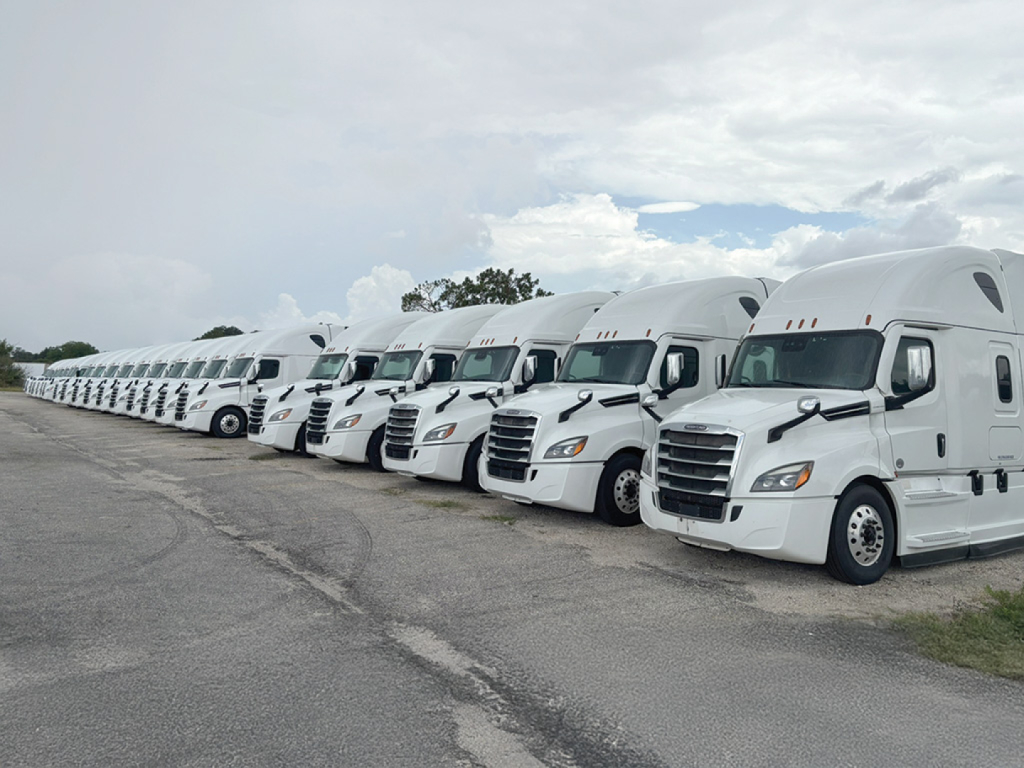
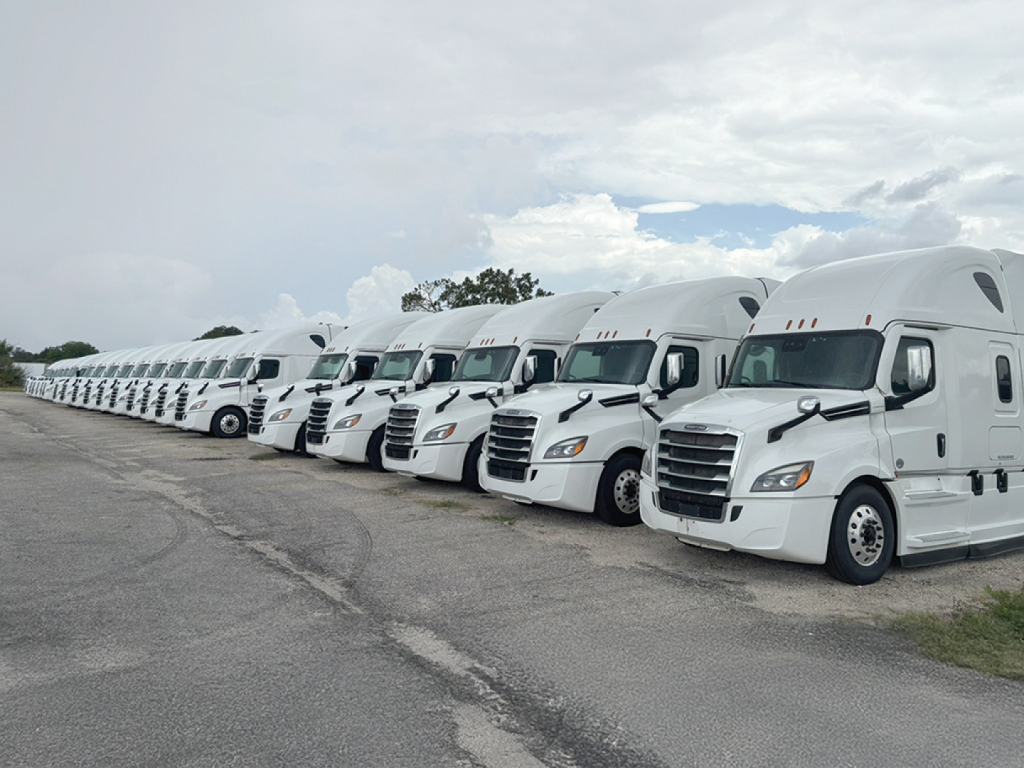
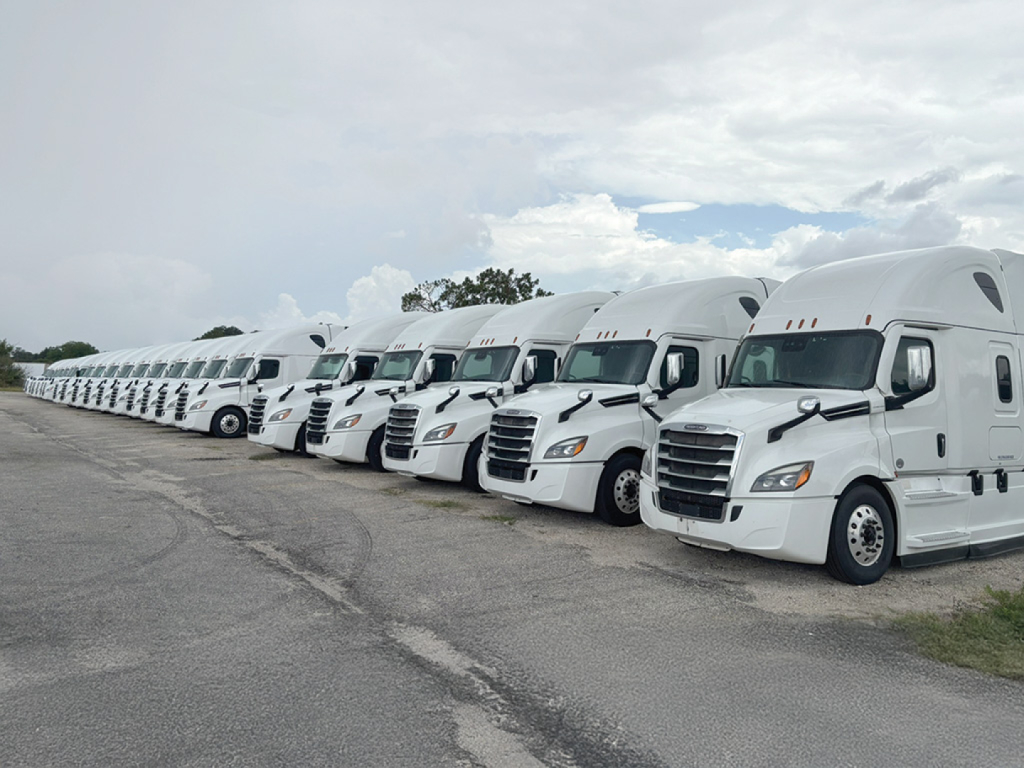
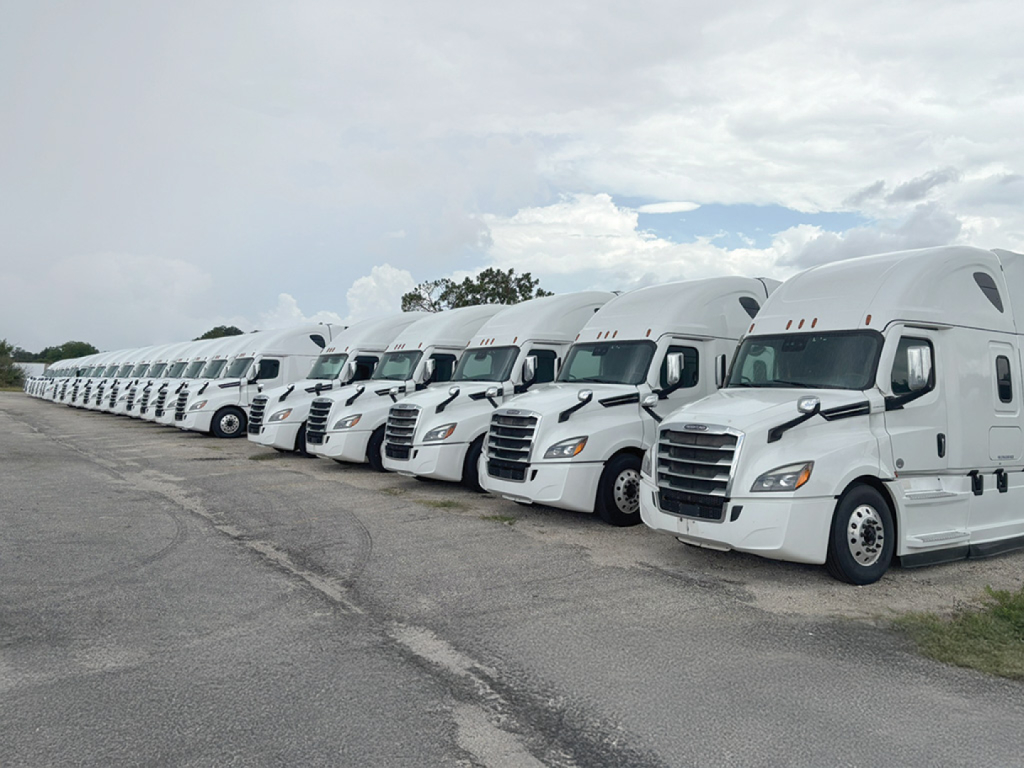
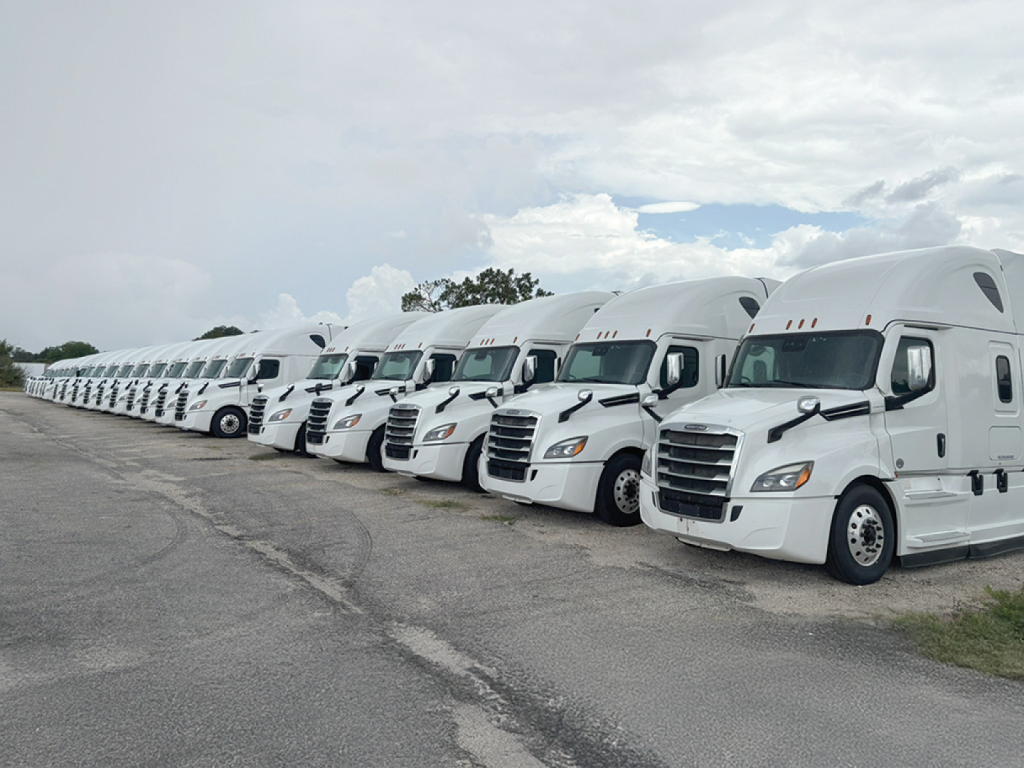
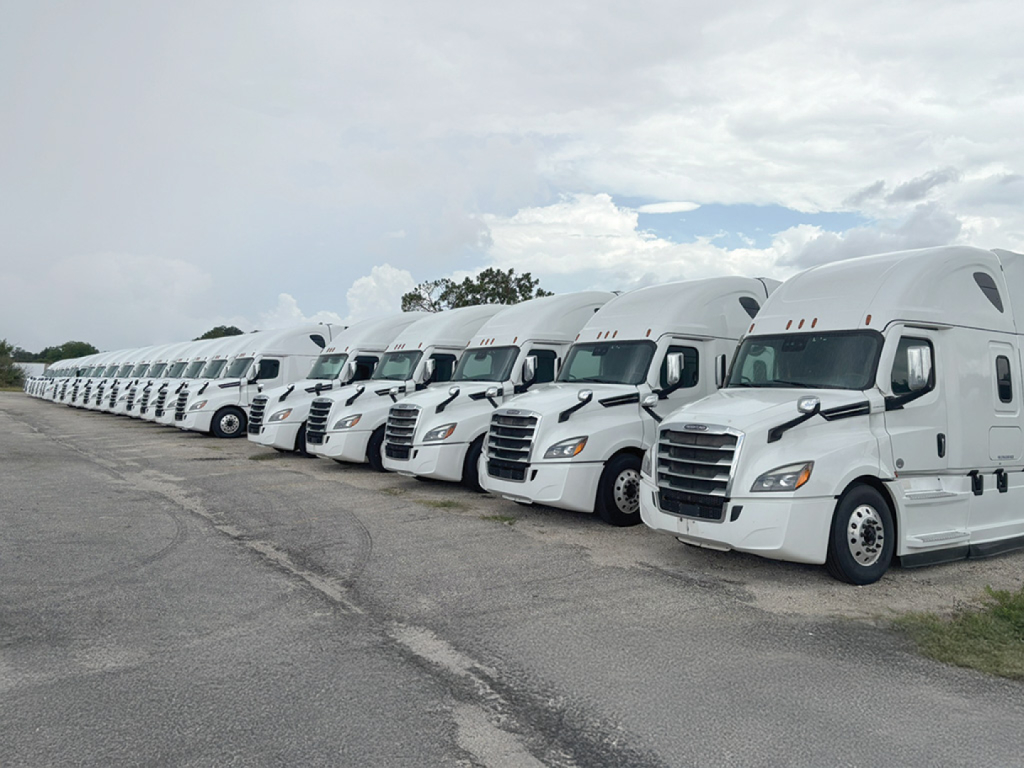
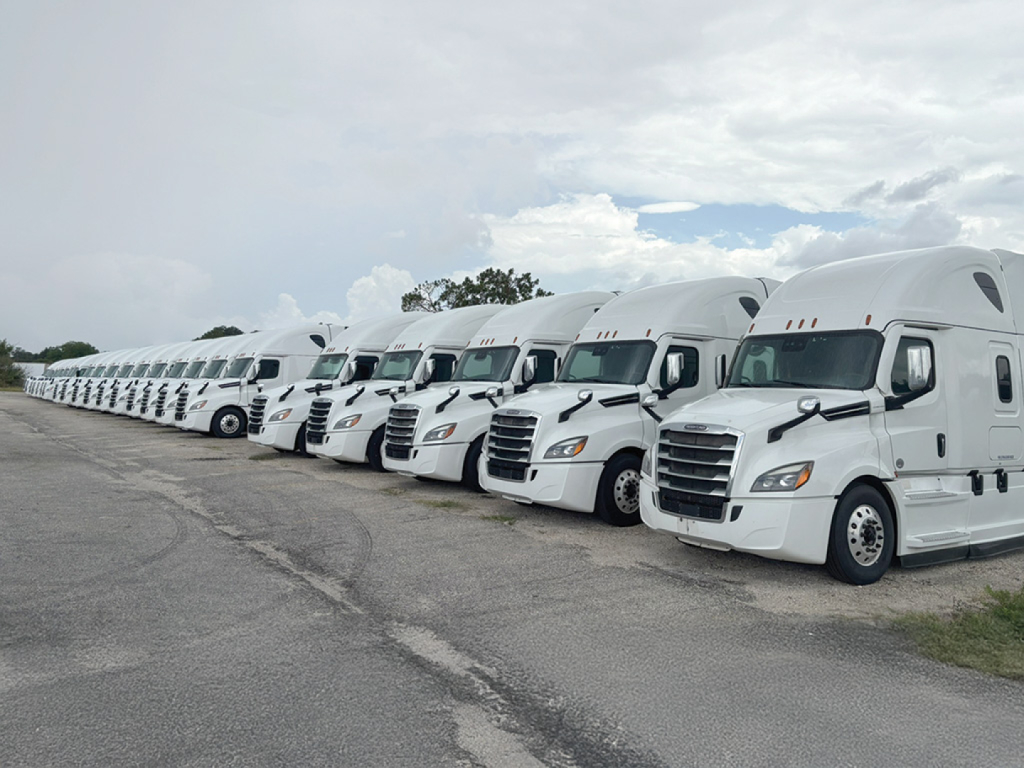
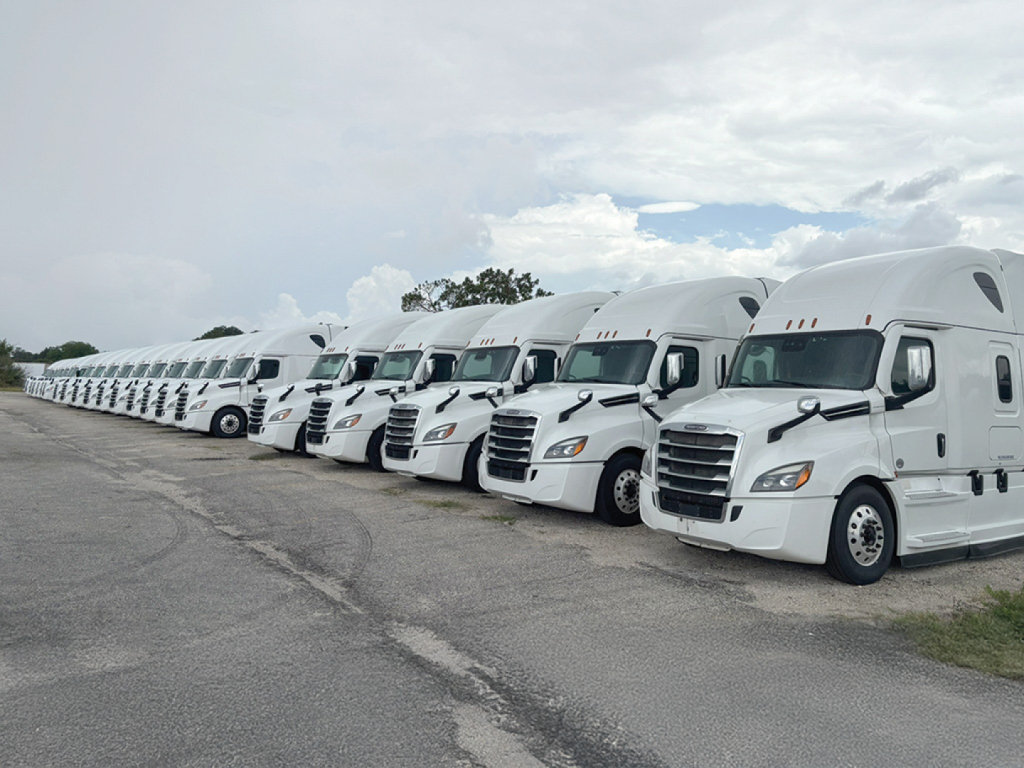
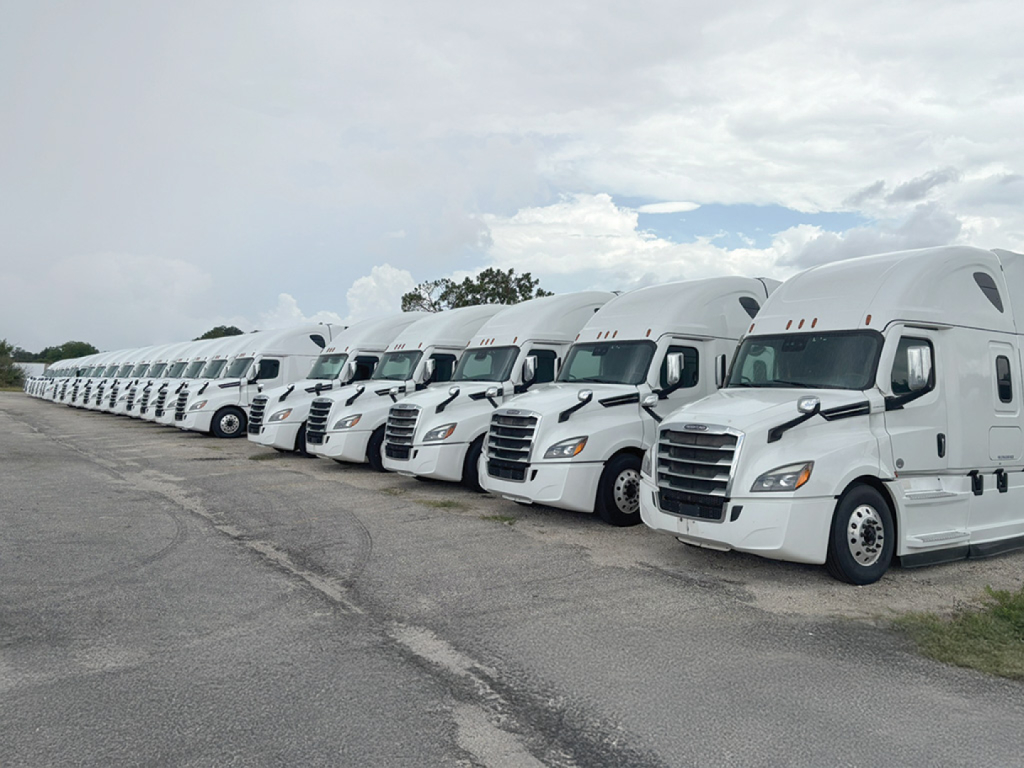
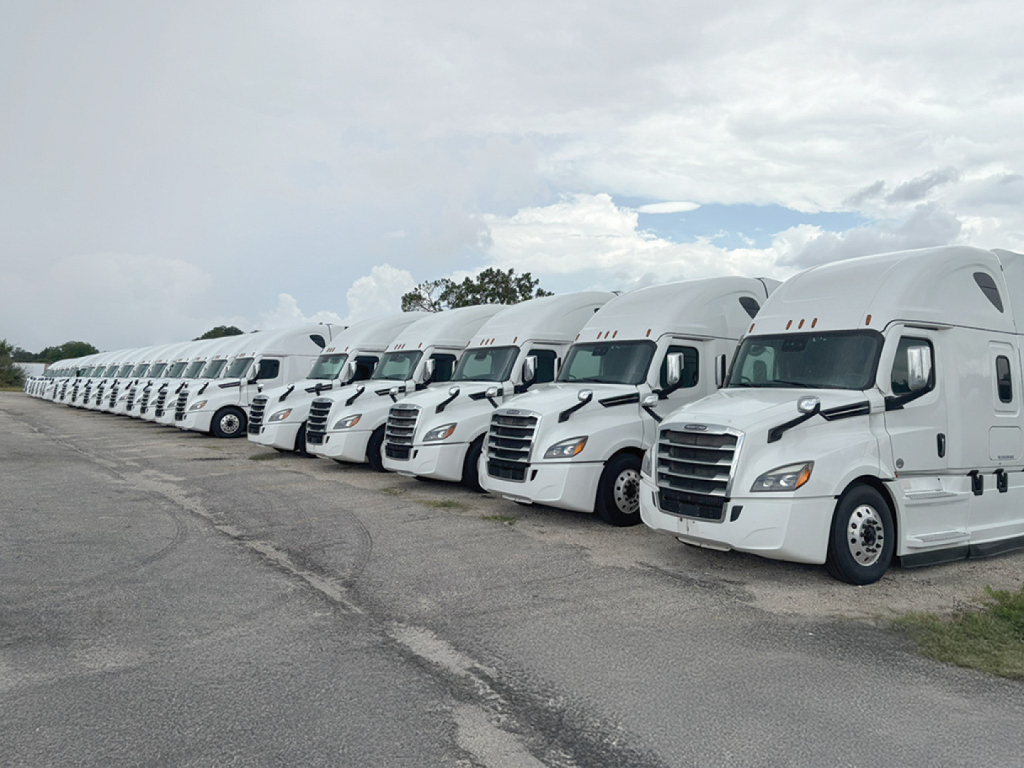
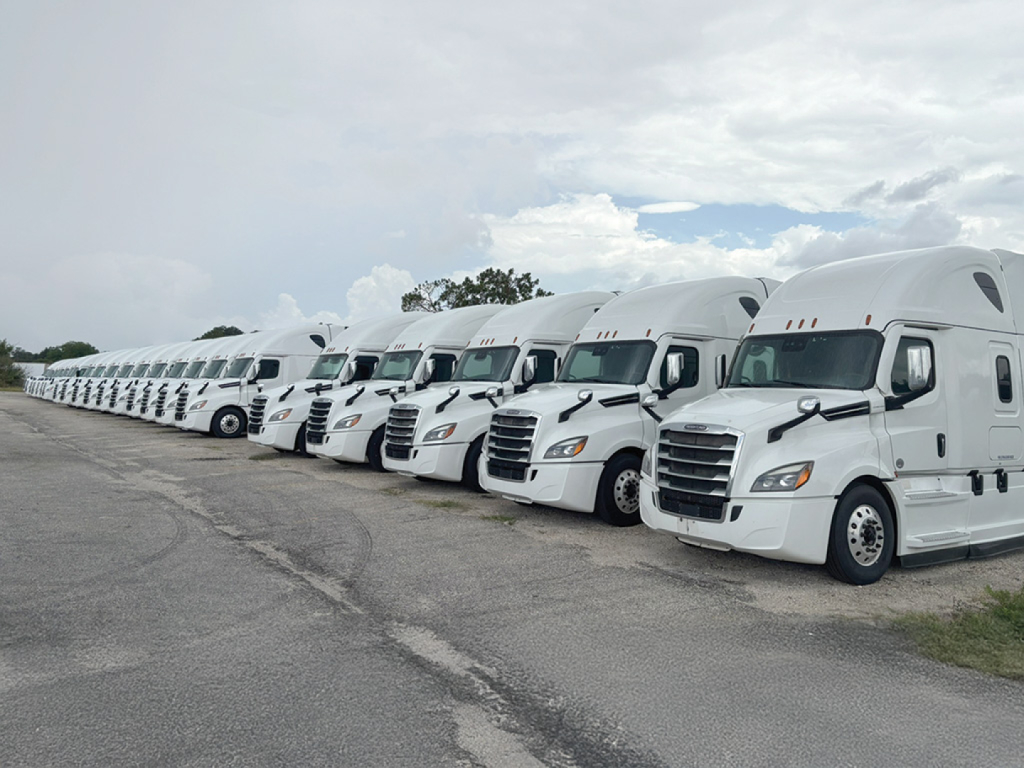
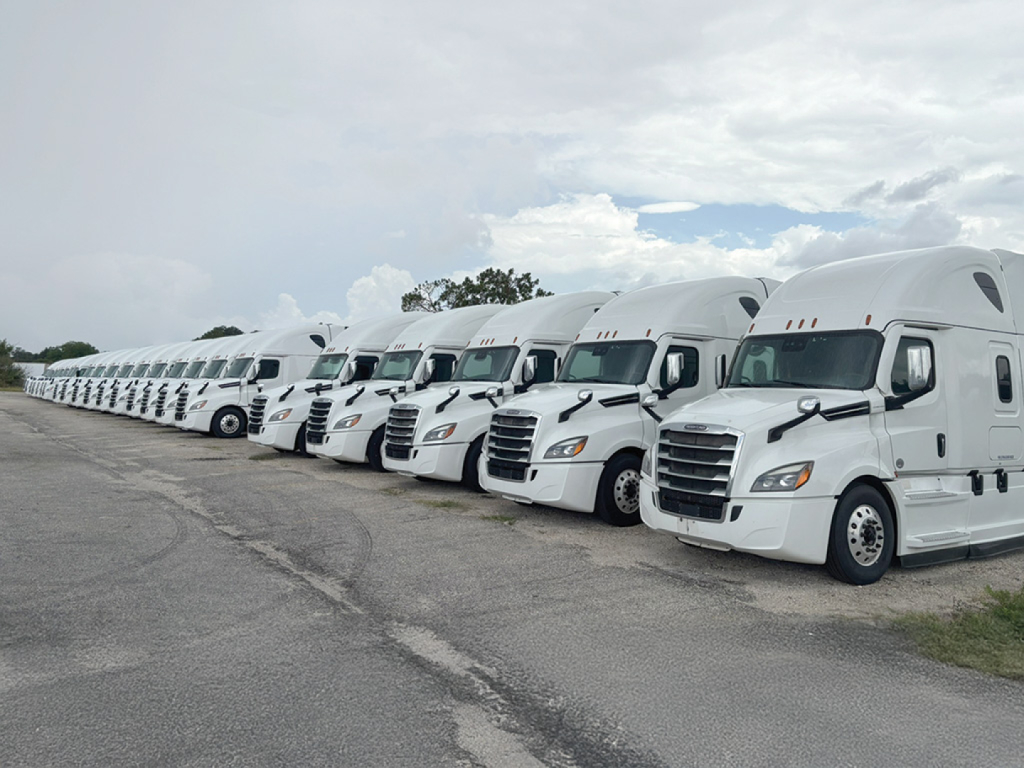
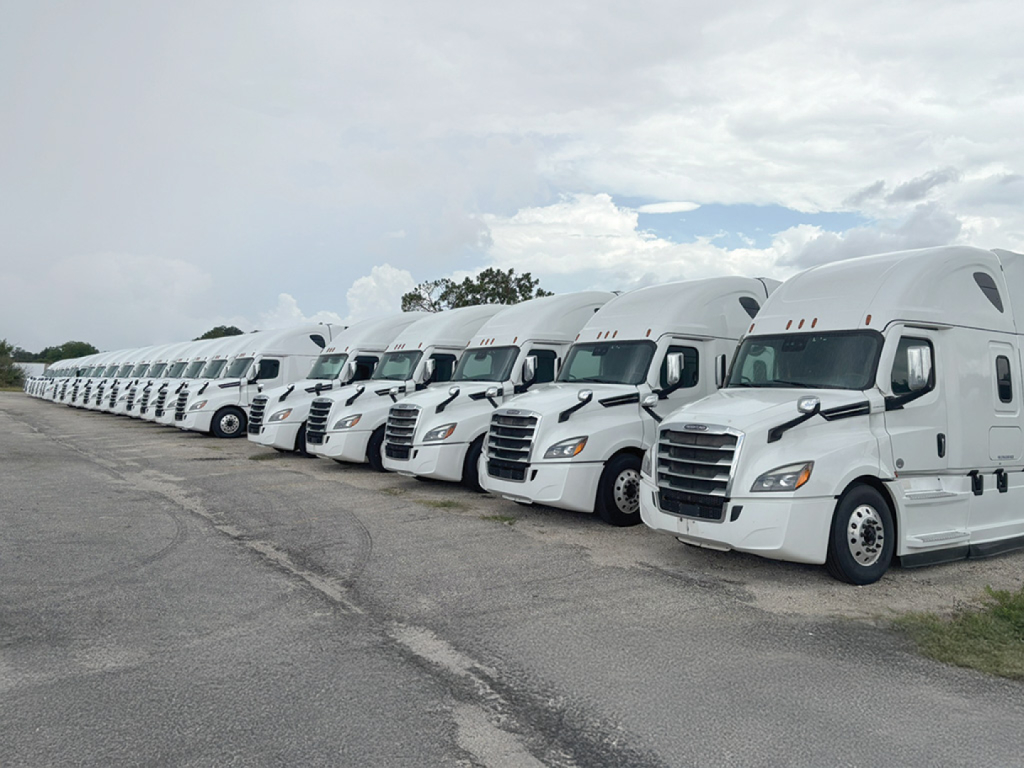
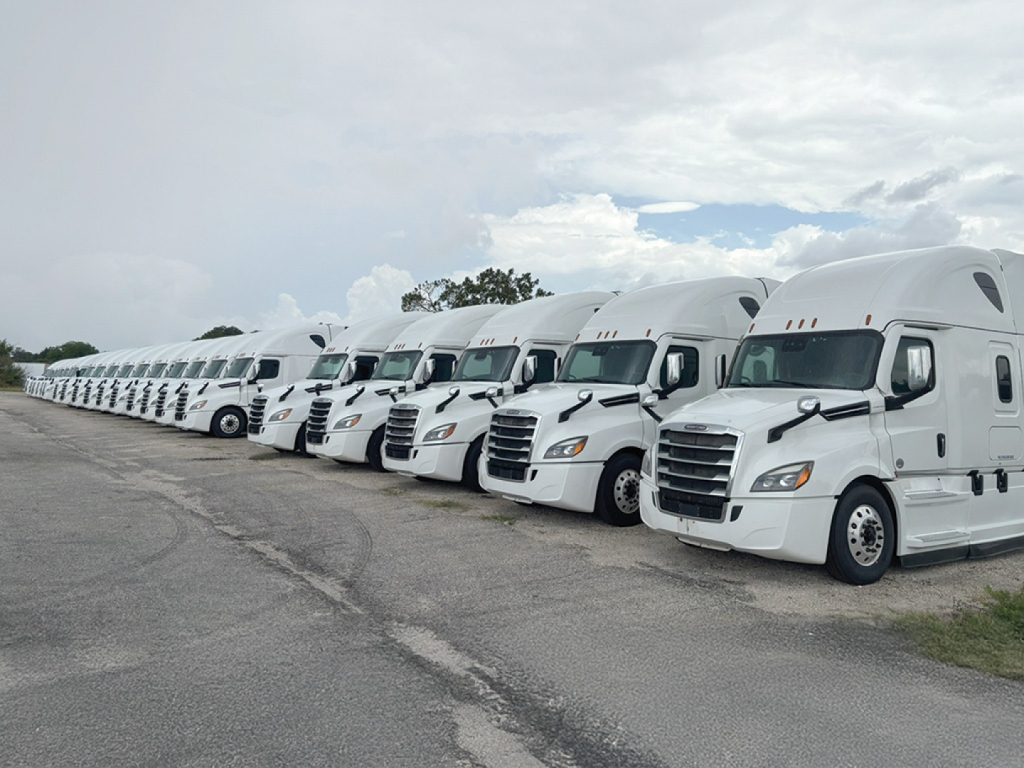
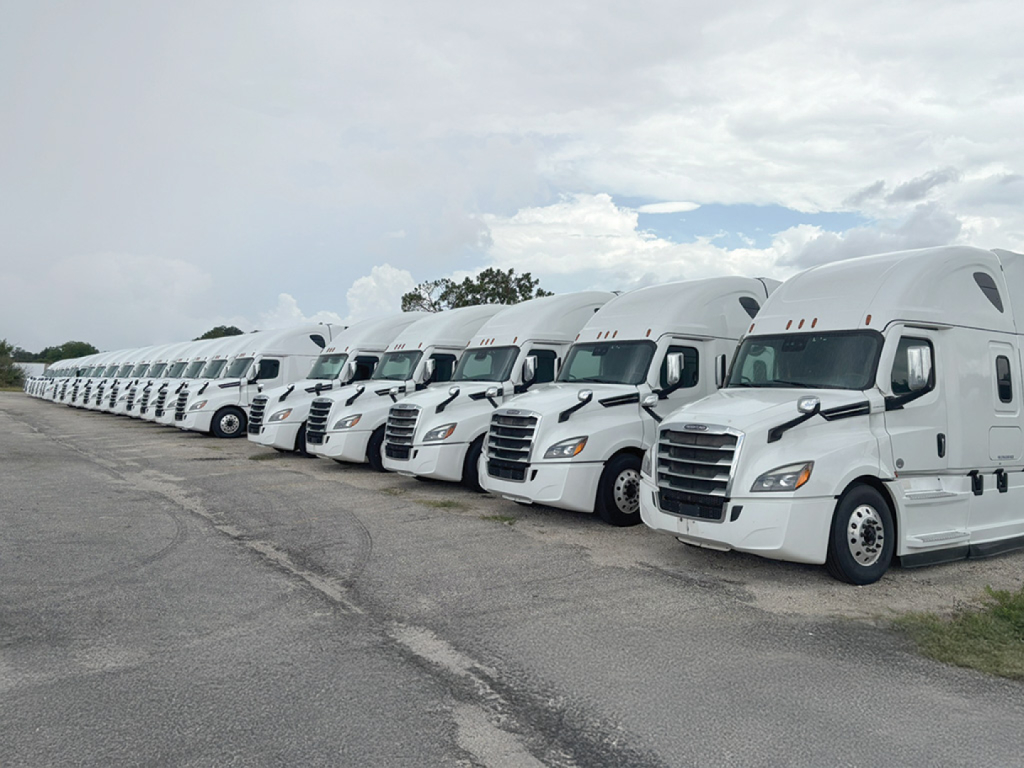
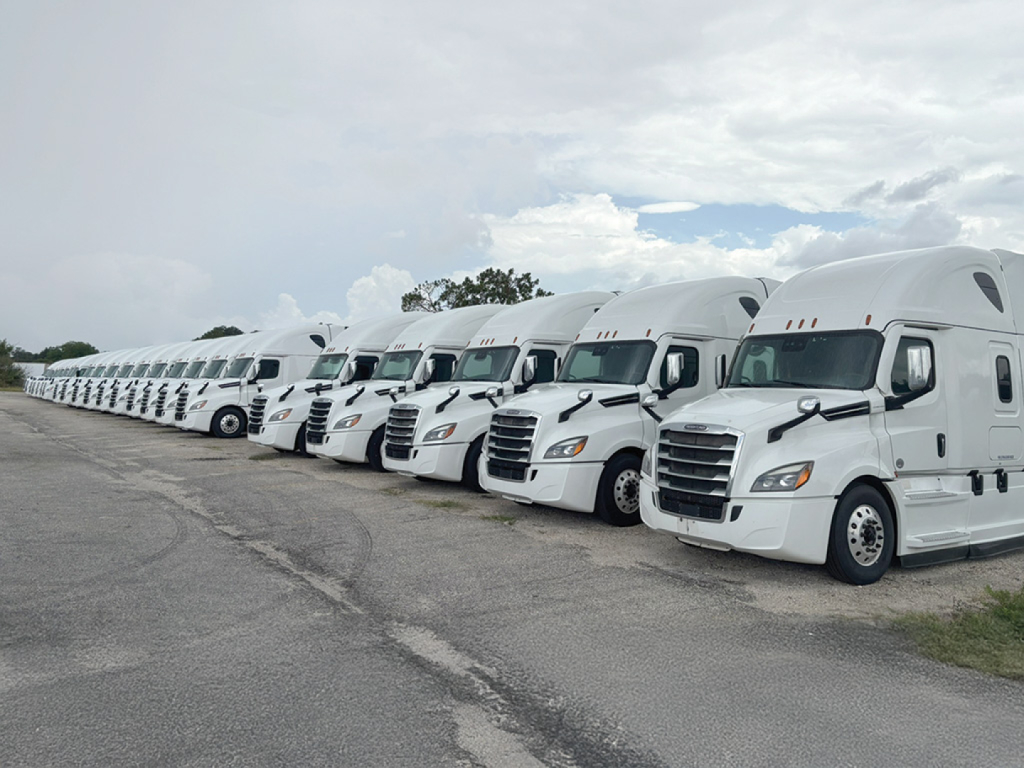
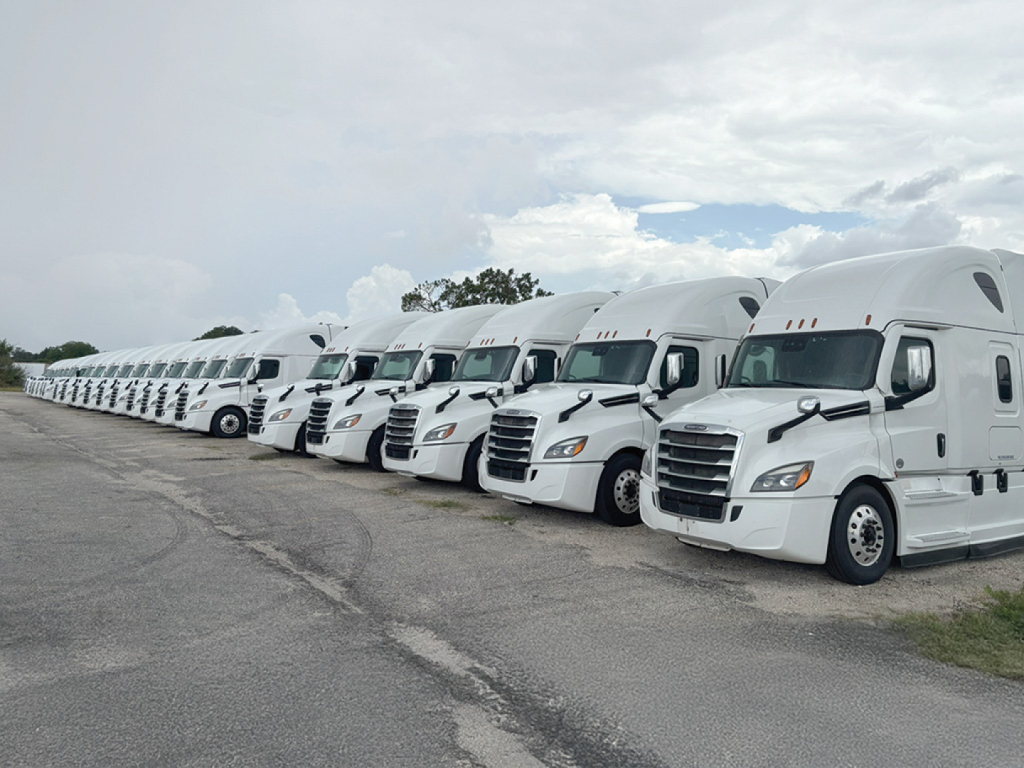
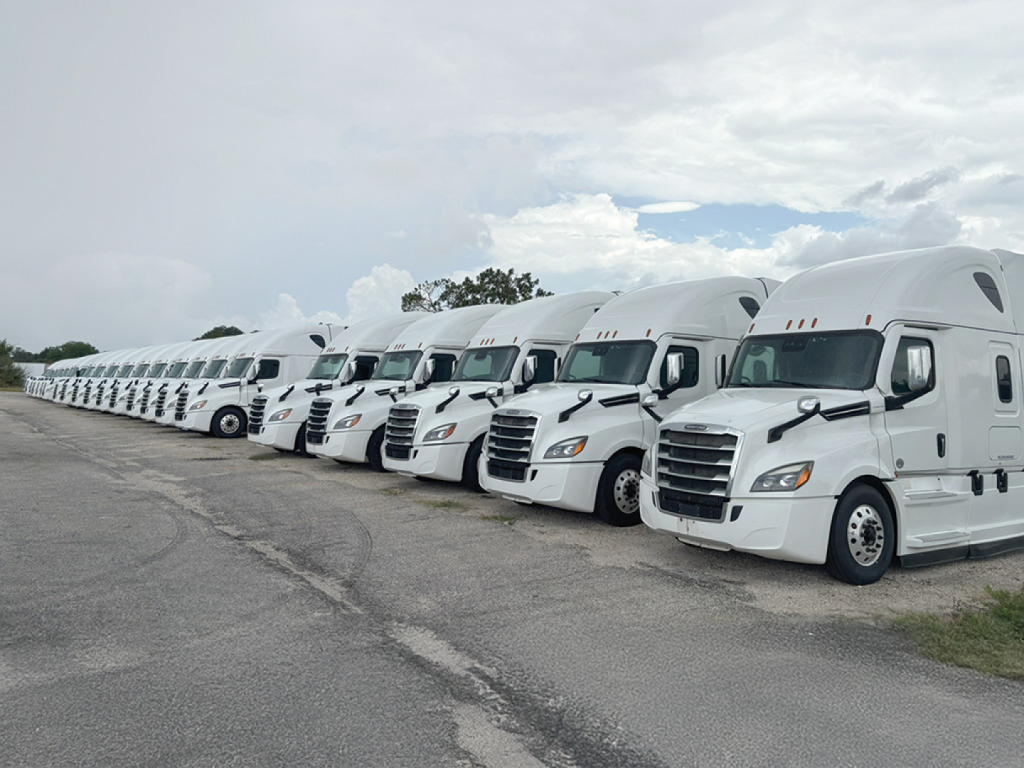
Have 2020 freightliner conventional sleeper truck to sell? List it here to reach thousands of buyers.
2020 Freightliner Conventional Sleeper Trucks in Florida
The key spec decisions usually start with engine, transmission, and rear axle ratio. Many 2020 Freightliner sleepers are powered by the Detroit DD15 in the 14.8-liter range, often rated around 455 hp, though higher horsepower specs are also seen. The DT12 automated manual transmission is common and is popular with fleets for fuel efficiency and driver consistency. A 2.85 rear ratio paired with a 40,000 lb tandem is a typical long-haul setup because it helps keep cruise RPM down while still handling standard van and reefer weights. Buyers should also compare wheelbase, 5th wheel travel, and suspension spec, especially if the truck will be used across multiple trailer lengths or in drop-and-hook service.
Sleeper and cab equipment can make a major difference in resale value and driver retention. A 72-inch raised-roof sleeper with upper bunk is one of the most common and useful configurations in this class. Features like bunk heaters, APUs, air slide 5th wheels, collision mitigation systems, side fairings, cab extenders, and dual aluminum fuel tanks are all worth noting because they affect operating cost, comfort, and dispatch flexibility. In Florida, air conditioning performance, idle-reduction equipment, and fairing condition deserve a close look due to heat, humidity, and year-round road use. Buyers should also inspect tire type, wheel material, quarter fenders, and any signs of fairing damage or corrosion around mounting points.
For a used 2020 Freightliner sleeper, the best value usually comes from balancing mileage, maintenance history, and spec against the freight lane. A DD15 and DT12 combination is well suited for fleets that want a widely supported drivetrain with predictable serviceability. Check for active fault codes, aftertreatment service records, clutch and transmission calibration history, bunk HVAC operation, and collision mitigation sensor condition. If the truck will stay in long-haul service, pay attention to fuel capacity, roof height, and driver amenities. If it will move into regional work, wheelbase, maneuverability, and idle hours may matter more than maximum sleeper space.
Frequently Asked Questions about 2020 Freightliner Conventional Sleeper Trucks in Florida
What engine and transmission are common in a 2020 Freightliner conventional sleeper truck?
A common setup in a 2020 Freightliner conventional sleeper is the Detroit DD15 engine paired with the Detroit DT12 automated manual transmission. This combination is widely used in highway freight because it delivers strong fuel economy, broad service support, and consistent shift performance. Horsepower ratings vary by fleet spec, but 455 hp is very common, with some trucks rated higher for heavier or faster-paced applications.
Is a 72-inch raised-roof sleeper a good choice for long-haul freight?
Yes, a 72-inch raised-roof sleeper is one of the most practical specifications for over-the-road use. It gives the driver enough living space for multi-day runs, supports team driving when equipped with an upper bunk, and typically holds resale value well because it fits a wide range of freight applications. It is especially useful for carriers running dry van and reefer lanes where time away from home is routine.
What rear axle ratio is typical on a 2020 Freightliner Cascadia sleeper?
A 2.85 rear axle ratio is a very common long-haul specification on Freightliner Cascadia sleeper trucks. It is chosen to reduce engine RPM at highway speed and improve fuel economy when paired with an automated transmission and aerodynamic package. Buyers should still match the ratio to actual freight and terrain, because lower RPM highway gearing is not always ideal for heavy haul or constant stop-and-go work.
What features should buyers inspect closely on a used 2020 Freightliner sleeper in Florida?
In Florida, buyers should pay close attention to air conditioning performance, APU operation, bunk heater function, and the condition of exterior fairings and cab extenders. Heat, humidity, and year-round use can expose weak HVAC components and create wear around panels, seals, and mounting hardware. It is also smart to inspect collision mitigation sensors, aftertreatment history, tire condition, and any corrosion around battery boxes, frame hardware, and fuel tank straps.
Are 2020 Freightliner conventional sleepers good for fleet service?
Yes, 2020 Freightliner conventional sleeper trucks are a strong fleet choice because they are commonly spec'd for fuel-efficient highway service and are supported by a large parts and service network. Fleet buyers often value the DD15 and DT12 package for uptime, driver familiarity, and maintenance planning. Safety technology, air ride suspension, and aerodynamic components also make these trucks well suited for dedicated contract freight, regional lanes, and over-the-road operations.