
Conventional Sleeper Trucks For Sale in Illinois
Shop conventional sleeper trucks in Illinois. Compare raised-roof highway tractors by sleeper size, engine, drivetrain, axle ratio, and specs.

Selling a conventional sleeper truck? List your conventional sleeper truck for sale and reach thousands of commercial buyers.
Conventional Sleeper Trucks in Illinois
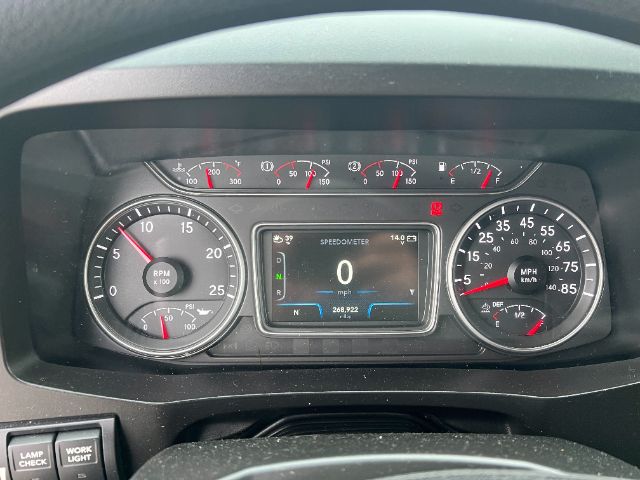
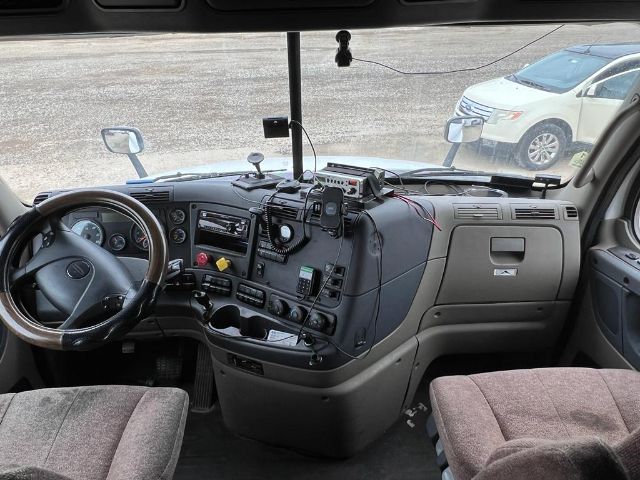
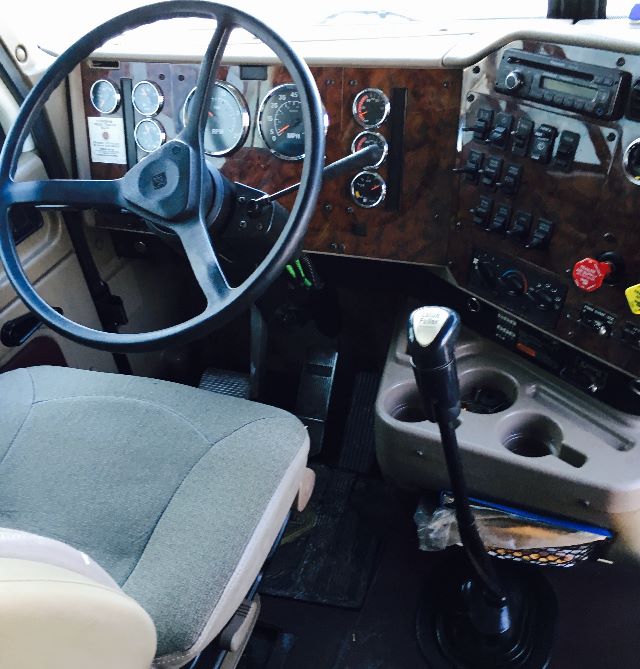
Specs in this category tend to center on highway efficiency and driver retention. Many conventional sleeper trucks are equipped with automated transmissions such as the DT12, Volvo I-Shift, or Eaton Endurant, paired with engine brakes, air ride suspension, and sliding fifth wheels. Wheelbases often land in the low-220s to mid-230s for standard tandem axle tractors, though specialty regional setups can run longer, especially with lift axles or pusher axles. Buyers should compare fuel tank capacity, fairings, cab extenders, wheel and tire package, and brake type, since disc brakes, low rolling resistance tires, and full aero trim can make a measurable difference in uptime and operating cost. Interior details also matter more than many first-time buyers expect, including bunk heater, refrigerator, APU, climate control, storage layout, and dash electronics.
Illinois buyers often need to balance interstate cruising efficiency with maneuverability for terminals, distribution centers, and mixed Midwest weather. A 6x4 tandem drive sleeper is still the most common choice for broad resale appeal and year-round flexibility, but a 6x2 or single-drive configuration with a lift axle can fit certain weight-sensitive or fuel-focused applications. Rear axle ratio should be matched to the transmission and tire size, not judged in isolation. A 2.15 or 2.64 ratio may work well in a downsped highway spec, while a 3.08 ratio can make sense for heavier freight, hillier lanes, or drivers who spend more time off the interstate. If the truck will pull a reefer, haul heavier contract freight, or operate through Chicago traffic and winter conditions, cooling system condition, idle management setup, traction configuration, and collision mitigation features deserve close attention.
Condition and prior application are just as important as brand. For a used conventional sleeper, buyers should look at emissions system service history, transmission calibration updates, engine idle hours, wheelbase and kingpin setting compatibility, suspension wear, and signs of fairing or sleeper damage from prior fleet use. A clean aerodynamic sleeper with the right bunk size, powertrain rating, and axle spec can be a strong fit for owner-operators and fleets alike, especially when the truck is matched to the trailer, freight type, and annual mileage plan instead of chosen on horsepower alone.
Frequently Asked Questions about Conventional Sleeper Trucks in Illinois
What is a conventional sleeper truck?
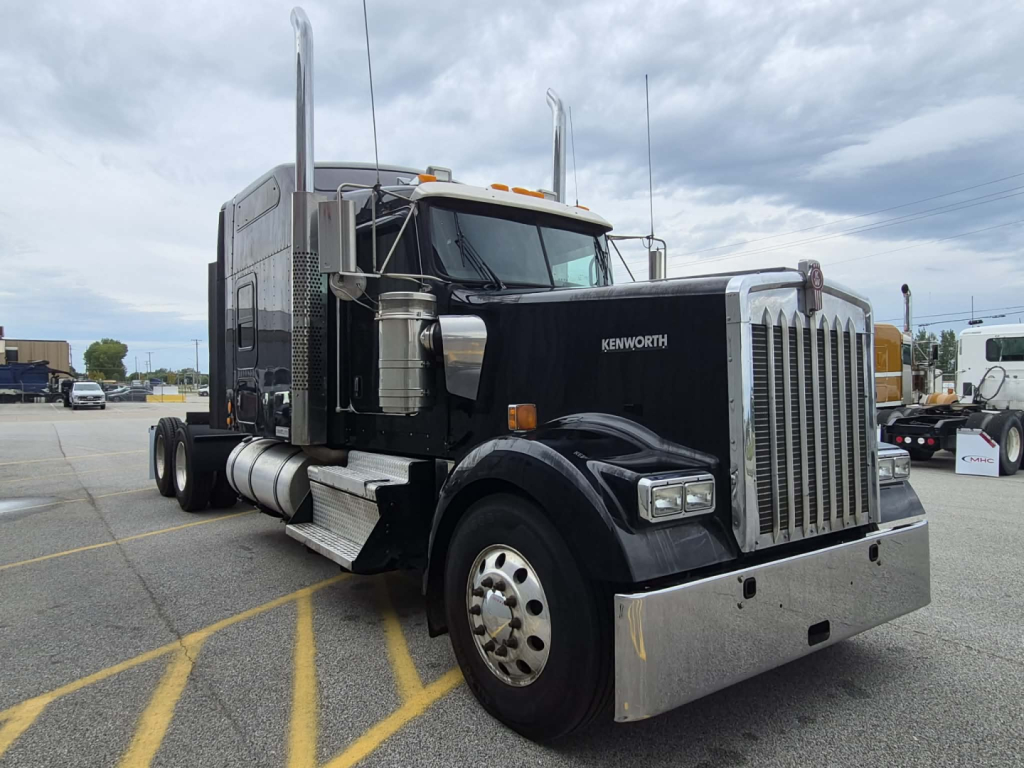
A conventional sleeper truck is a highway tractor with a hooded engine design and an integrated sleeper compartment mounted behind the cab. It is built for runs that require overnight or multi-day driving and is commonly used in over-the-road, regional, and dedicated freight service. Compared with a day cab, a sleeper adds living space, storage, and rest accommodations for one or two drivers.
What sleeper size is best for long-haul freight?
For most long-haul applications, a 72-inch to 76-inch raised-roof sleeper is the most common balance of comfort, weight, and maneuverability. Larger sleepers can improve driver comfort and storage capacity on extended routes, but they also add length and weight. The right size depends on trip length, team driving needs, available storage, and how important cab space is for retention and uptime.
Which engine and transmission combinations are common in conventional sleeper trucks?
Common powertrains include the Detroit DD15 with DT12, Volvo D13 or D13TC with I-Shift, and Cummins X15 with an automated Eaton or OEM-specified transmission. Horsepower often falls between 400 and 505, with torque and axle ratio selected around freight weight and cruising speed. Automated manual transmissions dominate this category because they support fuel economy, reduce driver fatigue, and simplify fleet standardization.
Should I choose a 6x4 tandem drive or a lighter axle configuration?
A 6x4 tandem drive remains the safest all-around choice for broad freight capability, traction, and resale value. It is well suited to Midwest weather, heavier trailers, and mixed route conditions. Lighter configurations such as 6x2 or single-drive setups with a lift axle can improve fuel economy or fit specialized applications, but they require closer attention to weight distribution, traction, and trailer match.
What should I inspect first on a used conventional sleeper truck?
Start with the engine and emissions service history, transmission software status, idle hours, and any fault-code or aftertreatment records. Then inspect tires, brakes, suspension, steering, fifth wheel, and sleeper systems such as HVAC, bunk heater, refrigerator, and APU if equipped. Buyers should also verify wheelbase, rear axle ratio, and kingpin setting compatibility to make sure the tractor fits the trailers and freight it will actually haul.