
Kenworth Conventional Sleeper Trucks For Sale in Illinois
Browse Kenworth conventional sleeper trucks for sale in Illinois, including T680 specs, sleeper sizes, drivetrain options, and buyer considerations.
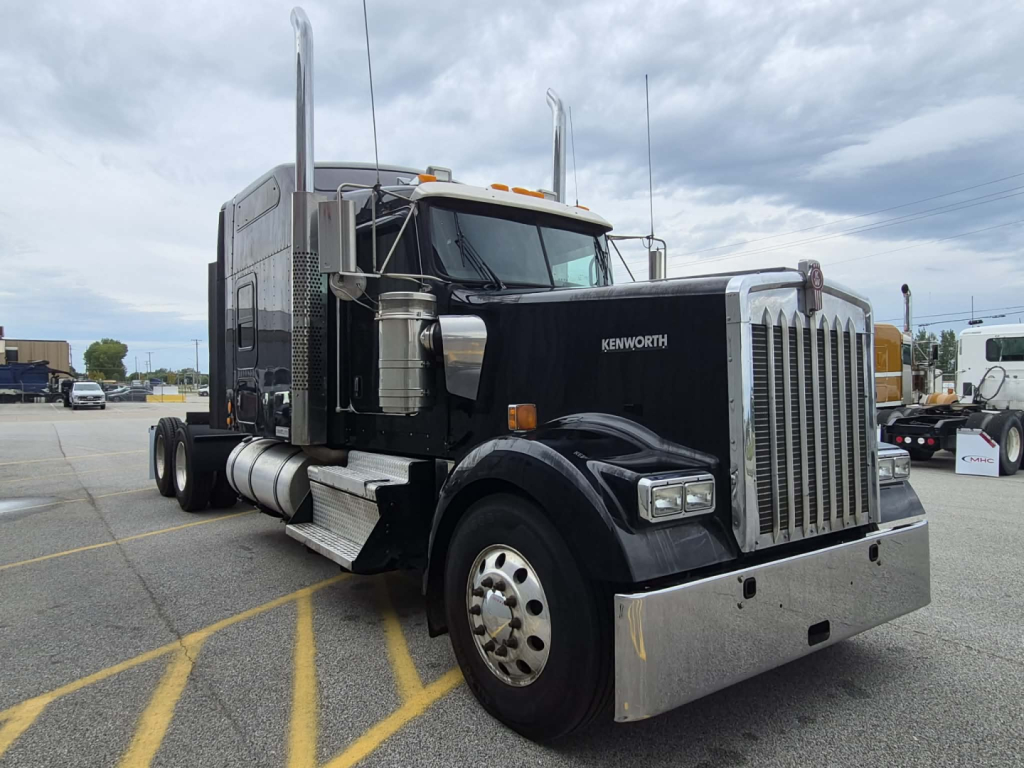

Selling a kenworth conventional sleeper truck? List your kenworth conventional sleeper truck for sale and reach thousands of commercial buyers.
Kenworth Conventional Sleeper Trucks in Illinois
The first decision usually comes down to powertrain and axle setup. Many Kenworth sleeper trucks in this category are spec'd with the PACCAR MX-13 in the 455 HP range, automated transmissions, and 40,000 lb rear axles. That combination is common for dry van, refrigerated, and general freight service because it balances fuel efficiency with enough torque for loaded highway work. Rear axle ratios such as 2.64, 2.79, and 2.85 are typical on late-model highway specs. Lower numerical ratios generally favor fuel mileage at cruise speed, while a slightly deeper ratio can help in mixed terrain, stop-and-go routes, or heavier average gross weights. Wheelbase, fifth wheel travel, and suspension type also matter if you plan to pull different trailer lengths or need flexibility in kingpin settings.
Sleeper layout deserves a close look because it directly affects driver retention and trip efficiency. High-roof 76-inch sleepers are common on Kenworth conventional sleepers and give drivers stand-up room, more cabinet capacity, and better suitability for multi-day runs. Features like upper bunks, bunk heaters, auxiliary power units, and integrated climate control systems can reduce idle time and improve overnight comfort. Buyers should also pay attention to practical operating specs such as dual aluminum fuel tanks, side fairings, cab extenders, disc brakes, low-profile 22.5 tires, and air slide or adjustable fifth wheels. These details influence maintenance cost, trailer compatibility, and how the truck performs across toll roads, city distribution points, and long stretches of interstate.
A good Kenworth sleeper truck spec is one that matches the freight, not just the badge. For Illinois-based operations, that often means evaluating corrosion exposure, cold-weather starting performance, bunk HVAC operation, and the condition of emissions components after extended idle or regional use. Review engine brake function, transmission calibration, suspension wear, and tire type before comparing cosmetic features. Kenworth conventional sleepers hold strong appeal because they combine aerodynamic efficiency, a driver-friendly cab, and a broad service network, but the best value comes from matching the truck's sleeper size, horsepower, axle ratio, and chassis layout to the lanes you actually run.
Frequently Asked Questions about Kenworth Conventional Sleeper Trucks in Illinois
What is the most common Kenworth conventional sleeper model for highway freight?
The Kenworth T680 is one of the most common conventional sleeper models for highway freight because it combines an aerodynamic hood, integrated fairings, a spacious sleeper, and efficient powertrain options. It is widely used in dry van, reefer, and general freight operations where fuel economy, driver comfort, and long-mile durability are key priorities.
What sleeper size is typical on a Kenworth conventional sleeper truck?
A 76-inch high-roof sleeper is a very common configuration on Kenworth conventional sleeper trucks. This size gives enough room for stand-up height, storage cabinets, and often an upper bunk, making it a strong fit for over-the-road applications where drivers spend multiple nights in the truck.
How important is rear axle ratio on a Kenworth sleeper tractor?
Rear axle ratio has a major effect on cruise RPM, fuel economy, gradeability, and how the truck handles different freight weights. Ratios like 2.64 are often chosen for fuel-efficient highway running, while 2.79 or 2.85 can be a better fit for mixed terrain, heavier loads, or operations with more frequent starts and stops. The right ratio depends on your average gross weight, route profile, and target road speed.
Are automated transmissions common in Kenworth sleeper trucks?
Yes, automated manual and automatic-style transmissions are very common in late-model Kenworth conventional sleeper trucks. They help standardize driver performance, reduce clutch wear, and can improve fuel economy when paired with the right engine and rear axle ratio. They are especially popular in fleet service and long-haul operations where ease of use and driver recruiting matter.
What should buyers inspect first on a used Kenworth conventional sleeper in Illinois?
Start with the engine, emissions system, transmission operation, and suspension condition, then move to the sleeper equipment and chassis details. In Illinois, it is smart to check for corrosion, verify heater and HVAC performance, inspect disc or drum brake condition, and review tire wear patterns that may point to alignment or suspension issues. A truck that looks clean but has poor idle history, weak bunk climate control, or unresolved aftertreatment problems can cost more in downtime than a higher-mile unit with strong maintenance records.