
2006 Conventional Sleeper Trucks For Sale
Shop 2006 conventional sleeper trucks with specs on engines, sleepers, wheelbases, drivetrains, and maintenance points that matter to buyers.
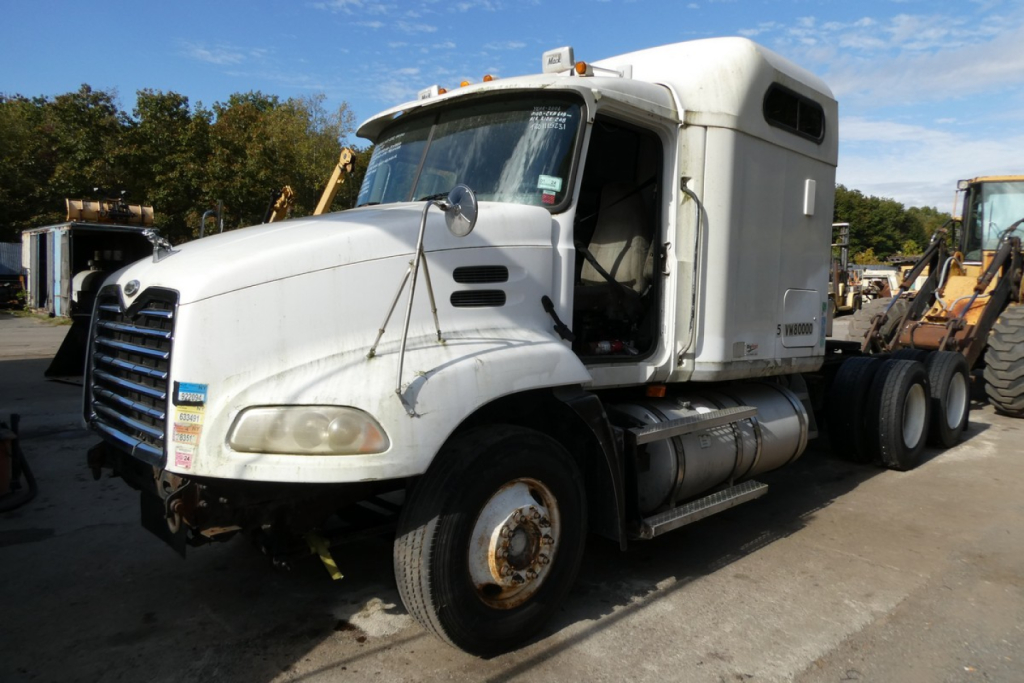
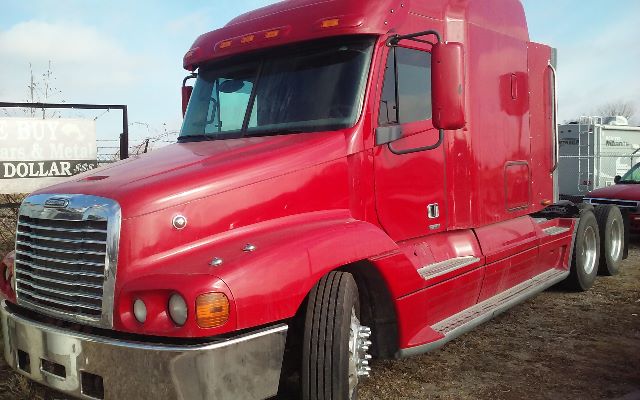

Selling a 2006 conventional sleeper truck? List your 2006 conventional sleeper truck for sale and reach thousands of commercial buyers.
2006 Conventional Sleeper Trucks
The biggest buying decision on a 2006 conventional sleeper is the powertrain. Common engines from this era include the Caterpillar C13 and C15, Cummins ISX, Detroit Diesel Series 60, Volvo D12, and some Mercedes-Benz offerings depending on make. Buyers should pay close attention to horsepower and torque ratings, transmission type, rear axle ratio, and total vehicle spec rather than shopping by engine badge alone. A 10-speed manual may suit general freight and lower acquisition cost, while 13-speed and 18-speed transmissions make more sense for heavier pulls, mountain work, or operators who want tighter control over RPM. Wheelbase, fifth wheel placement, and front axle set-back also matter because they affect bridge law flexibility, trailer gap, ride quality, and turning radius.
Condition matters more than age in this category. A well-documented 2006 sleeper can still be a productive truck if the overhead has already been addressed. Service records for inframe work, EGR components, injectors, turbo, clutch, differential service, suspension wear items, and air system repairs are especially valuable. Buyers should inspect the sleeper HVAC, bunk heater, APU wiring if equipped, cab mounts, steering play, frame condition, crossmembers, and signs of corrosion around battery boxes and under the cab. Interior wear tells a lot on these trucks. Seat base looseness, switchgear condition, sleeper seals, and dash fault history can reveal whether a truck has been maintained for long road use or simply kept running.
For application, 2006 conventional sleeper trucks are still a practical choice for dry van, reefer, flatbed, step deck, and general long-haul freight when the spec matches the work. An aerodynamic sleeper with a modest rear ratio can reduce fuel burn on interstate lanes, while a long-hood truck with higher horsepower and deeper gearing is often preferred for specialized hauling or operators who prioritize serviceability and driver preference. If the truck will be leased on, buyers should confirm emissions compliance, wheelbase limits, and fleet spec requirements before purchasing. The right 2006 sleeper is usually the one with a proven maintenance history, a drivetrain matched to the load, and a sleeper configuration that supports the job without adding unnecessary weight or complexity.
Frequently Asked Questions about 2006 Conventional Sleeper Trucks
Why do many buyers look for a 2006 conventional sleeper truck specifically?
Many buyers target 2006 conventional sleeper trucks because they are generally pre-DPF trucks, which means they avoid the diesel particulate filter systems introduced on later models. That can reduce emissions-related complexity, lower some repair exposure, and make the truck appealing to owner-operators who prefer older mechanical and electronic systems. The tradeoff is that age, mileage, and prior maintenance become far more important than model year alone.
What engines are common in 2006 conventional sleeper trucks?
Common engines in this category include the Caterpillar C13 and C15, Cummins ISX, Detroit Diesel Series 60, and Volvo D12, with availability varying by make and original spec. Each engine family has its own strengths, service history patterns, and parts support considerations. The best choice depends on the intended application, the quality of maintenance records, and whether major repairs such as an inframe, head work, turbo replacement, or injector service have already been completed.
What should I inspect first on a used 2006 sleeper tractor?
Start with maintenance records, engine blow-by, oil and coolant condition, fault codes, transmission operation, clutch wear if manual, and rear axle condition. Then inspect the frame rails, suspension, airbags, brakes, tires, steering components, cab mounts, and the sleeper itself for HVAC performance, leaks, and electrical issues. On a truck of this age, deferred maintenance usually costs more than cosmetic flaws, so drivetrain health and structural condition should come first.
Is a 2006 conventional sleeper truck good for long-haul freight?
Yes, a properly spec'd and well-maintained 2006 conventional sleeper can still work well in long-haul service. Sleeper size, fuel capacity, gearing, and ride quality all affect suitability for over-the-road operation. An aero spec with the right axle ratio is typically better for fuel economy on van or reefer lanes, while heavier vocational or long-hood specs may be better suited to specialized freight, open-deck hauling, or routes where power matters more than fuel efficiency.
How important are wheelbase and rear axle ratio on a 2006 sleeper truck?
They are critical because they shape how the truck performs and what trailers or lanes it fits best. Rear axle ratio affects cruise RPM, gradeability, startability, and fuel economy, while wheelbase affects ride quality, turning radius, bridge compliance, and fifth wheel adjustment range. A buyer comparing 2006 conventional sleepers should treat these as core spec decisions, not secondary details, because they directly affect operating cost and day-to-day usability.