
Conventional Sleeper Trucks For Sale in Ontario
Browse conventional sleeper trucks for sale in Ontario with specs that fit long-haul freight, regional runs, fuel economy, and driver comfort.
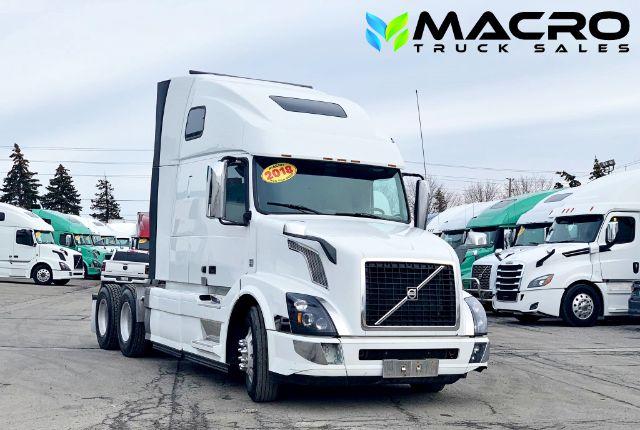
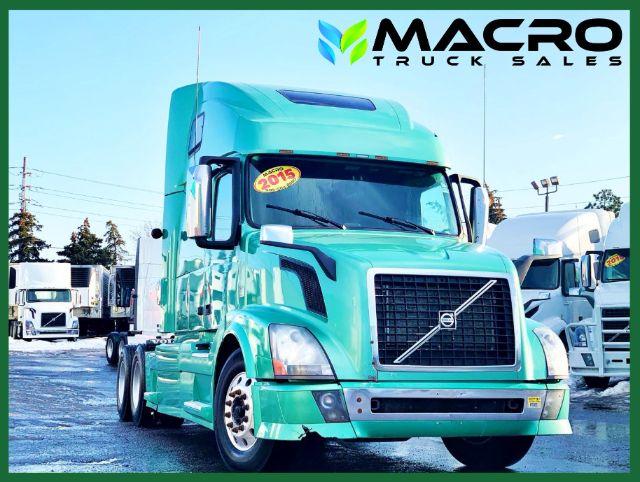

Selling a conventional sleeper truck? List your conventional sleeper truck for sale and reach thousands of commercial buyers.
Conventional Sleeper Trucks in Ontario
Frequently Asked Questions about Conventional Sleeper Trucks in Ontario
What is a conventional sleeper truck?
A conventional sleeper truck is a highway tractor with the engine mounted ahead of the cab and a built-in sleeping compartment behind the seats. It is also called a sleeper semi truck or sleeper tractor. This configuration gives operators more room for long-distance work, better ride quality, and easier service access than cabover designs.
What sleeper size is best for long-haul trucking in Ontario?
Most long-haul buyers look for 70 to 76 inch sleepers because they provide enough room for a bunk, storage, and more comfortable overnights on multi-day runs. A mid-roof sleeper can save weight and reduce drag, while a high-roof sleeper offers more stand-up room and better livability for team operations or extended trips.
What engine and transmission specs are common in conventional sleeper trucks?
Common engines in this category include the PACCAR MX-13, Detroit DD15, and Mack MP8, usually rated around 445 to 505 horsepower. Most late-model trucks are equipped with automated manual transmissions such as the DT12 or mDrive, or other automatic-shifted setups, because they help with fuel economy, driver recruitment, and reduced drivetrain abuse.
What rear axle ratio should I look for in a sleeper tractor?
Rear axle ratio depends on your freight, terrain, and cruising speed. Ratios like 2.64, 2.79, 2.93, and 3.08 are common in aerodynamic sleeper trucks. Lower numerical ratios generally support lower highway RPM and better fuel economy, while a higher numerical ratio can improve gradeability and starting performance for heavier work or more demanding routes.
What features matter most when comparing used conventional sleeper trucks?
The most important items are engine history, aftertreatment condition, transmission performance, rear axle ratio, wheelbase, brake type, sleeper configuration, and signs of fleet maintenance. Buyers should also review idle hours, APU or bunk heater equipment, tire type, 5th wheel travel, collision mitigation systems, and whether the truck has the aerodynamic package and fuel capacity needed for its intended lanes.