
Conventional Sleeper Trucks For Sale in Louisiana
Browse conventional sleeper trucks for long-haul freight in Louisiana, with tandem axles, high-roof and mid-roof cabs, and fuel-efficient specs.
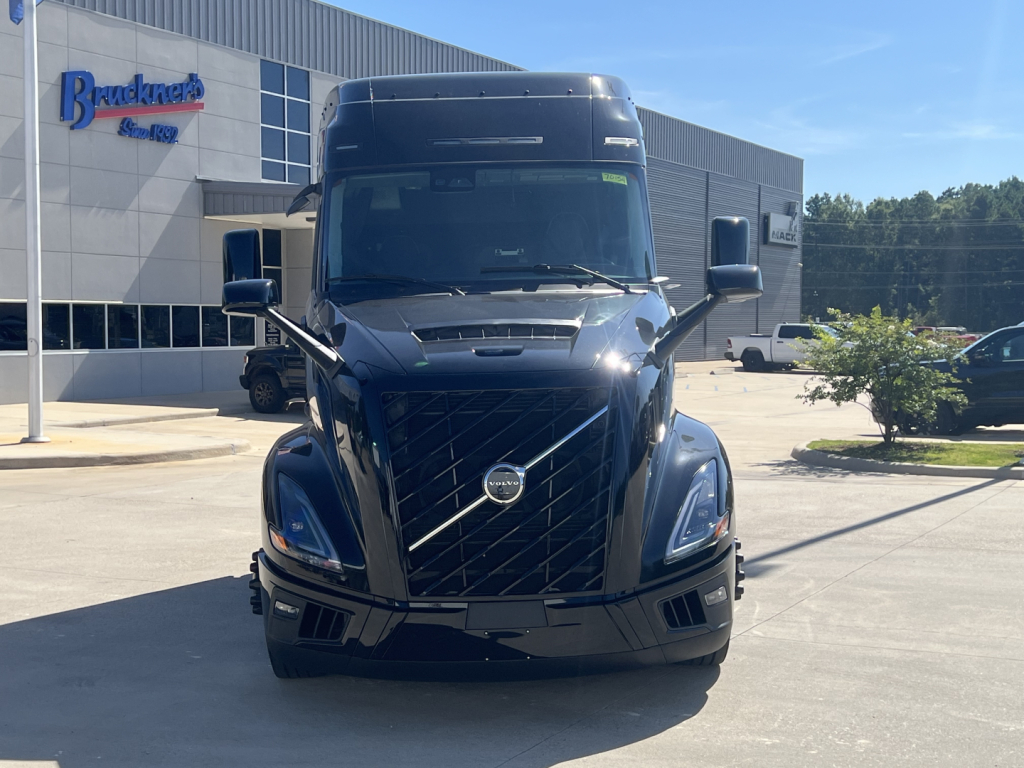

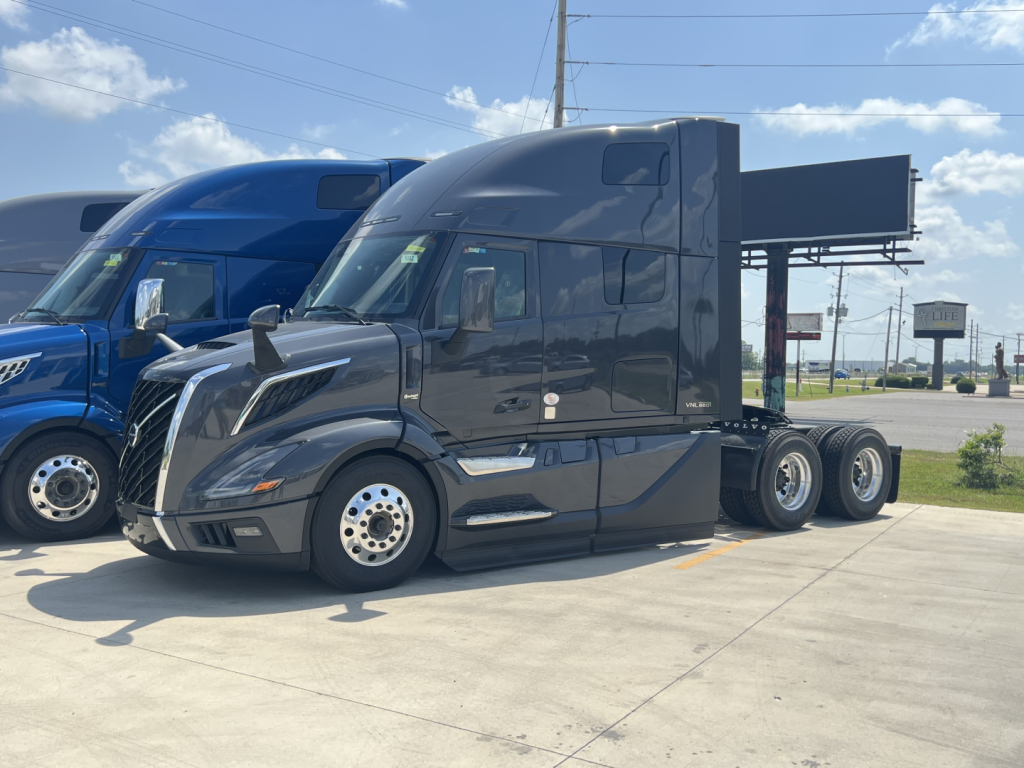
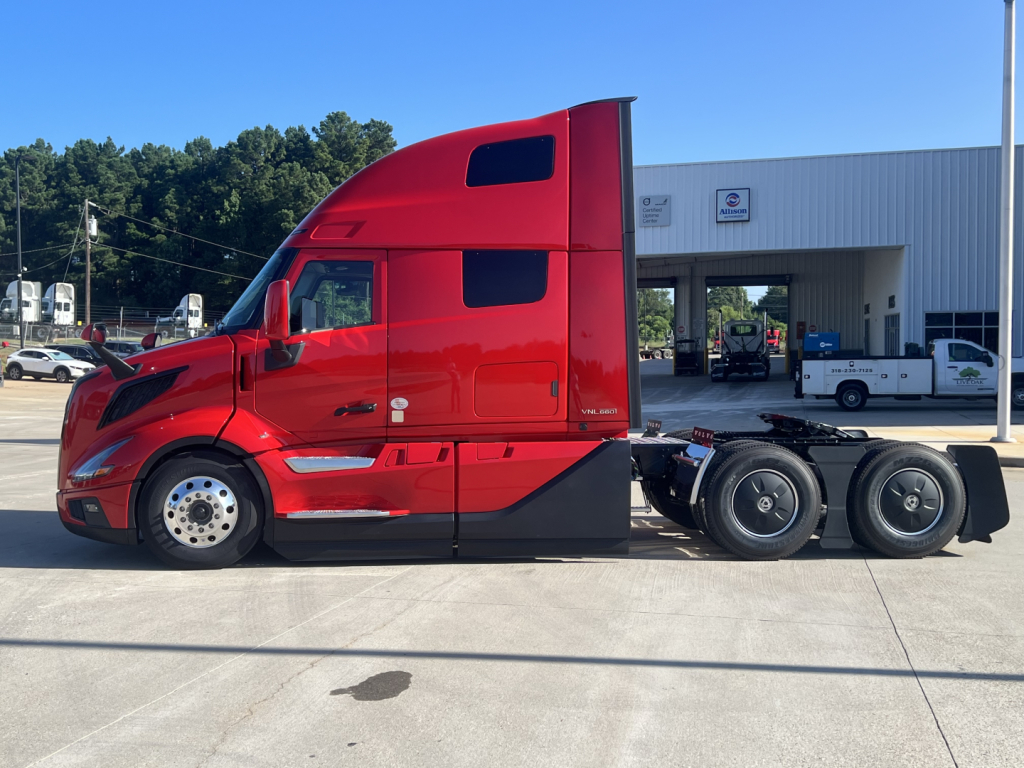
Selling a conventional sleeper truck? List your conventional sleeper truck for sale and reach thousands of commercial buyers.
Conventional Sleeper Trucks in Louisiana
The biggest buying decisions usually come down to sleeper size, drivetrain, and wheelbase. Mid-roof sleepers are a practical fit for fleets that want good aerodynamics and lower overall height, while high-roof sleepers provide more standing room, storage, and livability for team or long-haul applications. Common specs in this class include tandem rear axles, 12,000 to 13,200 lb front axles, 40,000 lb rears, and GVWRs around 52,000 to 53,200 lbs. Late-model conventional sleepers are often spec'd with automated manual transmissions, highway axle ratios in the low 2s, and 13-liter engines in the 400 to 500 horsepower range. That combination is aimed at steady cruise speeds, lower engine rpm, and strong fuel economy without giving up pulling power.
Cab and sleeper spec matters as much as horsepower. Buyers comparing conventional sleeper trucks should look closely at bunk configuration, cabinet space, refrigerator and inverter prep, shore power, parking HVAC, and overall interior layout. Engine-off cooling is especially valuable in the Gulf South, where idle reduction and rest-period comfort can directly affect driver retention. Safety and driver-assist technology have also become a bigger part of this category, including collision mitigation, lane support, adaptive cruise functions, dynamic steering, and improved visibility packages. These features do not replace a good driver, but they can reduce fatigue and improve consistency on long routes.
For freight applications, a conventional sleeper is commonly used in dry van, refrigerated, flatbed, and dedicated route service. The right spec depends on average trailer weight, terrain, and how the truck is dispatched. A lighter highway spec with a fuel-efficient rear ratio works well for van and reefer lanes across I-10, I-20, and regional Southern freight corridors. A buyer hauling heavier or more variable loads may want to pay closer attention to horsepower, torque rating, suspension spec, and wheelbase-to-fifth-wheel layout. Ride quality, turning radius, and ease of maintenance all matter over the life of the truck, so the best conventional sleeper is not just the one with the biggest bunk or highest horsepower, but the one matched to the freight, driver expectations, and operating cost targets.
Frequently Asked Questions about Conventional Sleeper Trucks in Louisiana
What is a conventional sleeper truck?
A conventional sleeper truck is a highway tractor with a long hood and a built-in sleeping compartment behind the driver and passenger seats. It is designed for over-the-road freight where the driver may spend multiple days in the truck. Compared with a day cab, a sleeper adds bunk space, storage, and often options such as shore power, inverters, refrigerators, and parking climate systems.
What sleeper size is best for long-haul trucking?
The best sleeper size depends on route length, driver preference, and how much time is spent in the truck. Mid-roof sleepers usually offer a good mix of aerodynamics, weight control, and comfort for solo drivers. High-roof sleepers provide more headroom, storage, and living space, which is valuable for long-haul runs, team operations, or fleets focused on driver retention.
What engine and transmission specs are common in conventional sleeper trucks?
Most modern conventional sleeper trucks are spec'd with 11-liter to 15-liter diesel engines, with 13-liter platforms being especially common in highway applications. Horsepower often falls in the 400 to 500 range, paired with torque ratings suitable for van, reefer, or mixed freight service. Automated manual transmissions, including 12-speed overdrive setups, are now widely used because they improve shift consistency, fuel economy, and driver ease of use.
Why does axle ratio matter on a sleeper truck?
Axle ratio affects cruise rpm, fuel economy, launch feel, and grade performance. Lower numerical ratios such as 2.15 are typically used in fuel-efficient highway specs because they keep engine rpm down at road speed. That can work very well for long interstate freight with aerodynamic trailers and steady weights. Heavier freight, more stop-and-go operation, or frequent grades may justify a different ratio to improve startability and overall drivability.
What should buyers in Louisiana look for in a conventional sleeper truck?
Louisiana buyers should pay close attention to cooling performance, bunk climate control, corrosion exposure, and the truck's intended lane profile. High heat and humidity make engine-off HVAC, good insulation, and sleeper comfort more important than they may be in cooler regions. Buyers running Gulf Coast, port, or regional interstate freight should also evaluate wheelbase, suspension, and drivetrain specs based on trailer type, bridge law considerations, and the mix of highway and urban miles.