
2026 Conventional Sleeper Trucks For Sale in Louisiana
Shop 2026 conventional sleeper trucks in Louisiana. Compare aero cabs, sleeper sizes, powertrains, wheelbases, and long-haul specs.
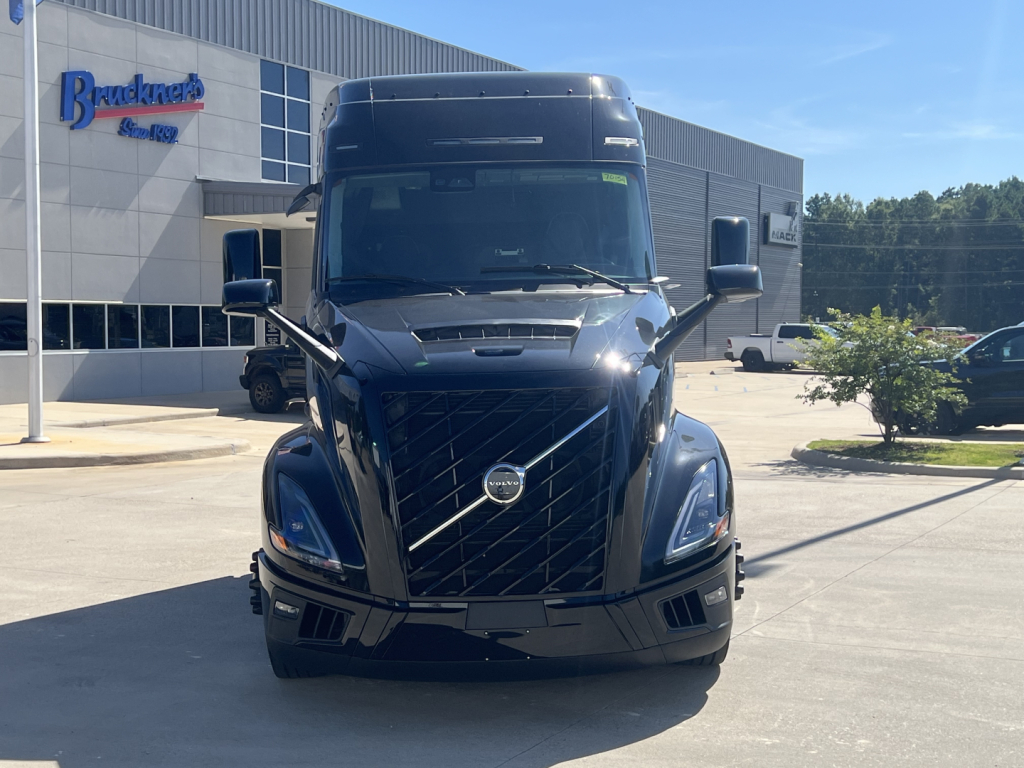

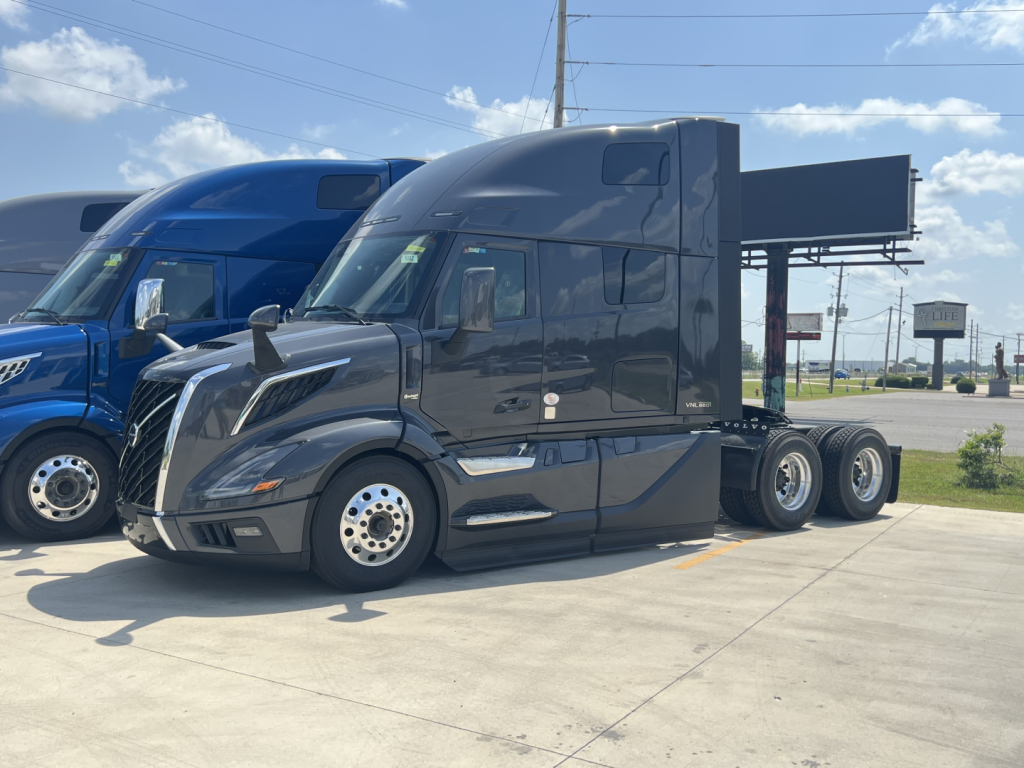
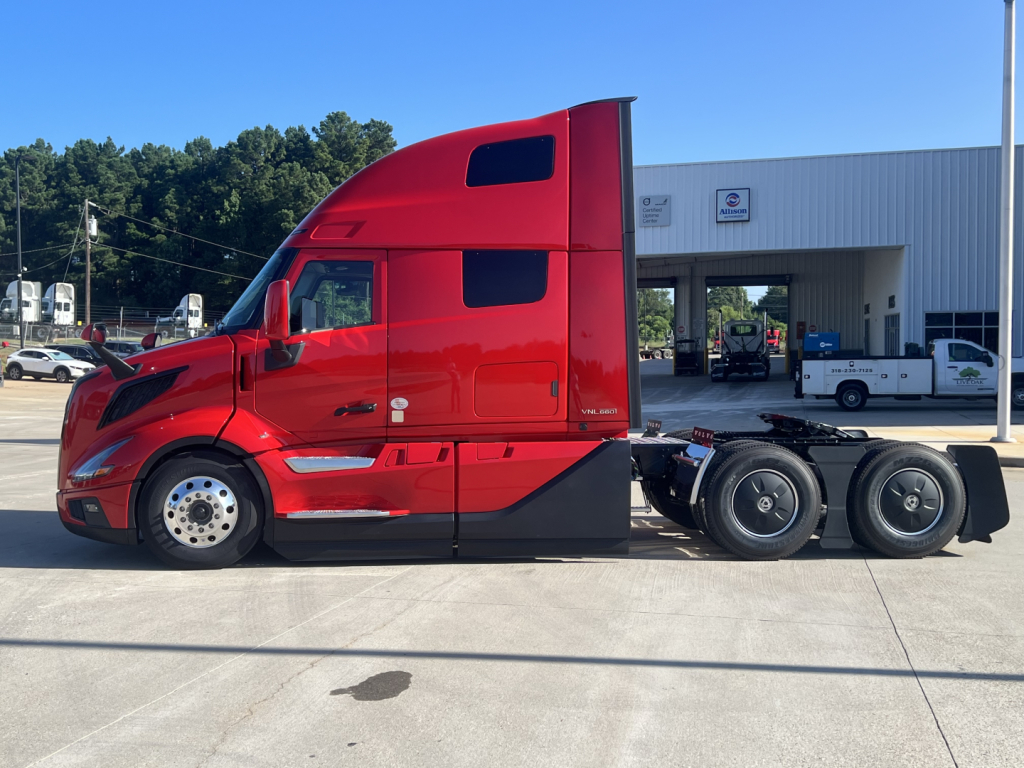
Selling a 2026 conventional sleeper truck? List your 2026 conventional sleeper truck for sale and reach thousands of commercial buyers.
2026 Conventional Sleeper Trucks in Louisiana
Powertrain spec is where operating cost is won or lost. Most conventional sleeper trucks in this segment are ordered with proven heavy-duty diesel platforms such as a Cummins X15, Detroit DD15, Volvo D13, or Mack MP8, commonly paired with automated manual transmissions like the Eaton Endurant, Detroit DT12, Volvo I-Shift, or Mack mDRIVE. Horsepower typically lands in the 400 to 505 HP range, with torque selected around freight type, gross combination weight, and terrain. A 6x4 tandem axle setup remains the standard for general dry van, reefer, and flatbed work, while axle ratios like 2.64, 2.85, or 3.08 are chosen to balance cruise RPM, gradeability, and fuel economy. Buyers should also match wheelbase, fifth wheel position, and fuel capacity to trailer mix and lane length, especially if the truck will see a combination of port freight, interstate linehaul, and tight customer yards.
Aerodynamics and safety technology are major differentiators in newer conventional sleepers. Late-model highway tractors from Kenworth, Freightliner, Volvo, Mack, and other major OEMs typically feature improved hood and roof fairing integration, chassis fairings, predictive cruise strategies, and powertrain software calibrated for fuel efficiency. On the safety side, many 2026-spec trucks include collision mitigation, adaptive cruise control, lane departure warning, electronic stability control, and integrated camera systems. Interior layout also deserves close attention. Bunk width, cabinet configuration, refrigerator prep, inverter capacity, upper bunk delete options, and dash ergonomics all affect driver retention and trip efficiency in ways that show up over the life of the truck.
For Louisiana buyers, application fit should drive the final spec. Trucks running I-10, I-20, Gulf Coast humidity, refinery corridors, and mixed regional freight often benefit from corrosion-conscious maintenance planning, strong cooling performance, and practical fuel range. If the truck is intended for high-mileage fleet service, prioritize service network coverage, emissions warranty terms, and commonality with the rest of the fleet. If it is a single-truck or small-fleet purchase, look closely at sleeper livability, maintenance access, and the engine-transmission combination your shop already knows well. A well-matched conventional sleeper truck can lower cost per mile, improve driver satisfaction, and stay productive across long-haul and regional duty cycles.
Frequently Asked Questions about 2026 Conventional Sleeper Trucks in Louisiana
What is a conventional sleeper truck?
A conventional sleeper truck is a highway tractor with a hood-forward engine design and an integrated rear sleeping compartment behind the cab. It is the standard choice for over-the-road freight because it combines long-haul comfort, strong fuel range, and the ability to pull common trailer types such as dry vans, reefers, and flatbeds. Compared with day cabs, sleeper models give the driver a dedicated rest area and typically include more storage, larger fuel capacity options, and a spec tailored for longer trip cycles.
What engine and transmission combinations are common in 2026 conventional sleeper trucks?
Common 2026 specifications include heavy-duty diesel engines such as the Cummins X15, Detroit DD15, Volvo D13, and Mack MP8, usually paired with automated manual transmissions. Popular transmissions include the Eaton Endurant, Detroit DT12, Volvo I-Shift, and Mack mDRIVE. Most buyers in this category look for horsepower in roughly the 400 to 505 range, but the right setup depends on gross weight, terrain, cruise speed, and fuel economy targets.
How do I choose the right sleeper size?
Sleeper size should match route length, driver schedule, and retention goals. A mid-roof sleeper is often enough for regional or shorter over-the-road work where aerodynamics and lower weight matter. A raised-roof or condo sleeper makes more sense for long-haul lanes, team operations, or applications where drivers spend multiple nights in the truck. Storage layout, bunk width, stand-up room, and engine-off climate control can matter as much as the published sleeper measurement.
What specs matter most for Louisiana operation?
In Louisiana, buyers should pay close attention to cooling performance, bunk HVAC or parking cooler options, insulation, and corrosion-related maintenance planning due to heat, humidity, and coastal conditions. Fuel range and axle ratio also matter if the truck will split time between regional freight, interstate runs, and port or industrial work. A truck that is easy to service and has good dealer support across the Gulf South can reduce downtime significantly.
Are automated transmissions standard in modern conventional sleepers?
Automated manual transmissions are now very common in modern conventional sleeper trucks because they improve shift consistency, help fuel economy, and reduce driver fatigue. They also simplify training and can support safety and predictive cruise features better than older manual setups. Some buyers still prefer manual transmissions for specific vocational or driver-preference reasons, but in the 2026 highway sleeper market, automated transmissions are the dominant spec.