
2011 Conventional Sleeper Trucks For Sale
Shop 2011 conventional sleeper trucks with specs on engines, sleepers, wheelbase, emissions, and drivetrain setups for long-haul use.
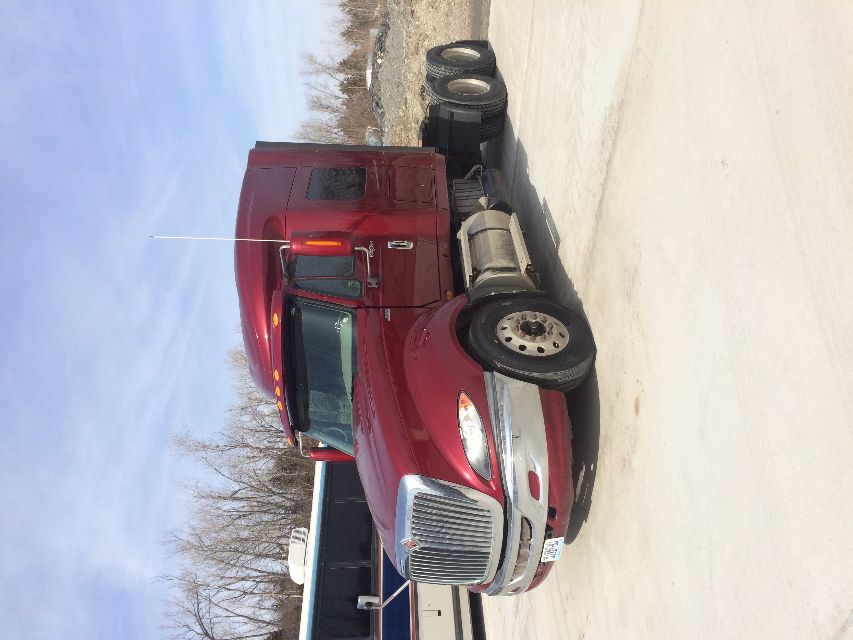
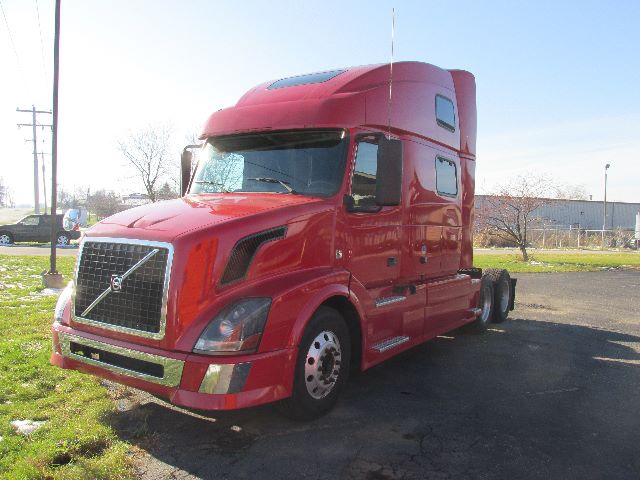

Selling a 2011 conventional sleeper truck? List your 2011 conventional sleeper truck for sale and reach thousands of commercial buyers.
2011 Conventional Sleeper Trucks
Common engine choices in 2011 conventional sleepers include Cummins ISX, Detroit DD13 and DD15, Paccar MX, Volvo D13, and Mack MP8, depending on make and chassis. Horsepower ratings often fall in the 400 to 500 HP range, with torque commonly between 1450 and 1850 lb-ft for highway applications. Manual 10-speed and 13-speed transmissions are still common in this year range, although automated manuals began gaining traction as fleets pushed for fuel economy and driver-friendly operation. Rear axle ratios, wheelbase, and fifth wheel position all matter because they determine how the truck will perform with van, reefer, flatbed, or heavier vocational-style trailer work. A buyer should also look closely at suspension type, front axle rating, and fuel capacity, especially if the truck will stay on irregular routes or run longer fuel intervals.
Sleeper size is another major decision point. In 2011 conventional sleepers, mid-roof and raised-roof cabs are both common, with sleeper lengths often ranging from around 48 inches to 72 inches or more. Larger sleepers improve driver retention and long-haul comfort, but they also add weight and affect wheelbase. Interior spec can vary widely, from a basic bunk and storage layout to premium trim with workstation space, refrigerator prep, inverter packages, and auxiliary climate features. For a used 2011 unit, the real value is not just in appearance but in the condition of the bunk HVAC, seals, mattresses, cabinets, and electrical accessories that support team or overnight operation.
A serious buyer should treat a 2011 conventional sleeper as a spec-driven purchase, not just a price comparison. Check DPF, SCR, and DEF components for repair history, confirm ECM hours against mileage, and review records for injector work, turbo replacement, clutch or AMT service, and aftertreatment cleaning. Tire wear, alignment, frame condition, and suspension bushing wear can tell a lot about how the truck was operated. If the truck is intended for California or other strict emissions jurisdictions, verify current compliance status before purchase. A well-maintained 2011 conventional sleeper can still be a productive tractor for over-the-road freight, power-only work, and regional lanes, provided the drivetrain and emissions system match the application.
Frequently Asked Questions about 2011 Conventional Sleeper Trucks
What is the main thing to check on a 2011 conventional sleeper truck?
The first priority on a 2011 conventional sleeper truck is the emissions system and its service history. This model year commonly uses EPA 2010-era SCR and DEF equipment along with a DPF, so buyers should confirm fault code history, regeneration performance, DPF cleaning intervals, DEF system repairs, and any documented aftertreatment replacement. A truck with strong maintenance records in these areas is usually a better bet than one that only looks clean cosmetically.
Are 2011 conventional sleeper trucks good for long-haul freight?
Yes, many 2011 conventional sleeper trucks are still well suited for long-haul freight if the drivetrain, sleeper size, and maintenance history line up with the job. This year range commonly offers highway-friendly horsepower, tandem axle configurations, larger fuel capacity, and full sleeper amenities that support overnight and multi-day runs. The key is matching the truck's axle ratio, transmission, and sleeper layout to the freight lane and gross weight you expect to pull.
What engines are common in 2011 conventional sleeper trucks?
Common engines in 2011 conventional sleeper trucks include the Cummins ISX, Detroit DD13, Detroit DD15, Volvo D13, Mack MP8, and Paccar MX depending on the manufacturer. Most are found in the 400 to 500 horsepower range with torque ratings designed for highway pulling and fuel economy. Buyers often compare these engines based on known service patterns, dealer support, fuel mileage, and the cost of emissions-related repairs.
Should I choose a manual or automated transmission in a 2011 sleeper truck?
That depends on your drivers, route profile, and maintenance preference. A manual transmission in a 2011 sleeper truck may appeal to owner-operators who want direct control and familiar service procedures, while an automated manual can improve consistency, reduce driver fatigue, and help with fuel economy on highway lanes. The better choice is usually the one with documented maintenance and a drivetrain spec that matches the trailer and terrain.
What sleeper size is best in a 2011 conventional sleeper?
The best sleeper size depends on how the truck will be used. A shorter sleeper can save weight and improve maneuverability for regional or occasional overnight runs, while a 60-inch to 72-inch raised-roof sleeper is generally a better fit for long-haul operation, team driving, or routes that keep the driver in the truck for extended periods. Buyers should balance comfort, storage, wheelbase, and payload impact before deciding.