
Conventional Sleeper Trucks For Sale in Pennsylvania
Shop conventional sleeper trucks in Pennsylvania. See engines, sleepers, ratios and wheelbases tuned for PA grades, winter traction and fuel economy.
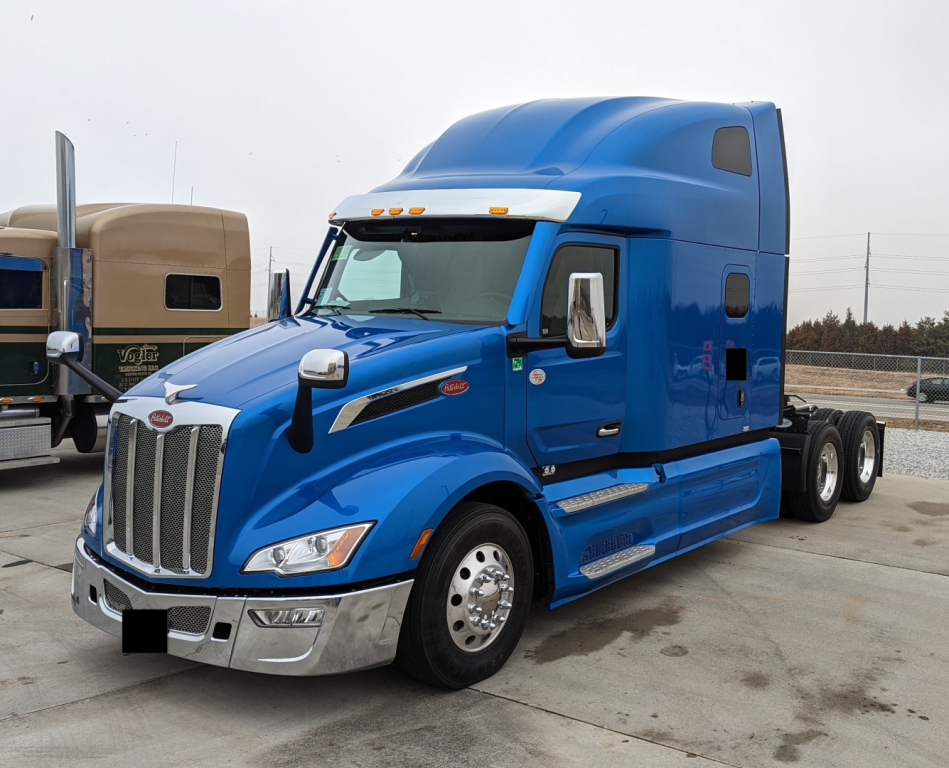
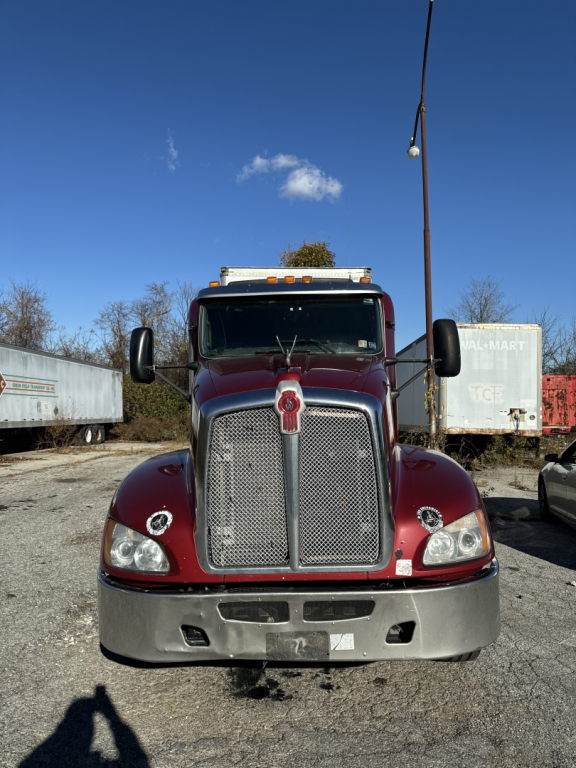
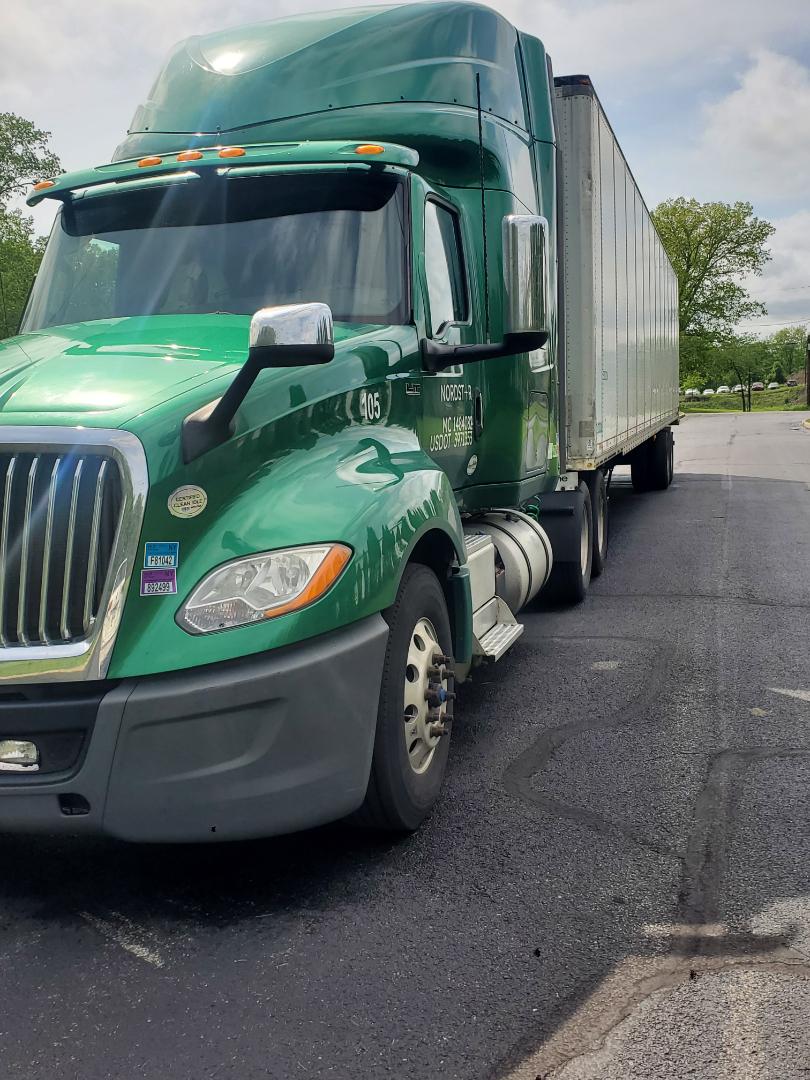
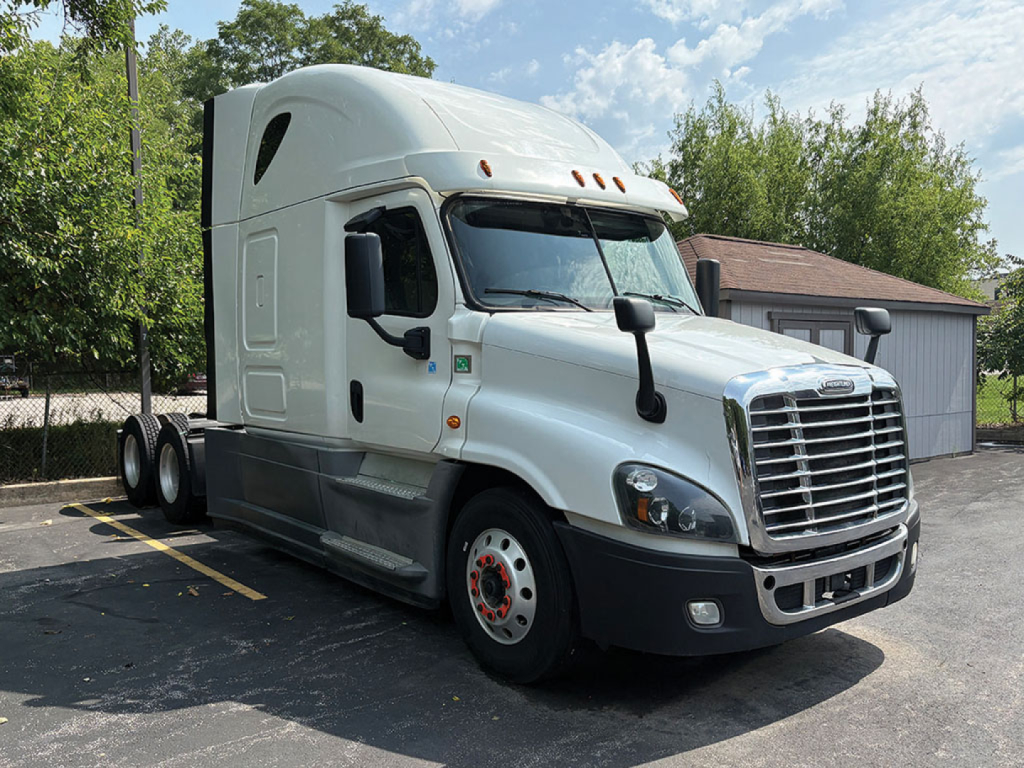
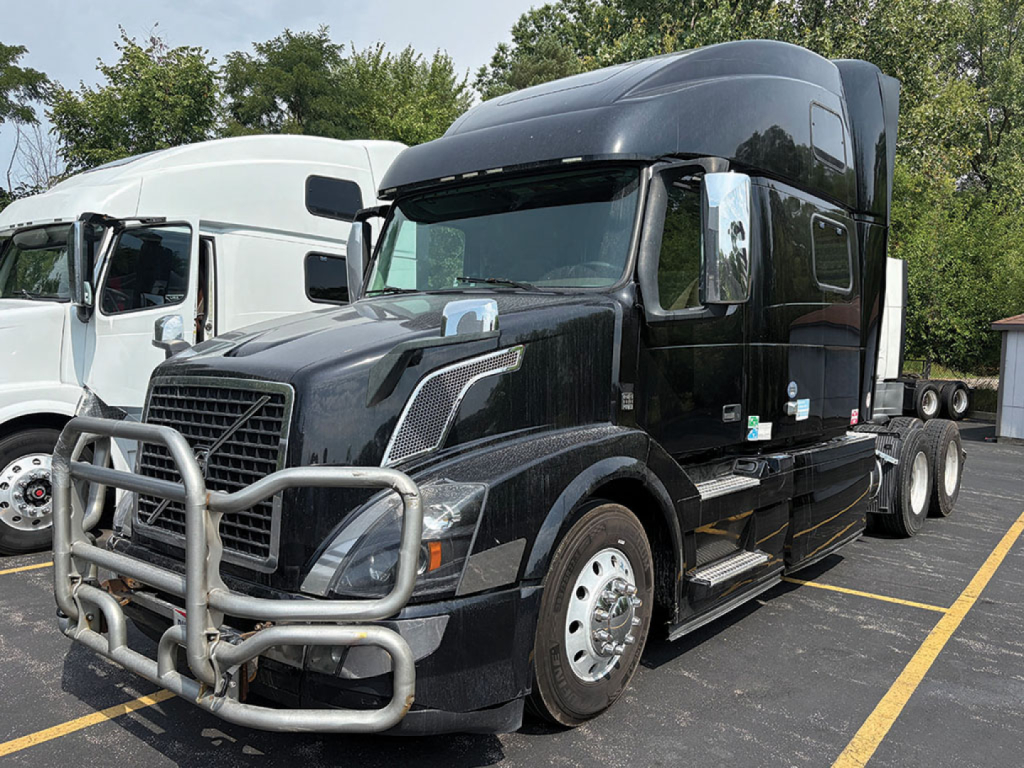
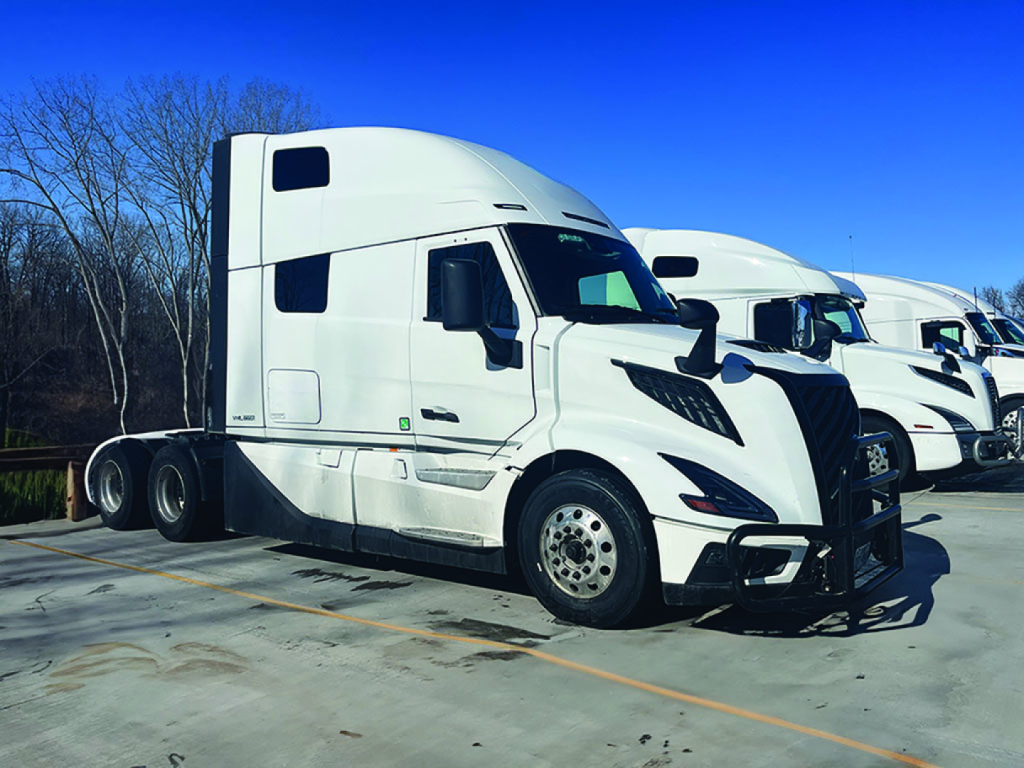
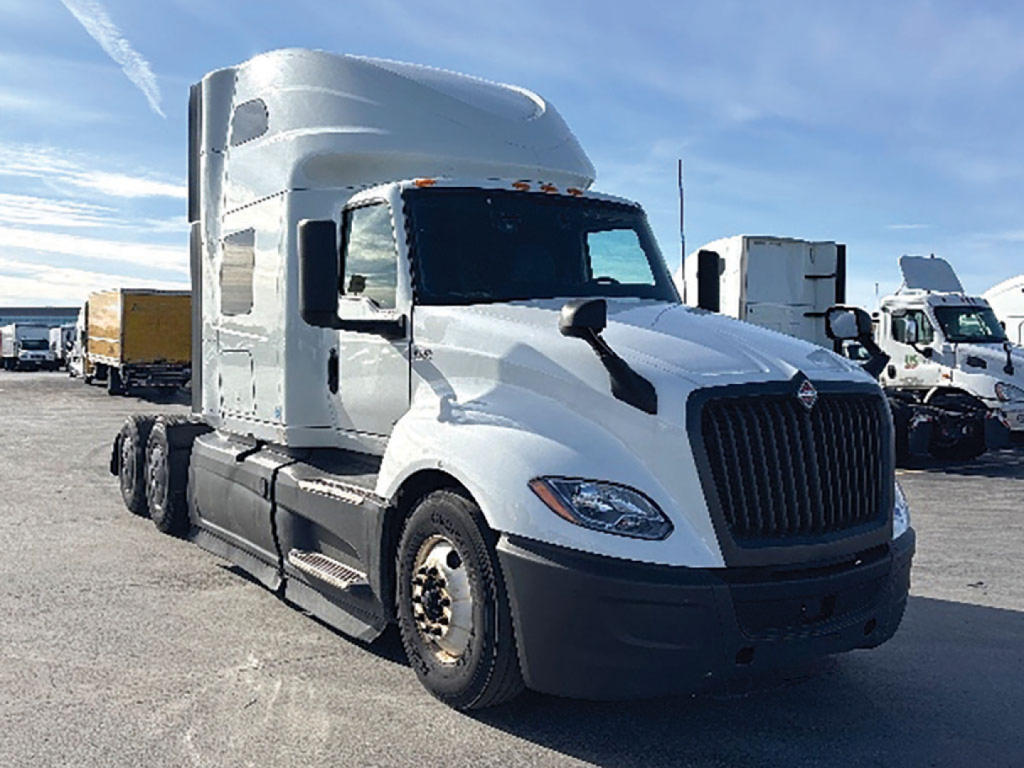
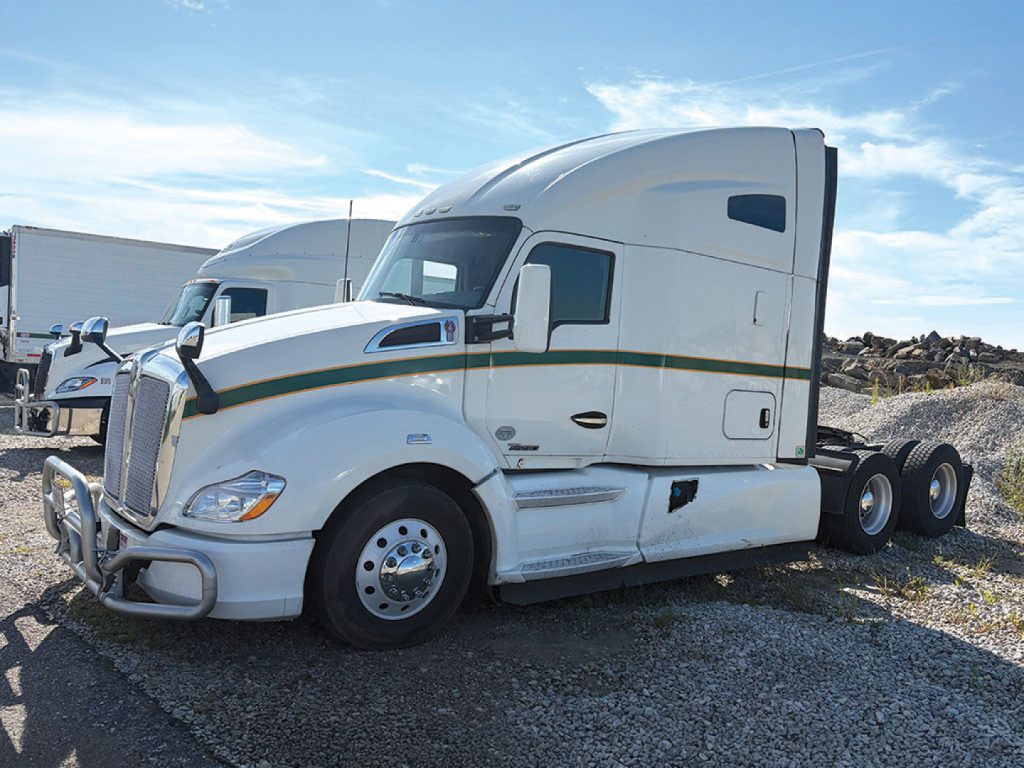
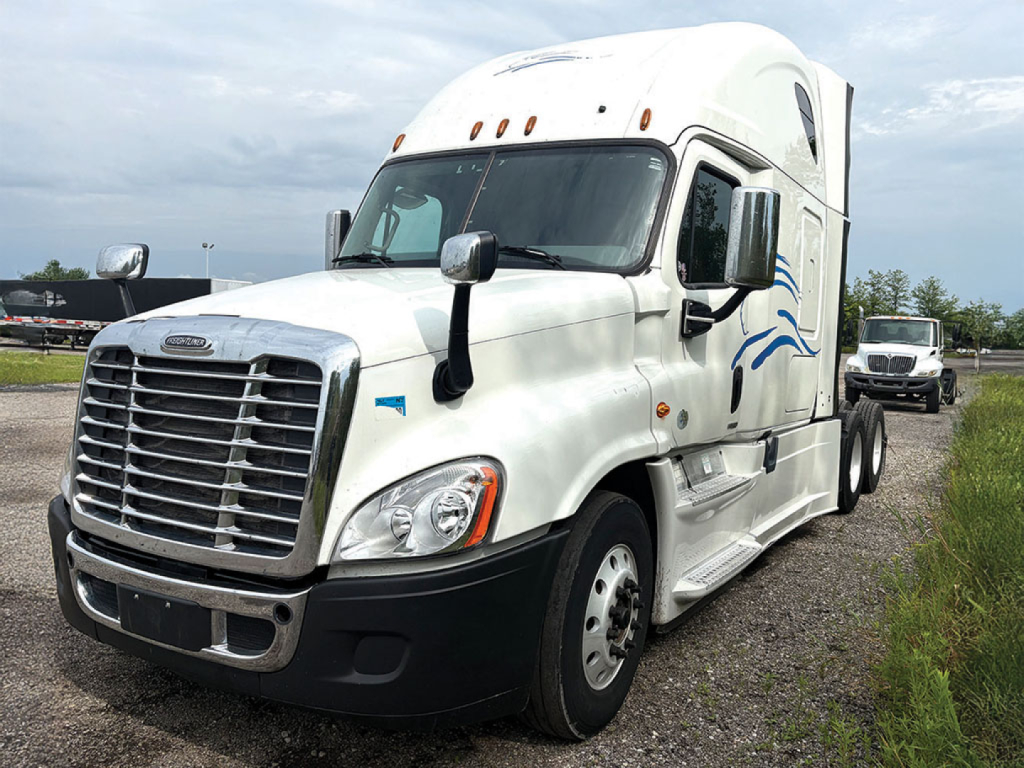
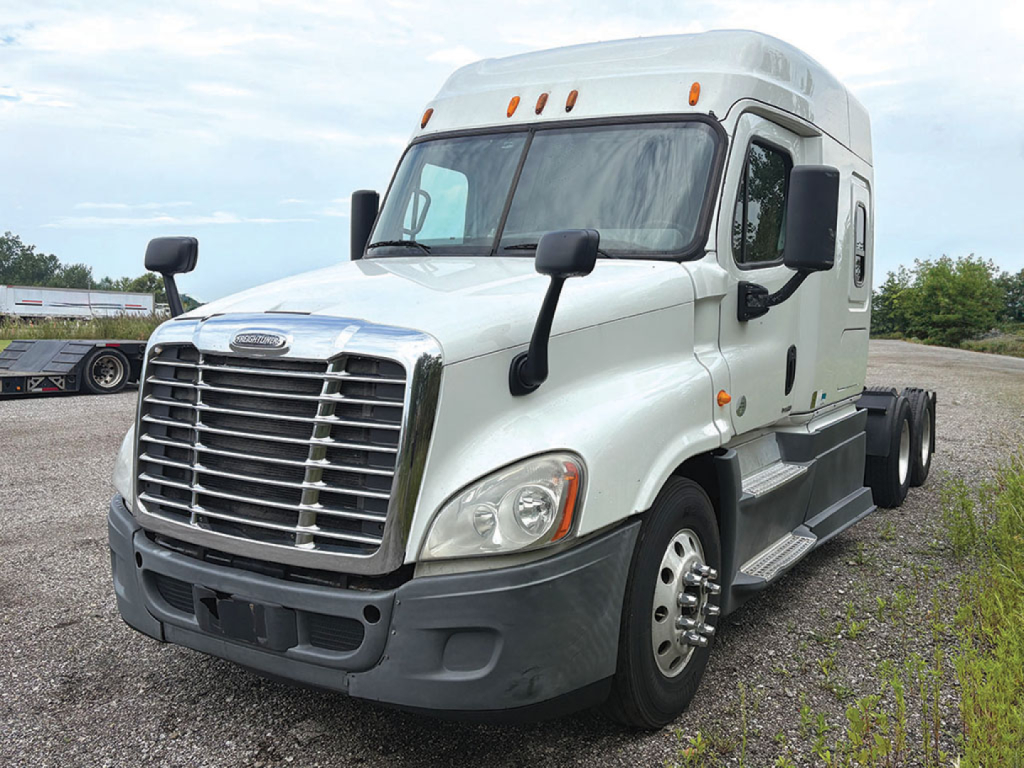
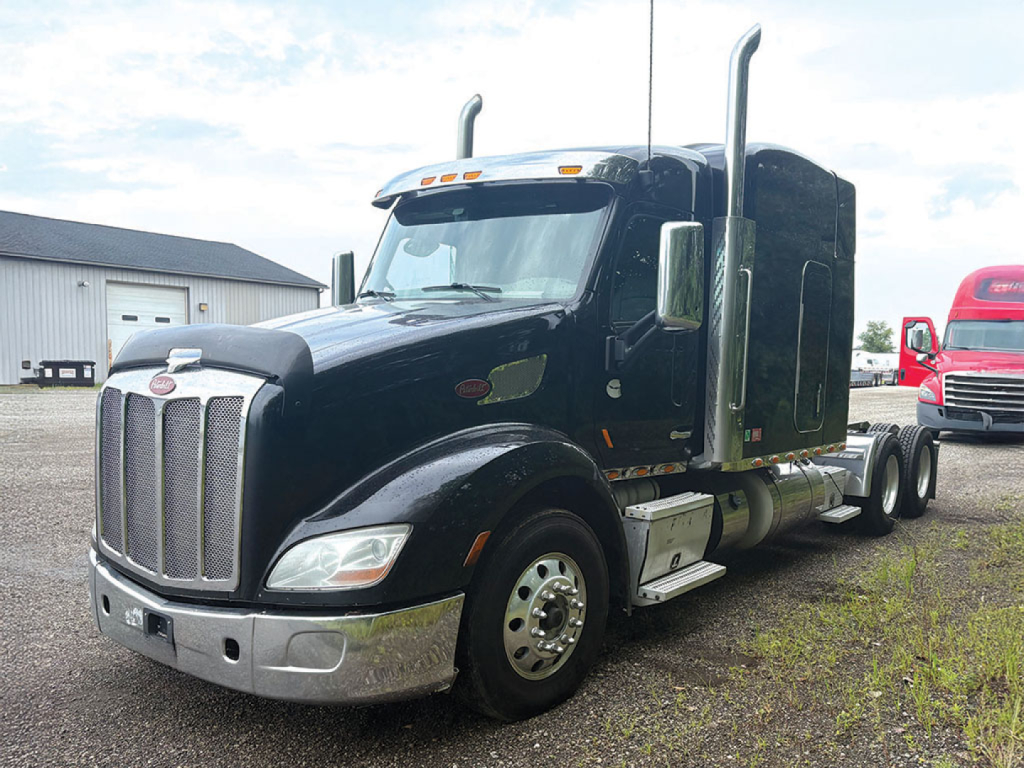
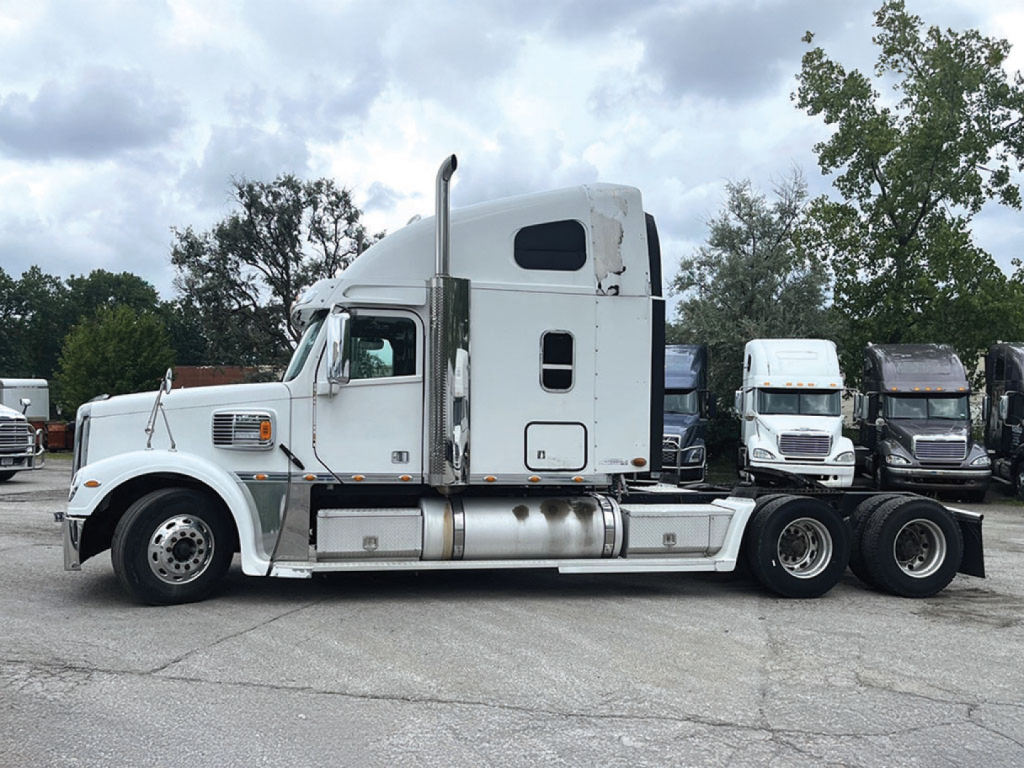
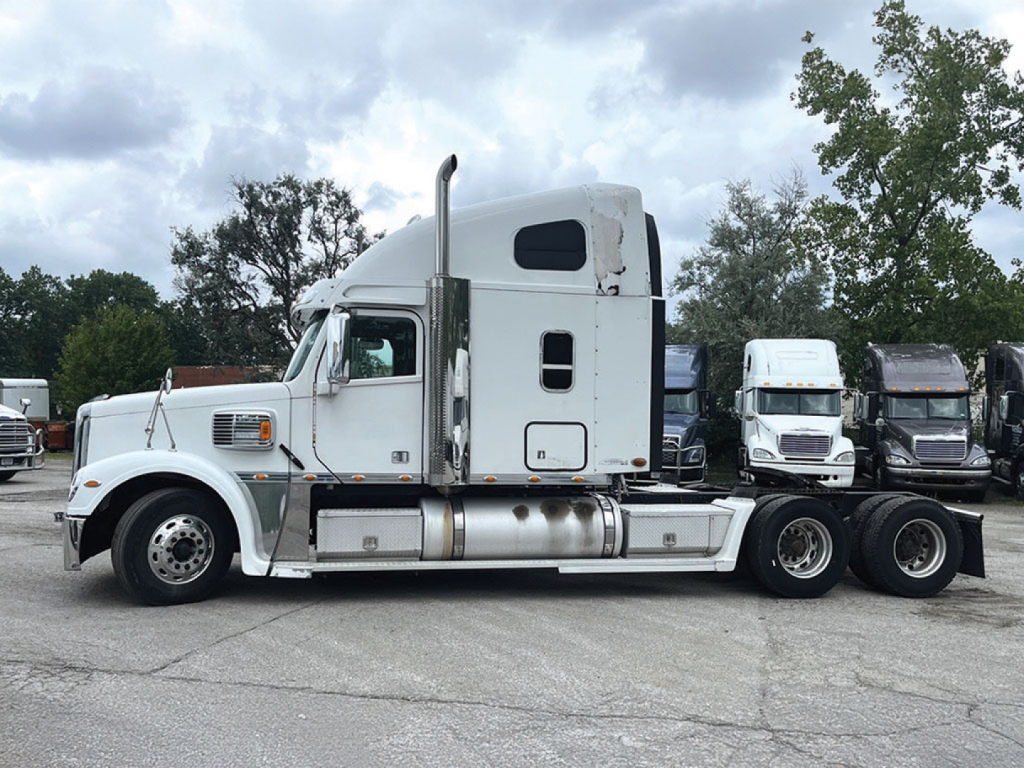
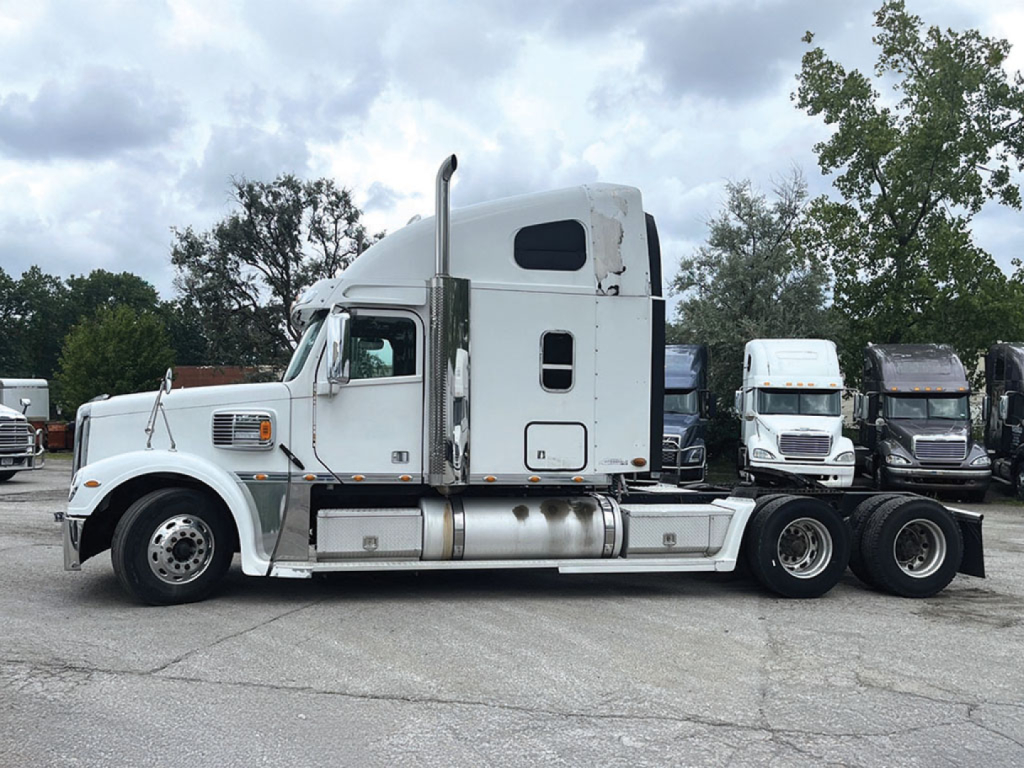
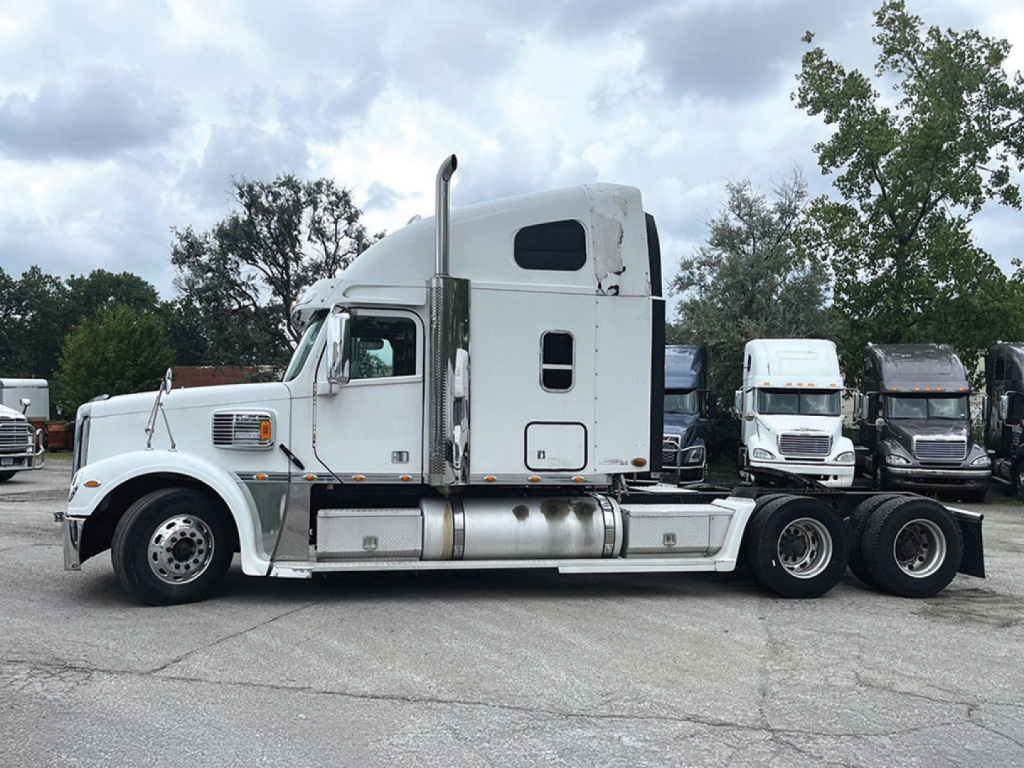
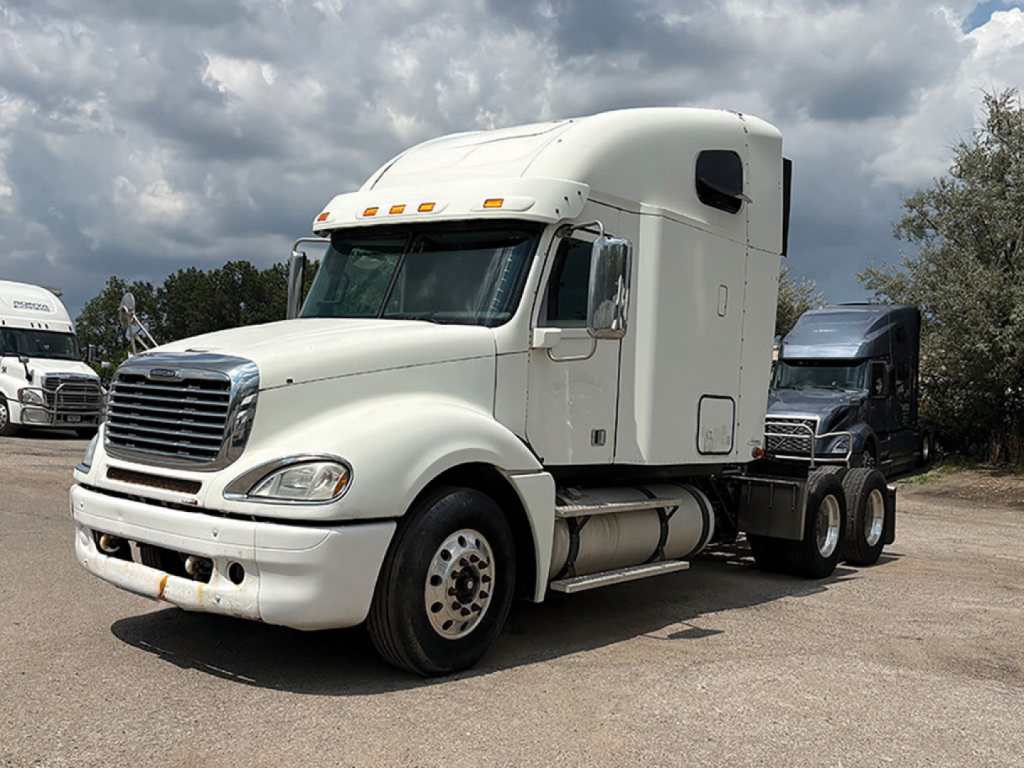
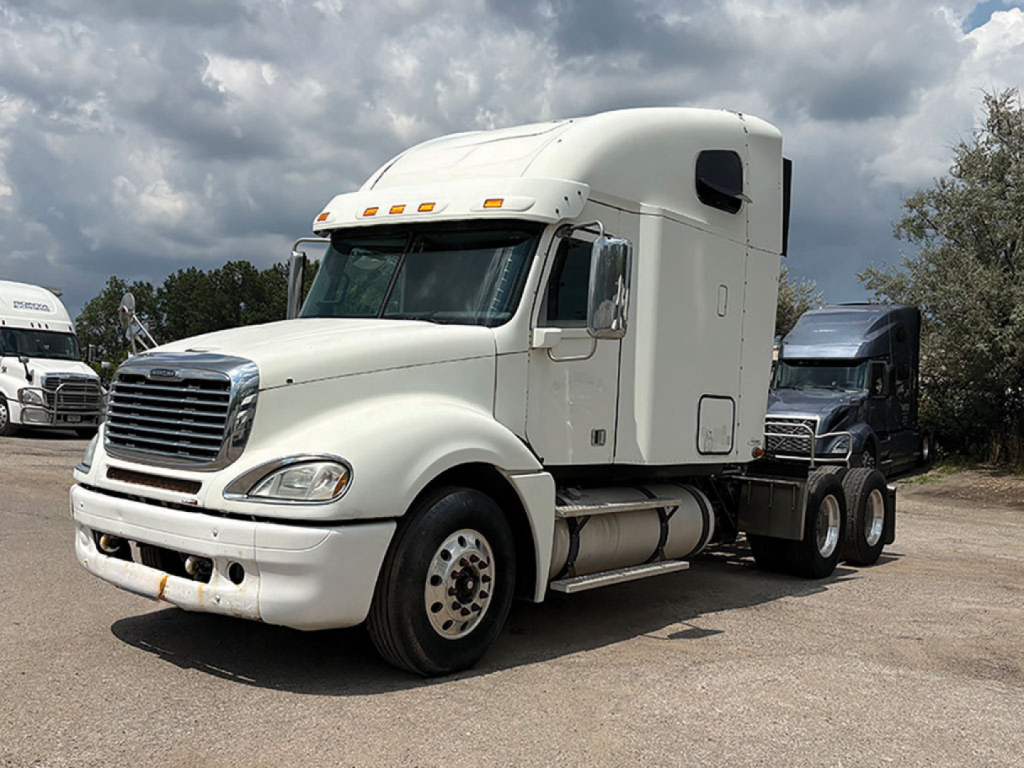
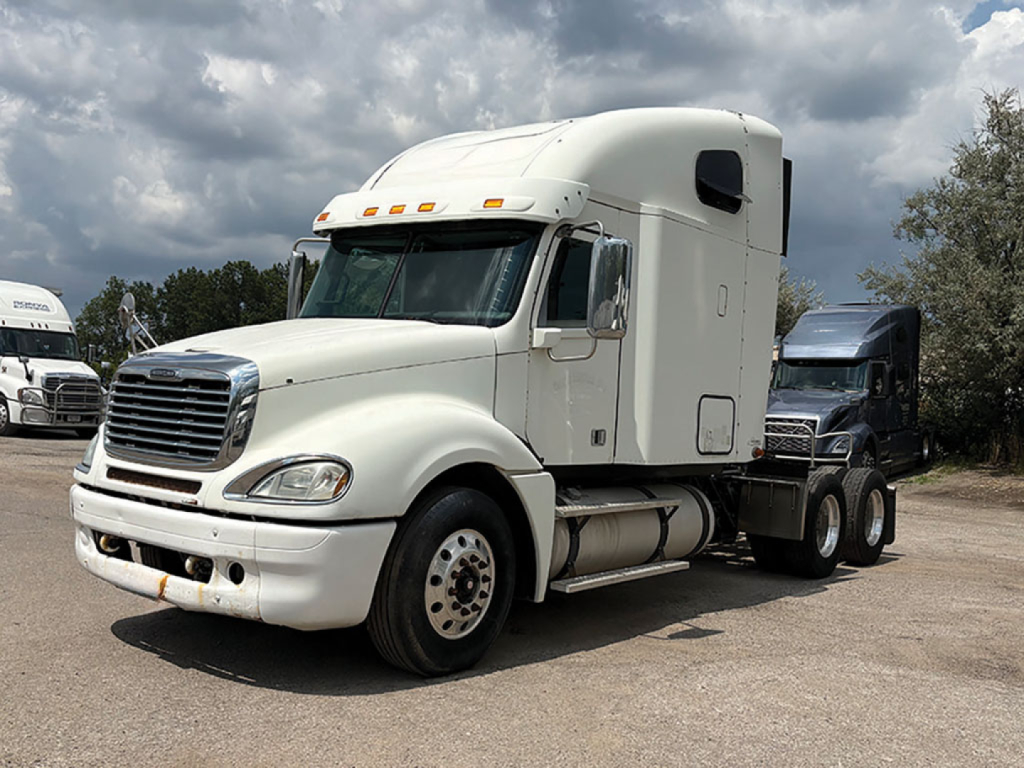
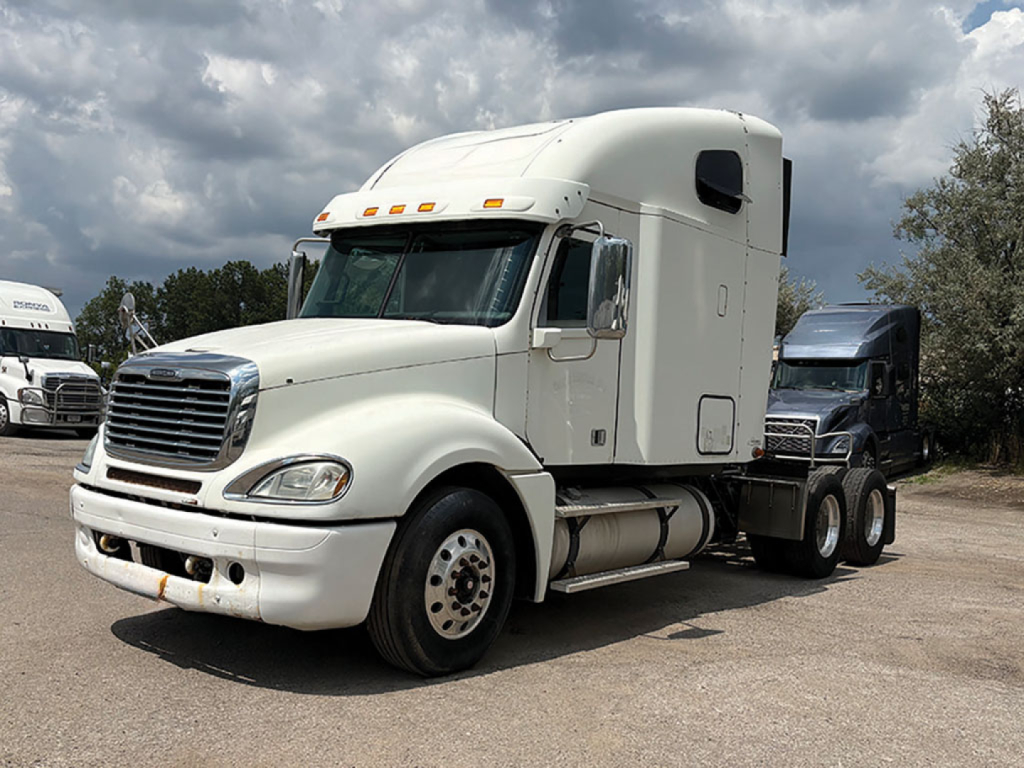
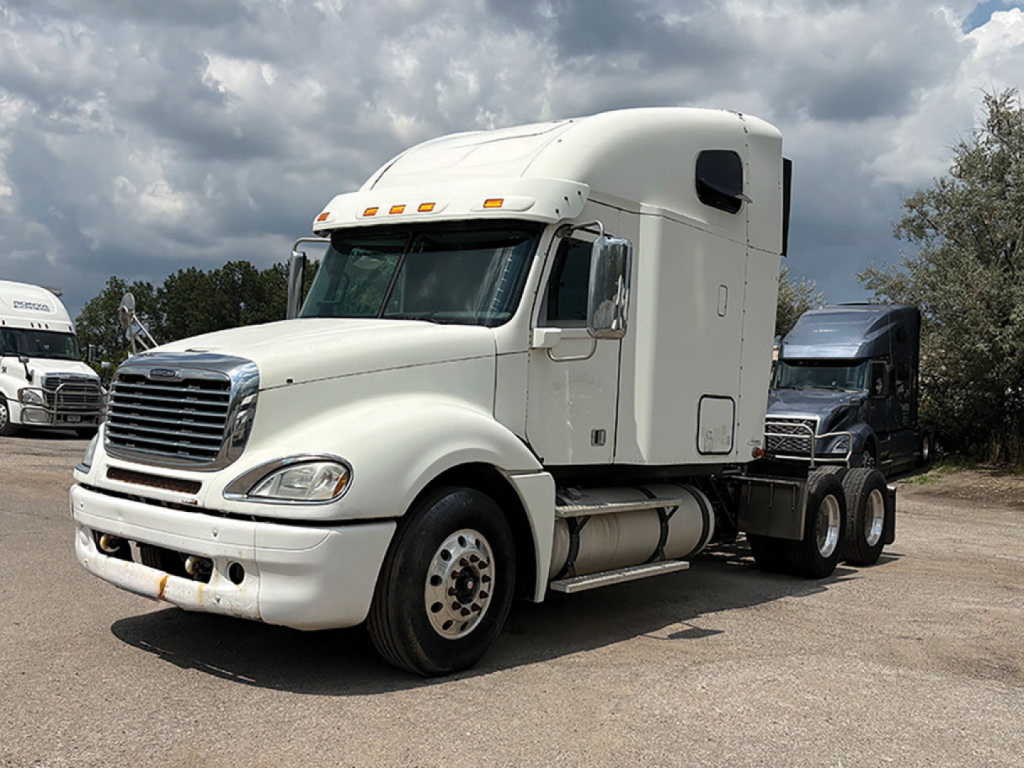
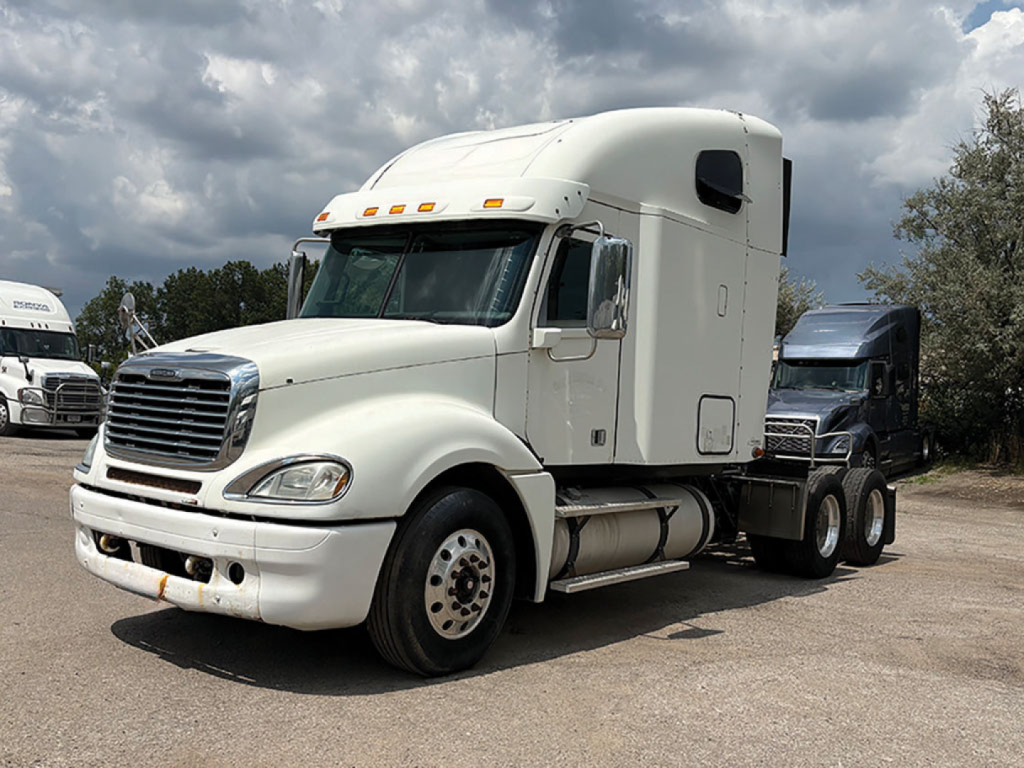
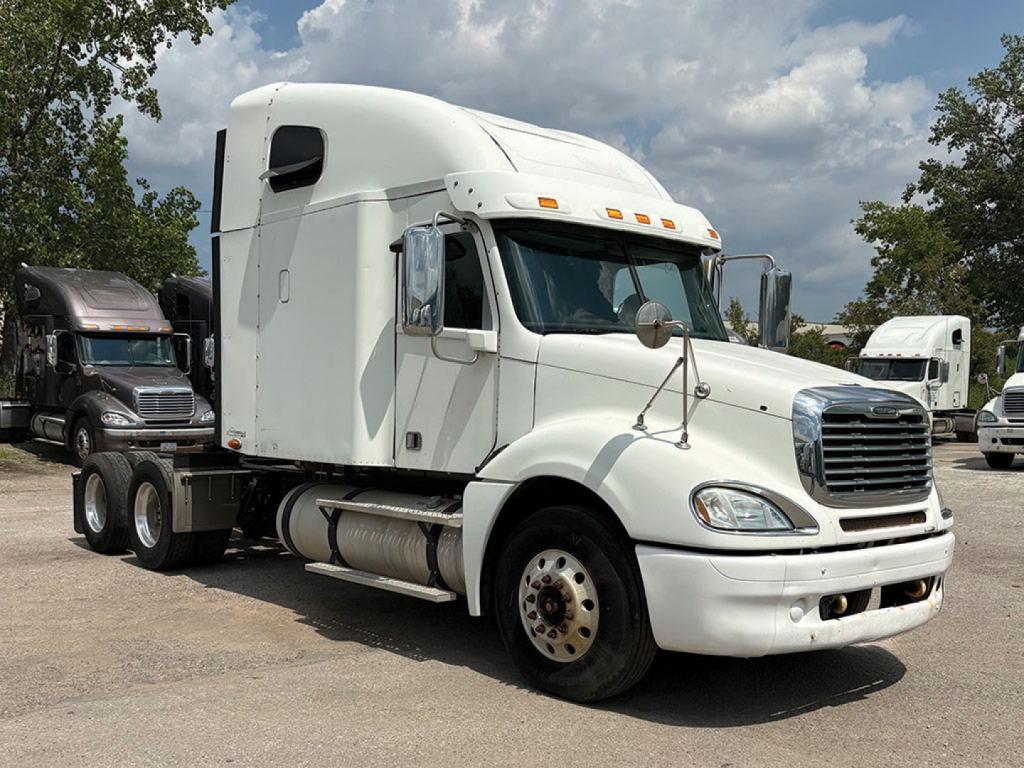
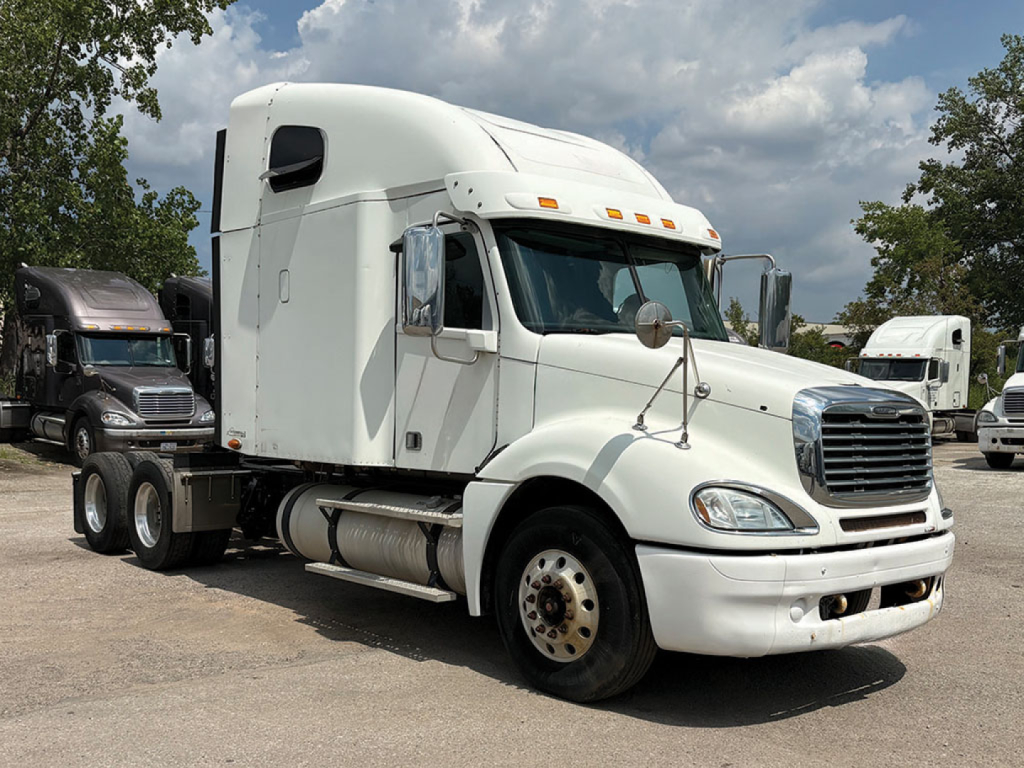
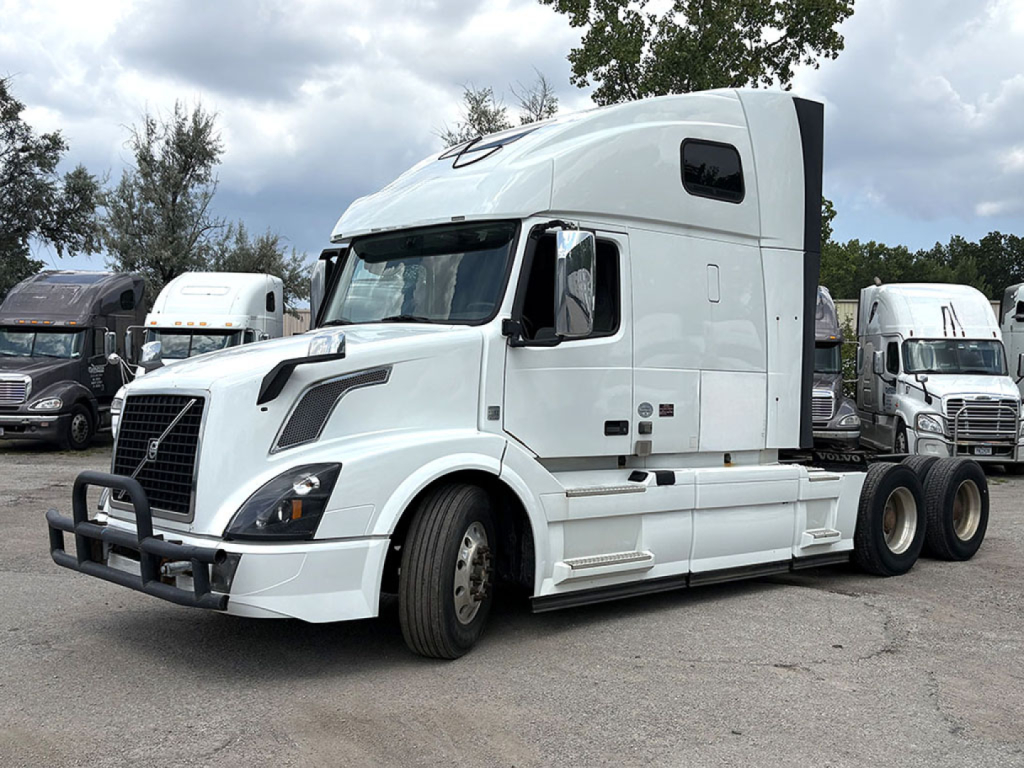
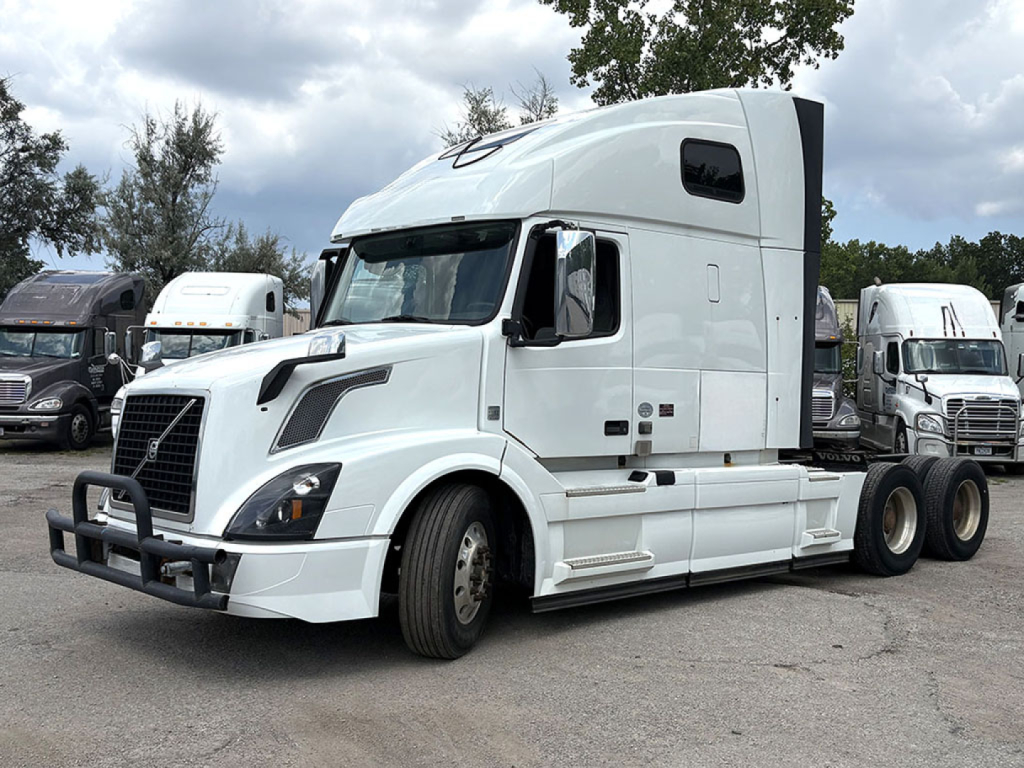
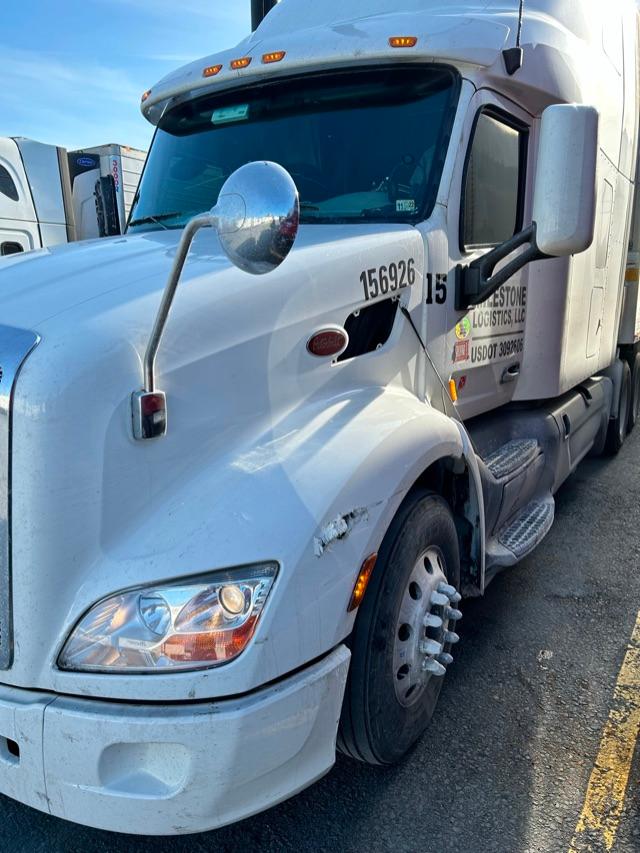
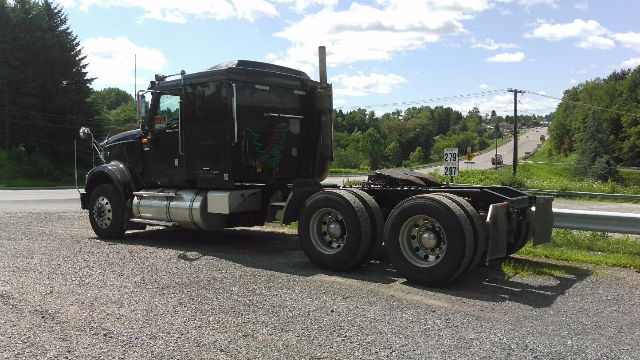

Showing 1 to 28 of 53 results
Selling a conventional sleeper truck? List your conventional sleeper truck for sale and reach thousands of commercial buyers.
Conventional Sleeper Trucks in Pennsylvania
Sleeper selection is about comfort, aerodynamics, and route profile. Mid-roof 60 to 72 inch sleepers clear tanker and flatbed headracks while keeping height in check for quarry and mill access. High-roof 72 to 76 inch sleepers improve driver comfort on true OTR lanes and usually deliver better aero around the cab-to-trailer gap at highway speeds. Double bunks support team operations. Look for factory inverters, shore power, premium insulation, bunk heaters, and either a diesel APU or battery HVAC to manage cab climate where idle restrictions or cold winters make engine idling inefficient.
Chassis and running gear matter in the Northeast. A 6x4 tandem with interaxle lock and driver-controlled differential locks gives traction on snow and wet grades. Disc brakes shorten stopping distances and resist fade in hilly terrain while handling road salt better than drums. Wheelbases in the 220 to 244 inch range balance ride with maneuverability for tight distribution centers common in older Pennsylvania industrial corridors. Typical capacities are 12k to 13.2k steer axles and 40k to 46k tandems. Consider fifth wheel slider travel to fine tune axle loads, aluminum wheels to shed weight, and 22.5 low-profile tires with open-shoulder drives if winter traction is a priority. Split tanks in the 100 to 150 gallon per side range allow flexibility in fuel purchasing without pushing steer weights.
Cost of ownership hinges on aftertreatment health, electrical integrity, and corrosion protection. Inspect DPF and DOC service history, check for clean regens, verify DEF quality sensors, and review any EGR cooler or turbo work. An air dryer with fresh desiccant, heated fuel filters, block heaters, and sealed wiring harnesses pay off in Pennsylvania winters. Telematics, collision mitigation, adaptive cruise, and lane departure add safety and can reduce insurance costs. When comparing units, weigh miles, engine hours, oil sample trends, clutch and brake wear, alignment records, and tire condition against planned routes, expected GCW, and the sleeper comfort your drivers need.
Frequently Asked Questions about Conventional Sleeper Trucks in Pennsylvania
What engine and axle ratio work best for Pennsylvania terrain?
For mixed interstate and hilly segments, a 1,650 to 1,850 lb-ft engine like a Cummins X15, Detroit DD15, PACCAR MX-13, or Volvo D13 paired with 3.08 to 3.36 rears and a direct-drive transmission offers strong gradeability and driveline efficiency. If your operation is lighter and spends more time at steady highway speeds, a downsped setup with an overdrive AMT and 2.64 to 2.85 rears can improve fuel economy. Heavier GCWs or frequent mountain pulls favor the higher numeric ratios.
Which sleeper size is right for regional versus OTR runs in PA?
Regional hauls with frequent low-clearance sites often fit well with 60 to 72 inch mid-roof sleepers that maintain overall height control and still provide storage and a comfortable bunk. Long-haul OTR work typically benefits from 72 to 76 inch high-roof sleepers that add stand-up room, better aerodynamics around the cab, and space for amenities like a fridge, workstation, and additional cabinets.
What wheelbase should I choose for tight Northeast docks and streets?
A wheelbase in the 220 to 244 inch range balances ride quality with maneuverability for older Pennsylvania industrial zones and urban docks. Shorter wheelbases improve turning and alley docking but can ride firmer and limit fuel capacity. Longer wheelbases ride smoother and increase stability at speed but require more room to maneuver and can complicate weight distribution if not matched with the right fifth wheel placement.
Are APUs or battery HVAC systems worth it for Pennsylvania operations?
Yes. Idle-reduction systems help manage cab comfort during rest periods without running the engine, which saves fuel and reduces wear. In cold months, a diesel-fired bunk heater keeps the sleeper warm efficiently, while a battery HVAC or diesel APU can cover cooling in warmer weather. These systems also help comply with idle restrictions in many Northeast municipalities and keep aftertreatment systems healthier by reducing extended low-load idling.
What should I check on emissions systems when buying a used conventional sleeper?
Review DPF and DOC service intervals, ash load or cleaning records, and any history of forced regens. Inspect DEF components, including pumps and quality sensors, and look for coolant or oil leaks that can contaminate aftertreatment. Verify there are no active fault codes, confirm the SCR catalyst is up to temperature during road tests, and check that software calibrations are current. Healthy aftertreatment reduces downtime and supports fuel efficiency.