
Conventional Sleeper Trucks For Sale in Missouri
Shop conventional sleeper trucks with popular specs like 72-inch bunks, 6x4 tandems, Detroit or PACCAR power, and manual or automated transmissions.
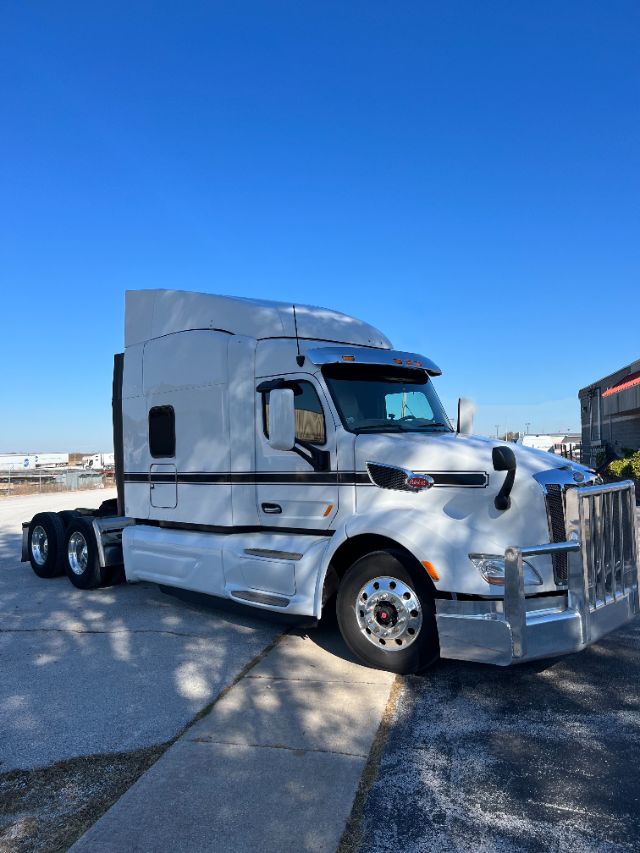
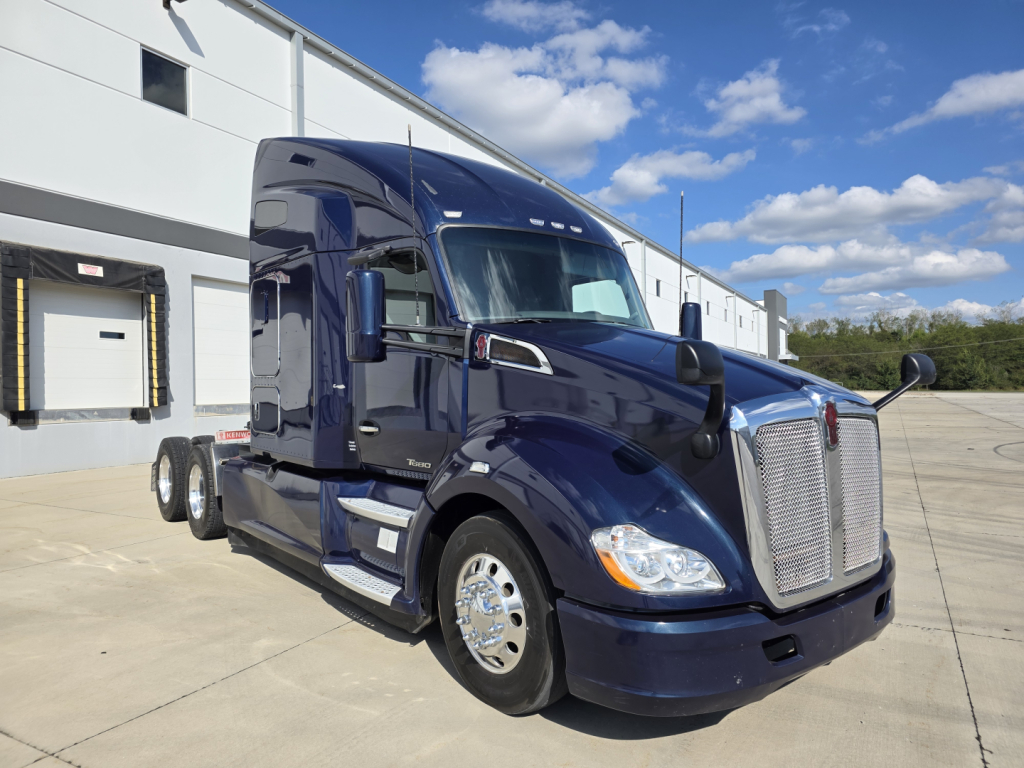
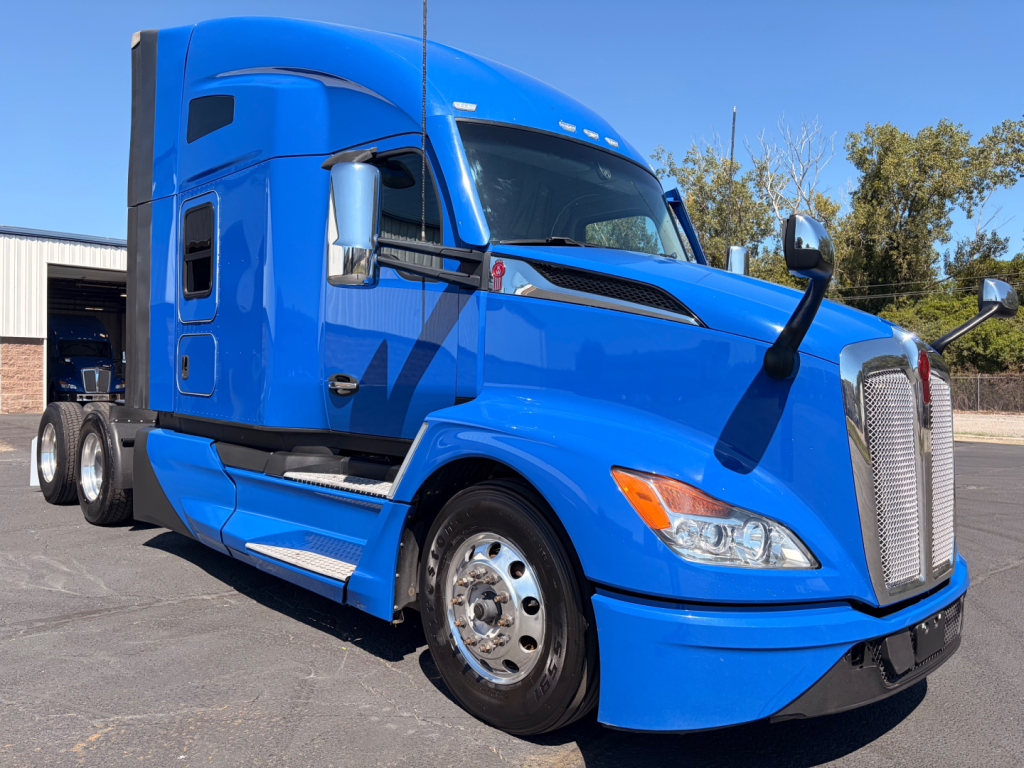
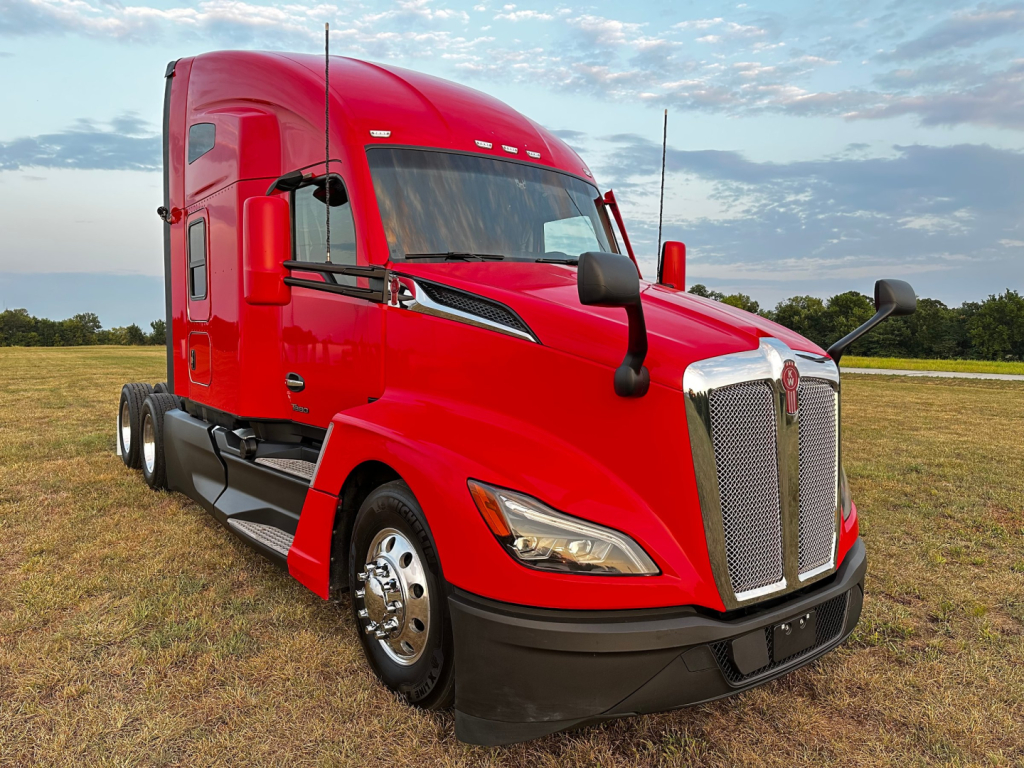
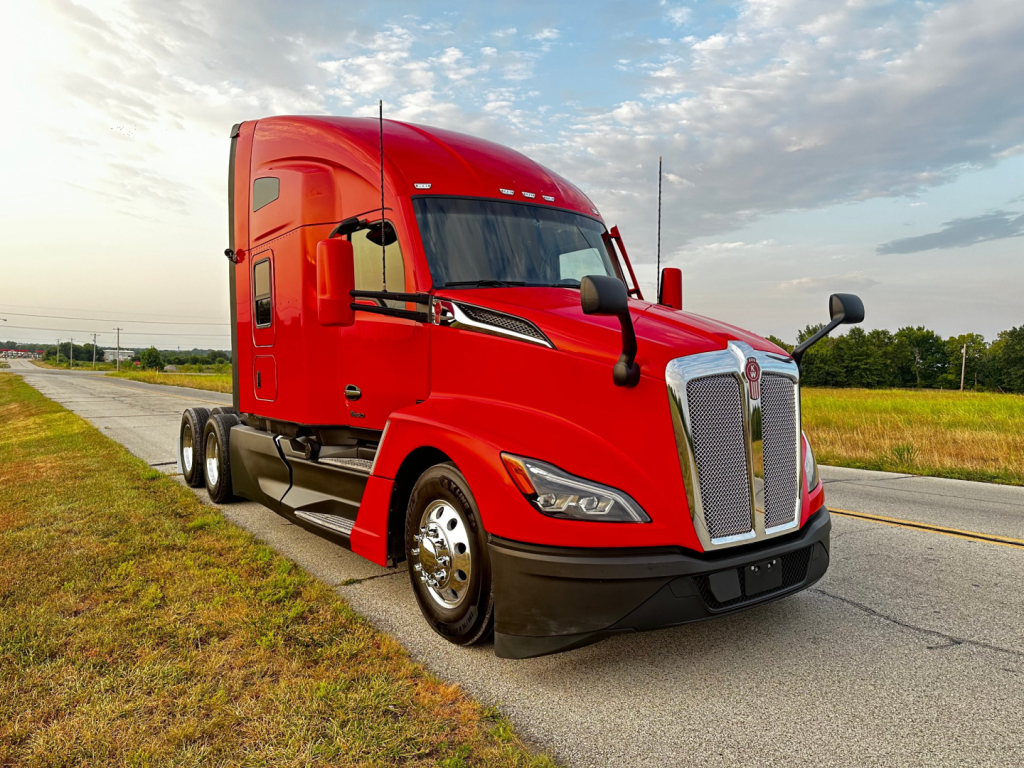
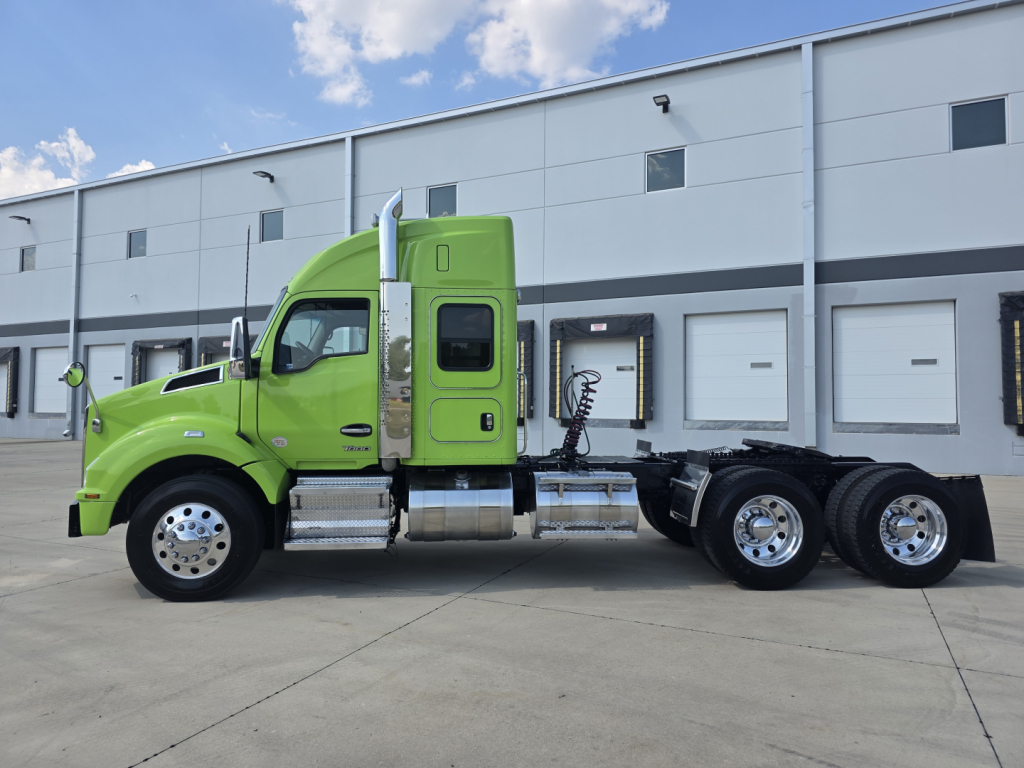
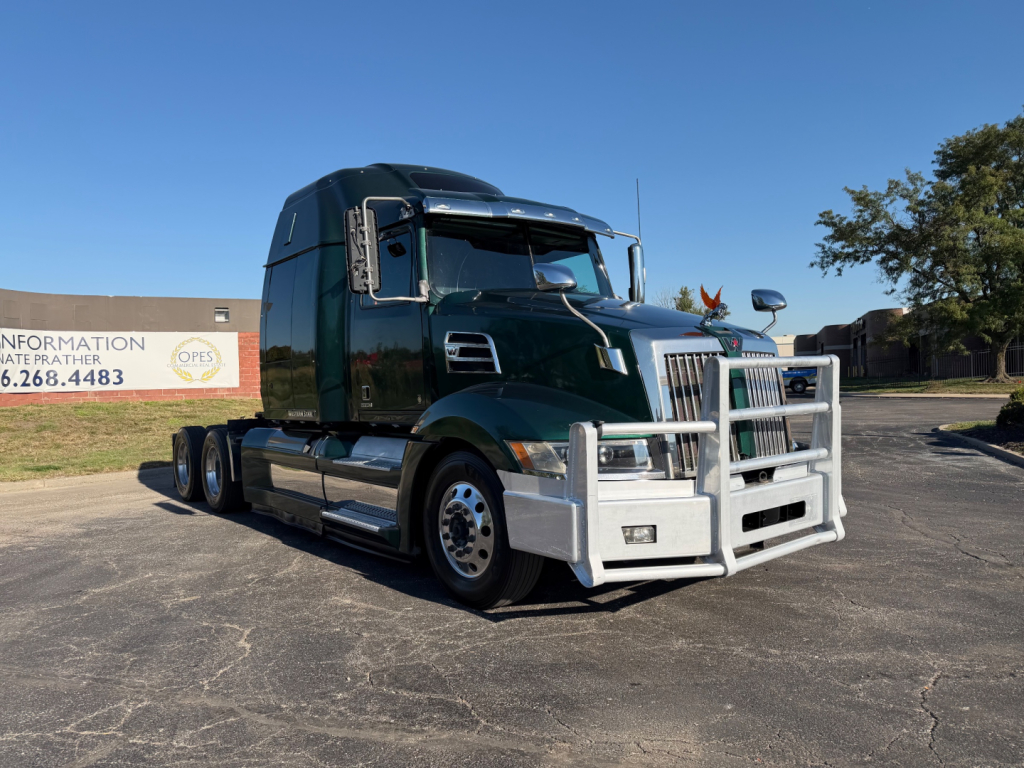
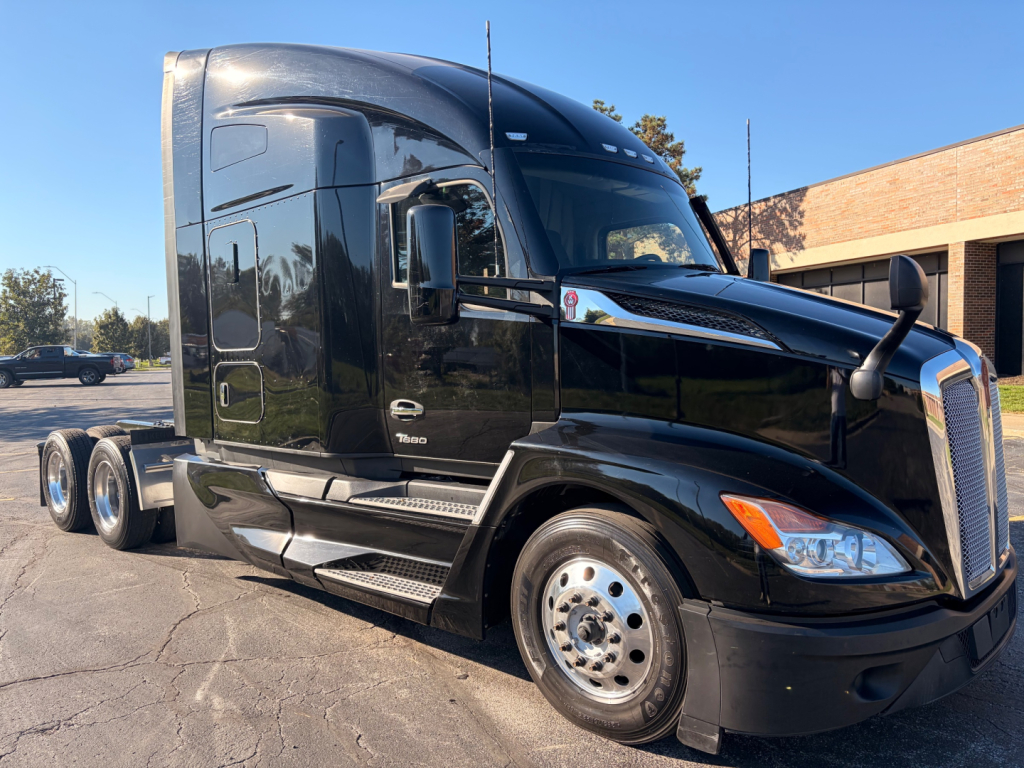
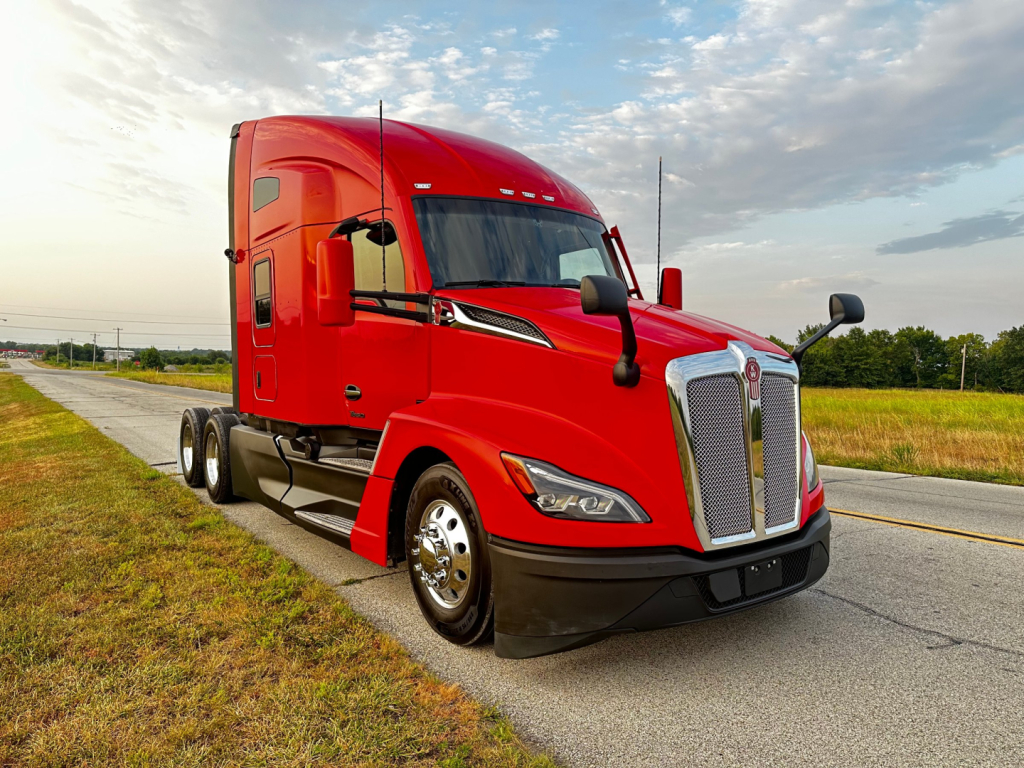
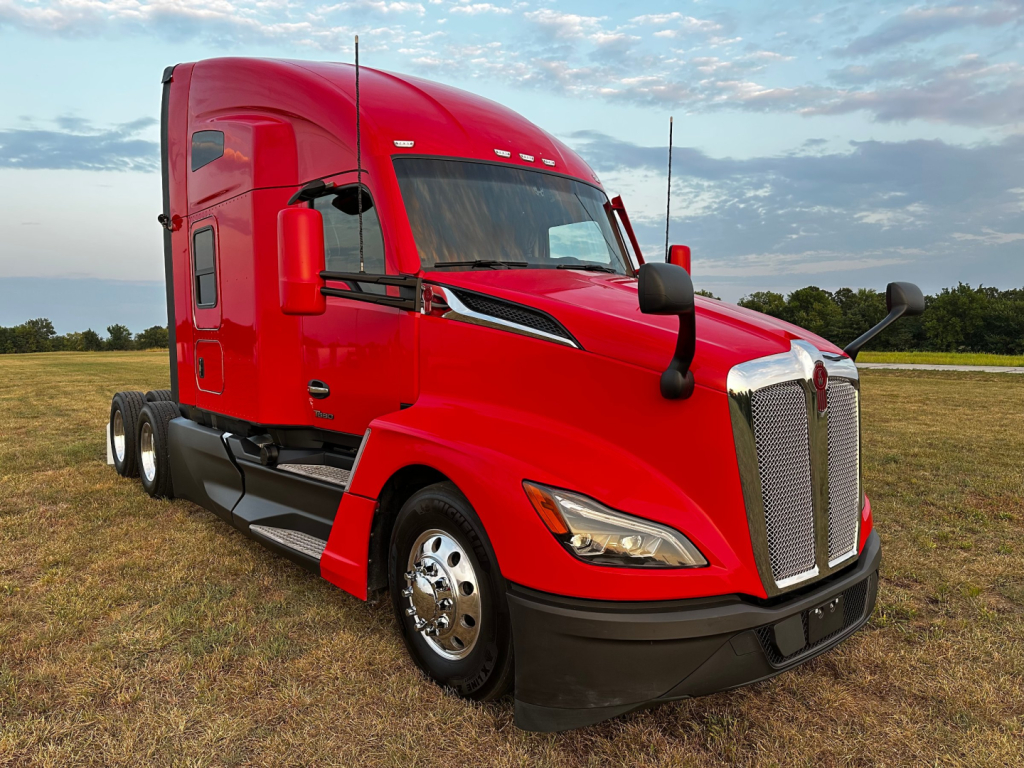
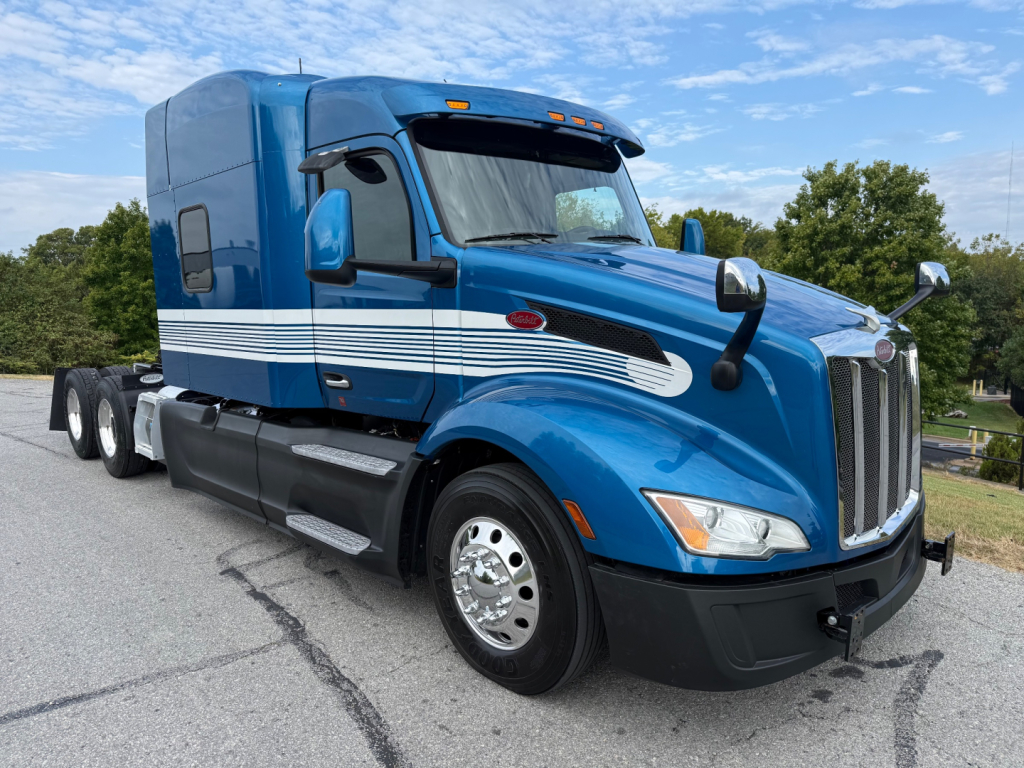
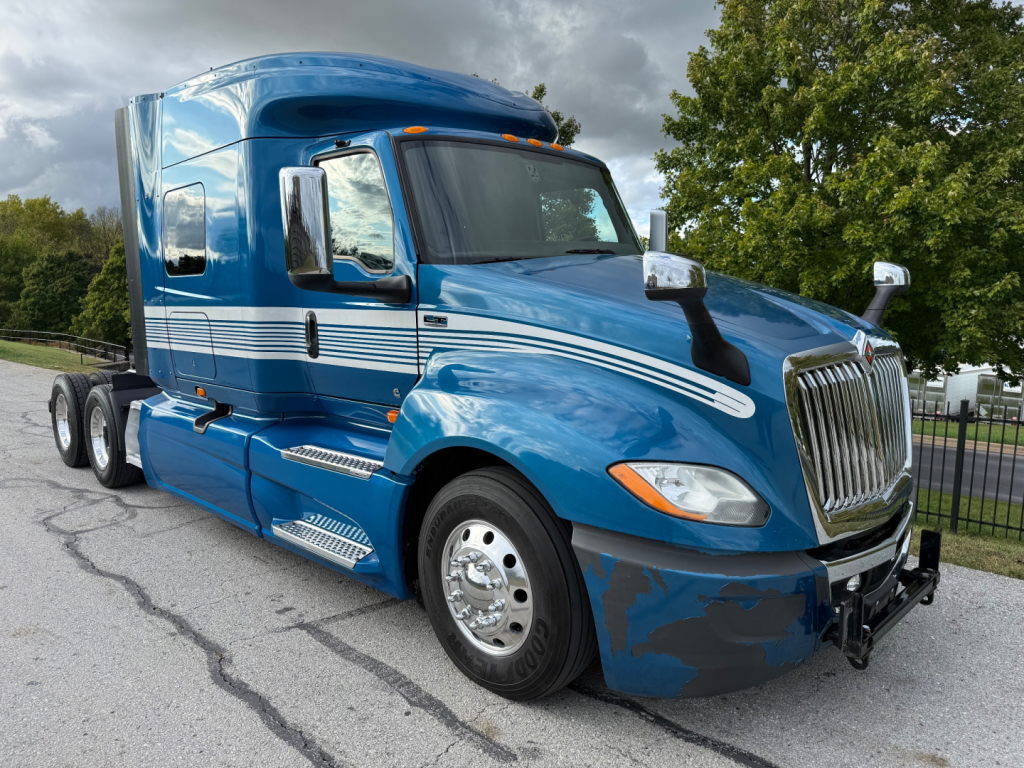
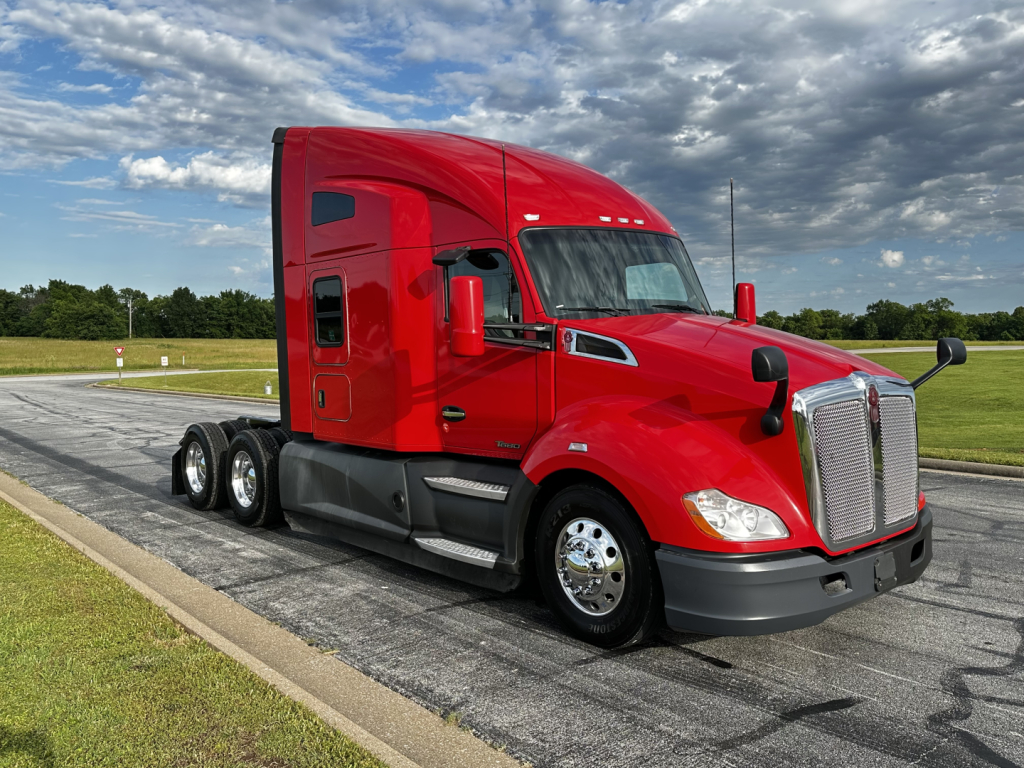
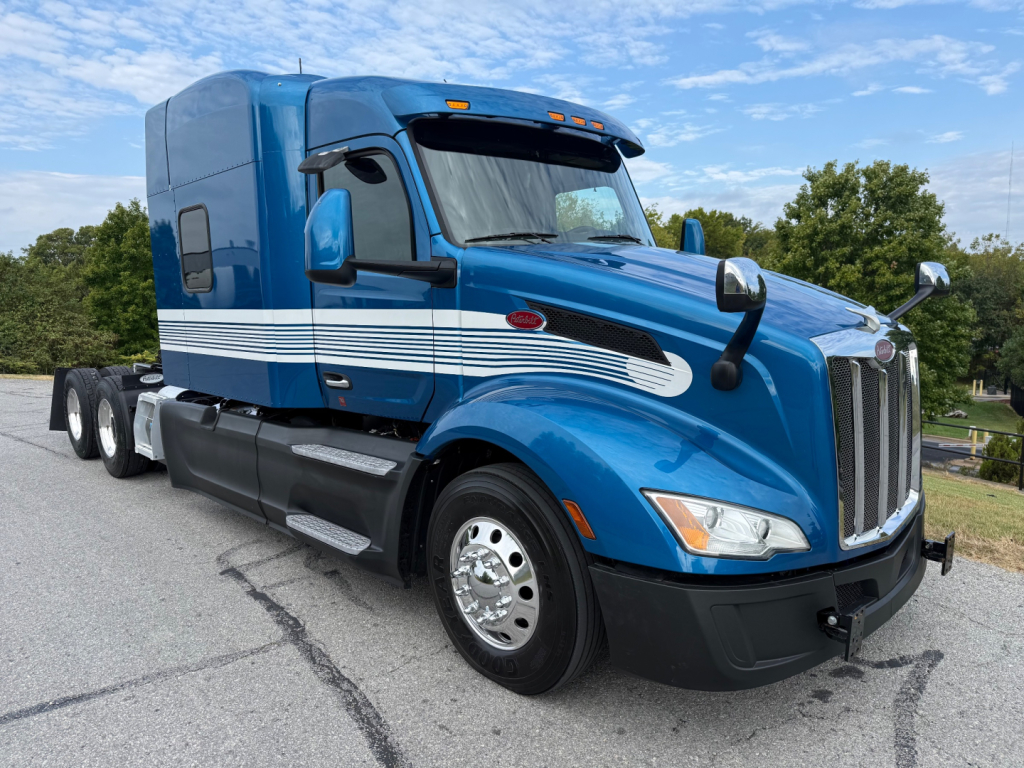
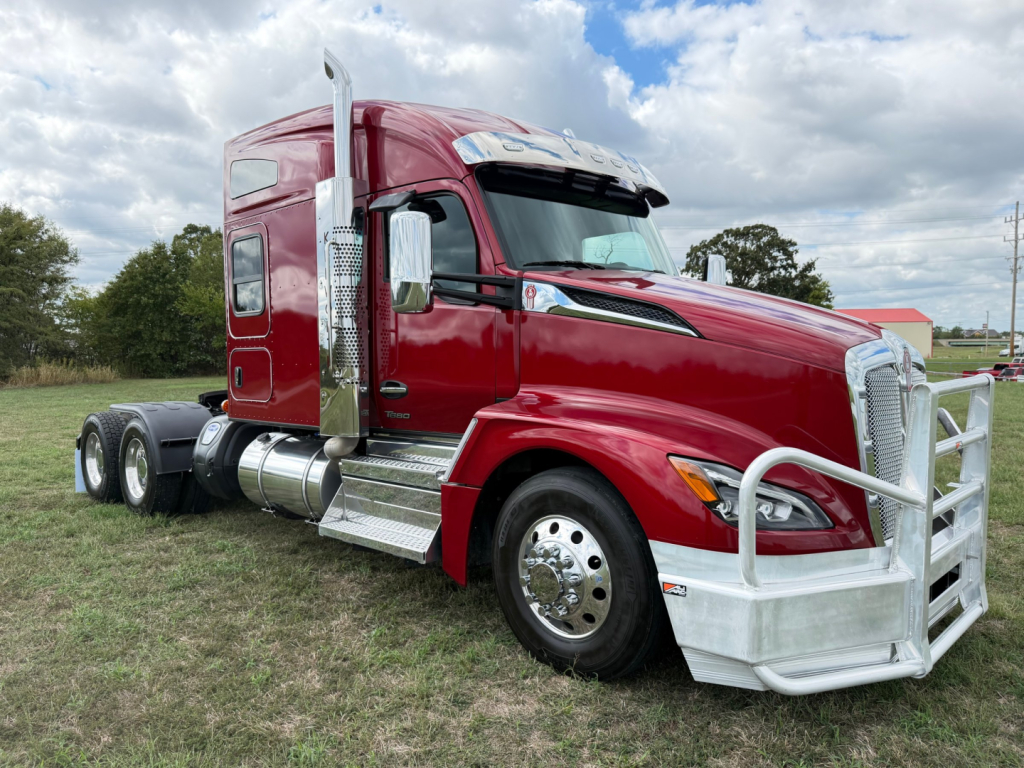
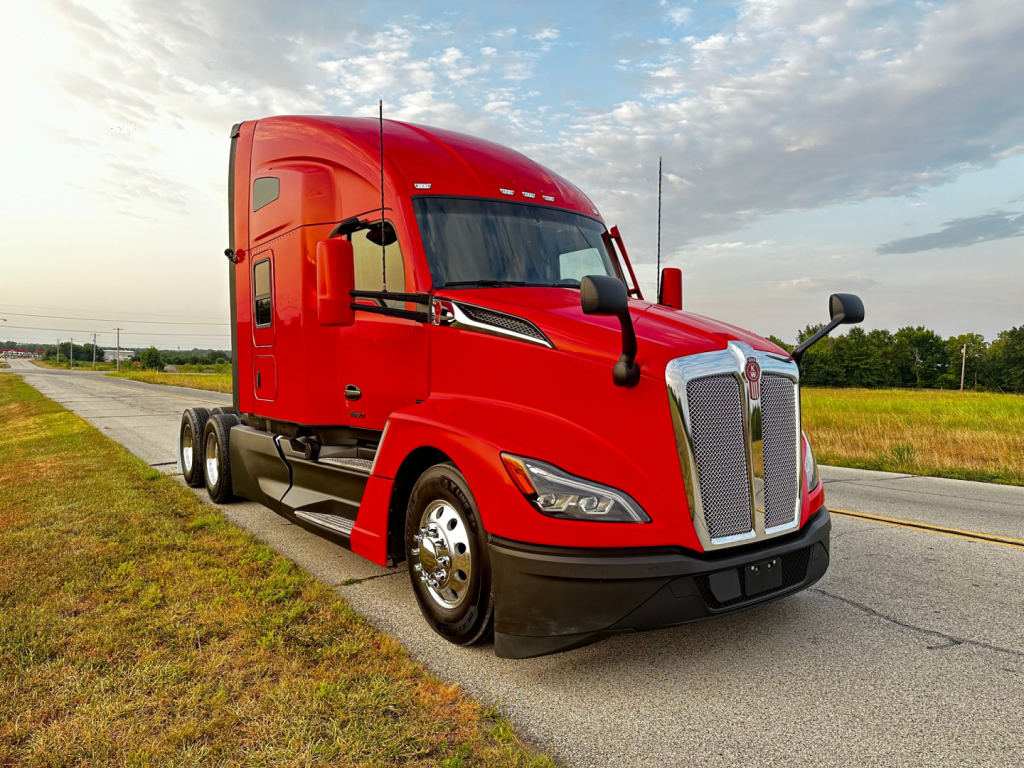
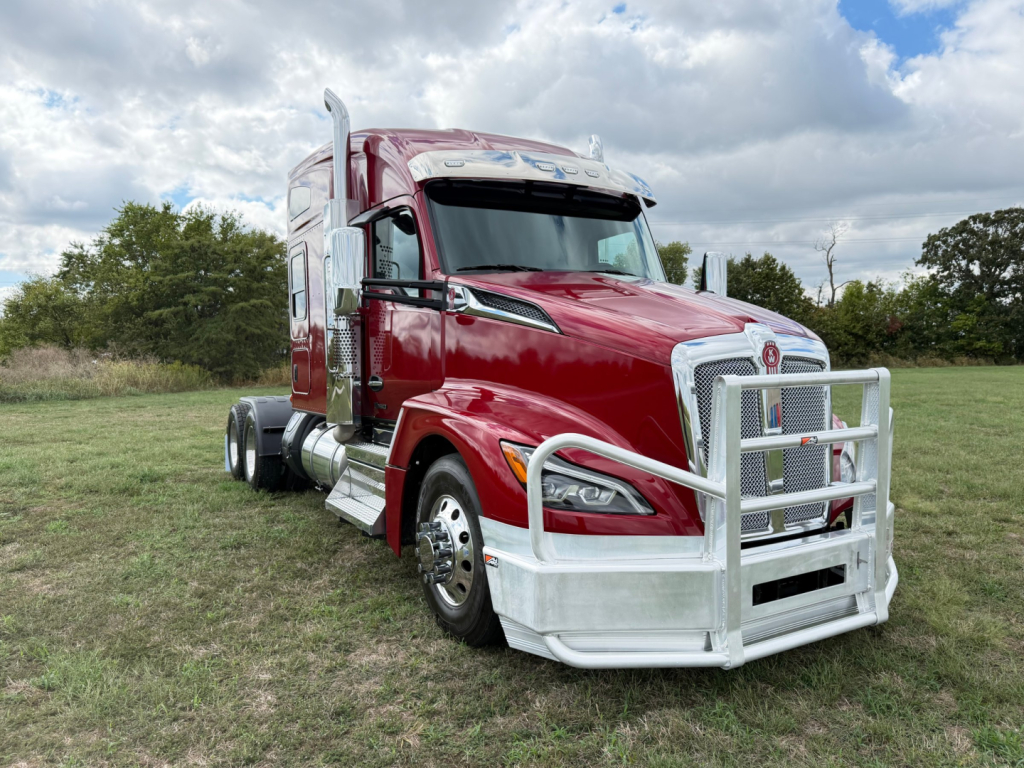
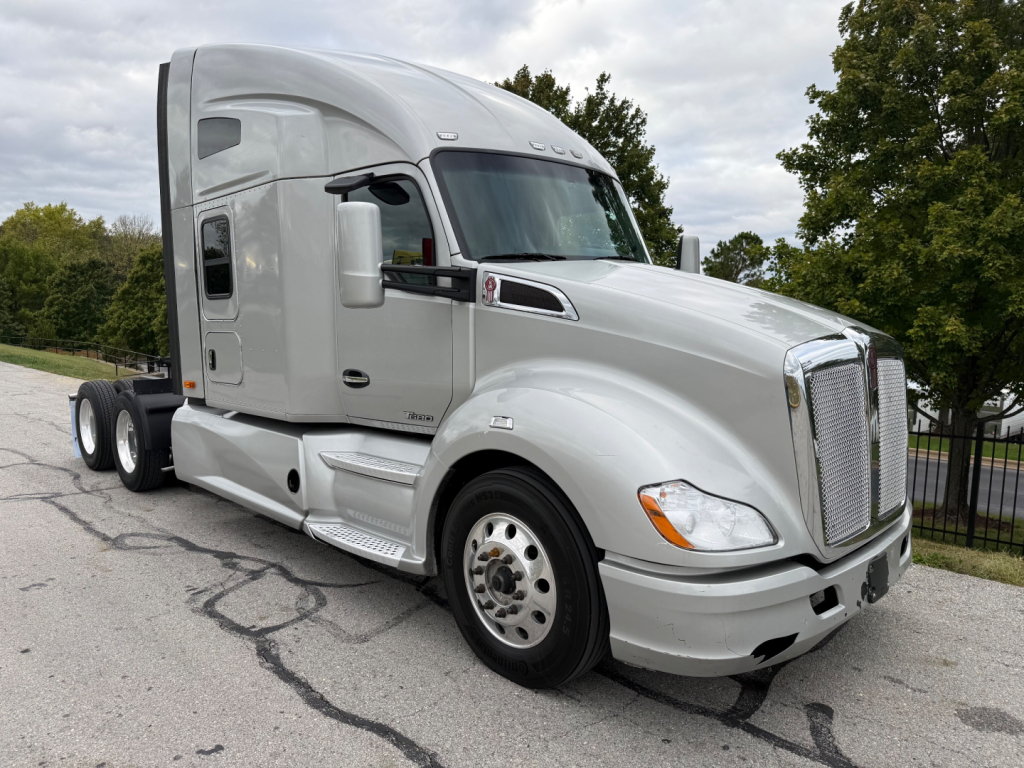
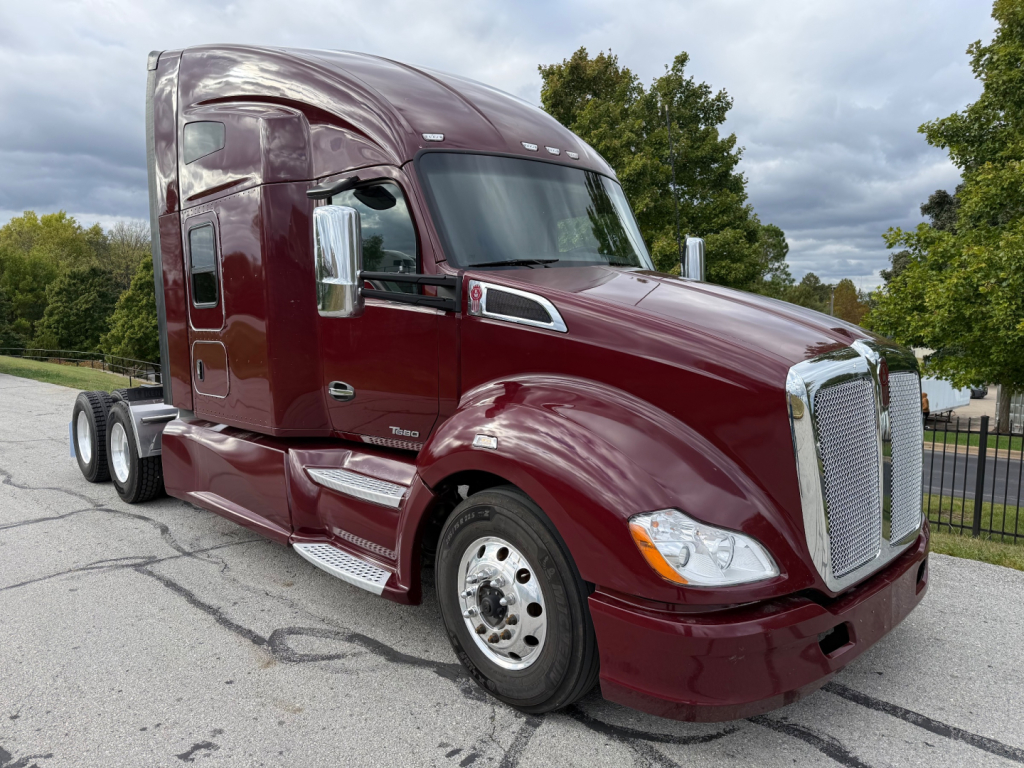
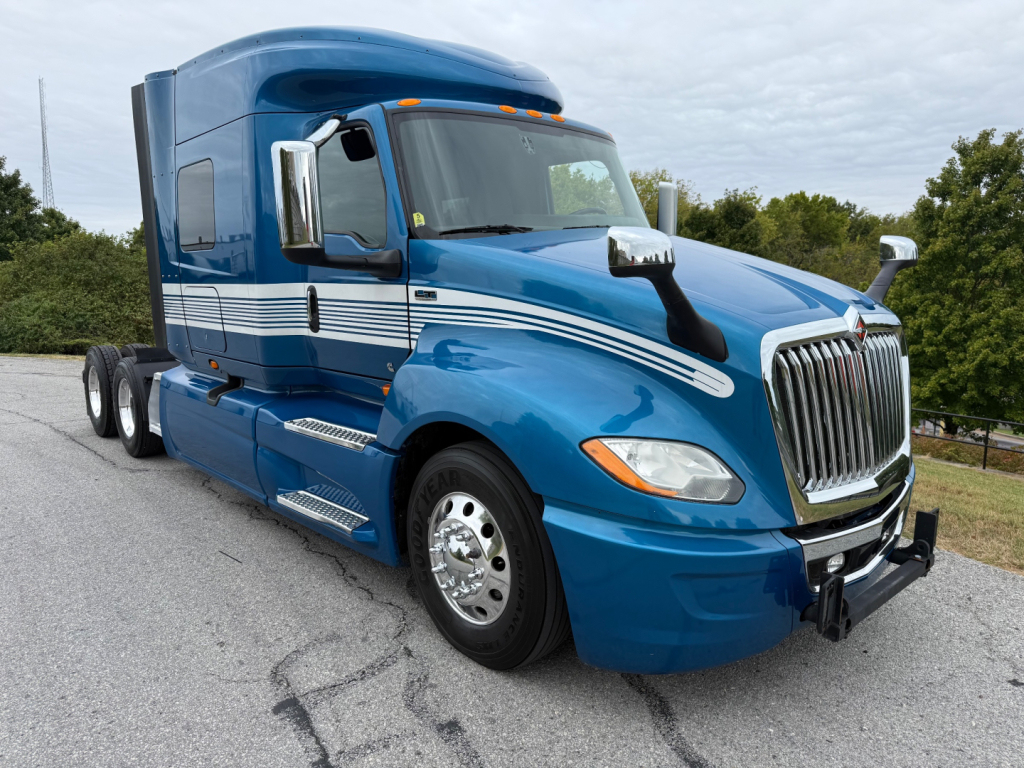
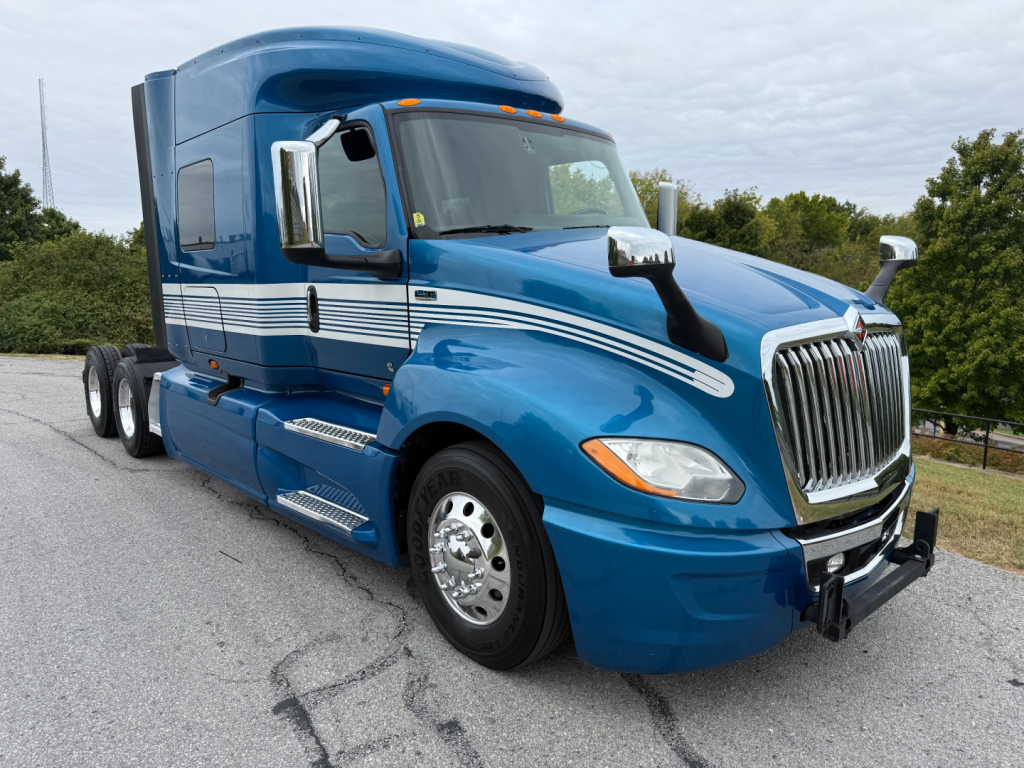
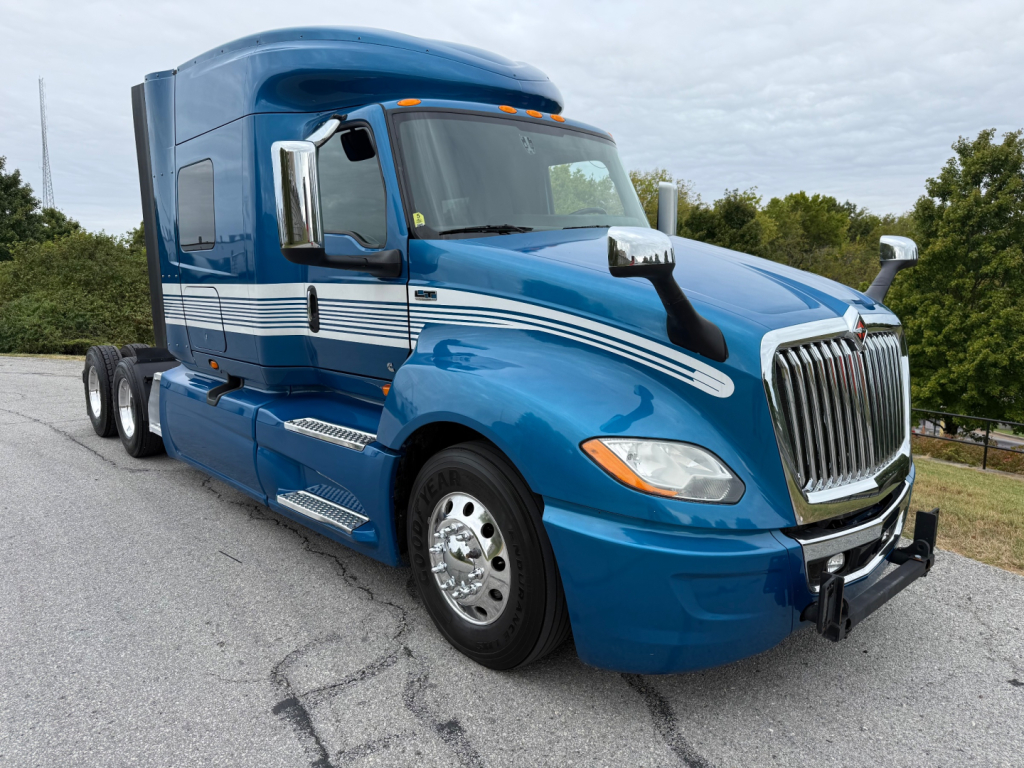
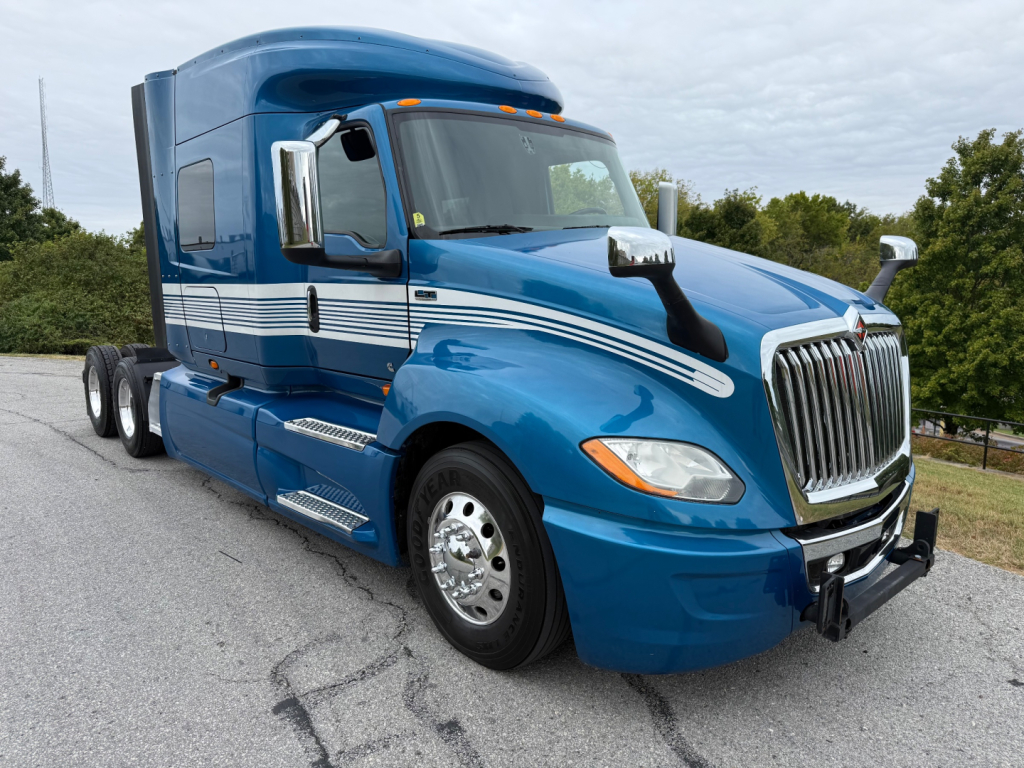
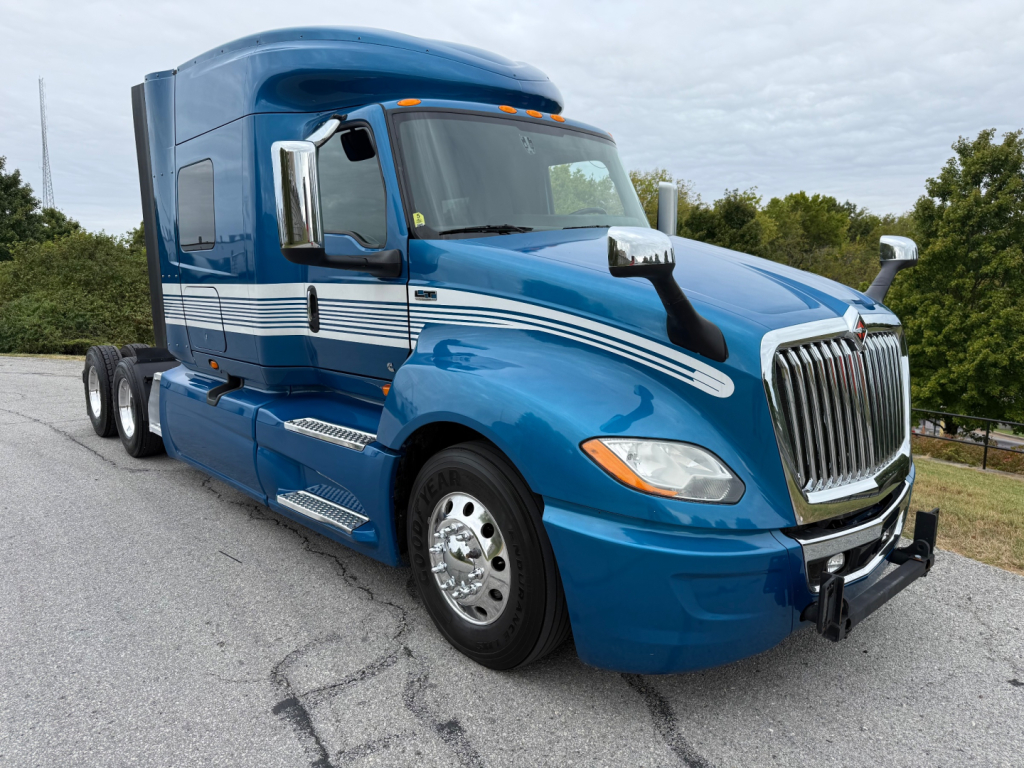
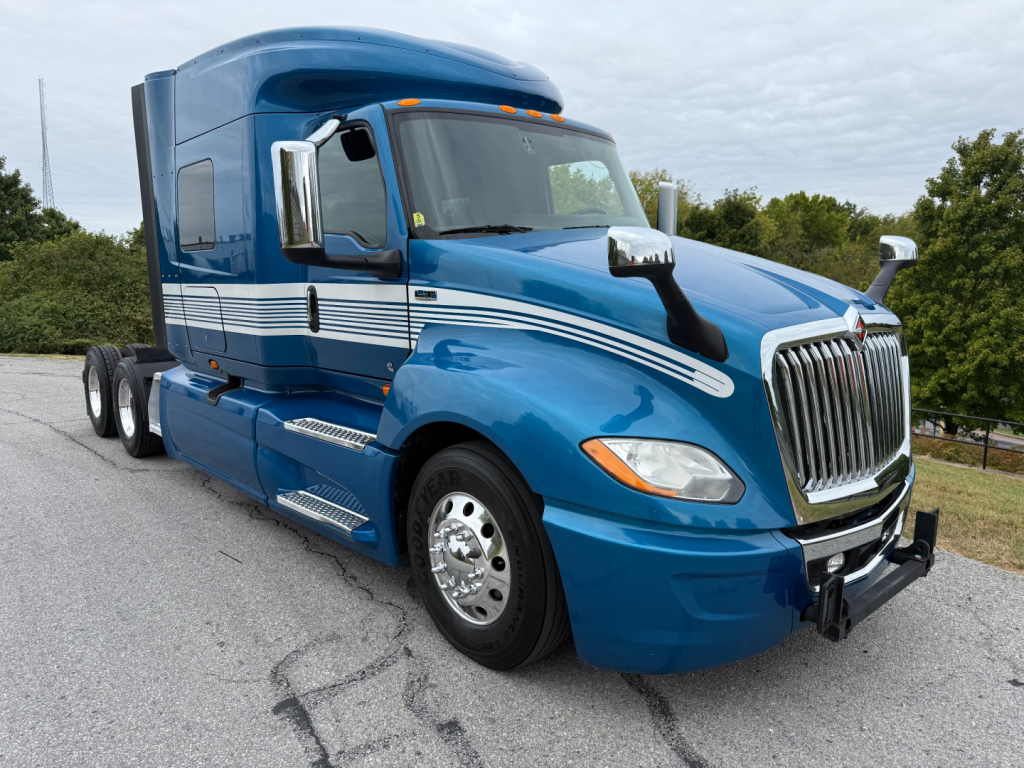
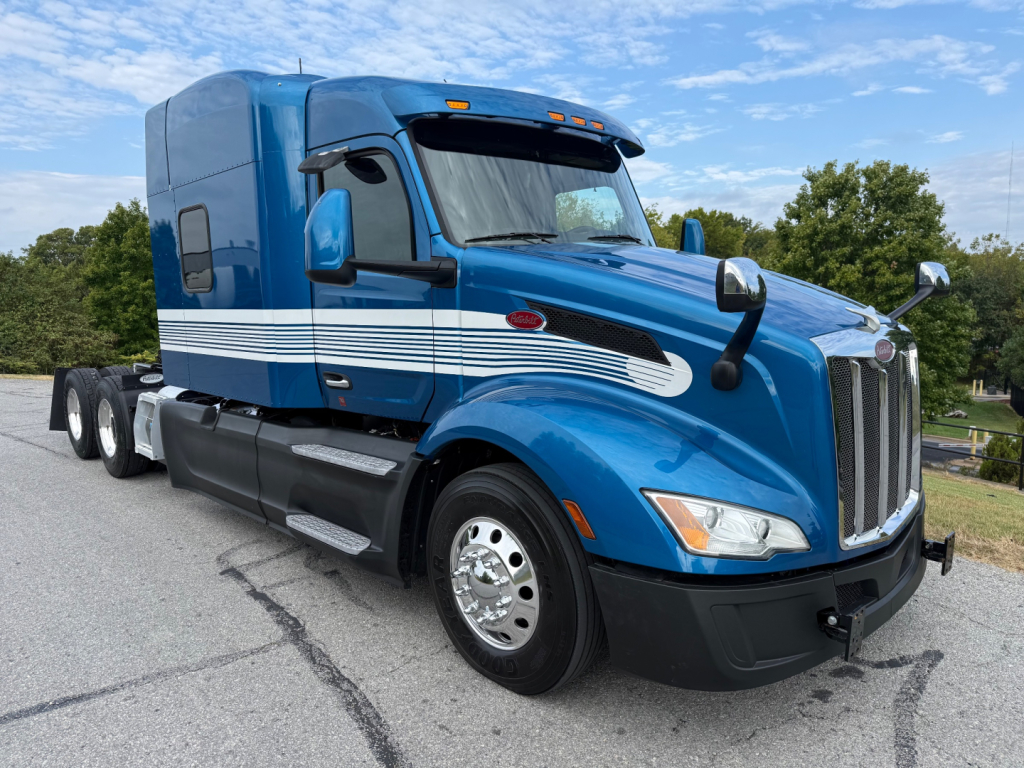
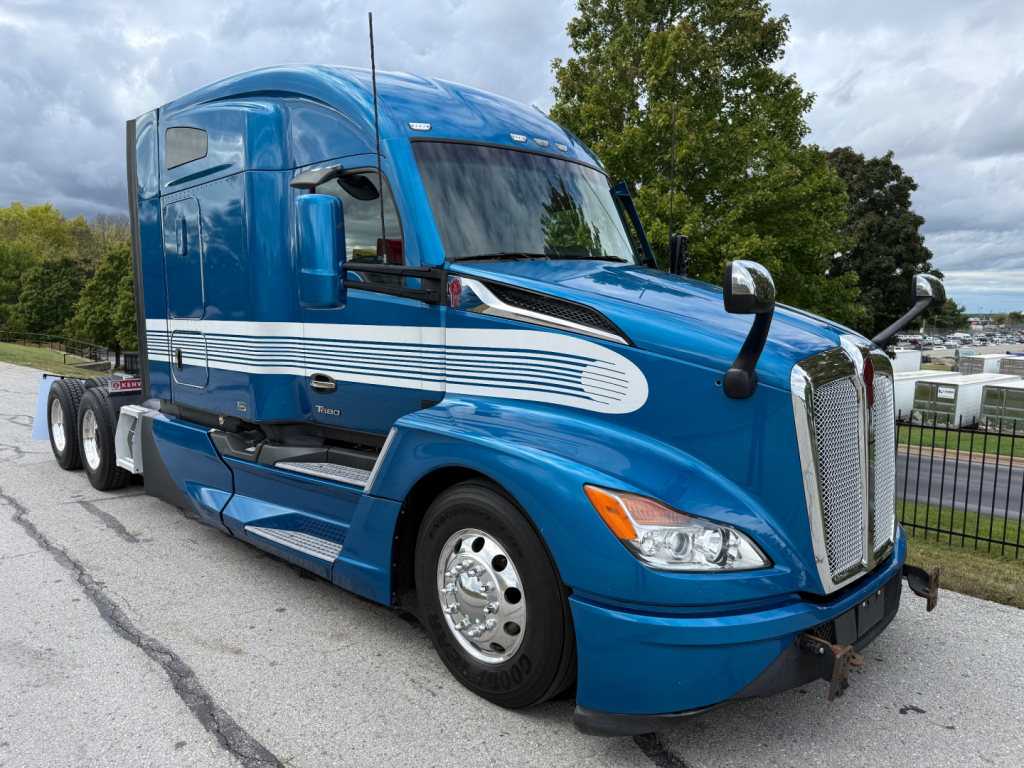
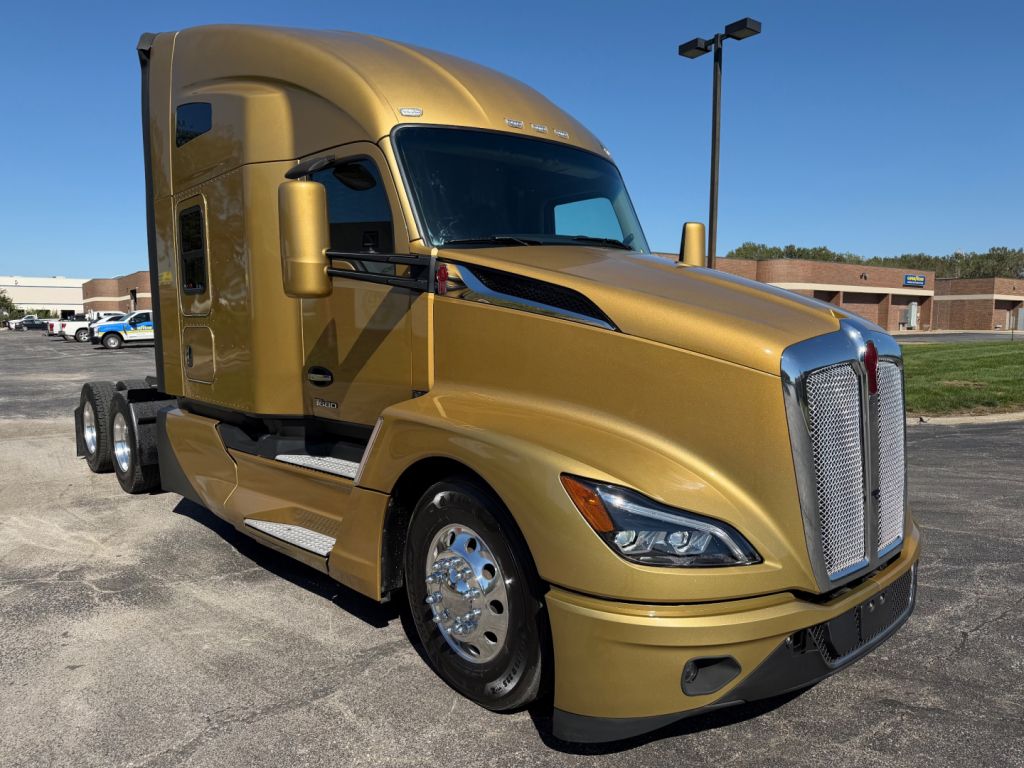
Showing 1 to 28 of 61 results
Selling a conventional sleeper truck? List your conventional sleeper truck for sale and reach thousands of commercial buyers.
Conventional Sleeper Trucks in Missouri
Most conventional sleepers on the market are tandem axle 6x4 tractors with raised-roof sleepers in the 60-inch to 80-inch range, with 72-inch sleepers being especially common. Popular models include the Freightliner Cascadia, Peterbilt 579, International ProStar, and similar highway tractors from Kenworth and Volvo. Common engine families in this class include the Detroit DD15, PACCAR MX-13, Cummins X15, and older MaxxForce or N13 platforms depending on year. Horsepower often falls in the 400 to 500 HP range, paired with 10-speed, 12-speed automated, or 13-speed to 18-speed manual transmissions. Wheelbases around 225 to 230 inches, tandem rears rated near 40,000 pounds, and highway ratios such as 2.28 to 3.25 are typical, with lower ratios generally favoring fuel economy and higher ratios better suited to heavier pulls or more varied terrain.
Cab and chassis details deserve close attention because they directly affect uptime and resale. Air ride suspension, engine brake, sliding fifth wheel, aluminum wheels, heated mirrors, fairings, and air ride seats are common spec points in this category. A buyer comparing used conventional sleeper trucks should look beyond mileage and verify idle hours, service history, aftertreatment condition, clutch life on manuals, software and emissions updates, and any signs of cab or sleeper water intrusion. Tire size, remaining brake life, and axle gearing should also match the intended application. A truck set up for fuel-efficient linehaul can feel very different from one spec'd for heavier regional work, even when the model appears nearly identical.
The best conventional sleeper truck is usually the one that fits the lane, driver, and maintenance plan rather than the one with the highest trim level. For Missouri operators running I-70, I-44, I-35, or crossing into surrounding states, a well-matched sleeper tractor can support both regional turns and true over-the-road service. Look for a spec that keeps parts availability strong, allows easy dealer support, and gives the driver enough sleeper room for multi-day trips. That combination tends to protect operating cost better than chasing a single headline number like horsepower or odometer reading.
Frequently Asked Questions about Conventional Sleeper Trucks in Missouri
What is a conventional sleeper truck?
A conventional sleeper truck is a highway tractor with the engine mounted in front of the cab and a built-in sleeper compartment behind the seats. It is designed for longer trips that require overnight stays, more onboard storage, and better driver comfort than a day cab. In the used market, this category usually refers to aerodynamic over-the-road tractors with raised-roof sleepers and tandem rear axles.
What sleeper size is most common on conventional sleeper trucks?
A 72-inch sleeper is one of the most common configurations because it offers a strong balance of space, weight, and resale appeal. Smaller sleepers can work for shorter regional lanes, while larger sleepers may suit teams or extended over-the-road use. The right size depends on trip length, driver expectations, and how much storage or bunk space the operation really needs.
Which engine and transmission combinations are common in this category?
Detroit DD15, PACCAR MX-13, Cummins X15, and various International engines are all common in conventional sleeper trucks, depending on model year and make. Transmissions typically include 10-speed manuals, 12-speed automated manuals such as Detroit DT12, and heavier multi-speed Eaton-Fuller options. Buyers should match the driveline to the route profile, gross weight, and maintenance support available in their area.
What should I inspect first on a used conventional sleeper truck?
Start with maintenance records, engine hours, idle hours, fault codes, and emissions system history because those items say more about future operating cost than cosmetic condition alone. Then inspect tires, brakes, suspension, kingpins, fifth wheel wear, clutch condition if equipped with a manual, and signs of leaks or water intrusion in the cab and sleeper. Rear axle ratio and wheelbase should also be confirmed so the truck's spec matches the freight it will actually haul.
Are conventional sleeper trucks good for regional freight, or only long-haul work?
They are often used for both. A conventional sleeper is ideal for long-haul service, but many fleets also run them on regional lanes because the sleeper adds flexibility for layovers, weather delays, and backhauls that turn into multi-day trips. For Missouri-based operations moving freight across the Midwest, a conventional sleeper can be a practical choice when routes vary between short turns and longer interstate runs.