
Conventional Sleeper Trucks For Sale in Alabama
Browse conventional sleeper trucks with common specs, sleeper sizes, drivetrain options, and application insights for long-haul buyers.
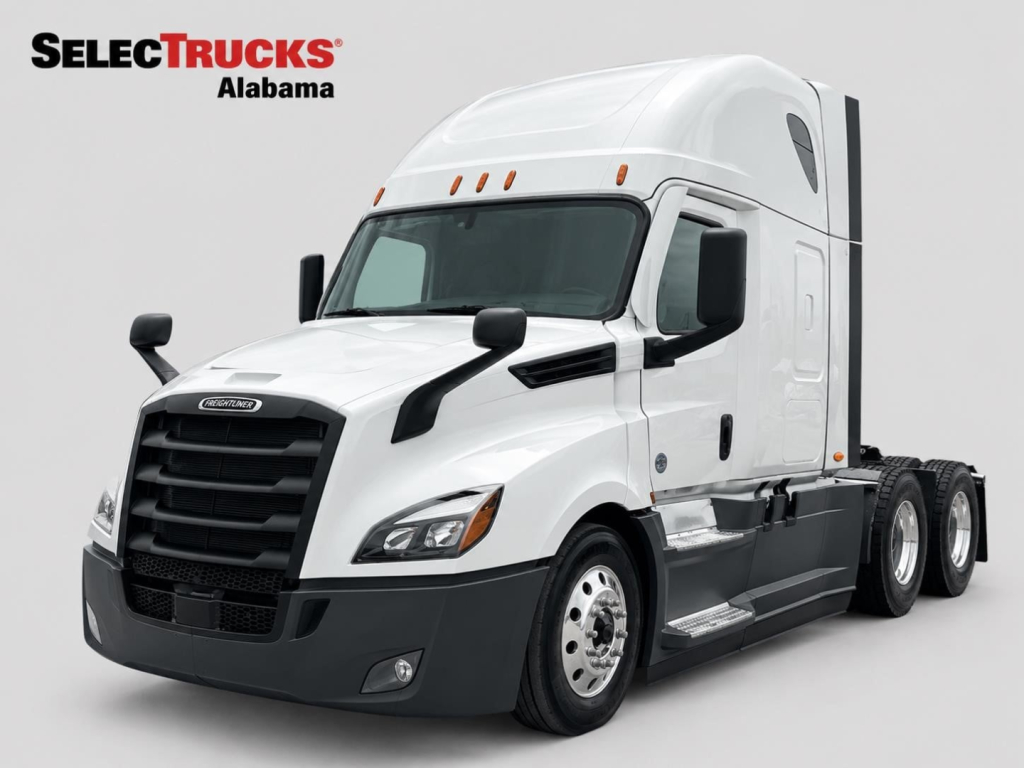
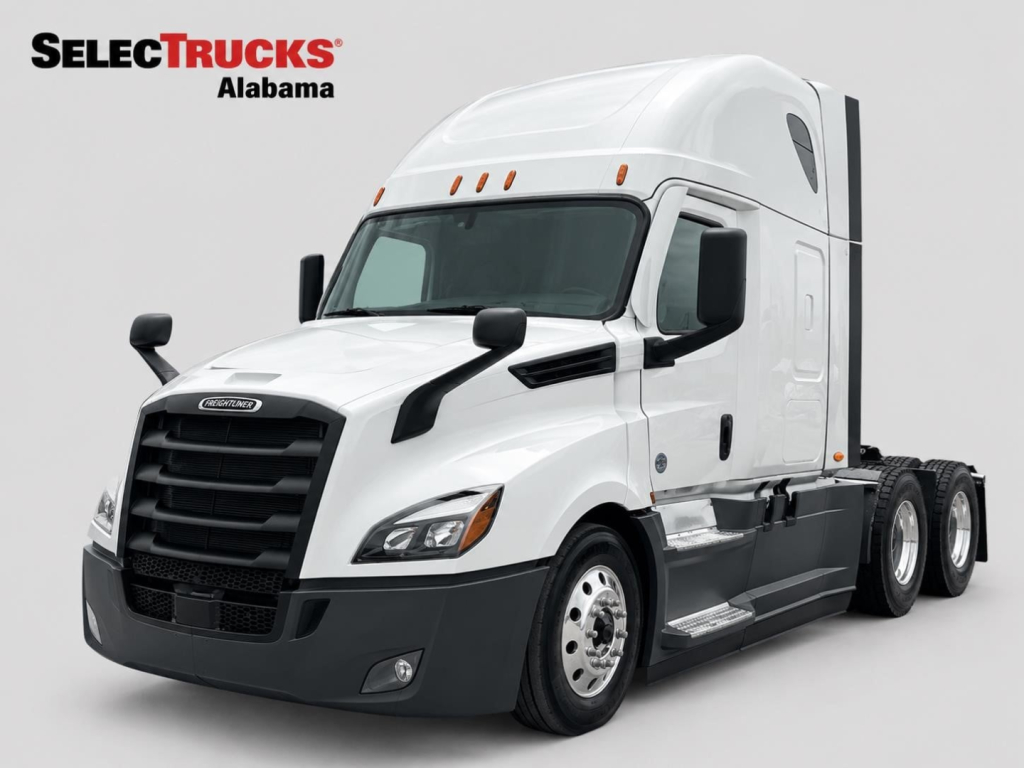
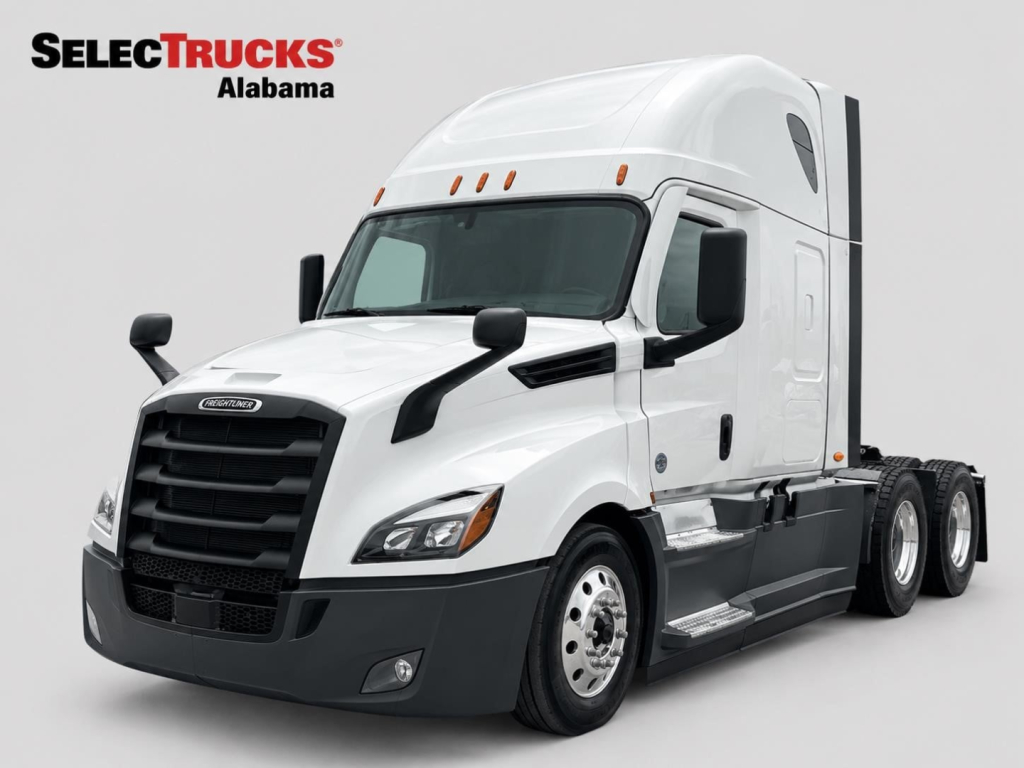
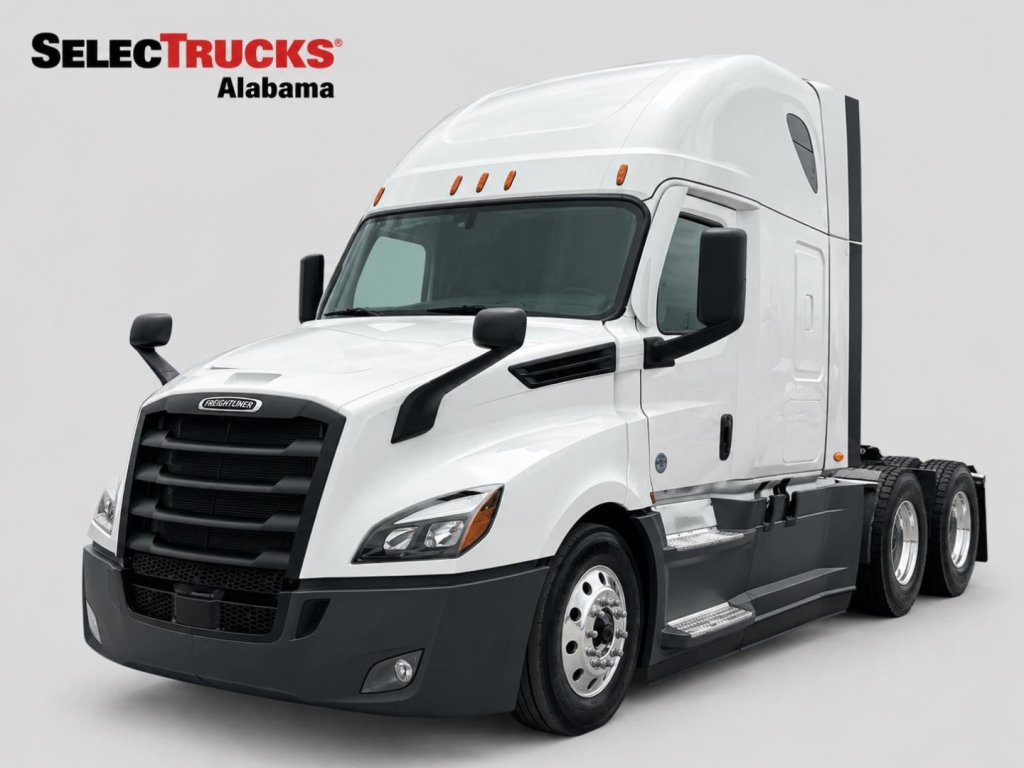
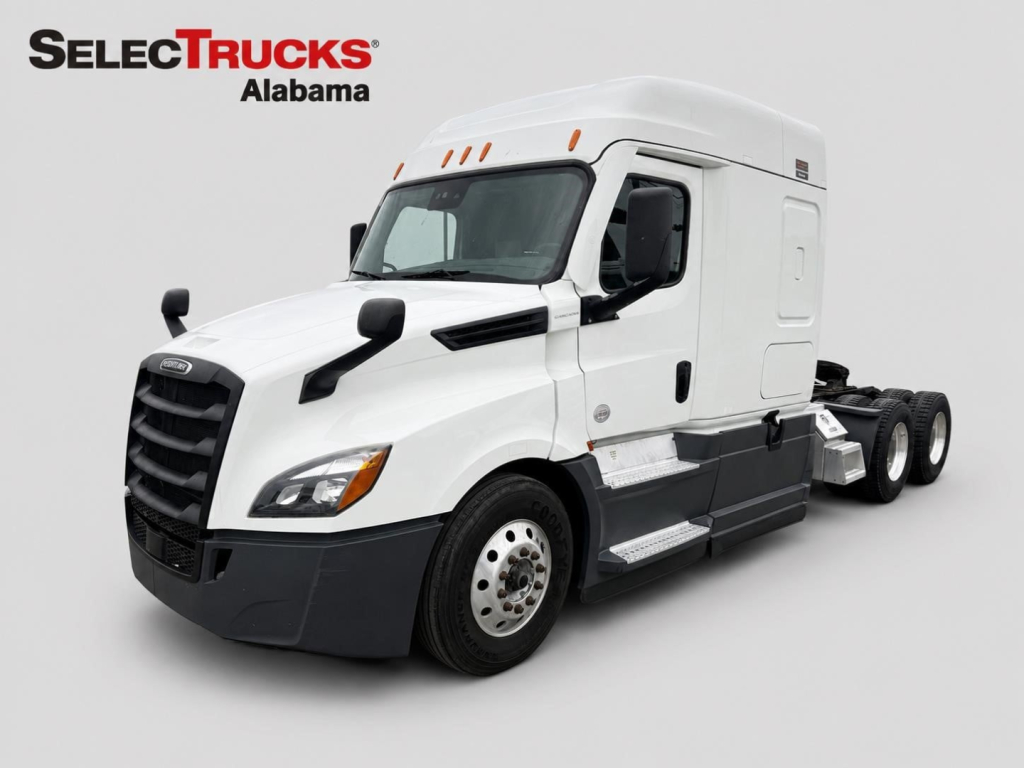
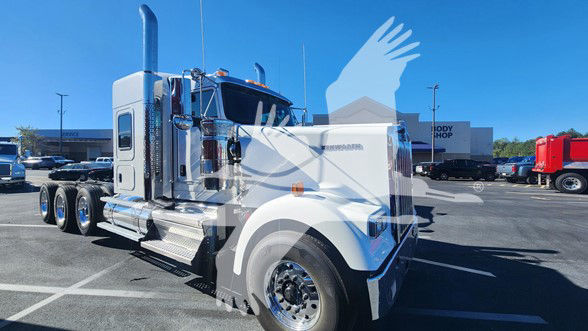
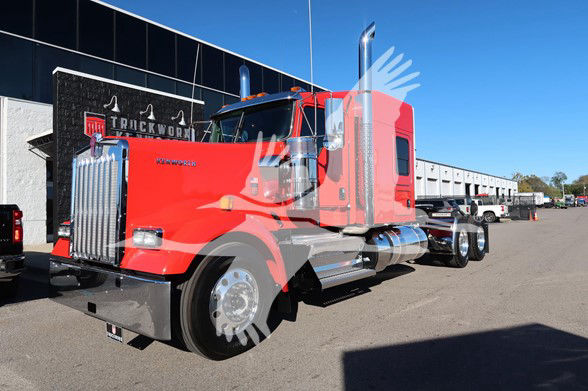
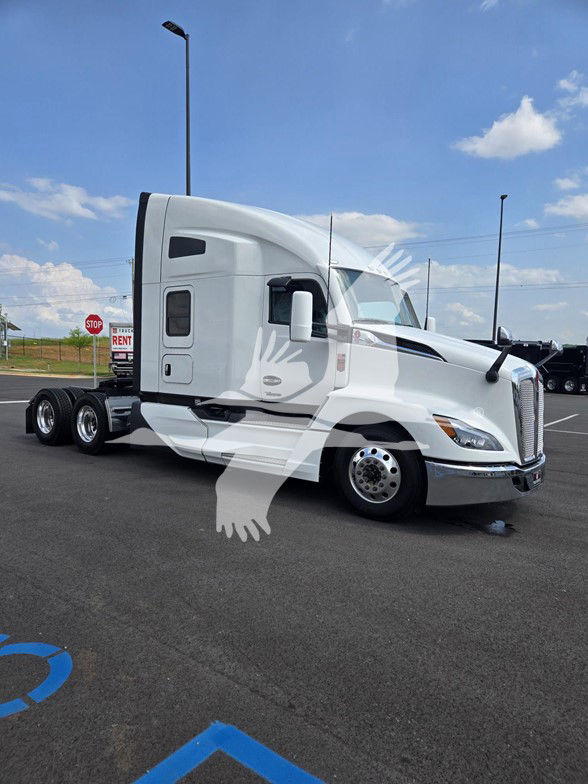
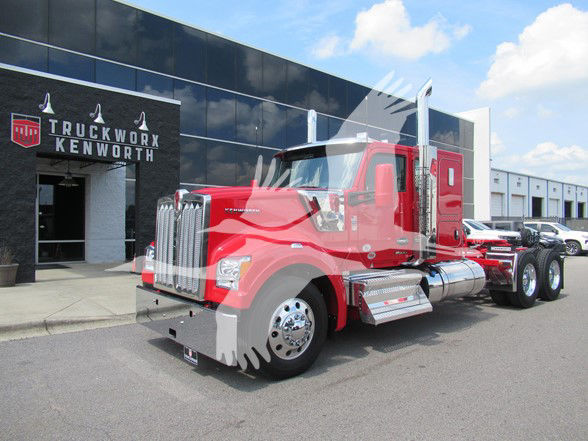
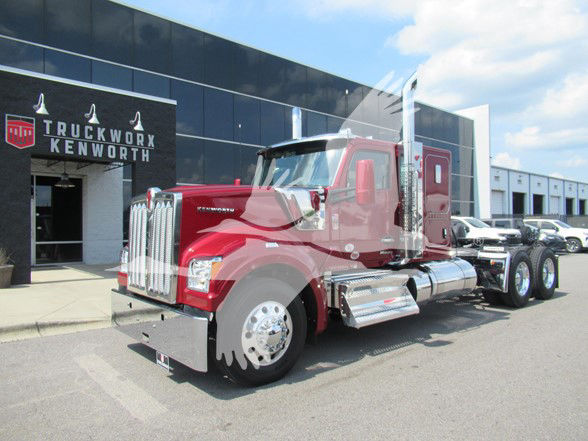
2026 Kenworth W990
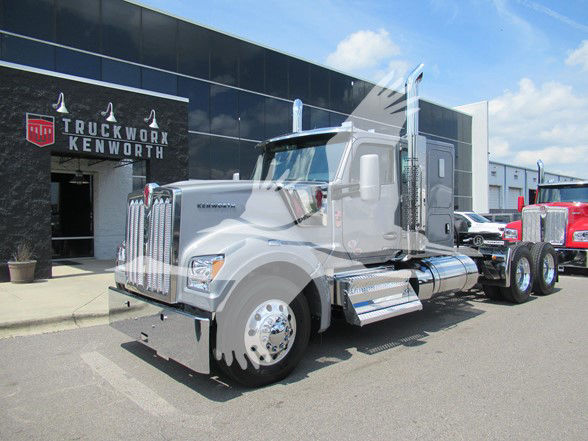
2026 Kenworth W990
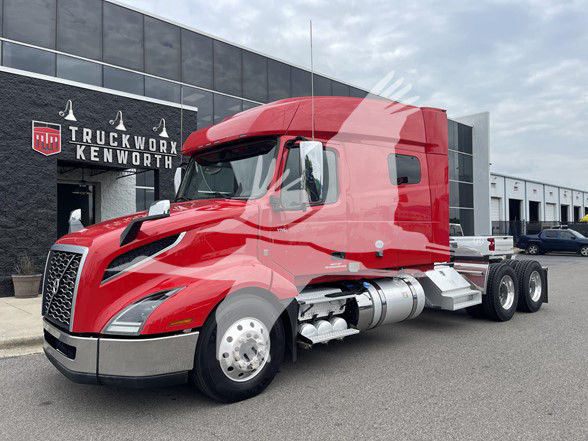
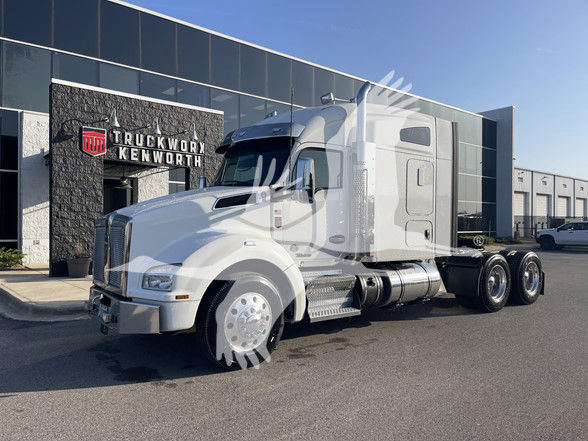
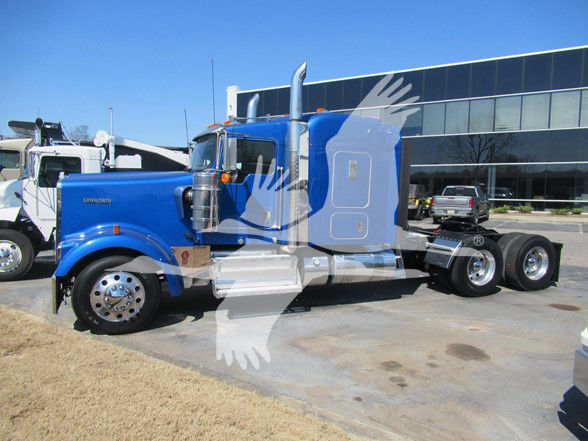
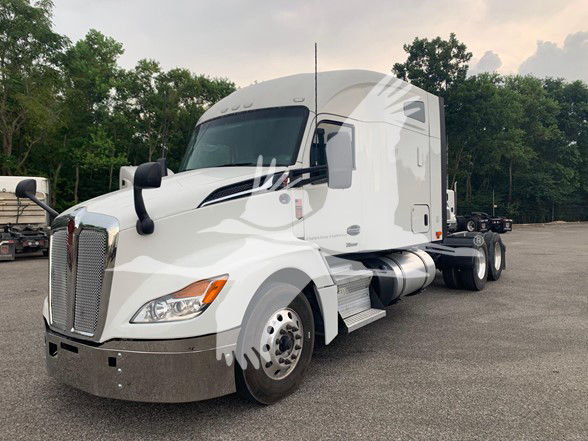
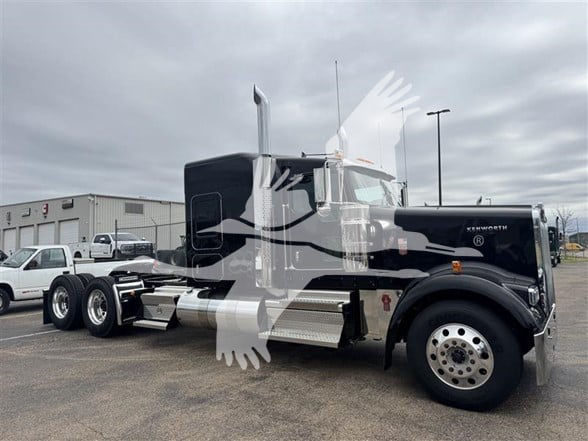
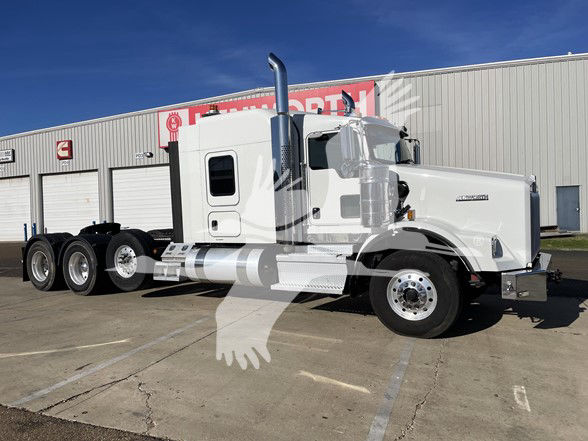
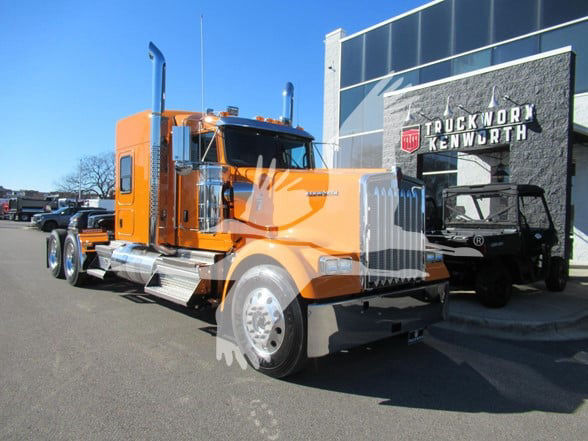
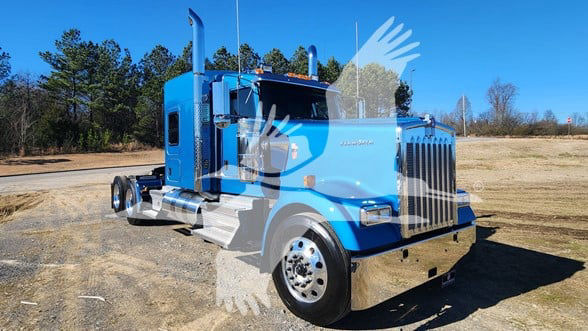
Selling a conventional sleeper truck? List your conventional sleeper truck for sale and reach thousands of commercial buyers.
Conventional Sleeper Trucks in Alabama
The first buying decision is usually sleeper size and roof style. Flat top and mid-roof sleepers in the 52-inch, 62-inch, and 72-inch range are common, with 72-inch sleepers giving the best living space for teams or extended trips. Wheelbase, rear axle ratio, and transmission spec should match the work. A 3.36 or 3.55 ratio generally fits highway freight and fuel-conscious operation, while 3.70 or 4.10 gearing is more common when the truck is expected to pull lowboys, heavy flatbeds, or operate in mixed terrain. Many conventional sleepers are spec'd as 6x4 tandems, but heavier vocational or specialized hauling setups can be found in tri-axle or 8x4 configurations with high front axle ratings and 40,000 to 46,000 lb rears.
Power in this class typically comes from big-bore diesel engines such as the Cummins X15 or ISX15, often rated from about 500 to 565 horsepower. Manual 13-speed and 18-speed transmissions remain popular in owner-operator, heavy-haul, and premium conventional specs because they offer control over gearing and grade performance. Suspension choice also matters. Air ride setups help on highway freight and ride quality, while heavier-duty suspensions such as AG-series or Neway are common where durability and load stability take priority. Tire size, usually 22.5 or 24.5 rubber, affects stance, gearing feel, and replacement cost, so it is worth checking against your trailer height and route requirements.
A good conventional sleeper truck should be evaluated as a complete operating package, not just by year and mileage. Look closely at engine rating, transmission model, wheelbase, axle capacities, suspension, sleeper configuration, and fuel capacity. For Alabama buyers, cooling performance, corrosion condition, and prior application are especially important because these trucks may see hot weather, interstate miles, and a mix of port, construction, and long-haul service. If the truck will run flatbed, heavy equipment, or dedicated long-distance freight, a properly matched conventional sleeper can deliver the comfort, driveline durability, and road presence this class is known for.
Frequently Asked Questions about Conventional Sleeper Trucks in Alabama
What is a conventional sleeper truck?
A conventional sleeper truck is a highway tractor with a hooded engine design and a sleeper compartment mounted behind the cab. The conventional layout provides easier engine access, room for larger cooling systems, and flexibility in wheelbase and axle specs. Compared with day cabs, sleeper models are designed for overnight or multi-day operation and are commonly used in over-the-road, regional, flatbed, and heavy-haul work.
What sleeper size is best for a conventional sleeper tractor?
The right sleeper size depends on trip length, driver count, and available wheelbase. A 52-inch sleeper is often adequate for shorter runs or buyers who want a more compact overall tractor. A 62-inch sleeper is a common middle ground with good storage and livability. A 72-inch sleeper is a strong choice for long-haul applications, team driving, or operators who spend extended time in the truck and want more room for cabinets, bunk space, and onboard amenities.
What axle ratio should I look for in a conventional sleeper truck?
Axle ratio should match the trailer, terrain, and cruising speed you expect to run. Ratios like 3.36 or 3.55 are common for highway freight because they help keep engine rpm lower at road speed and can improve fuel economy. Ratios like 3.70 or 4.10 are better suited to heavier loads, frequent starts, or specialized hauling where gradeability and pulling power matter more than top-end fuel efficiency. The ratio should always be considered together with tire size, transmission gearing, and engine torque curve.
Are manual transmissions still a good choice in conventional sleeper trucks?
Yes. Manual transmissions, especially 13-speed and 18-speed models, remain a strong fit in many conventional sleeper applications. They are popular in heavy-haul, flatbed, and owner-operator use because they provide direct control over gear selection, engine speed, and load handling. Buyers should still verify clutch condition, shift quality, and driveline wear, and also consider driver availability since not every fleet or driver pool prefers a manual truck.
What matters most when buying a used conventional sleeper truck?
The most important factors are prior application, engine and transmission spec, axle capacity, wheelbase, and service history. A truck that spent its life in heavy-haul or off-pavement work can have very different wear patterns than one used mainly for highway freight. Check mileage against engine hours if available, review maintenance records, inspect suspension and frame condition, and confirm the sleeper size and drivetrain actually fit your freight. A conventional sleeper that is correctly spec'd for the job will usually outperform a newer truck with the wrong gearing or axle setup.