
2022 Conventional Sleeper Trucks For Sale in Alabama
Shop 2022 conventional sleeper trucks in Alabama. Compare aero sleepers, powertrain specs, sleeper sizes, axle ratings, and fleet-ready options.
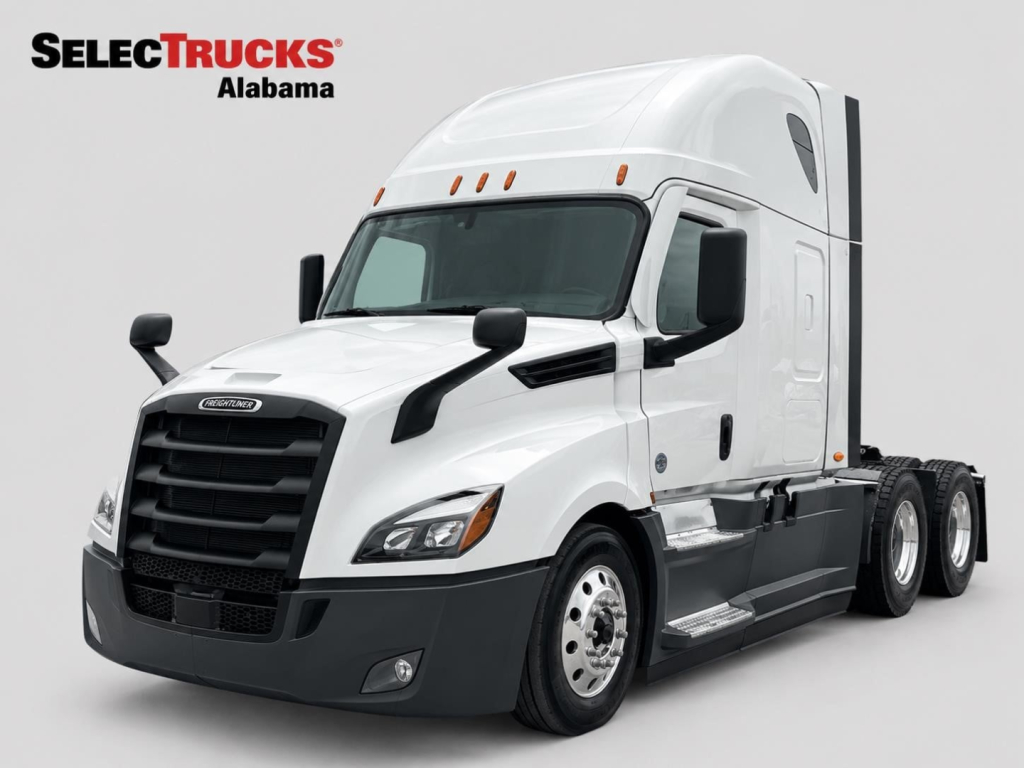
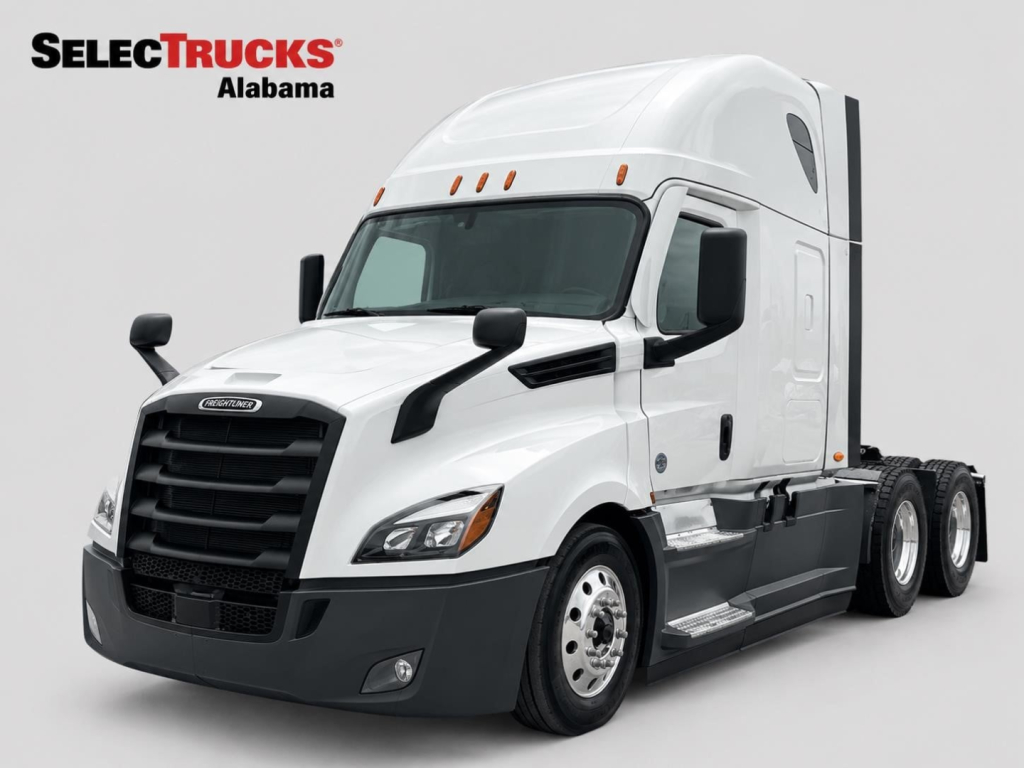
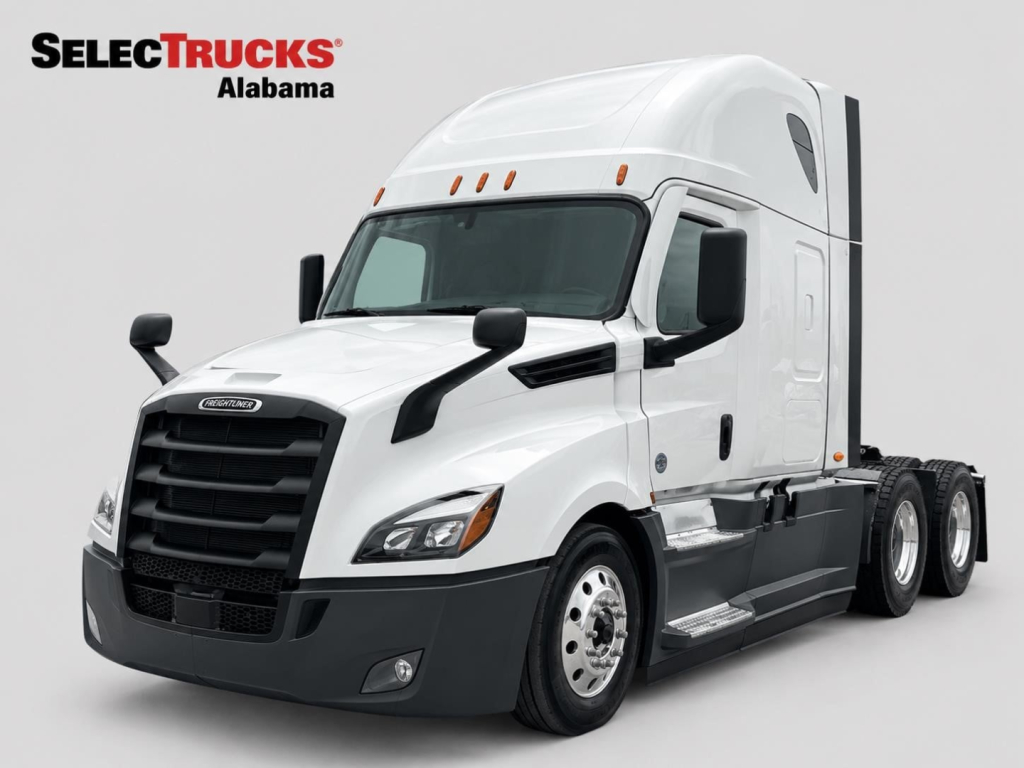
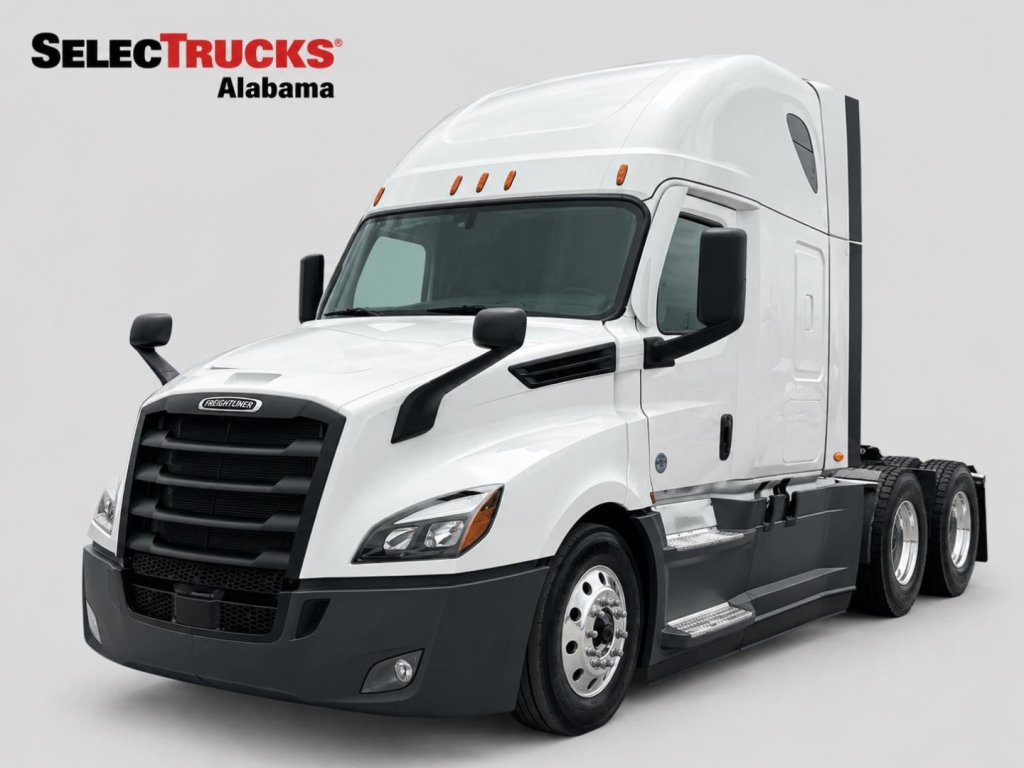
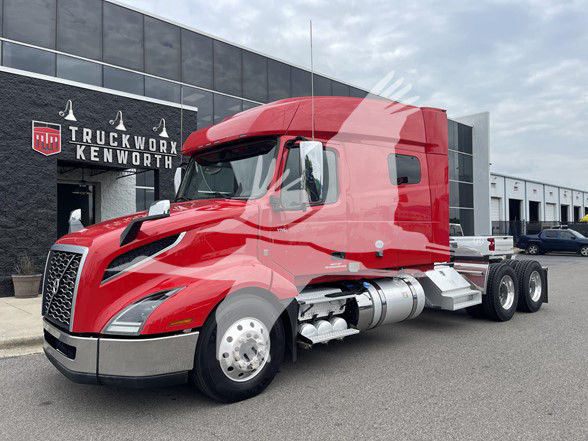
Selling a 2022 conventional sleeper truck? List your 2022 conventional sleeper truck for sale and reach thousands of commercial buyers.
2022 Conventional Sleeper Trucks in Alabama
Powertrain choice matters more than badge loyalty in this category. Typical 2022 conventional sleepers are equipped with engines in the 400 to 500 horsepower range, often paired with automated manual transmissions such as the Detroit DT12 or Volvo I-Shift, though some manual 10-speed, 13-speed, and 18-speed setups still appear. Buyers should look closely at rear axle ratio, wheelbase, and gross axle ratings because those specs determine how the truck will perform at highway speed, on rolling terrain, and under heavier trailer loads. A 3.08 ratio can favor fuel economy on van and reefer lanes, while heavier vocational crossover use may call for a different ratio, dual-purpose PTO capability, or a more robust suspension spec.
Sleeper configuration is another major decision point. Mid-roof sleepers in the 60-inch to 72-inch range are common in 2022 conventional sleeper trucks and usually balance aerodynamics, driver comfort, and overall weight. Raised-roof and larger condo-style sleepers add living space for teams or extended over-the-road runs, but they can change empty weight, storage, and resale appeal depending on your freight mix. Buyers also tend to compare interior storage, bunk layout, inverter setup, idle management systems, APUs, and factory safety packages. On newer highway tractors, systems such as collision mitigation, adaptive cruise, lane departure warning, and integrated tire pressure or telematics features can be meaningful for both insurance and driver retention.
For Alabama operations, it helps to buy with terrain, climate, and lane profile in mind. Trucks running I-20, I-65, I-85, and port-connected freight need a dependable cooling system, strong air conditioning performance, and gearing that matches sustained highway work in hot weather. A clean maintenance history is especially important on 2022 emissions trucks, so buyers should review aftertreatment service records, idle hours, clutch and transmission calibration history on AMTs, and any remaining engine or emissions coverage. The best 2022 conventional sleeper is not just the newest-looking truck on the page. It is the one with the right sleeper size, axle spec, safety package, and maintenance profile for the freight you plan to haul.
Frequently Asked Questions about 2022 Conventional Sleeper Trucks in Alabama
What is a conventional sleeper truck?
A conventional sleeper truck is a highway tractor with a front engine hood and a built-in sleeping compartment mounted behind the cab. It is also commonly called a sleeper semi truck, sleeper tractor, or road tractor. In the 2022 model year, most conventional sleepers were designed for long-haul and regional freight, with aerodynamic bodywork, integrated safety systems, and larger sleeper compartments than day cabs.
What engine and transmission specs are common in 2022 conventional sleeper trucks?
Most 2022 conventional sleeper trucks on the used market fall in the 400 to 500 horsepower range and are commonly powered by engines such as the Detroit DD15, Volvo D13, Cummins X15, or PACCAR MX series. Automated manual transmissions are very common in this year range, especially Detroit DT12 and Volvo I-Shift, because they support fuel economy and easier driver onboarding. Manual transmissions still appear in some owner-operator and heavy-haul oriented specs, especially 13-speed and 18-speed configurations.
Is a 72-inch mid-roof sleeper enough for over-the-road use?
For many single-driver over-the-road operations, a 72-inch mid-roof sleeper is a practical and popular setup. It usually provides enough bunk space, cabinet storage, and room for basic amenities without adding as much weight or cost as a larger raised-roof condo sleeper. Buyers running team operations or extended multi-week trips may prefer a larger sleeper, but a 72-inch mid-roof often hits the best balance of comfort, aerodynamics, and resale demand.
What should I inspect on a used 2022 conventional sleeper before buying?
Focus on service history, emissions system records, fault code history, and drivetrain spec before making a decision. A buyer should review DPF and SCR maintenance, idle hours, coolant and oil service intervals, transmission calibration history, tire wear patterns, brake condition, and suspension wear. It is also smart to confirm rear axle ratio, 5th wheel type, PTO compatibility if needed, and the condition of safety systems such as collision mitigation or lane departure equipment, since those features can be expensive to repair and important for compliance or insurance.
Are 2022 conventional sleeper trucks good for Alabama regional and long-haul freight?
Yes, a properly spec'd 2022 conventional sleeper can be a strong fit for both Alabama regional routes and longer interstate runs. Aerodynamic models are especially well suited for dry van, reefer, and dedicated freight moving through major corridors such as I-20, I-65, and I-85. The key is matching the truck to the job, including horsepower, axle ratio, sleeper size, cooling performance, and maintenance history, rather than choosing on appearance alone.