
2022 Freightliner Conventional Sleeper Trucks For Sale in Alabama
Shop 2022 Freightliner Cascadia conventional sleeper trucks with DD15 power, DT12 automated transmissions, 72-inch sleepers, and highway specs.
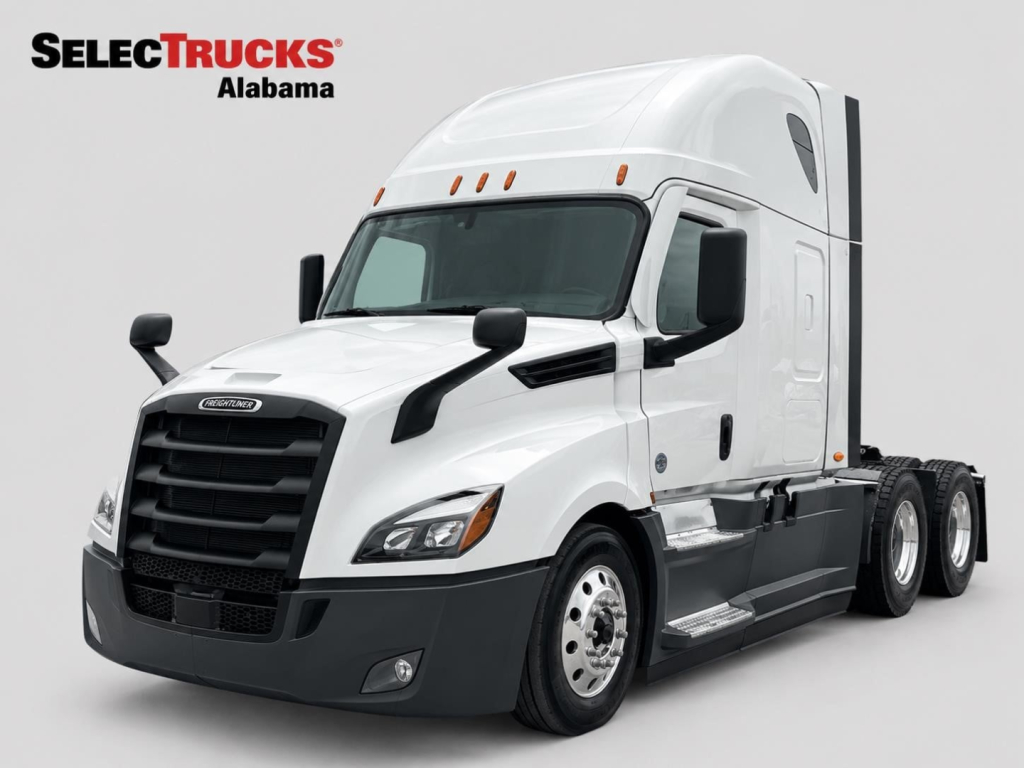
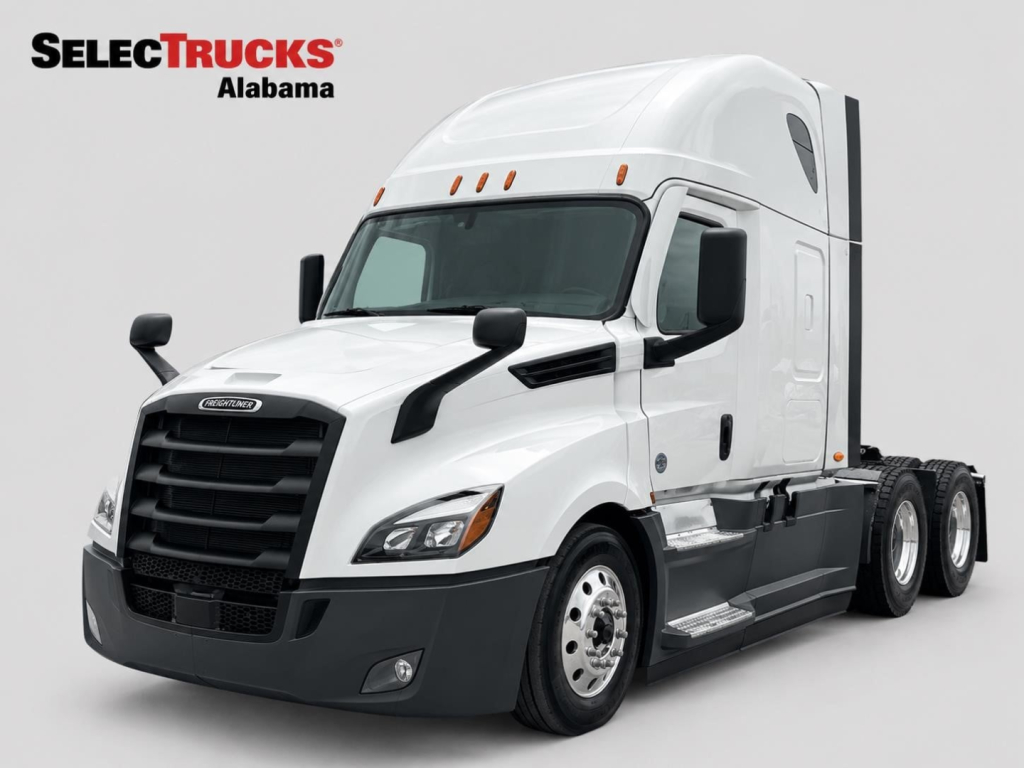
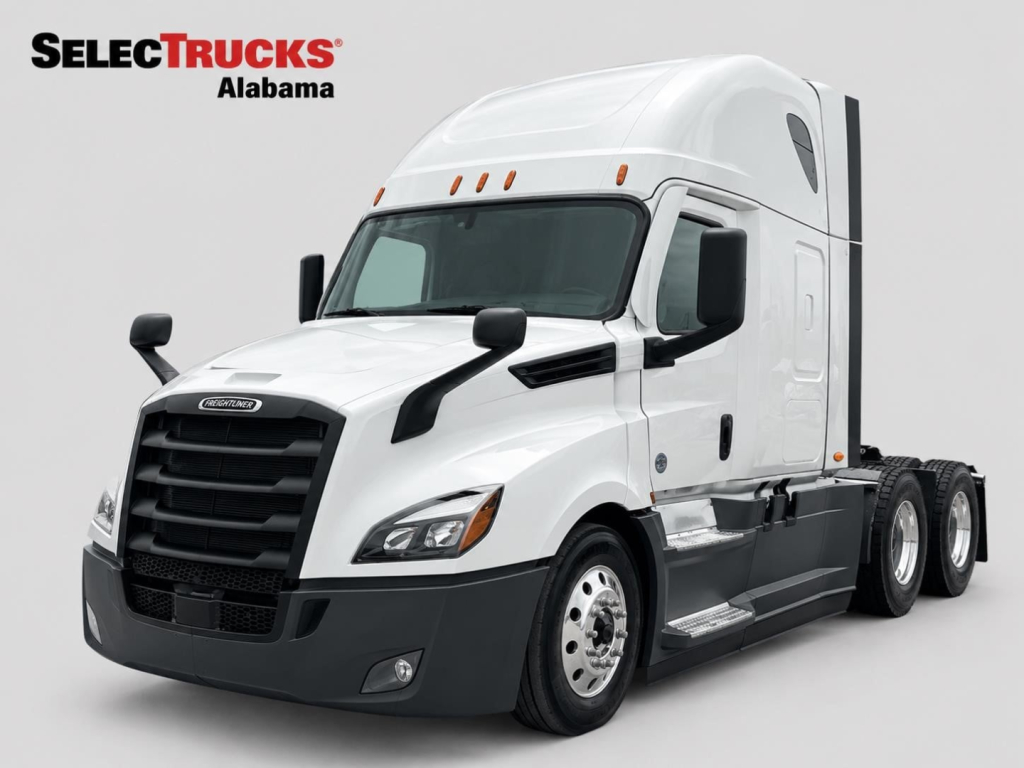
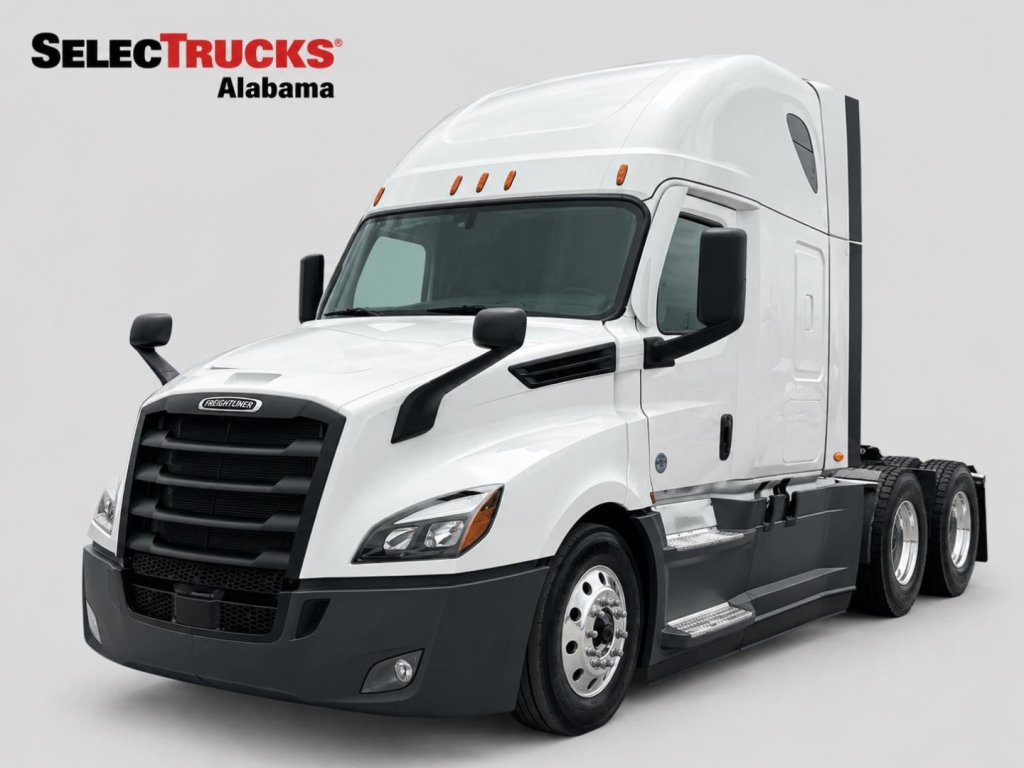
Selling a 2022 freightliner conventional sleeper truck? List your 2022 freightliner conventional sleeper truck for sale and reach thousands of commercial buyers.
2022 Freightliner Conventional Sleeper Trucks in Alabama
The sleeper configuration is one of the first decisions to sort out. Many 2022 Freightliner sleeper tractors in this class carry a 72-inch mid-roof or raised-roof sleeper, and that difference matters depending on freight mix and driver expectations. A mid-roof sleeper can be a practical fit for regional work, private fleet operations, or buyers focused on keeping weight and height in check. A raised-roof double bunk is usually the better choice for teams, longer over-the-road cycles, and fleets trying to improve driver comfort and retention. Interior layout, bunk count, storage capacity, and idle-management equipment all deserve close attention because they directly affect how usable the truck is on multi-day runs.
Rear axle ratio, suspension, and fifth wheel setup tell you a lot about the truck's intended job. A common highway spec on 2022 Cascadia sleepers is 40,000-pound rear axles on air ride with a 3.08 ratio, which points to fuel-conscious linehaul use rather than heavy vocational pulling. An air slide fifth wheel adds flexibility if trailer lengths or kingpin settings vary across accounts. PTO compatibility can also be valuable, especially for buyers planning to run hydraulic systems, wet kits, or specialized trailer applications. On used units, service history matters as much as the spec sheet. Fleet-maintained trucks can be attractive because maintenance intervals, software updates, and campaign work are more likely to have been handled consistently.
For Alabama buyers, this category fits a wide range of freight moving through I-20, I-65, I-85, and port-connected lanes across the Southeast. A 2022 Freightliner conventional sleeper can make sense for dry van, reefer, and general highway freight where aerodynamics, driver comfort, and operating cost all matter. Look closely at mileage, idle hours, emissions service records, tire condition, brake life, collision mitigation features such as Detroit Assurance, and any remaining engine or aftermarket warranty coverage. The best truck in this category is not just the lowest-mile example. It is the one with the right sleeper height, axle ratio, maintenance history, and cab configuration for the lanes you actually run.
Frequently Asked Questions about 2022 Freightliner Conventional Sleeper Trucks in Alabama
What engine and transmission are common in a 2022 Freightliner conventional sleeper?
A very common spec is the Detroit DD15 engine, often rated around 455 horsepower, paired with the Detroit DT12 automated manual transmission. This combination is popular because it balances fuel economy, highway performance, and ease of operation. It is also widely supported across Freightliner and Detroit service networks, which can simplify maintenance planning and reduce downtime.
Is a 72-inch mid-roof or raised-roof sleeper better for my operation?
A 72-inch mid-roof sleeper is usually a good fit for regional hauling, solo drivers, and fleets that want a practical highway tractor without the extra height of a raised roof. A 72-inch raised-roof sleeper, especially with a double bunk, is generally better for over-the-road use, team operations, and runs where the driver spends more nights in the truck. The right choice depends on trip length, driver preference, storage needs, and whether your freight network is primarily regional or long distance.
What does a 3.08 rear axle ratio mean on a Freightliner Cascadia sleeper?
A 3.08 rear axle ratio is typically a highway-focused spec designed to keep engine RPM lower at cruising speed. That can improve fuel economy when the truck is matched to standard van or reefer freight and typical interstate weights. It is usually less suited to severe-duty applications or operations that require frequent heavy starts, steep grades, or specialized heavy hauling.
Why does fleet maintenance history matter on a 2022 sleeper truck?
Fleet maintenance history can be a strong indicator that preventive service, inspections, and manufacturer campaigns were completed on schedule. On a late-model sleeper tractor, that matters for emissions components, transmission software updates, brake wear, suspension condition, and engine reliability. A well-documented service record often tells you more about future operating cost than mileage alone.
Are 2022 Freightliner conventional sleepers a good fit for Southeastern freight lanes?
Yes. This category is well suited for dry van, reefer, and dedicated highway freight common across Alabama and the broader Southeast. The aerodynamic Cascadia design, efficient Detroit powertrain, and widely available dealer support make these trucks practical for interstate routes, regional distribution, and long-haul contract freight where uptime and fuel cost are key buying factors.