
2026 Conventional Sleeper Trucks For Sale in Alabama
Shop 2026 conventional sleeper trucks in Alabama. Compare aero and long-hood specs, sleeper sizes, powertrains, axle ratings, and warranty options.
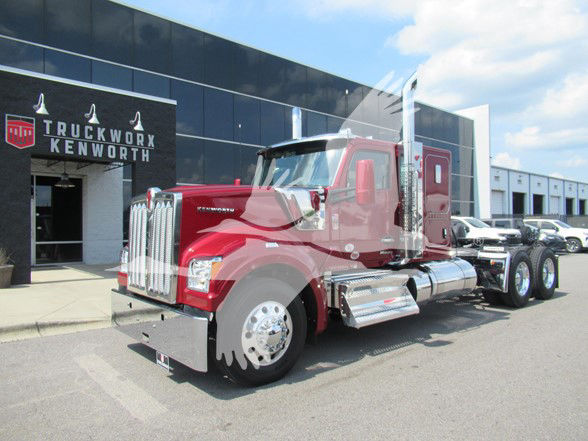
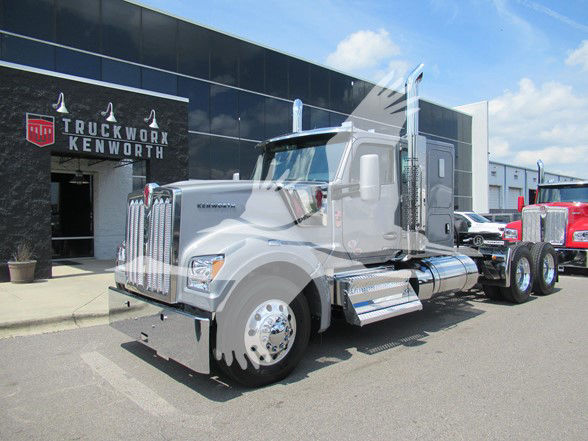
Selling a 2026 conventional sleeper truck? List your 2026 conventional sleeper truck for sale and reach thousands of commercial buyers.
2026 Conventional Sleeper Trucks in Alabama
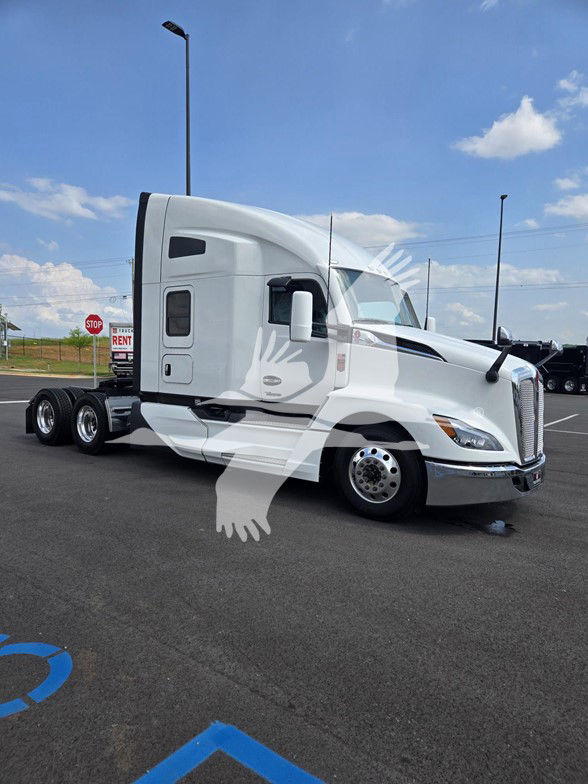
Sleeper configuration is one of the first filters to use. Mid-roof sleepers in the 60-inch to 76-inch range are common for general freight and fleet operations because they balance weight, aerodynamics, and livability. Flat-top sleepers and larger double-bunk layouts make more sense for team service, extended time out, or operators who want additional cabinet space and a more residential bunk area. Pay attention to bunk HVAC, inverter capacity, refrigerator prep, upper bunk design, and storage access from inside and outside the cab. A good sleeper spec affects retention, rest quality, and resale more than many buyers expect.
Powertrain decisions in this category usually center on engines in the 400 to 500 horsepower range, paired with automated manuals like Detroit DT12, Volvo I-Shift, or PACCAR TX-12, though 13-speed and 18-speed manuals still show up in specialized or owner-operator specs. Common engines include the Detroit DD15, Cummins X15, and Volvo D13. Rear axle ratios around 2.64 to 3.25 are typical for highway use, while heavier or more vocational-leaning applications may run deeper ratios. Look closely at axle ratings, suspension type, wheelbase, and fifth wheel position. A 40,000-pound rear axle setup on air ride is standard for many linehaul tractors, but the right kingpin setting and wheelbase still matter if you are trying to maximize bridge compliance, turning radius, or trailer gap.
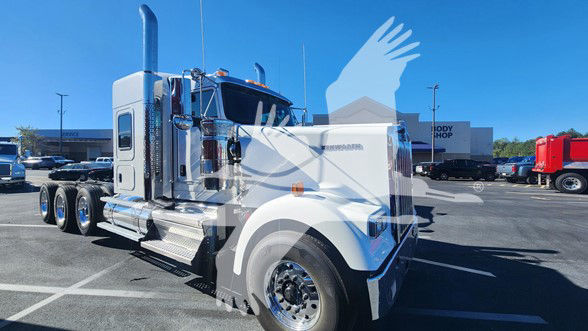
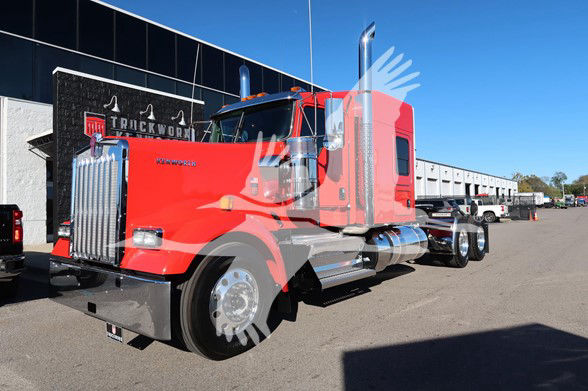
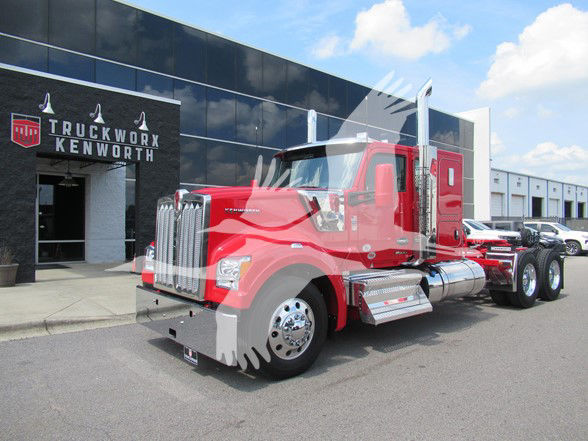
For a 2026 model year conventional sleeper, the value conversation is not only about price. It is about emissions warranty coverage, adaptive safety systems, service network strength, and the truck's fit for your freight. Buyers should verify idle reduction equipment, collision mitigation, lane departure systems, tire size, fairing condition, and any telematics or maintenance subscriptions tied to the chassis. If the truck will spend most of its life on I-65, I-20, or port-related freight lanes through the Southeast, an aerodynamic sleeper with an efficient driveline may pencil out best. If image, heavy-haul flexibility, or a manual transmission are higher priorities, a traditional long-hood conventional sleeper may be the better match. The best 2026 conventional sleeper truck is the one whose cab, bunk, drivetrain, and axle spec align with your lanes and maintenance plan.
Frequently Asked Questions about 2026 Conventional Sleeper Trucks in Alabama
What is a conventional sleeper truck?
A conventional sleeper truck is a road tractor with the engine mounted ahead of the cab and an integrated sleeping compartment behind the seats. It is also called a sleeper semi tractor or sleeper cab truck. This design is the standard choice for long-haul and regional operations because it combines highway ride quality, service access, and off-duty accommodations for the driver.
What sleeper size is best for long-haul use?
For most long-haul solo operators, a mid-roof sleeper in the 72-inch to 76-inch range is a practical balance of space, weight, and aerodynamics. Team operations or drivers staying out for longer stretches may prefer larger sleepers with double bunks, added cabinetry, and more standing room. The right choice depends on time away from home, storage needs, and how important fuel economy is to the operation.
Which powertrain is common in 2026 conventional sleeper trucks?
Most 2026 conventional sleeper trucks are spec'd with 13-liter to 15-liter diesel engines and horsepower ratings around 400 to 500. Common pairings include the Detroit DD15 with DT12, Volvo D13 with I-Shift, and Cummins X15 with automated or manual transmissions. Buyers should match horsepower, transmission type, and rear axle ratio to average gross weight, cruise speed, and terrain rather than choosing by engine brand alone.
Are aerodynamic sleeper trucks better than long-hood conventional sleepers?
Aerodynamic sleeper trucks usually deliver better fuel economy, quieter highway operation, and lower drag at interstate speeds. Long-hood conventional sleepers typically appeal to buyers who want a classic appearance, easier engine access, or a heavier-duty spec with manual transmission options. Neither is automatically better. The better truck is the one that matches your route profile, weight demands, maintenance preferences, and resale goals.
What should buyers inspect on a conventional sleeper truck?
Key inspection points include engine and aftertreatment warranty status, sleeper HVAC operation, bunk condition, transmission calibration, axle and suspension ratings, tire wear, fairings, fifth wheel wear, and active fault codes. It is also smart to confirm kingpin setting compatibility with your trailers, check for collision mitigation and lane departure features, and review maintenance records for emissions components, clutch wear, and software updates. These details affect uptime and operating cost more than cosmetic condition alone.