
2026 Kenworth Conventional Sleeper Trucks For Sale in Alabama
Shop 2026 Kenworth conventional sleeper trucks in Alabama. Compare W990 and W900L specs, sleeper sizes, powertrains, and application fit.
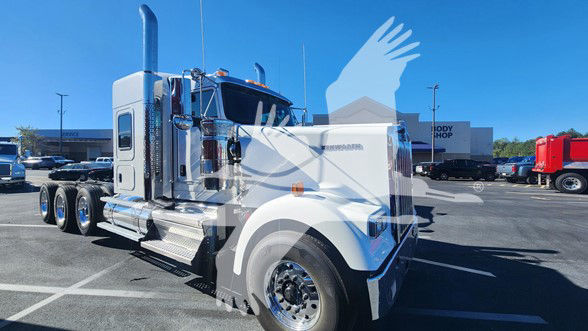
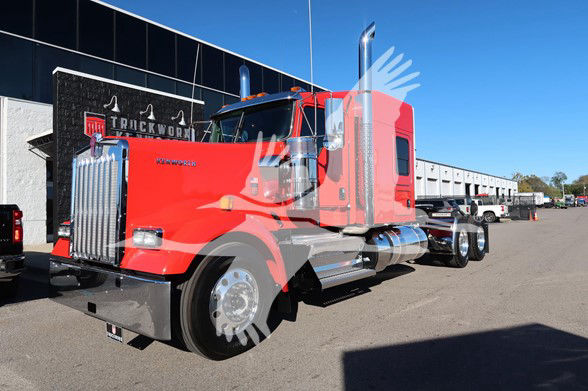
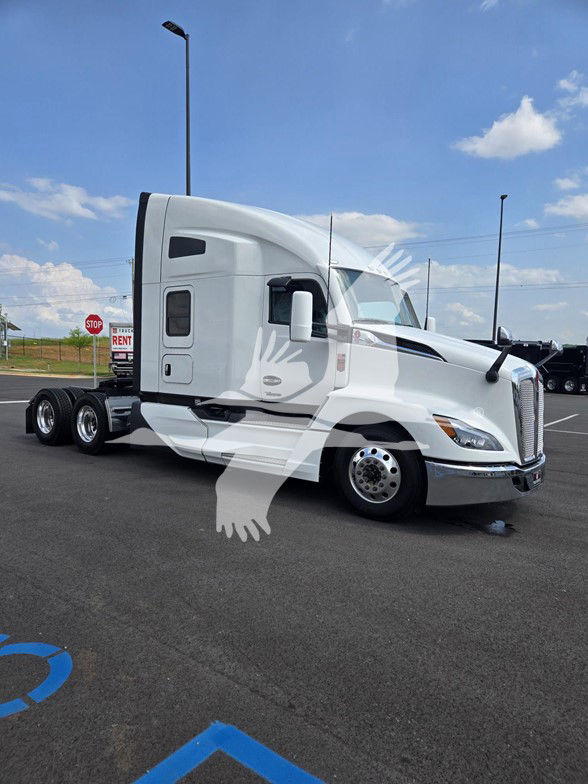
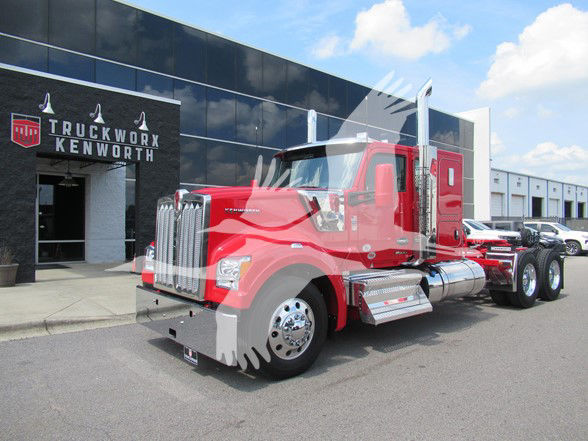
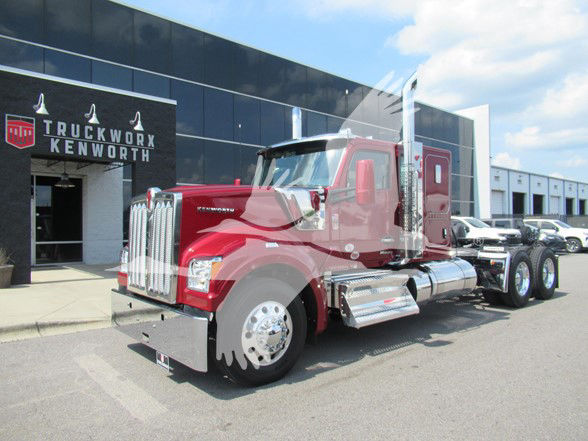
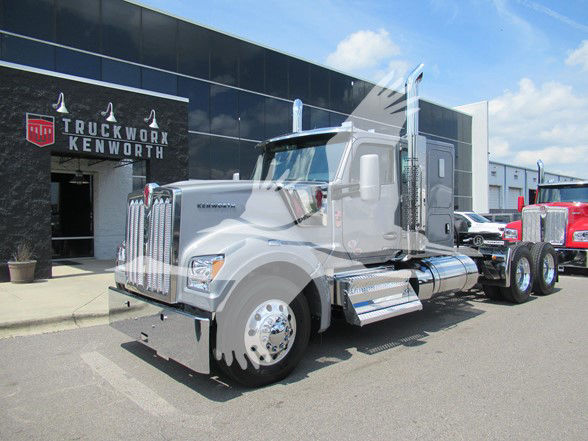
Selling a 2026 kenworth conventional sleeper truck? List your 2026 kenworth conventional sleeper truck for sale and reach thousands of commercial buyers.
2026 Kenworth Conventional Sleeper Trucks in Alabama
The first decision is usually wheelbase, sleeper length, and front axle set-back or set-forward layout. Common sleeper configurations include mid-roof and flat-top sleepers in lengths such as 52-inch, 62-inch, and 72-inch, depending on the model and intended use. A 52-inch flat-top can make sense for shorter regional runs or weight-sensitive operations, while a 72-inch sleeper gives more room for teams or extended OTR time. Wheelbase affects bridge laws, trailer gap, ride, and maneuverability, so buyers should match chassis length to trailer type and lane access, not just appearance. If the truck will be paired with a lowboy, hopper, or spread-axle flatbed, axle placement and usable frame space matter as much as sleeper size.
Powertrain specs in this class commonly center on Cummins X15 ratings paired with manual or automated transmissions, with 13-speed and 18-speed setups remaining popular in long-hood Kenworths. Higher horsepower and torque ratings are common in heavy haul, lowboy, and mountain applications, while more moderate ratings can be a better fit for general freight and fuel control. Rear axle ratio, suspension choice, and GCWR should be reviewed together because a strong engine alone does not tell you how the truck will start, hold road speed, or handle gross weight. Buyers comparing 2026 trucks should also look closely at emissions package access, cooling capacity, PTO needs, frame ratings, and front axle capacity, especially if a wet kit, headache rack, or heavy front-mounted equipment is part of the plan.
Cab layout and driver environment still matter in this category because conventional sleeper trucks are often bought to stay in service a long time. Kenworth buyers tend to pay close attention to interior storage, bunk configuration, gauge layout, visibility over the hood, and how easy the truck is to service. For resale, classic long-hood Kenworth models usually draw steady interest when the spec is right, particularly when the drivetrain, sleeper size, and wheelbase match a known freight niche. A buyer should compare not just year and model, but the full operating spec: engine rating, transmission, axle capacity, suspension, sleeper type, wheelbase, and intended trailer. That is what determines whether a conventional sleeper is a highway cruiser, a heavy-spec work truck, or a truck that looks right but does not fit the job.
Frequently Asked Questions about 2026 Kenworth Conventional Sleeper Trucks in Alabama
What is the difference between a Kenworth W990 and W900L in the conventional sleeper category?
The W990 and W900L are both long-hood Kenworth conventional sleeper trucks, but they typically appeal to slightly different buyers. The W900L is known for its traditional styling and long wheelbase presence, while the W990 generally offers a newer platform feel with modern integration and updated interior and dash layouts. The best choice comes down to application, preferred cab design, wheelbase needs, and how important classic styling is versus newer truck architecture.
What sleeper size is best for a 2026 Kenworth conventional sleeper truck?
Sleeper size should match run length, driver schedule, and payload priorities. A 52-inch sleeper is commonly used for regional work or operations that need a compact overall length. A 62-inch or 72-inch sleeper is usually better for over-the-road work, team driving, or any operation where the driver spends multiple nights in the truck. Larger sleepers improve livability, but they also affect wheelbase, weight, trailer clearance, and maneuverability.
What engine and transmission specs are common in Kenworth conventional sleepers?
Many Kenworth conventional sleeper trucks are spec'd with Cummins X15 engines and either 13-speed or 18-speed transmissions, depending on the job. A 13-speed often fits general highway freight and mixed terrain well, while an 18-speed is more common in heavy haul, lowboy, logging, or steep-grade service where precise ratio control matters. The right spec depends on gross weight, terrain, startability, rear axle ratio, and whether the truck is expected to pull specialized trailers.
Are conventional sleeper trucks a good fit for heavy haul or specialized work?
Yes, many conventional sleeper trucks are well suited for heavy haul and specialized applications when they are built with the right frame, axle, suspension, and drivetrain package. A sleeper-equipped long-hood Kenworth can be a strong choice for lowboy work, machinery transport, and triaxle setups because buyers can spec higher horsepower, heavier front axles, double frame options, and 18-speed transmissions. The key is verifying that the truck is configured for the actual load and trailer rather than assuming every sleeper truck is a heavy-haul spec.
What should buyers in Alabama pay attention to when shopping for a Kenworth sleeper truck?
In Alabama, buyers often need a truck that can handle interstate miles, hot weather, and mixed applications that may include port, forestry, construction, or machinery hauling. Cooling performance, axle ratings, suspension spec, and wheelbase are important because the truck may need to transition between highway use and tighter jobsite access. Buyers should also consider how the truck's powertrain and sleeper setup fit their route length, terrain, and trailer combination, since regional needs can differ significantly from a pure long-haul spec.