
2026 Kenworth Conventional Sleeper Trucks For Sale
Shop 2026 Kenworth conventional sleeper trucks built for long-haul comfort, fuel efficiency, and premium highway tractor performance.
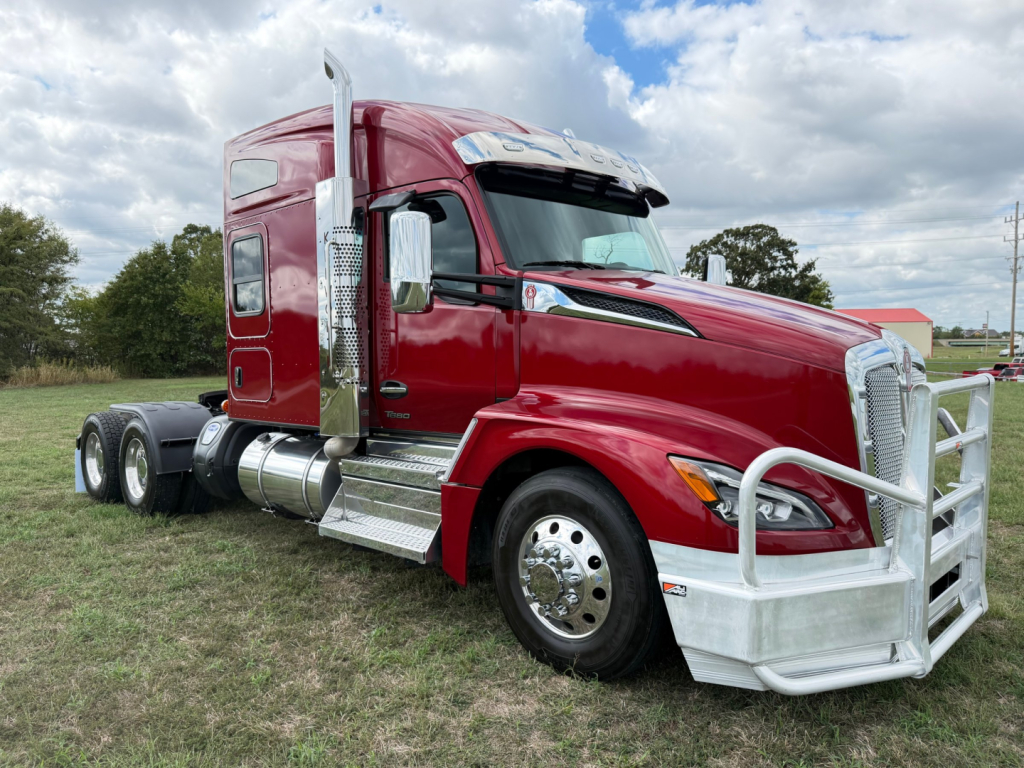
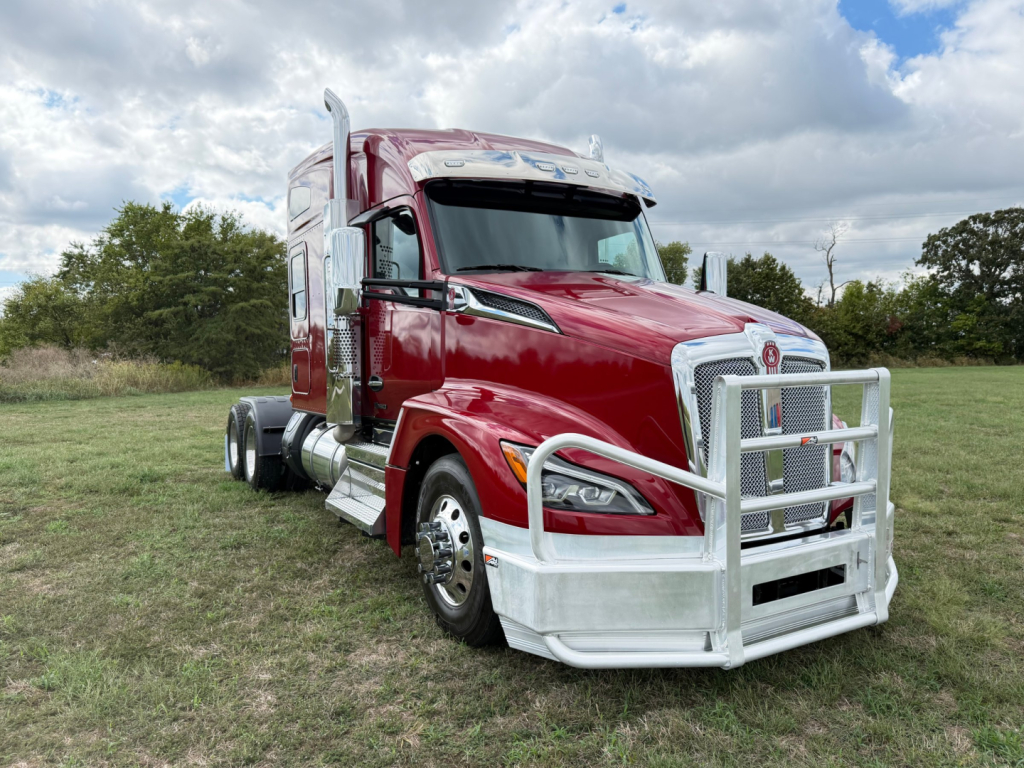
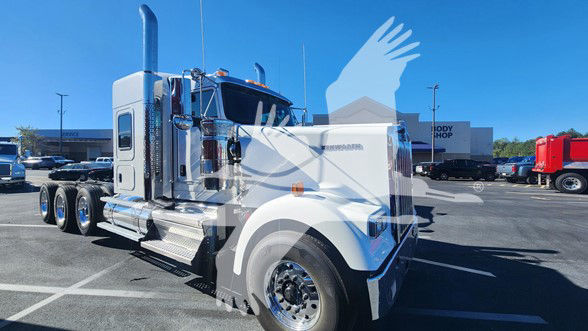
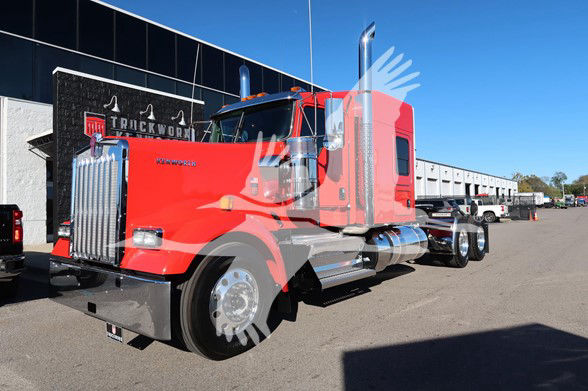
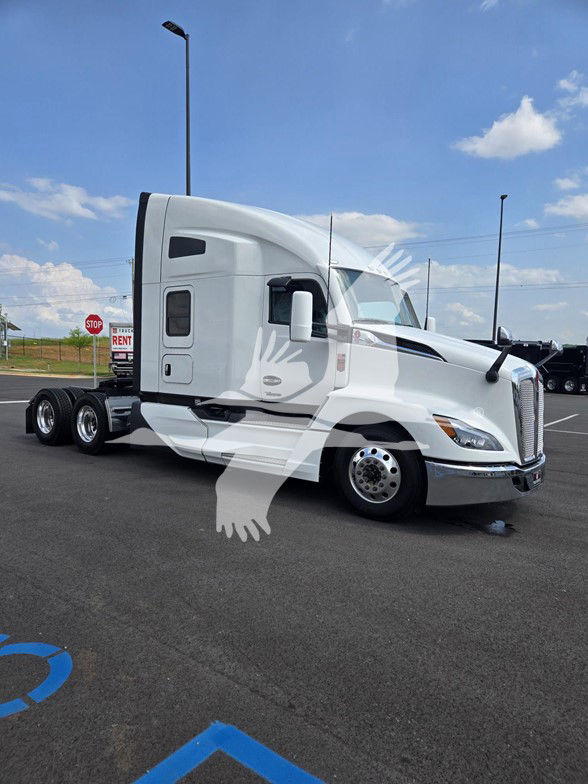
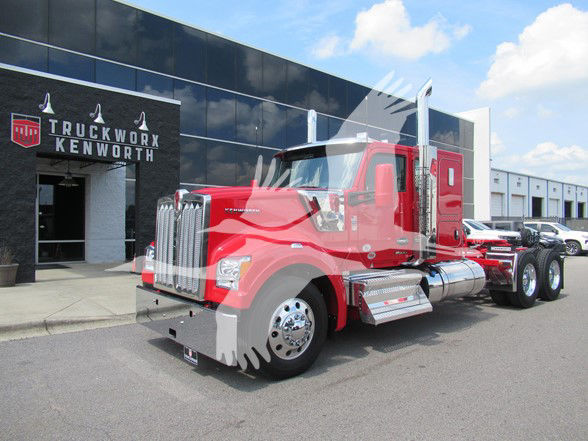
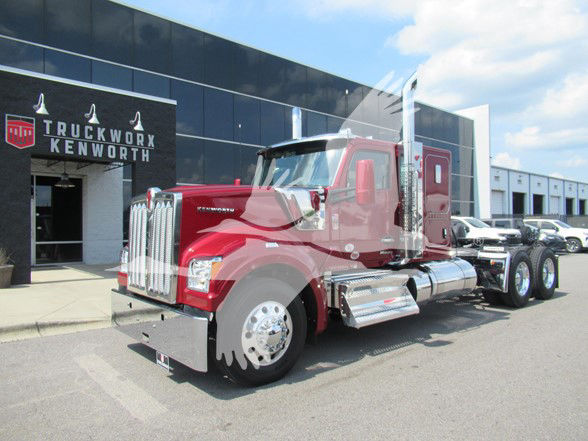
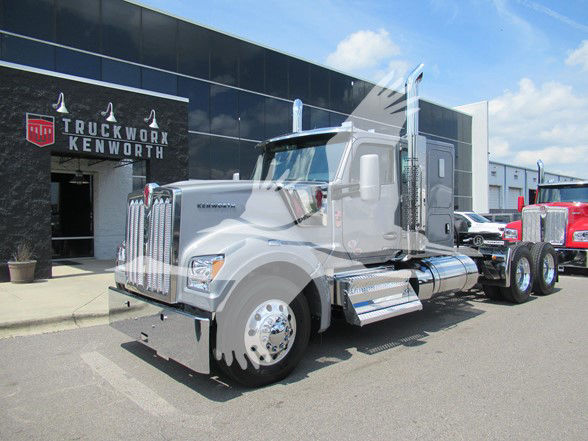
Selling a 2026 kenworth conventional sleeper truck? List your 2026 kenworth conventional sleeper truck for sale and reach thousands of commercial buyers.
2026 Kenworth Conventional Sleeper Trucks
The biggest buying decision is usually sleeper configuration and powertrain. Kenworth conventional sleeper trucks commonly appear with 76-inch high-roof sleepers, though larger studio-style sleepers may be found on some long-hood setups. Engine choices in this class typically center on the Cummins X15, often in ratings around 450 to 565 horsepower depending on intended gross weight, terrain, and duty cycle. Automated manual transmissions such as the Eaton Endurant are common in fuel-conscious fleet spec trucks, while some buyers still prefer manual gearboxes for vocational crossover use or driver preference. Rear axle ratings around 40,000 pounds, ratios such as 2.64 or 3.36, wheelbases in the 230 to 250 inch range, and full air ride suspensions are all normal spec points that affect pull, cruise RPM, ride quality, and trailer compatibility.
A buyer looking at a 2026 Kenworth sleeper should pay attention to the operating profile more than the badge alone. For high-mileage van, reefer, and dedicated lane work, an aerodynamic spec with side fairings, cab extenders, low-profile 22.5 tires, disc brakes, collision mitigation, and an air-slide fifth wheel usually makes the most sense. For heavier freight, mountain operation, or an owner-operator image-driven spec, a longer wheelbase, higher horsepower setting, deeper rear ratio, and premium interior trim may be worth the tradeoff in fuel burn. Interior details matter in this category because the truck doubles as a workspace and living space. Bunk heaters, upper bunks, digital dash layouts, storage design, HVAC performance, and seat and steering adjustability all affect driver retention and time on the road.
Kenworth conventional sleeper trucks are also known as highway tractors or sleeper semis, and they tend to hold strong appeal because they balance durability with driver-friendly design. Buyers comparing listings should look past model year and focus on sleeper size, emissions package, engine brake spec, transmission type, suspension, brake system, and axle ratio. Those details determine how the truck will perform under load, how comfortable it will be on a week-long run, and how well it fits the freight network it is expected to serve.
Frequently Asked Questions about 2026 Kenworth Conventional Sleeper Trucks
What is the difference between a Kenworth T680 sleeper and a Kenworth W900 sleeper?
The T680 sleeper is Kenworth's aerodynamic highway tractor, built to reduce drag and improve fuel economy on long interstate runs. It is commonly chosen by fleets and owner-operators focused on lower cost per mile, modern safety systems, and a quieter, more efficient cab. The W900 sleeper is a long-hood conventional that emphasizes classic styling, strong resale appeal, and easy engine access, and it is often preferred by buyers who value appearance, custom spec flexibility, or a more traditional driving experience.
What engine is most common in a Kenworth conventional sleeper truck?
The Cummins X15 is one of the most common engines in Kenworth conventional sleeper trucks, especially in over-the-road applications. It is widely used because it offers a broad range of horsepower and torque ratings, strong parts support, and proven performance in long-haul service. Buyers should still verify the exact horsepower, torque rating, emissions configuration, and maintenance history because two trucks with the same engine family can be spec'd very differently for fuel economy, heavy haul work, or regional service.
What sleeper size is typical on a Kenworth conventional sleeper?
A 76-inch high-roof sleeper is one of the most common setups in this category because it gives drivers stand-up room, enough storage for extended trips, and space for a lower bunk with an optional upper bunk. Some trucks, especially premium owner-operator or long-hood models, may have larger studio-style sleepers with added living space. The right sleeper size depends on trip length, solo versus team operation, and how much onboard storage and comfort the driver needs.
Which specs matter most when buying a 2026 Kenworth sleeper truck?
The most important specs are the engine rating, transmission type, rear axle ratio, wheelbase, sleeper size, brake system, and suspension. These directly affect fuel economy, pulling power, maneuverability, ride quality, and driver comfort. Buyers should also check for safety and convenience features such as collision mitigation, engine brake, disc brakes, digital dash controls, bunk heater, and air-slide fifth wheel because those options can materially change both operating performance and driver satisfaction.
Is an aerodynamic Kenworth sleeper better for fuel economy?
Yes, in most linehaul applications an aerodynamic Kenworth sleeper will outperform a traditional long-hood truck on fuel economy. Features such as integrated fairings, cab extenders, streamlined mirrors, and optimized chassis design reduce wind resistance at highway speeds, where fuel burn is heavily influenced by drag. That said, final fuel efficiency still depends on axle ratio, cruise speed, terrain, trailer type, gross weight, and how the engine and transmission are matched.