
Freightliner Conventional Sleeper Trucks For Sale in Alabama
Browse Freightliner conventional sleeper trucks for sale, including Cascadia specs, sleeper sizes, DD15 power, DT12 transmissions, and buyer tips.
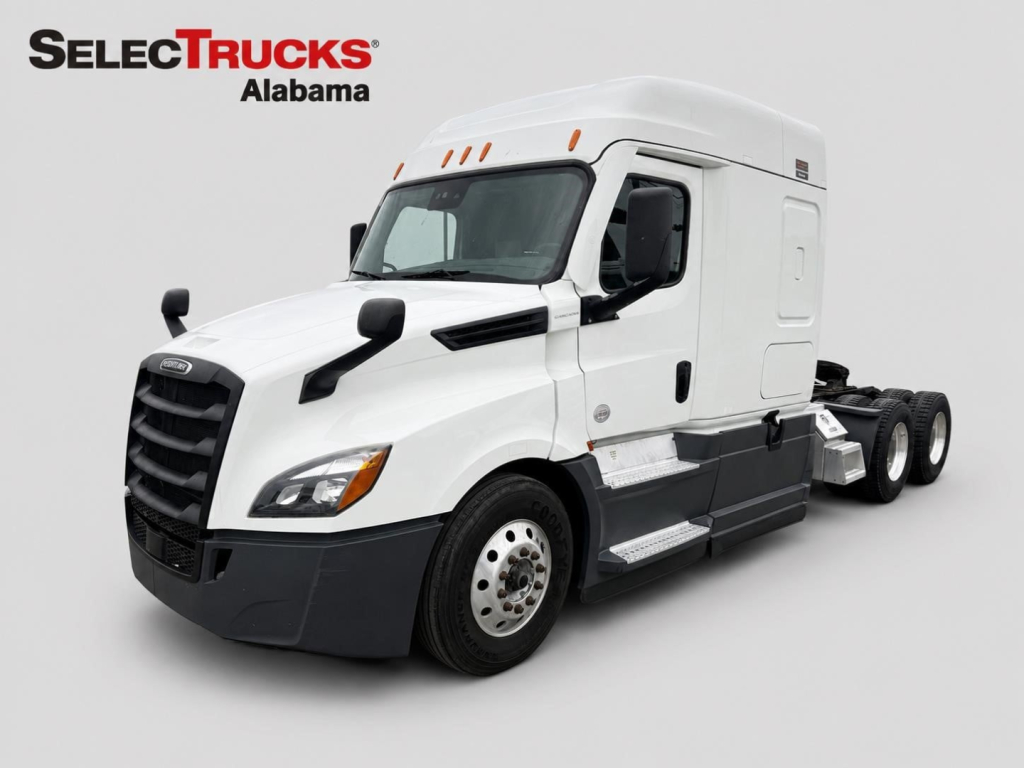
Selling a freightliner conventional sleeper truck? List your freightliner conventional sleeper truck for sale and reach thousands of commercial buyers.
Freightliner Conventional Sleeper Trucks in Alabama
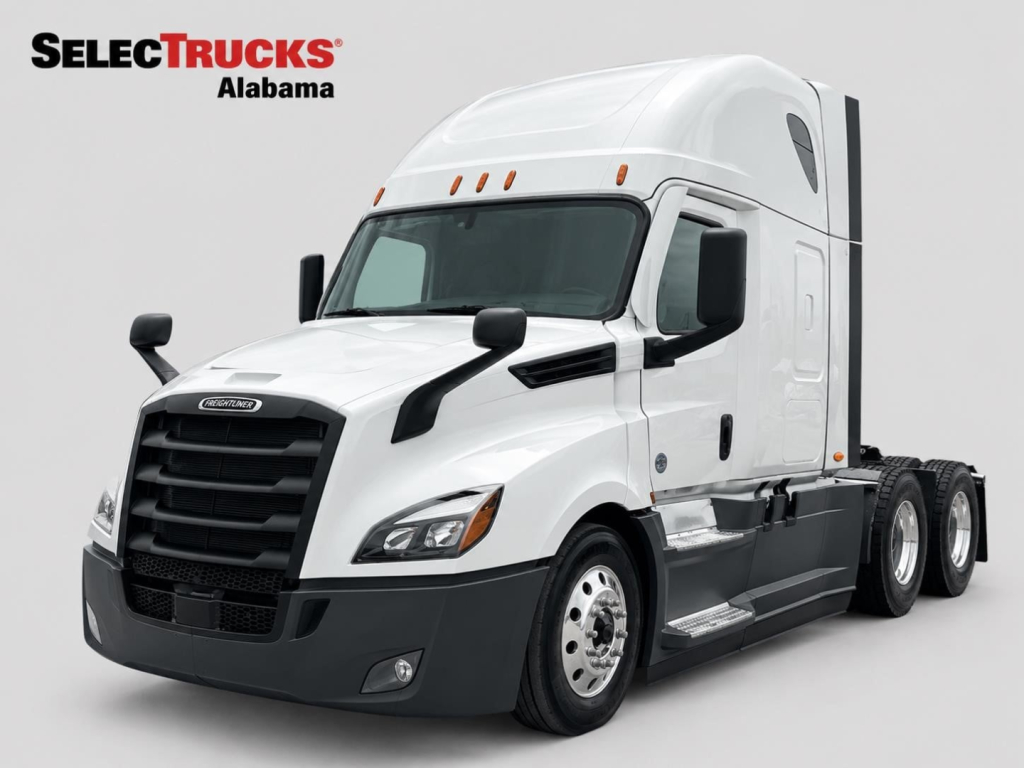
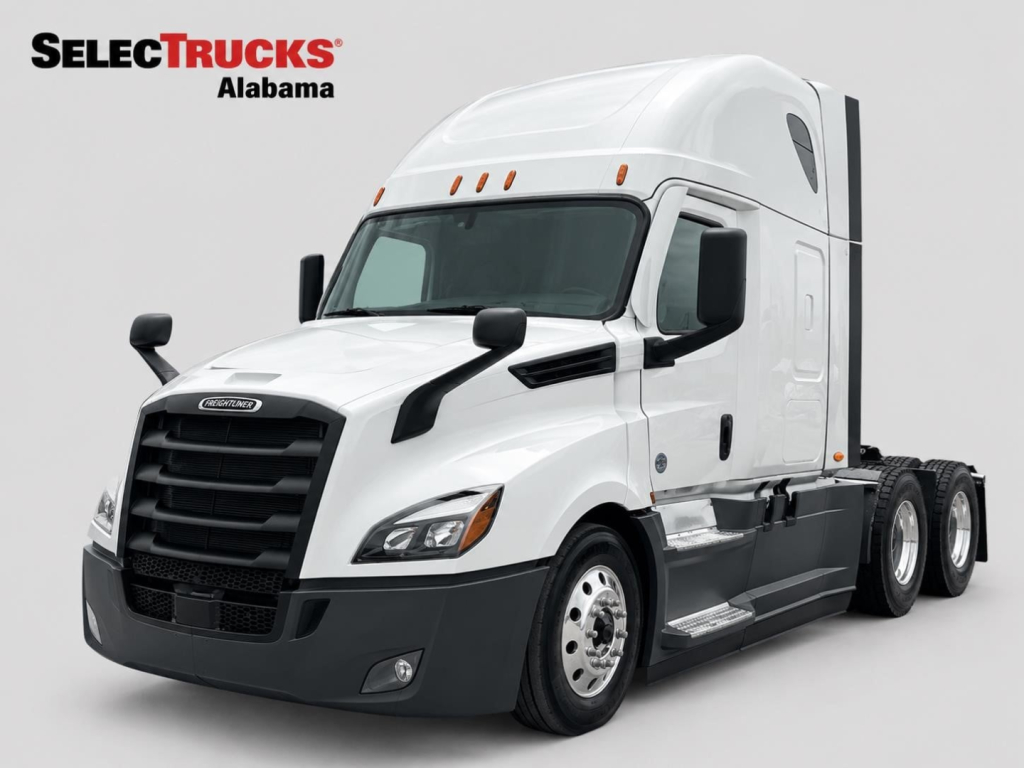
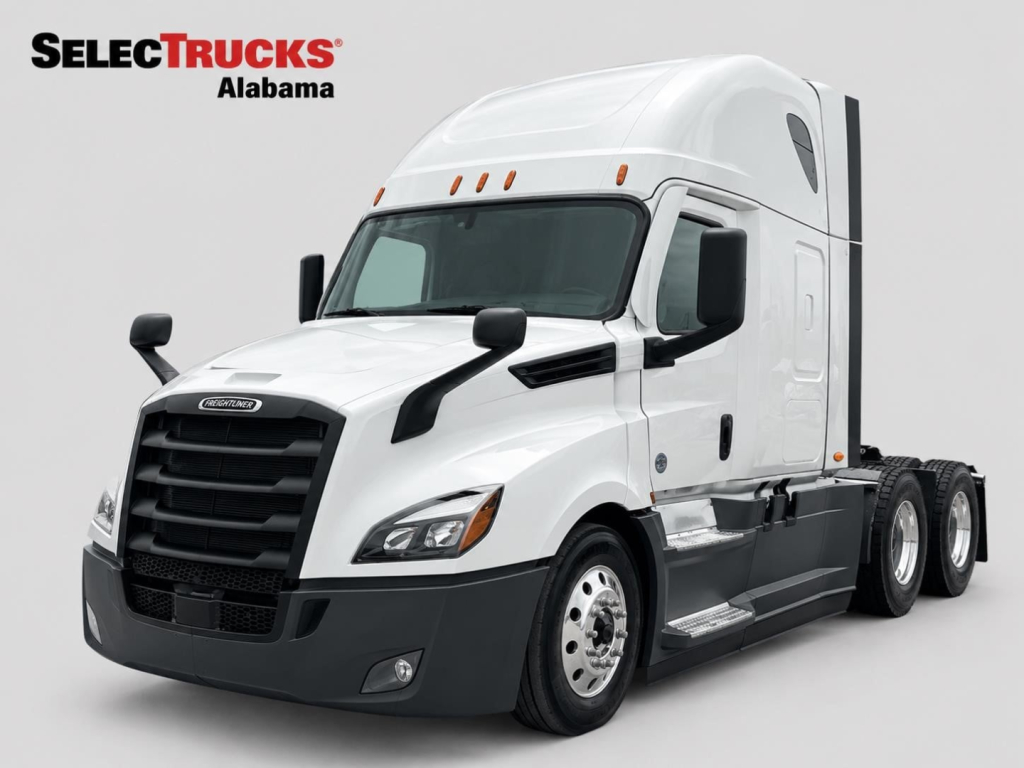
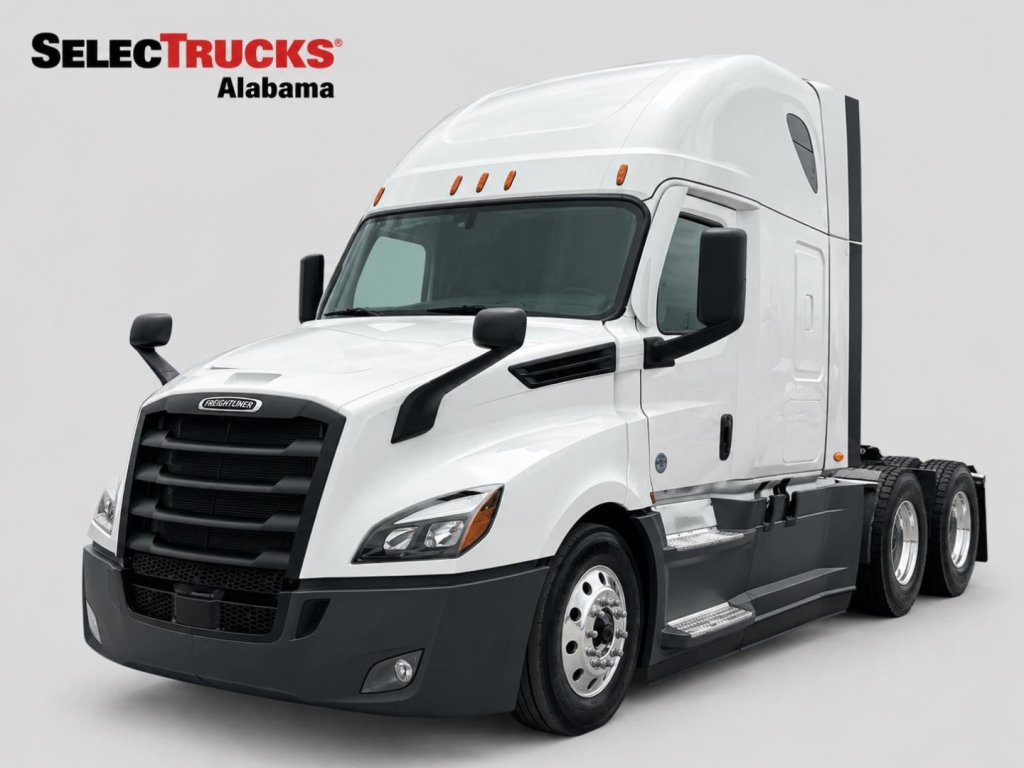
The first spec decision is usually the sleeper layout. A 72-inch mid-roof sleeper is a practical fit for solo operators who want lower overall height, reduced weight, and good living space without stepping up to a full condo-style cab. A raised-roof sleeper adds standing room and typically makes more sense for longer runs or team driving, especially when equipped with a double bunk. Buyers should also compare wheelbase, fuel capacity, and fifth wheel type. Sliding fifth wheels add flexibility for load distribution and trailer interchange, while a 200-gallon fuel setup is common for longer-range work without constant fuel stops.
On the powertrain side, Freightliner sleeper trucks are frequently spec'd with the Detroit DD15 and Detroit DT12 automated manual transmission. That combination is popular because it delivers strong highway manners, broad parts and service support, and fuel-efficient cruising when matched with the right rear axle ratio. Ratios such as 3.08 are common for balanced performance, while faster ratios may be selected to maximize fuel economy on steady interstate lanes. Most conventional sleepers in this class run 40,000-pound rear axles, air ride suspension, and aluminum wheels. Buyers should also look for collision mitigation systems such as Detroit Assurance, PTO compatibility if auxiliary equipment may be added later, and maintenance history that shows consistent fleet-level service intervals.
For Alabama buyers, heat management, idle strategy, and road-speed gearing deserve extra attention. A sleeper truck working humid southern lanes benefits from a well-maintained HVAC system, clean cooling package, and a spec that supports efficient interstate operation on I-65, I-20, and I-10 corridors. A used Freightliner conventional sleeper should be evaluated for emissions system history, transmission calibration updates, bunk condition, tire wear pattern, and kingpin-to-rear-axle setup if trailer mix varies. The best truck in this category is not just the newest one. It is the one with the right sleeper configuration, axle ratio, safety package, and maintenance record for the freight it will actually pull.
Frequently Asked Questions about Freightliner Conventional Sleeper Trucks in Alabama
What is the most common Freightliner conventional sleeper truck model?
The Freightliner Cascadia is the most common conventional sleeper truck in this category. It is widely used in long-haul and regional service because it combines aerodynamic design, broad dealer support, and proven Detroit powertrain options. Buyers often find it in 6x4 tandem axle form with a 72-inch sleeper, making it a versatile spec for van, reefer, and general freight applications.
Should I choose a mid-roof or raised-roof Freightliner sleeper?
A mid-roof sleeper usually fits solo over-the-road and regional operators who want good bunk space with lower height and slightly less weight. A raised-roof sleeper is better for longer trips, team driving, and drivers who prioritize interior room and storage. If the truck will stay out for extended periods or run team freight, the added headroom and common double-bunk layout of a raised roof often justify the choice.
Is the Detroit DD15 and DT12 a good combination in a Freightliner sleeper truck?
Yes. The Detroit DD15 paired with the DT12 automated manual transmission is one of the most common and well-regarded setups in Freightliner sleeper trucks. It offers a strong mix of horsepower, drivability, fuel economy, and service network support. It is especially effective in highway applications when paired with the correct rear axle ratio for the intended average load and road speed.
What specs matter most when buying a used Freightliner conventional sleeper?
The most important specs are sleeper size, engine and transmission combination, rear axle ratio, rear axle capacity, suspension type, wheelbase, and fuel capacity. Beyond the build sheet, buyers should pay close attention to maintenance records, emissions system repairs, software updates, tire wear, fifth wheel condition, and signs of consistent fleet servicing. These factors often matter more to total operating cost than appearance alone.
Are Freightliner conventional sleeper trucks a good fit for Alabama freight?
Yes. Freightliner conventional sleepers are a strong fit for Alabama because they handle interstate freight efficiently and are well supported by service networks across the Southeast. Buyers running through hot and humid conditions should pay close attention to cooling system condition, HVAC performance, and overall idle strategy. For freight moving on regional and long-haul lanes, a properly spec'd Cascadia sleeper is a practical and efficient choice.