
Conventional Sleeper Trucks For Sale in Colorado
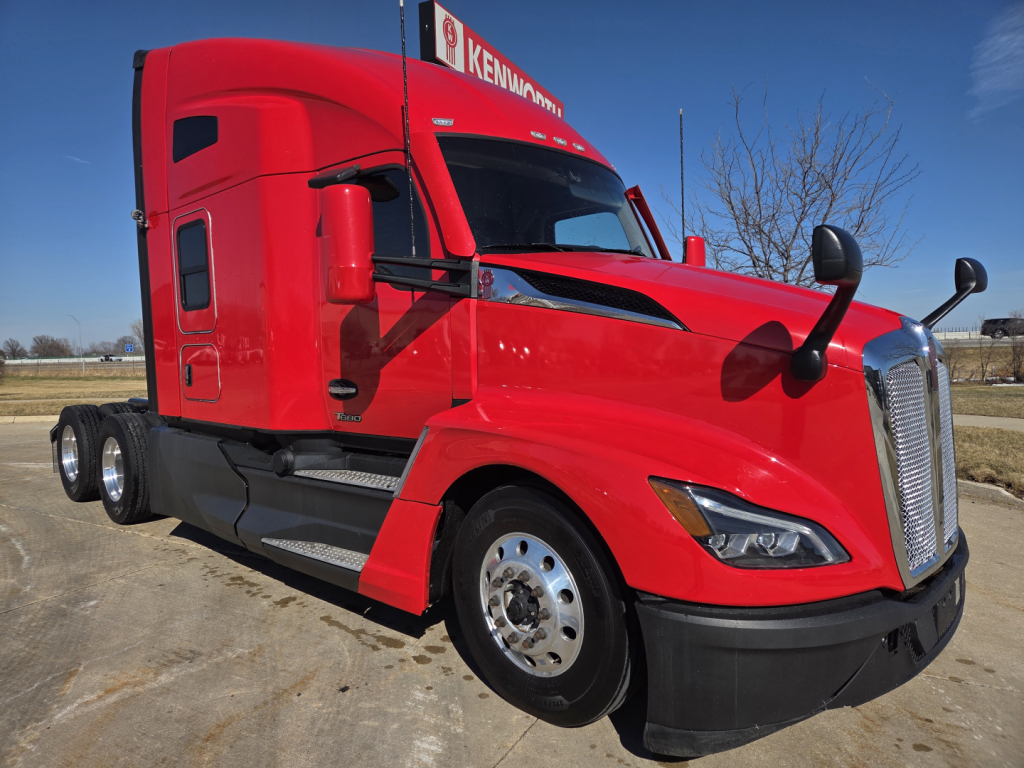
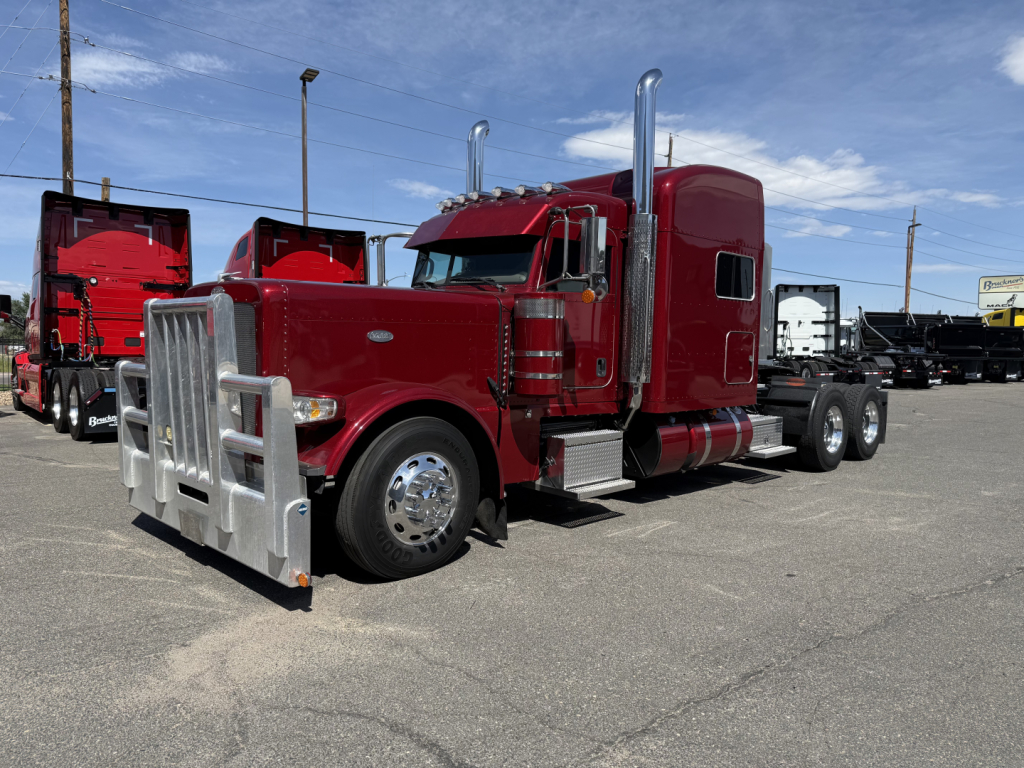
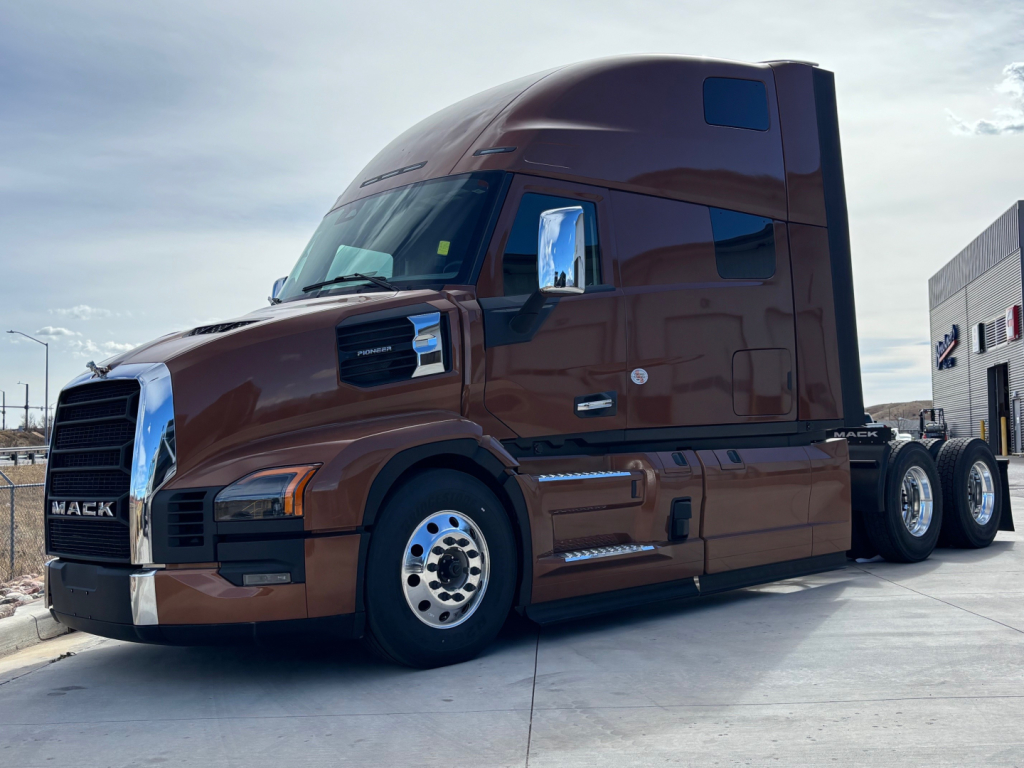
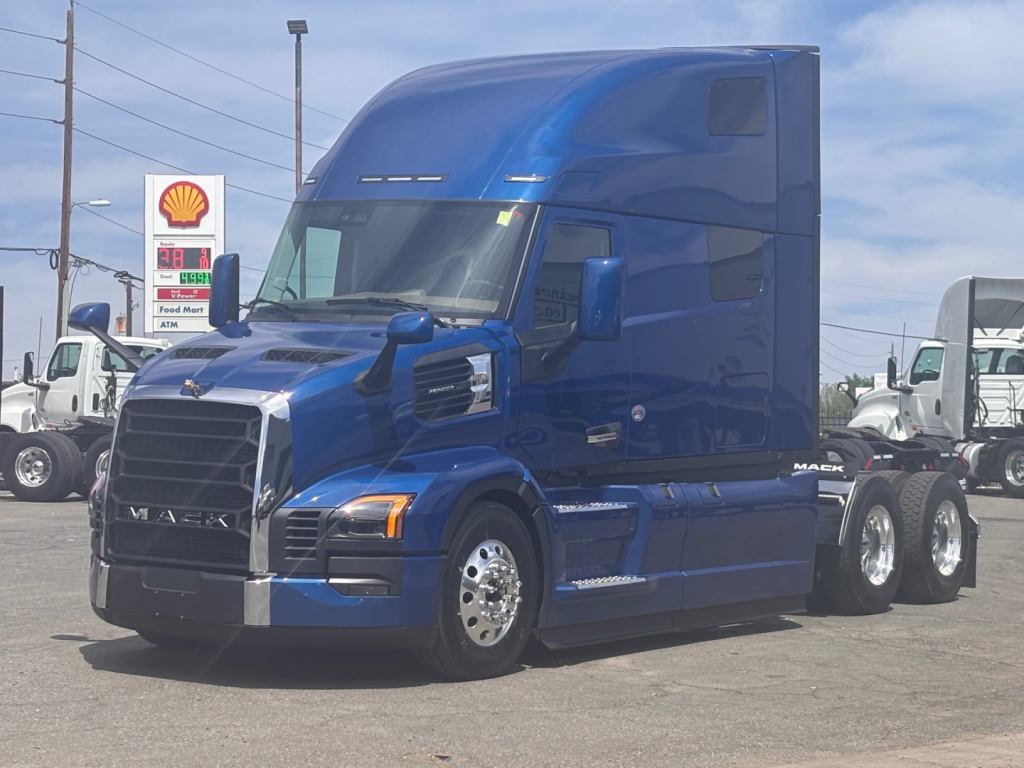
Browse conventional sleeper trucks for long-haul freight, with high-roof cabs, multiple bunk layouts, diesel power, and highway-ready specs.
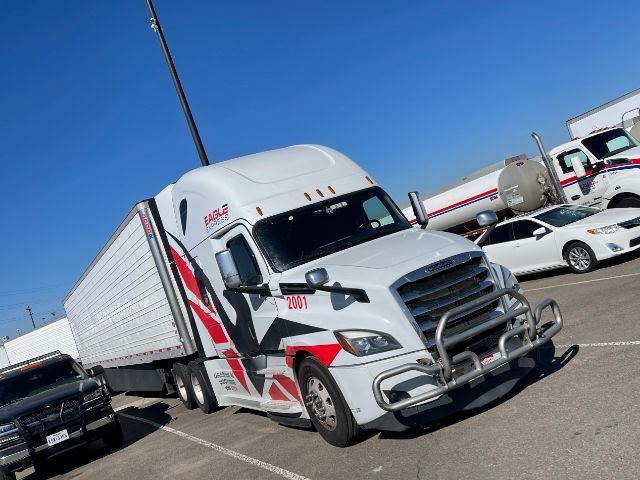
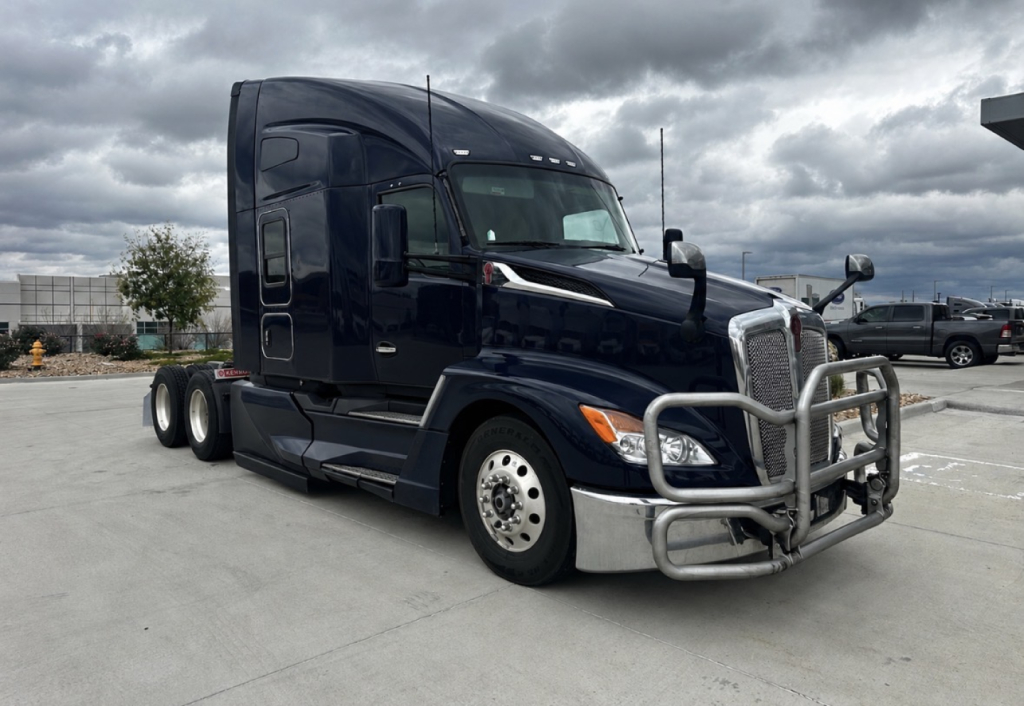
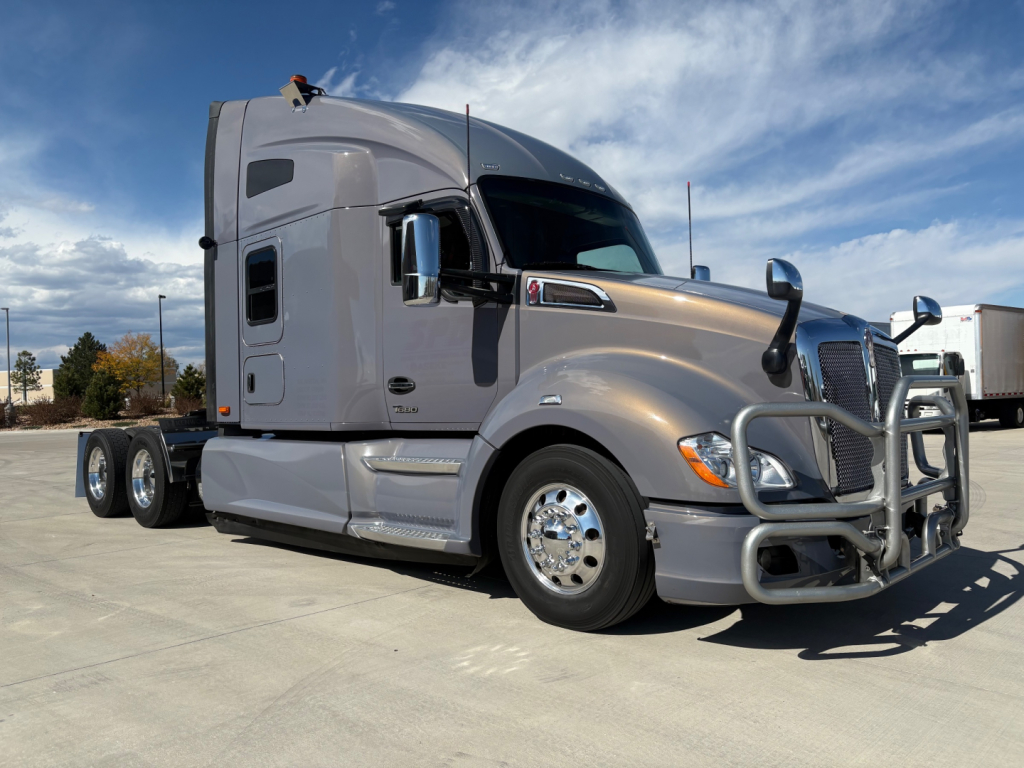
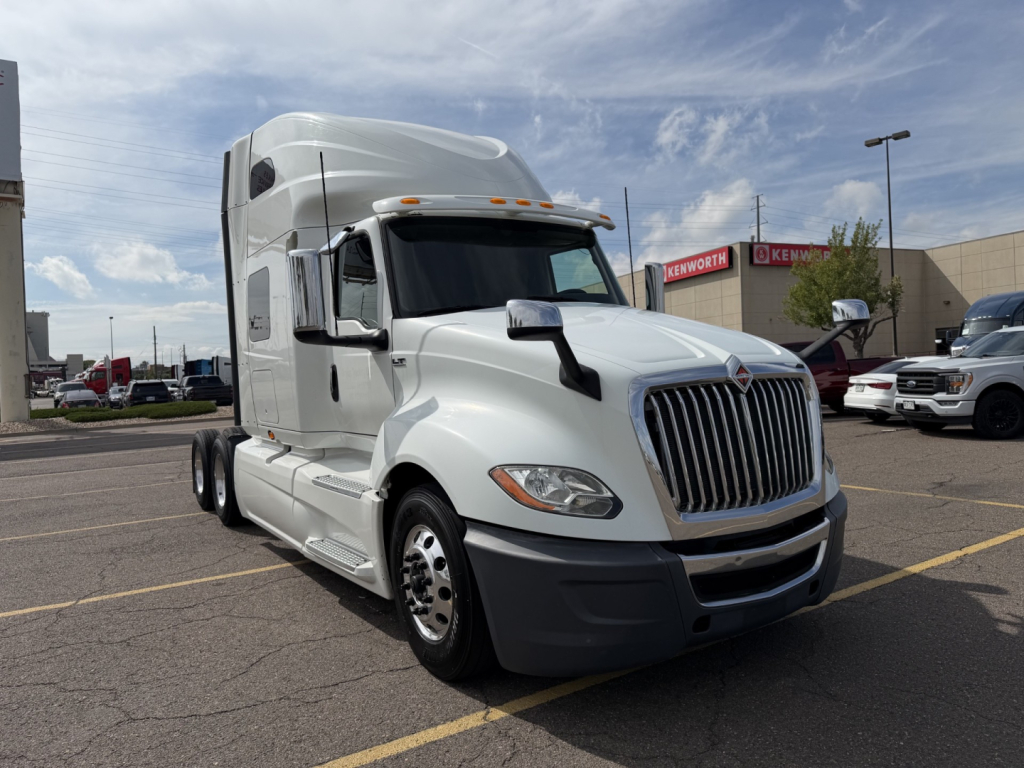
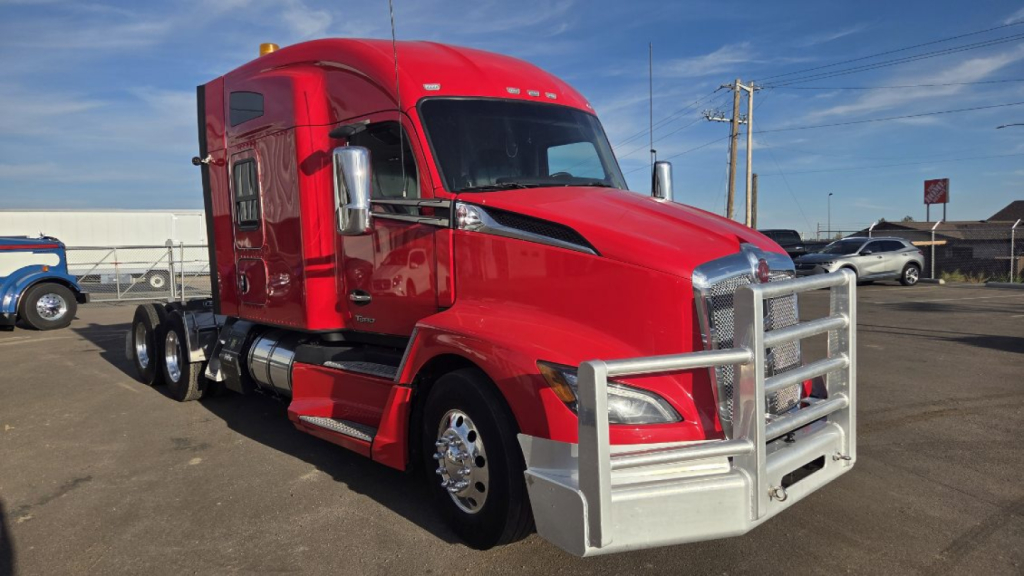
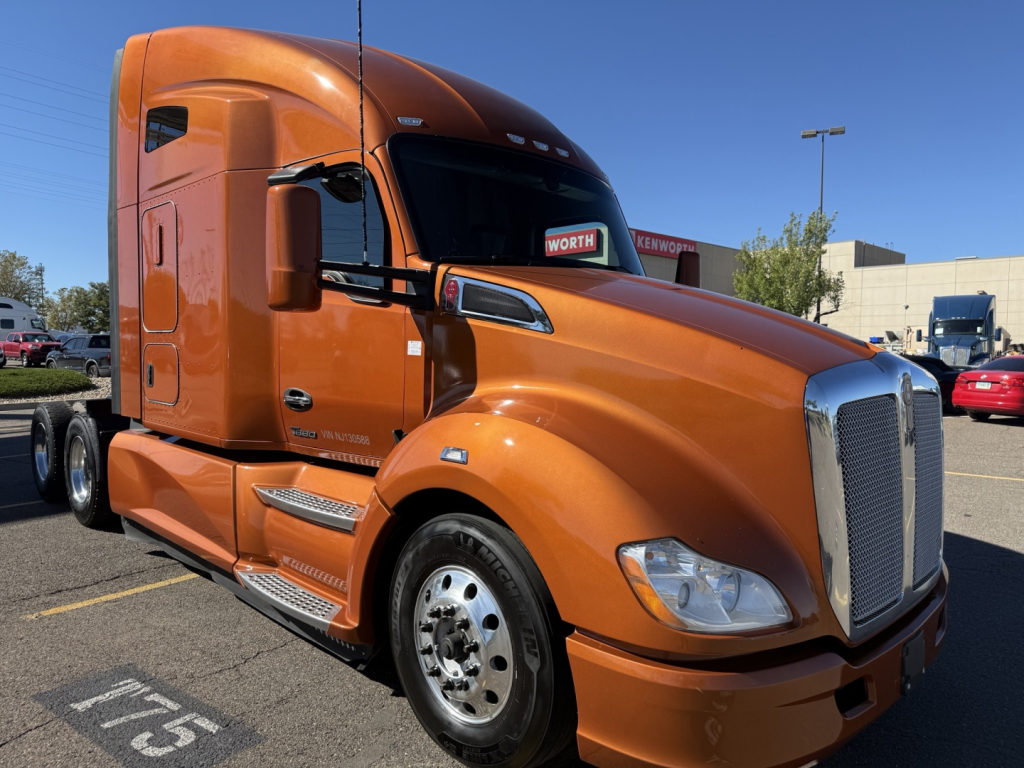
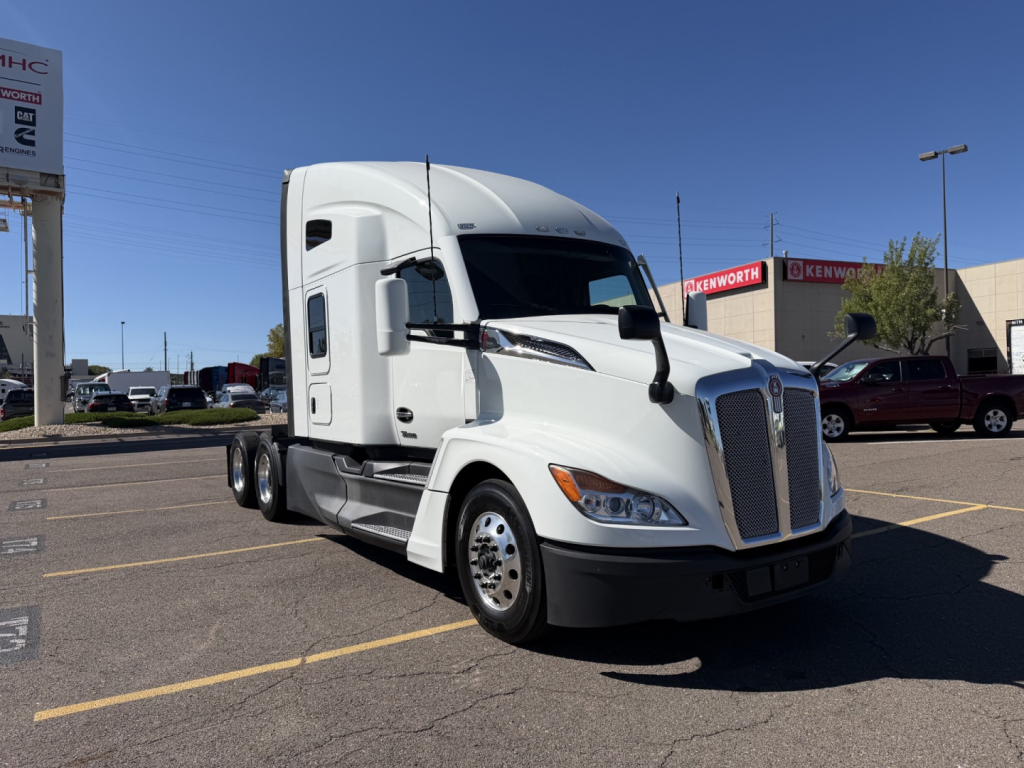
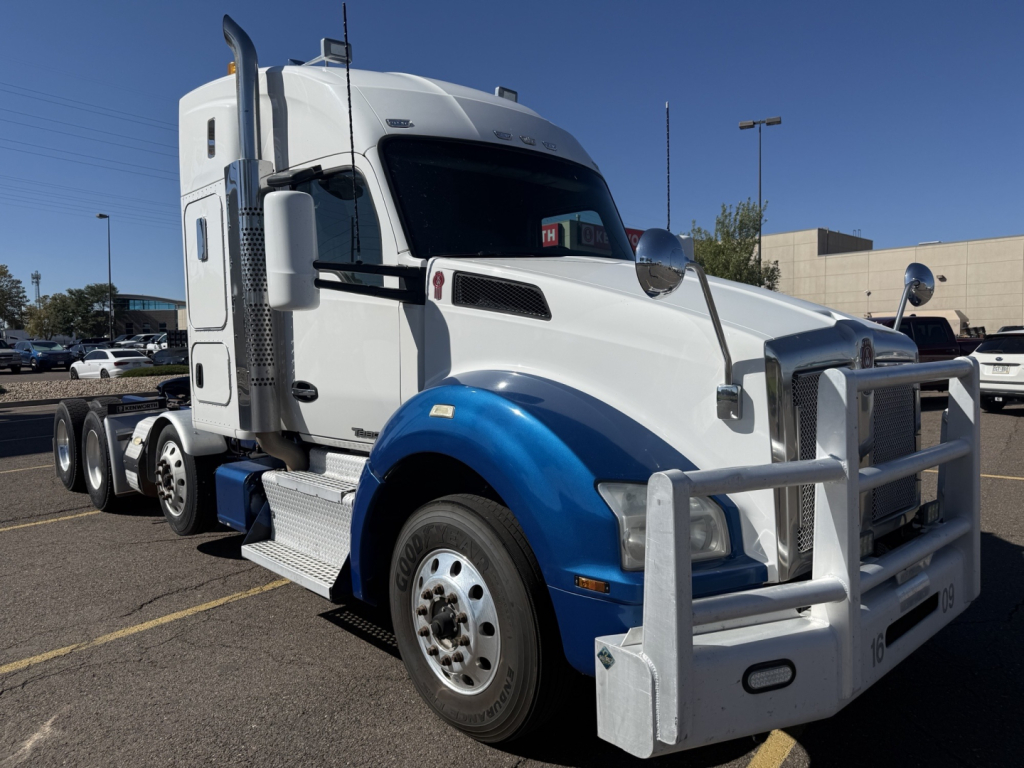
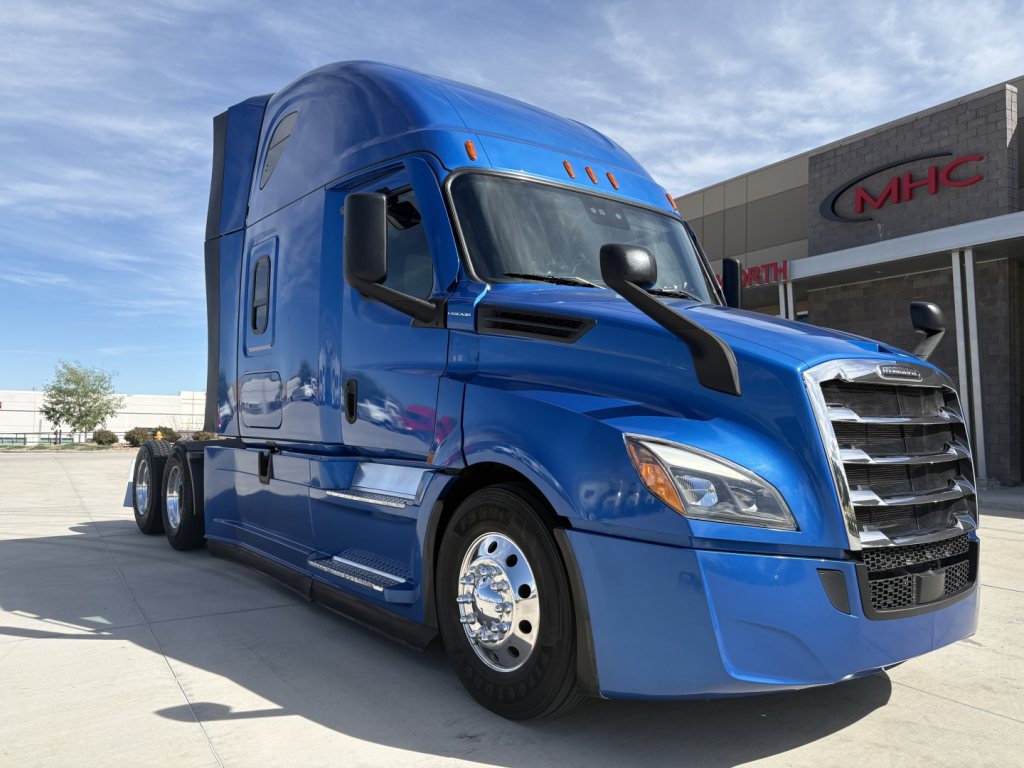
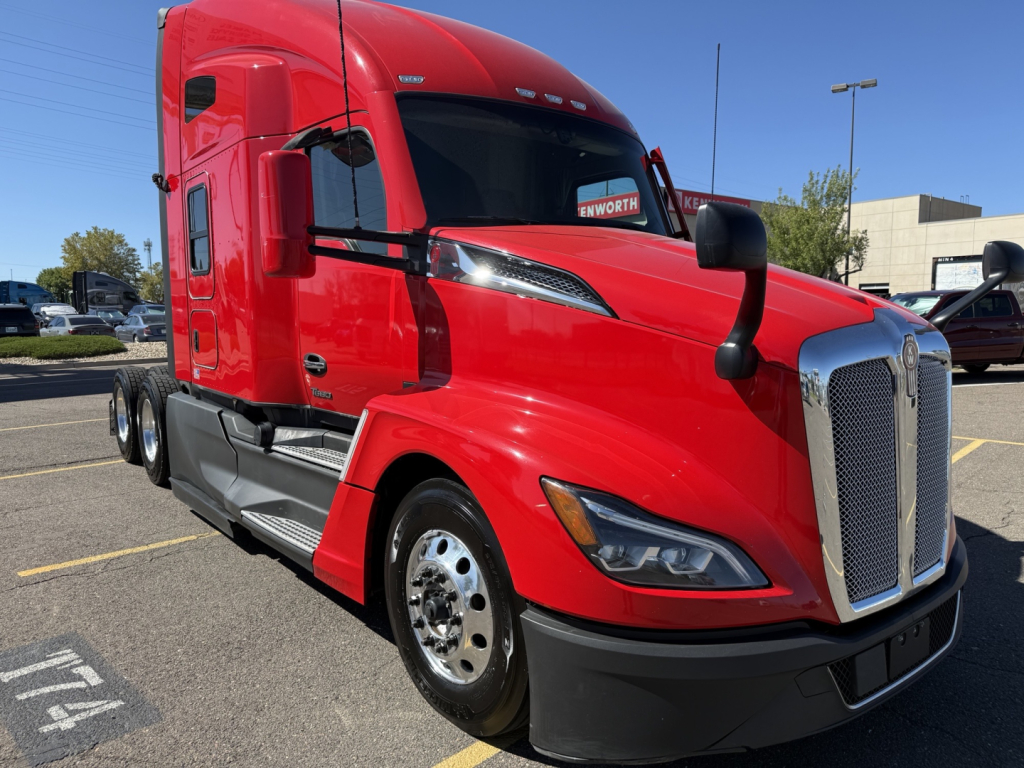
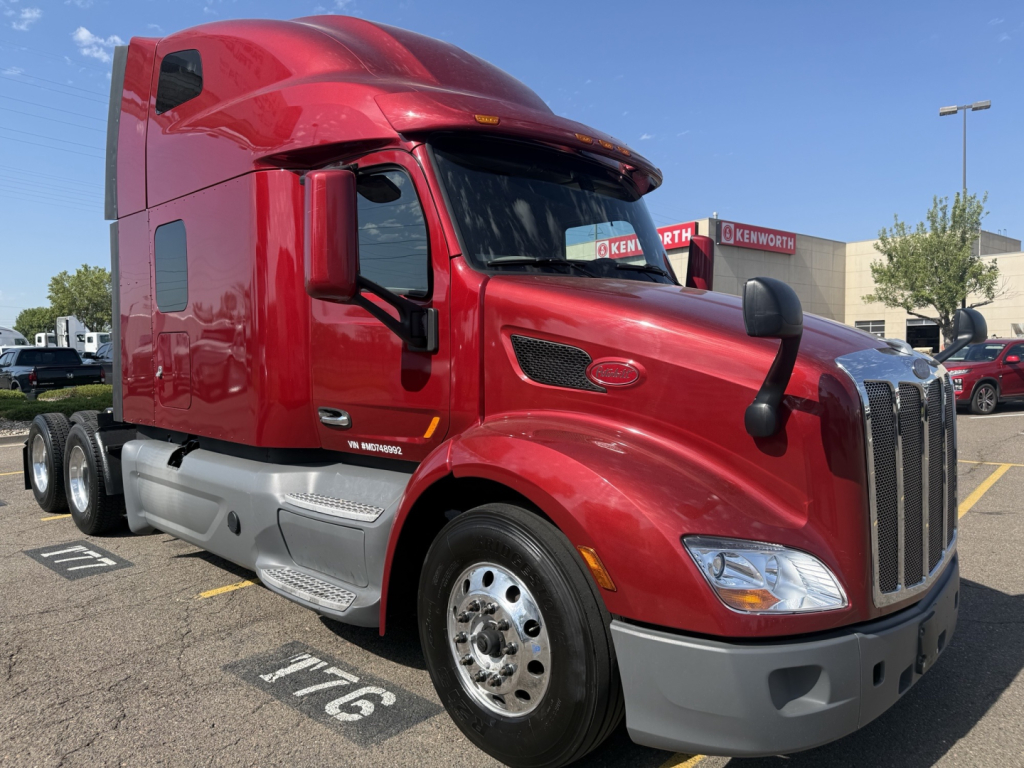
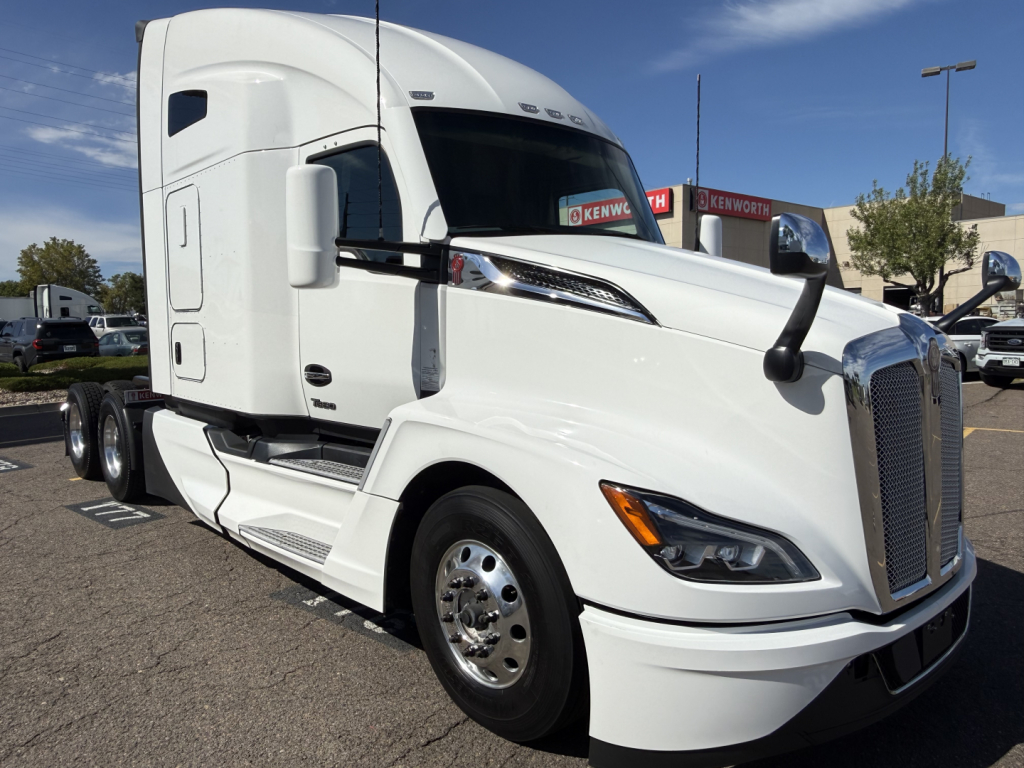
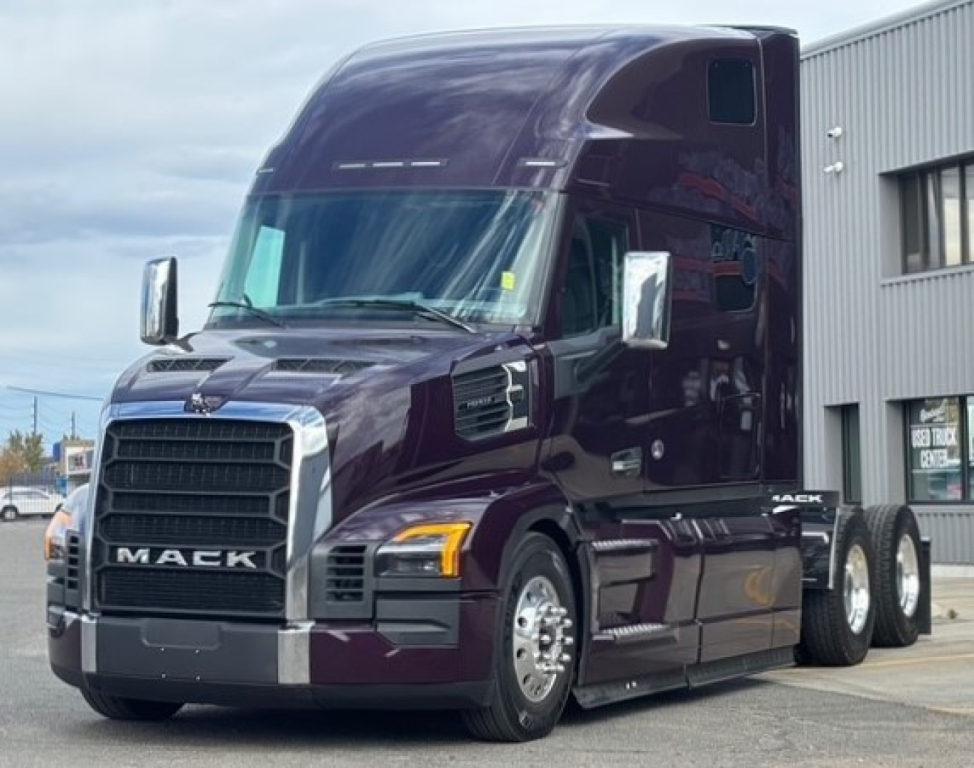

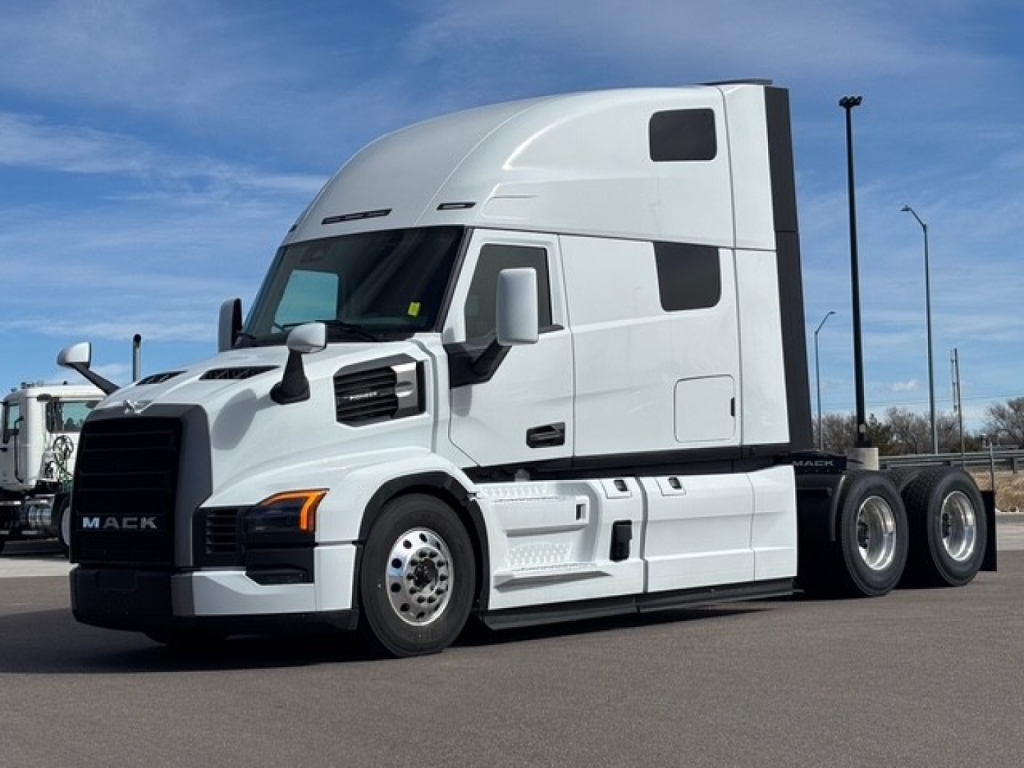
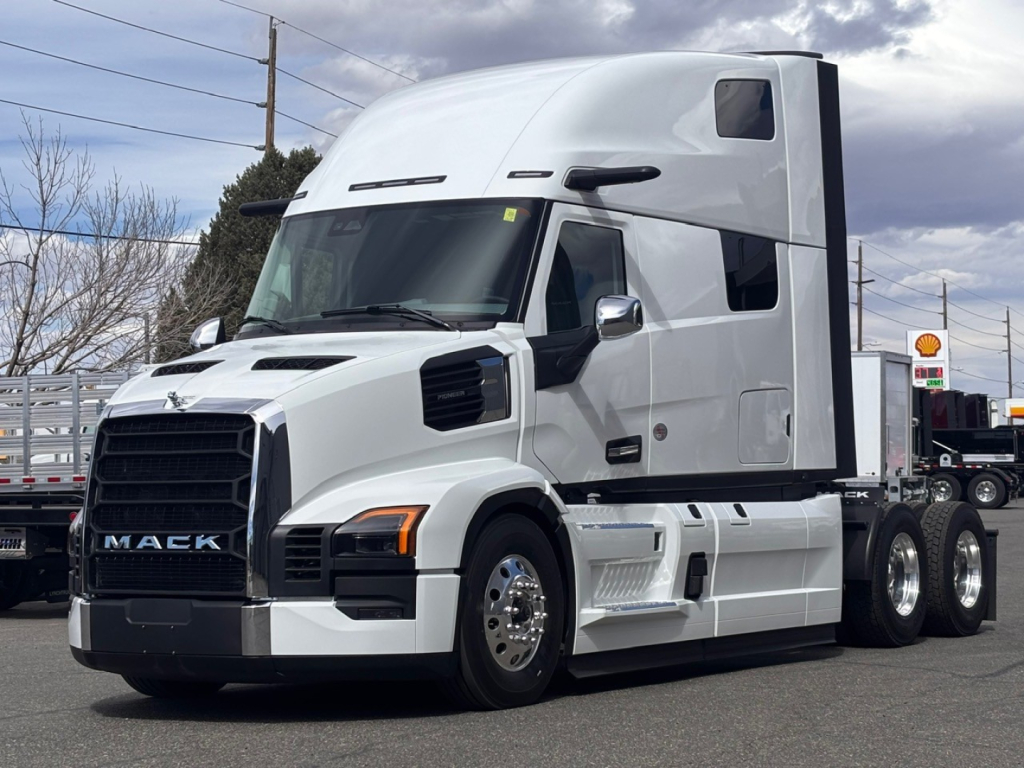
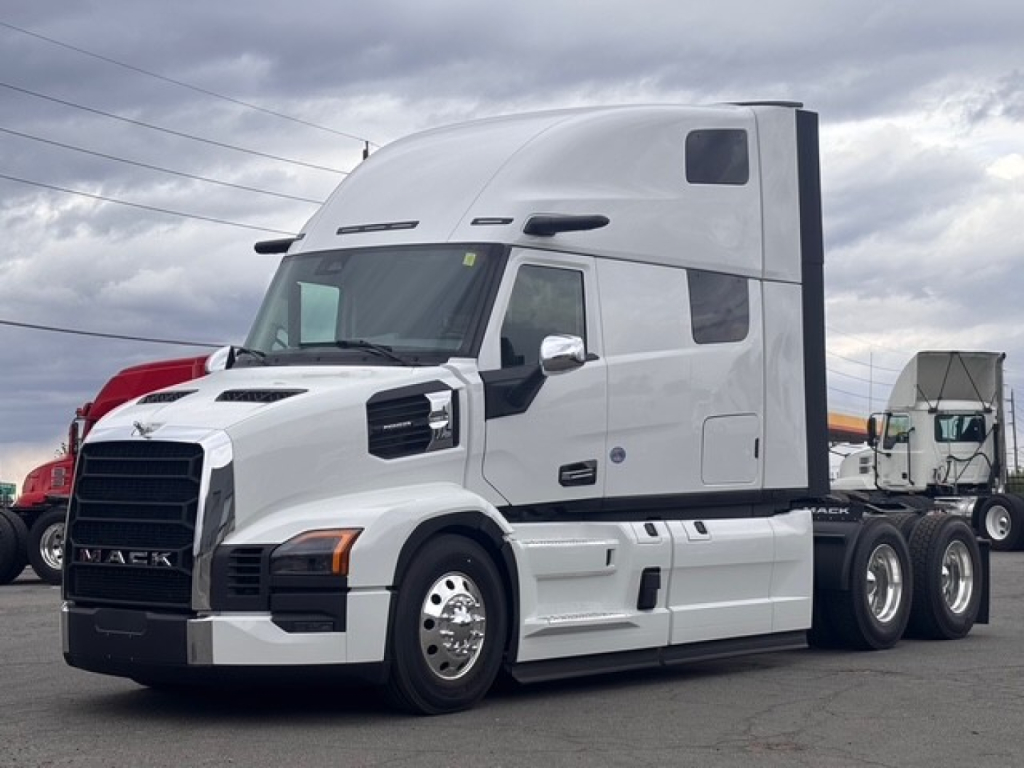
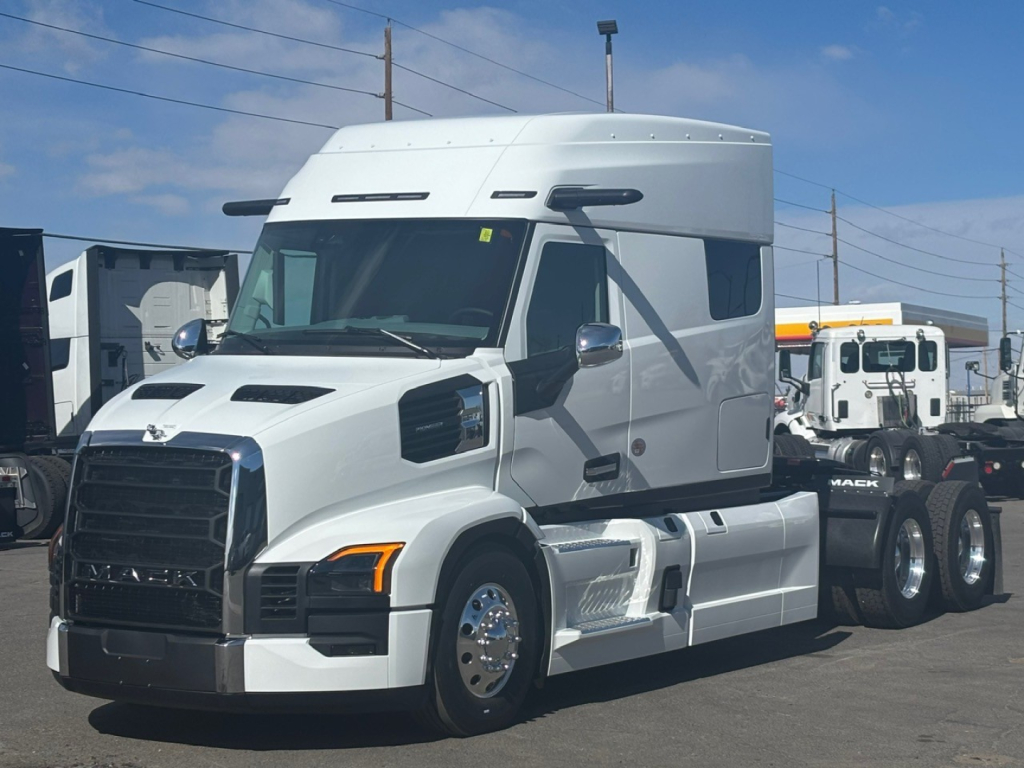
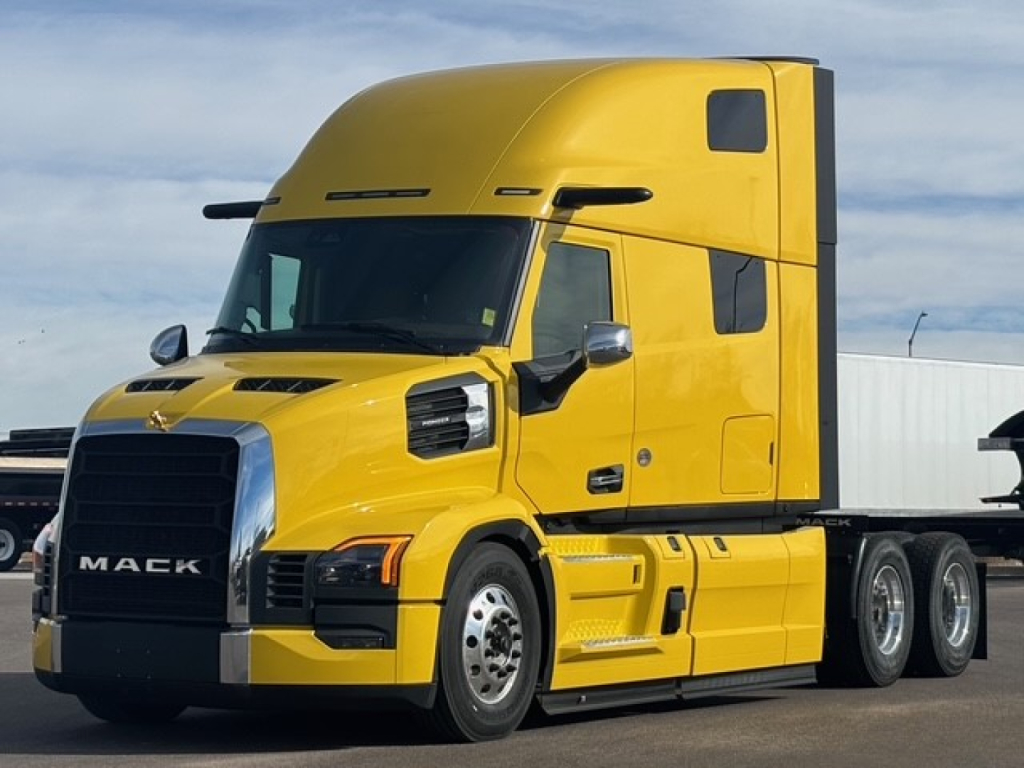
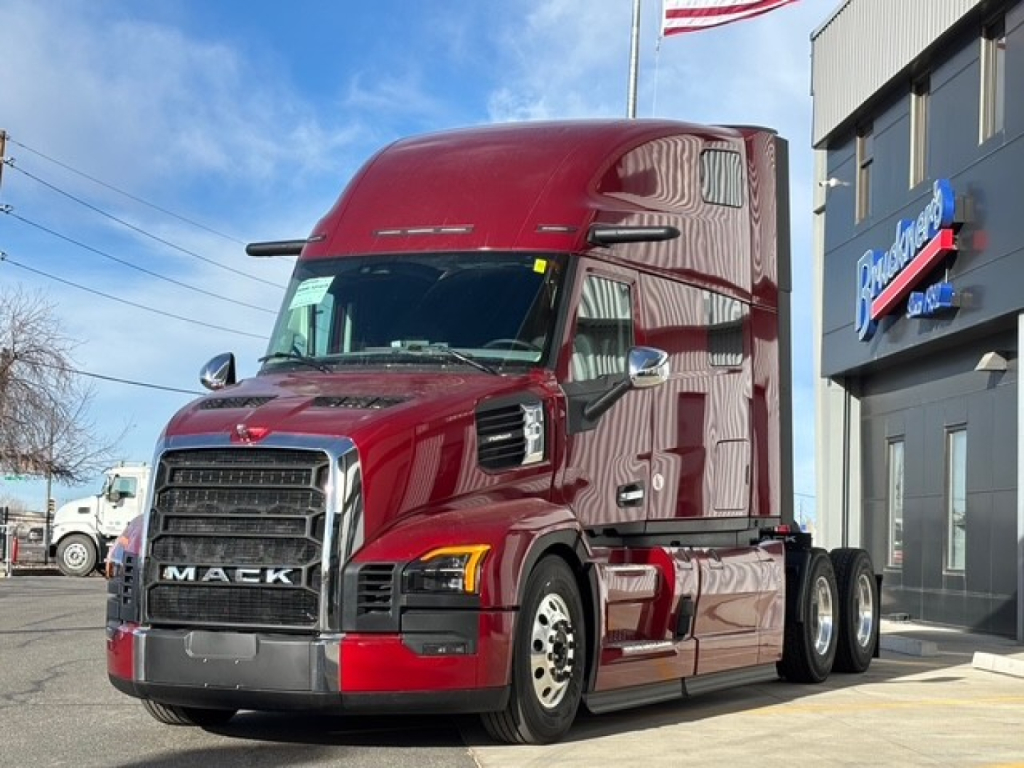
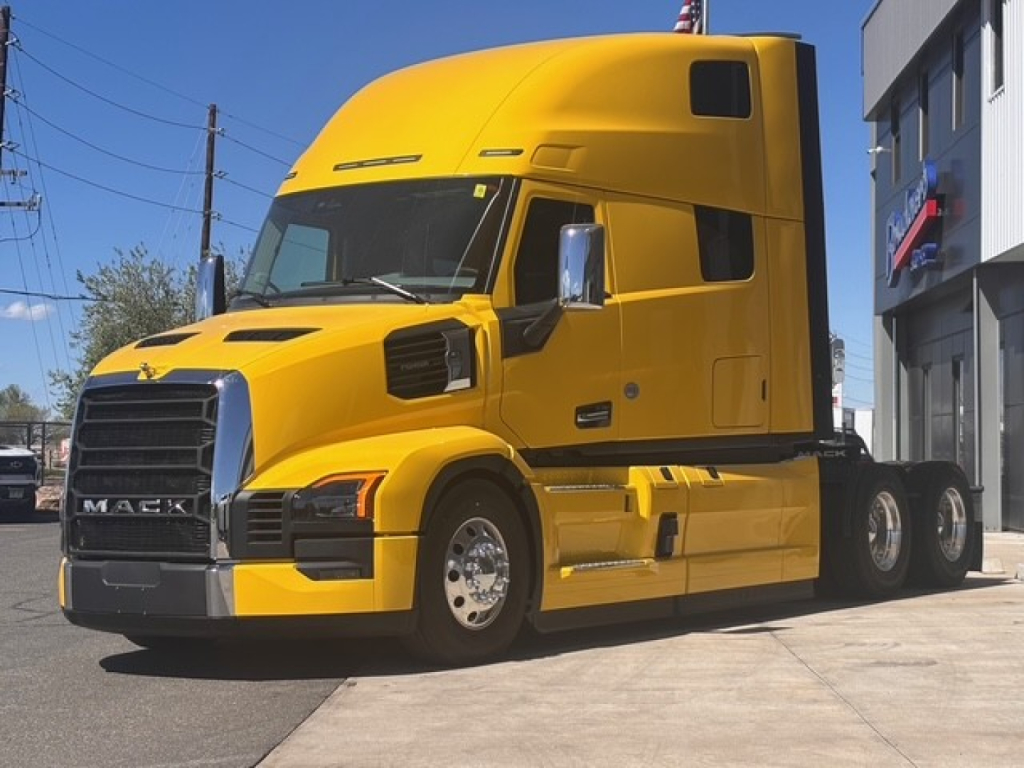
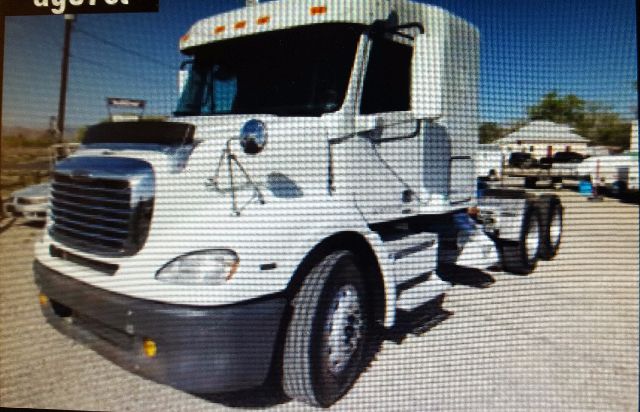

Selling a conventional sleeper truck? List your conventional sleeper truck for sale and reach thousands of commercial buyers.
Conventional Sleeper Trucks in Colorado
Sleeper size is one of the biggest buying decisions. A 60-inch to 76-inch sleeper is common for regional and long-haul use, with larger high-roof sleepers giving better stand-up room, more storage, and space for double-bunk layouts. Interior details matter more than many first-time buyers expect. Look at bunk design, fridge provision, parking heater or battery HVAC setup, cabinet layout, inverter capacity, and whether the truck has a premium sleeper control panel. For team operations or extended stays on the road, those comfort features affect uptime and driver retention just as much as the drivetrain affects trip times.
Chassis and safety specs deserve the same attention. Wheelbase, fifth wheel location, fuel tank capacity, and front axle set-back all influence bridge compliance, turning radius, and how the truck balances with different trailer types. Air disc brakes, adaptive cruise control, collision mitigation, lane support, backup cameras, and digital mirror systems are increasingly common in newer conventional sleepers. In Colorado, buyers also tend to value traction features such as inter-axle and cross-lock differentials, along with tire and suspension setups that stay predictable on snow, ice, and steep secondary roads.
When comparing conventional sleeper trucks for sale, focus on the application before the badge. A truck pulling dry van or reefer coast to coast may prioritize aerodynamics, fuel capacity, and driver amenities. A sleeper assigned to heavier freight or mountain corridors may need more torque, stronger braking, and a different axle ratio. Also review emissions history, idle management equipment, service access, and warranty coverage if you are considering late-model units. A well-spec’d conventional sleeper should give you the right combination of road speed, gradeability, living space, and operating efficiency for the lanes you actually run.
Frequently Asked Questions about Conventional Sleeper Trucks in Colorado
What is a conventional sleeper truck?
A conventional sleeper truck is a hooded highway tractor with a built-in sleeping compartment mounted directly behind the cab. It is designed for long-haul or multi-day routes where the driver needs rest space, storage, and basic living amenities without leaving the truck. In the Class 8 market, conventional sleepers are commonly used for dry van, reefer, flatbed, and other over-the-road applications.
What sleeper size is best for long-haul trucking?
For long-haul use, many buyers look for sleepers in the 70-inch to 76-inch range because they provide better stand-up room, more storage, and stronger driver comfort over extended trips. Smaller sleepers can work for regional runs or occasional overnight work, but a high-roof larger sleeper is usually the better fit for teams, extended dispatch cycles, or fleets focused on driver retention. The right choice depends on how many nights the truck will spend on the road and how much onboard storage the operation needs.
What horsepower is typical in a conventional sleeper?
Most conventional sleeper trucks are spec’d somewhere between about 400 and 500-plus horsepower, with torque output and rear axle ratio often being more important than peak horsepower alone. Lighter dry van operations may run efficiently with a lower horsepower spec if the gearing is right, while mountain hauling, heavy freight, or high average speeds may justify more power. Buyers in Colorado often place extra emphasis on torque and gradeability because elevation and long climbs can affect performance quickly.
Are automated transmissions common in conventional sleeper trucks?
Yes, automated manual transmissions are now very common in conventional sleeper trucks, especially in newer over-the-road specifications. They help with driver consistency, can reduce clutch-related wear, and are often integrated with predictive cruise, collision mitigation, and fuel-efficiency programming. A manual transmission still has appeal in certain operations, but many fleets prefer automated setups for easier driver onboarding and more consistent highway performance.
What should I check when buying a used conventional sleeper truck?
Start with the powertrain and service history, including engine hours, idle hours, emissions system repairs, transmission performance, and differential condition. Then inspect the sleeper itself for HVAC operation, bunk wear, cabinet integrity, water leaks, inverter setup, and any signs of neglected interior maintenance. Chassis items such as brake type, tire condition, suspension wear, fifth wheel movement, and fuel tank configuration also matter because they affect both operating cost and the truck’s fit for your freight and lanes.