
Peterbilt Conventional Sleeper Trucks For Sale in Colorado
Shop Peterbilt conventional sleeper trucks for long haul and regional work, including 389 and 579 models with premium sleepers and spec choices.
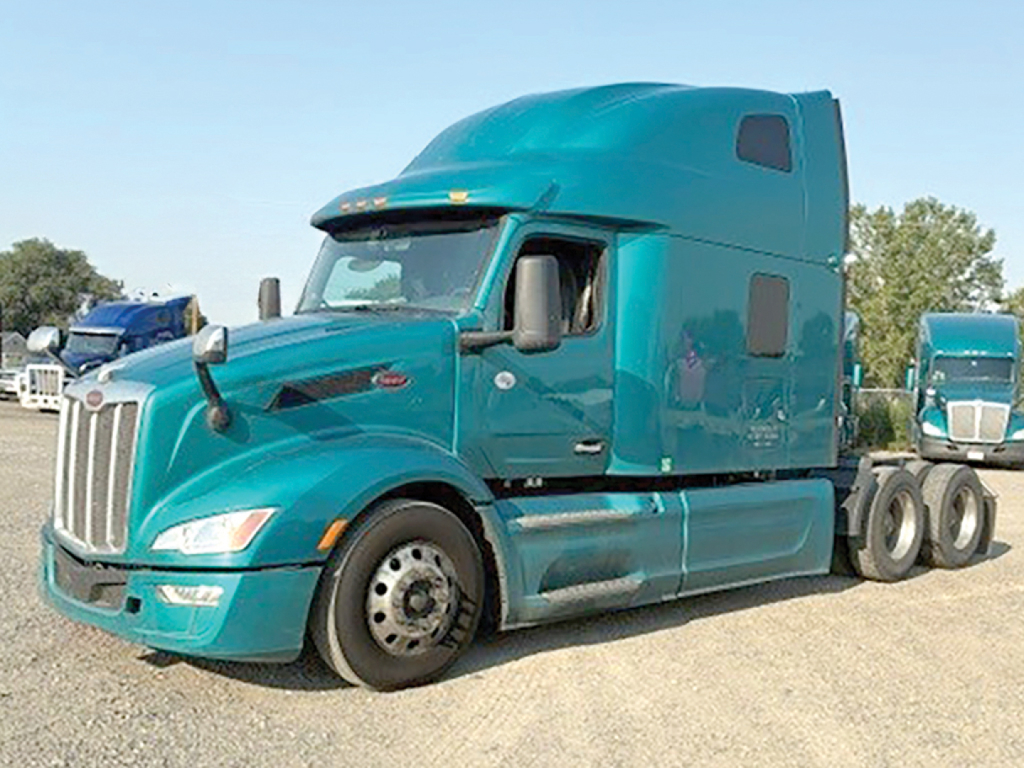
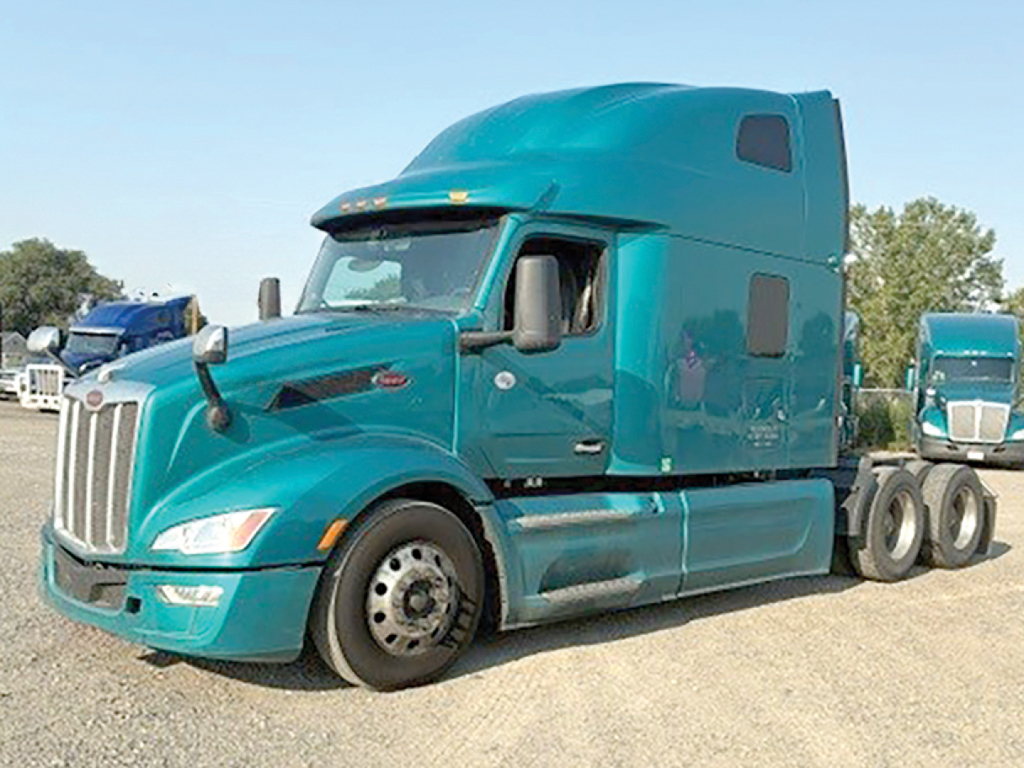
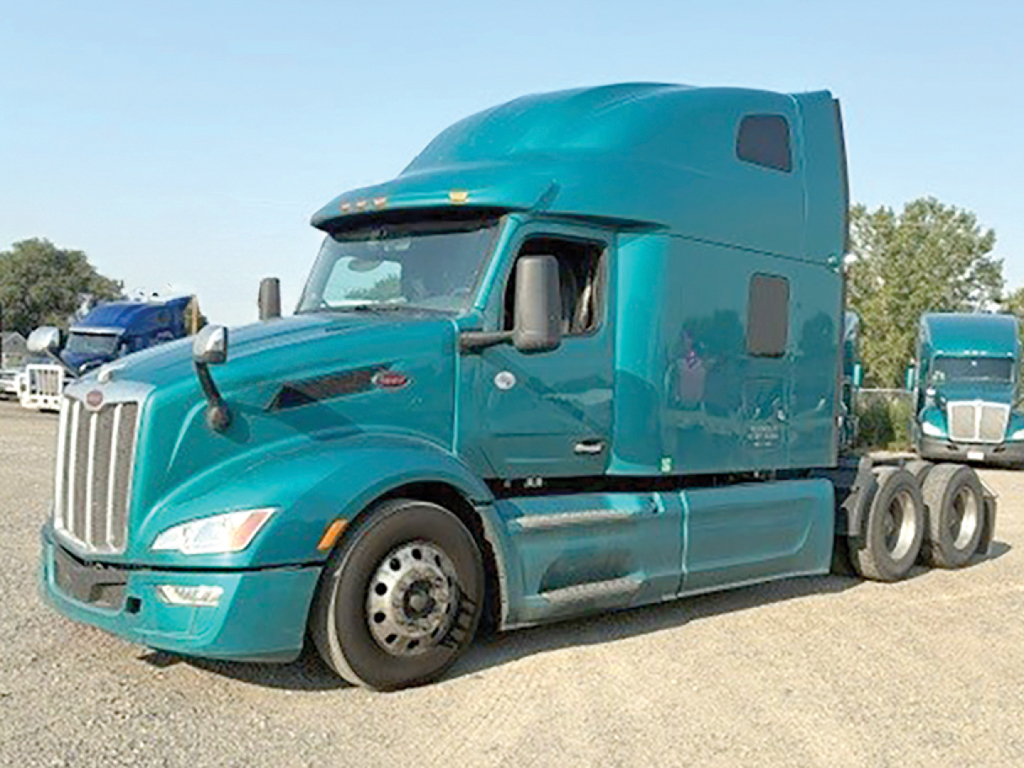
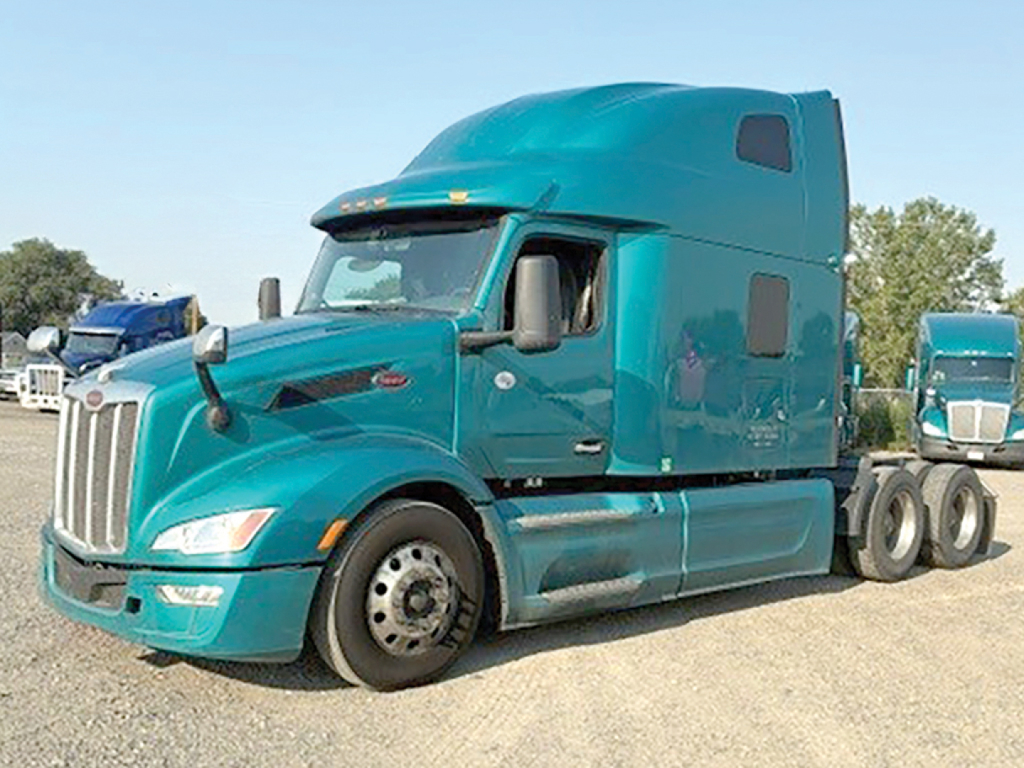
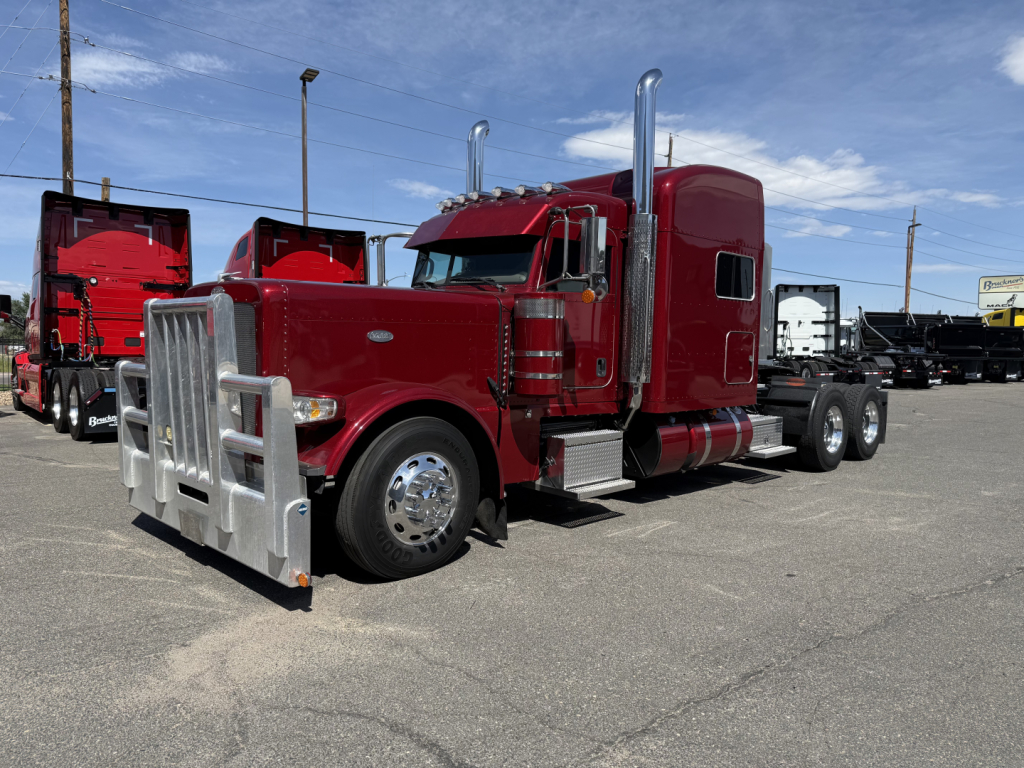
Selling a peterbilt conventional sleeper truck? List your peterbilt conventional sleeper truck for sale and reach thousands of commercial buyers.
Peterbilt Conventional Sleeper Trucks in Colorado
Frequently Asked Questions about Peterbilt Conventional Sleeper Trucks in Colorado
What is the difference between a Peterbilt 389 sleeper and a Peterbilt 579 sleeper?
The Peterbilt 389 and Peterbilt 579 serve different priorities within the conventional sleeper market. A 389 is a long-hood conventional that is commonly spec'd for owner-operators, heavy vocational crossover work, and buyers who want classic styling with a premium interior and larger presence on the road. A 579 is an aerodynamic highway tractor designed to reduce drag, improve fuel economy, and support long-haul fleet or regional operations. Buyers comparing the two usually focus on fuel burn, wheelbase, maneuverability, resale preference, and the type of image or application the truck needs to support.
What sleeper sizes are common on Peterbilt conventional sleeper trucks?
Common Peterbilt sleeper configurations in this category include mid-roof and high-roof sleepers in the 72-inch to 80-inch range, with 78-inch Unibilt and 80-inch UltraLoft sleepers among the most recognized setups. A larger sleeper usually provides more standing room, storage, bunk space, and room for features like an upper bunk, refrigerator, bunk heater, and APU support. Sleeper choice should match the route profile and driver retention goals, because team operations and multi-day over-the-road runs typically benefit from the added living space.
What engine and transmission specs are common in Peterbilt sleeper trucks?
Peterbilt conventional sleepers are commonly paired with Cummins X15 or PACCAR MX-13 engines, generally in the 450 to 500 horsepower range for highway use. Transmissions are often automated manuals for fuel economy and ease of operation, though some trucks are spec'd with manual transmissions for driver preference or specific applications. Rear axle ratings around 40,000 pounds are standard on tandem highway tractors, and axle ratios such as 2.64, 2.85, or 3.36 can significantly change launch feel, cruise RPM, grade performance, and fuel economy.
What should I look for when buying a used Peterbilt sleeper in Colorado?
In Colorado, drivetrain spec matters because mountain grades, winter conditions, and elevation can expose weak gearing or underpowered combinations. Buyers should pay close attention to horsepower, torque rating, axle ratio, engine brake performance, transmission calibration, and brake type. It is also smart to review sleeper HVAC function, bunk heater operation, APU condition if equipped, and tire and wheel setup for year-round use. For trucks that will regularly cross the Rockies, a taller rear ratio may cruise efficiently on flat interstate lanes but can feel less flexible on long climbs if the engine and transmission spec are not matched correctly.
Are Peterbilt conventional sleeper trucks good for long-haul freight?
Yes. Peterbilt conventional sleeper trucks are widely used in long-haul freight because they combine highway tractor capability with an onboard sleeper for overnight operation. The main advantage is the ability to spec the truck around the freight lane. Aerodynamic models can reduce fuel cost on high-mileage routes, while premium long-hood models can be tailored for driver comfort, custom appearance, and certain specialized hauling preferences. A well-matched Peterbilt sleeper should be evaluated on total operating cost, driver comfort, wheelbase, fuel capacity, and how the engine, transmission, and rear ratio fit the intended load and terrain.