
2023 Conventional Sleeper Trucks For Sale in Colorado
Shop 2023 conventional sleeper trucks in Colorado. Compare aero cabs, sleeper sizes, powertrains, axle setups, and driver comfort features.
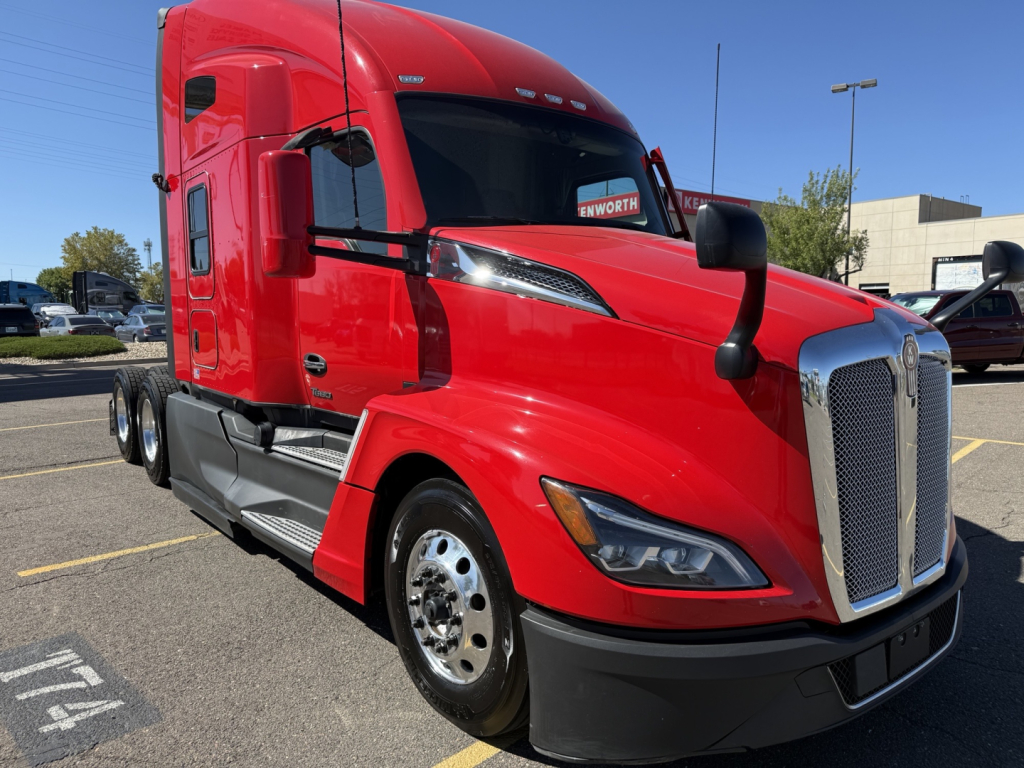
2023 Kenworth T680
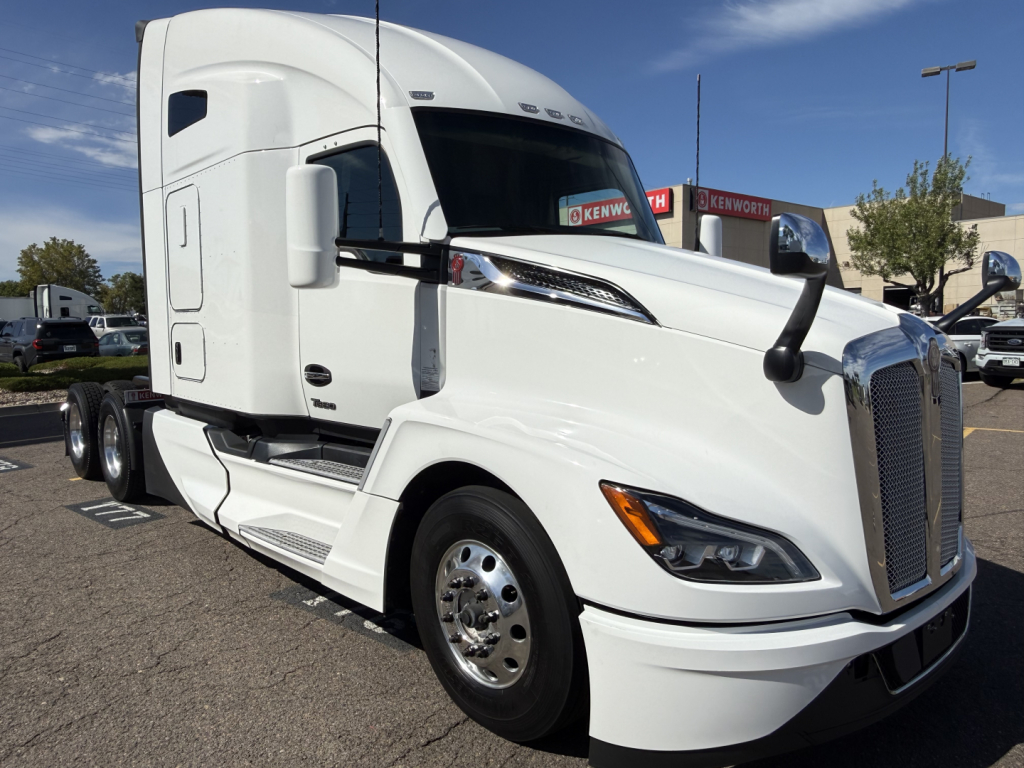
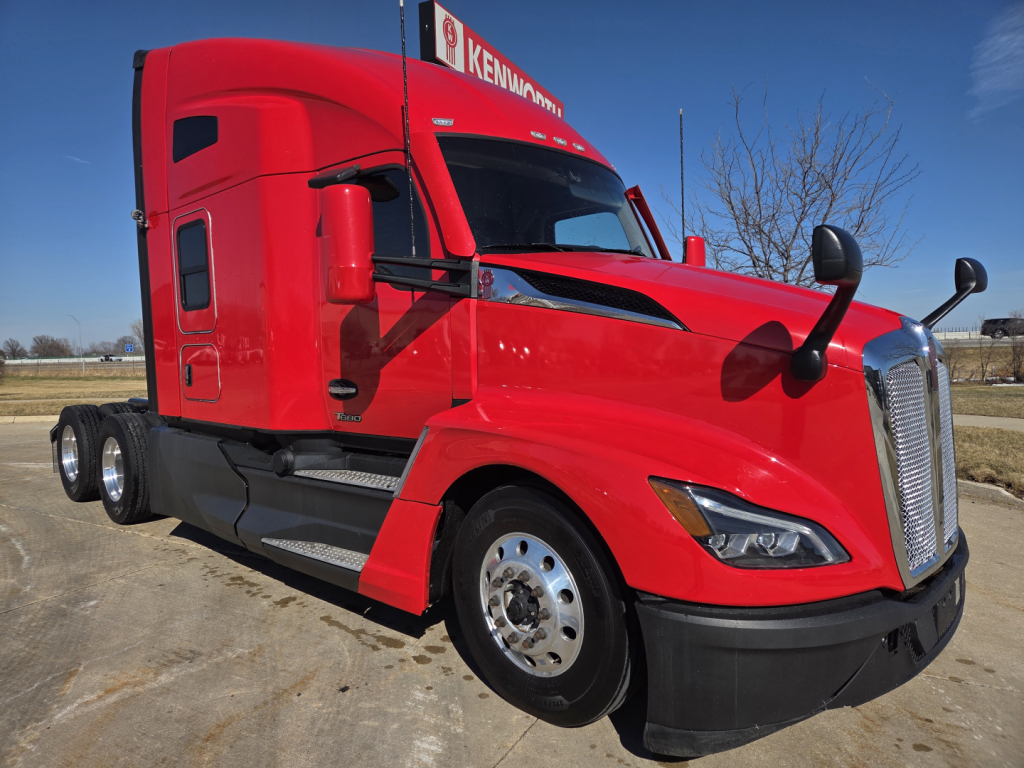
Selling a 2023 conventional sleeper truck? List your 2023 conventional sleeper truck for sale and reach thousands of commercial buyers.
2023 Conventional Sleeper Trucks in Colorado
Powertrain choice is usually the first big decision. Most 2023 conventional sleepers in this class are spec'd with 13-liter or 15-liter diesel engines, typically in the 400 to 505 horsepower range, paired with automated manuals from Eaton, Detroit, Volvo, or PACCAR. For mountain freight, torque, rear axle ratio, and engine brake performance matter more than advertised horsepower alone. A buyer running I-70, US-287, or multi-state western routes should look closely at ratios such as 2.64, 2.85, 3.08, or 3.25 and match them to cruise speed, gross weight, and terrain. Tandem-drive configurations remain the standard for general freight, while some sleepers are built with lift axles, air tag setups, or weight-saving specs for specialized operations.
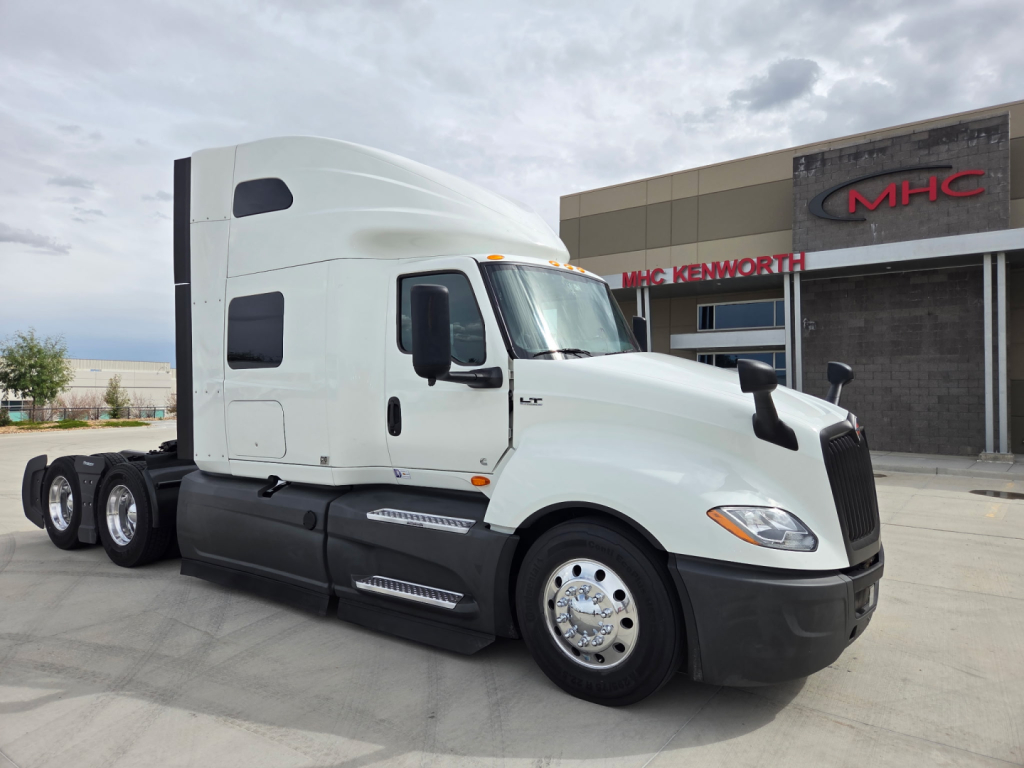
Sleeper size and cab layout directly affect resale, driver retention, and application fit. Common sleepers in this segment range from about 60 inches to 80 inches, with raised-roof and high-roof configurations offering stand-up room, upper bunks, larger cabinets, and space for a refrigerator or inverter setup. Aerodynamic highway models such as a Cascadia, VNL, LT, T680, or Anthem are typically chosen for van, reefer, and dedicated freight because side fairings, cab extenders, and integrated roof packages reduce drag. Owner-operator style long-hood conventionals still appeal to some buyers for appearance, service access, and traditional spec preferences, but most 2023 buyers focused on total operating cost will compare fuel burn, downtime exposure, and sleeper comfort before chrome.
A careful evaluation should include wheelbase, fifth wheel travel, fuel capacity, bunk heater or APU provision, collision mitigation, adaptive cruise, lane departure warning, and brake type. Disc brakes, air slide fifth wheels, full fairing packages, and dual aluminum tanks are common on modern linehaul specs. Interior condition still matters on a late-model truck because seats, bunk trim, dash electronics, and idle management systems affect driver satisfaction every day. For a 2023 conventional sleeper, the best value usually comes from matching the truck's sleeper size, drivetrain, axle rating, and aero spec to the freight it will actually pull, not just buying the newest cab on the lot.
Frequently Asked Questions about 2023 Conventional Sleeper Trucks in Colorado
What is a conventional sleeper truck?
A conventional sleeper truck is a highway tractor with an engine mounted ahead of the cab and a built-in sleeper compartment behind the seats. It is designed for longer routes where the driver needs resting space, storage, and overnight living accommodations. In the used truck market, this category includes both aerodynamic fleet tractors and long-hood owner-operator style sleepers.
What engine and transmission setup is common in a 2023 conventional sleeper?
Most 2023 conventional sleeper trucks are equipped with 13-liter or 15-liter diesel engines and an automated manual transmission. Typical horsepower falls in the 400 to 505 range, with torque and rear axle ratio playing a major role in how the truck performs under load. Automated manuals dominate this model year because they improve shift consistency, support fuel economy targets, and integrate well with modern safety and powertrain controls.
What sleeper size should a buyer look for?
The right sleeper size depends on route length, driver schedule, and how much onboard storage is needed. A 60-inch sleeper may work well for shorter overnights or regional operations, while 72-inch to 80-inch raised-roof sleepers are more common for long-haul and team use. Larger sleepers usually provide better stand-up room, more cabinets, upper bunk options, and better driver comfort over extended trips.
Are 2023 conventional sleeper trucks a good fit for Colorado and western routes?
Yes, but the truck should be spec'd for terrain and climate rather than flatland fuel economy alone. Colorado operations benefit from a strong engine brake, appropriate rear axle ratio, dependable cooling performance, and enough torque to hold speed on grades without overstressing the powertrain. Buyers should also consider winter traction, bunk heat, and wheelbase if the truck will operate in mountain corridors, chain law conditions, or tighter yard environments.
What should buyers inspect first on a late-model sleeper tractor?
Start with the emissions system history, fault codes, engine hours, idle hours, transmission operation, and service records. Then review axle ratings, tire and brake condition, fifth wheel wear, suspension components, and any active safety systems to confirm they are functioning properly. On a sleeper truck, cab electronics, HVAC performance, bunk equipment, and signs of excessive interior wear are also important because they affect downtime, driver acceptance, and resale.