
2026 Conventional Sleeper Trucks For Sale in Colorado
Shop 2026 conventional sleeper trucks in Colorado. Compare roof heights, sleeper sizes, powertrains, safety tech, and long-haul specs.
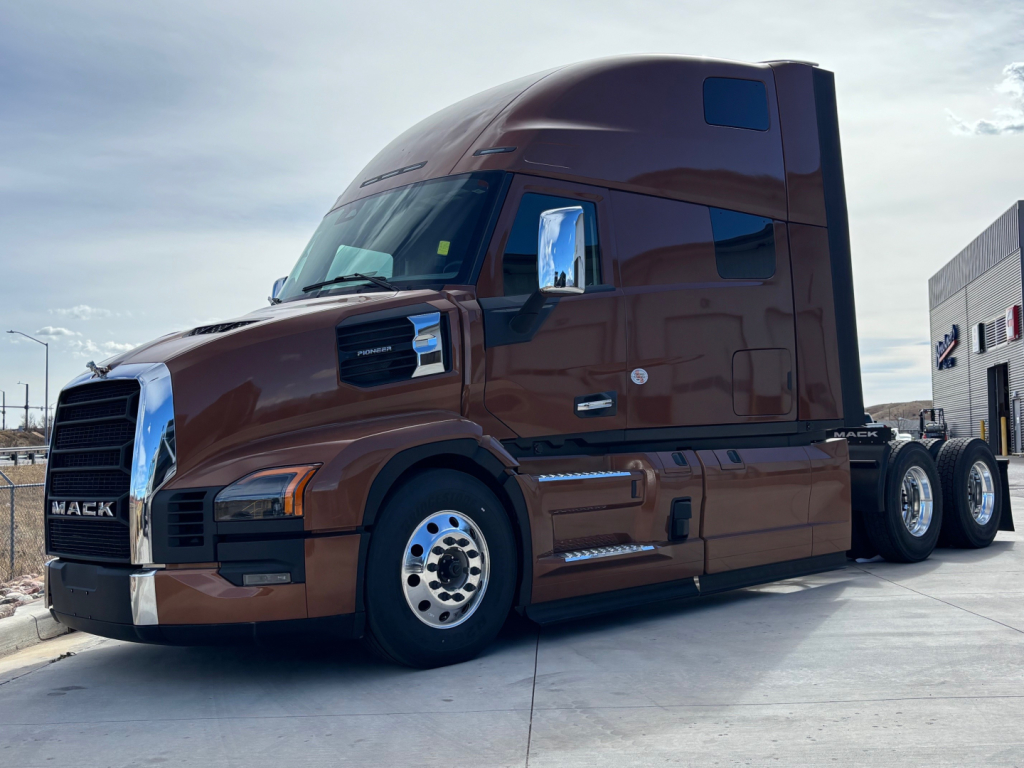
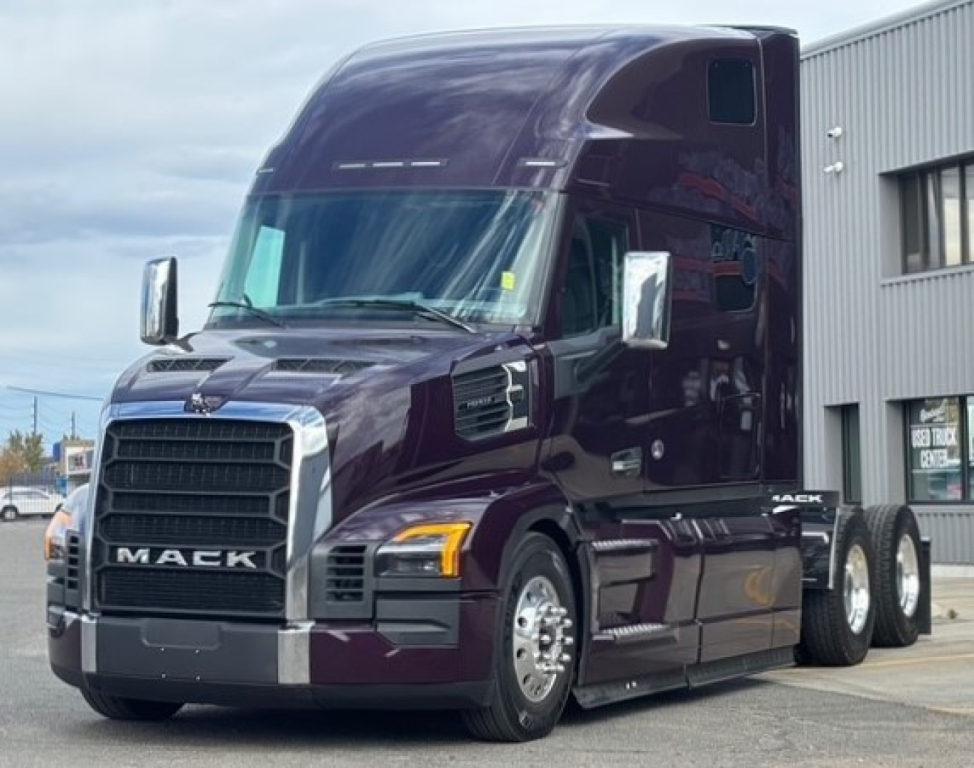

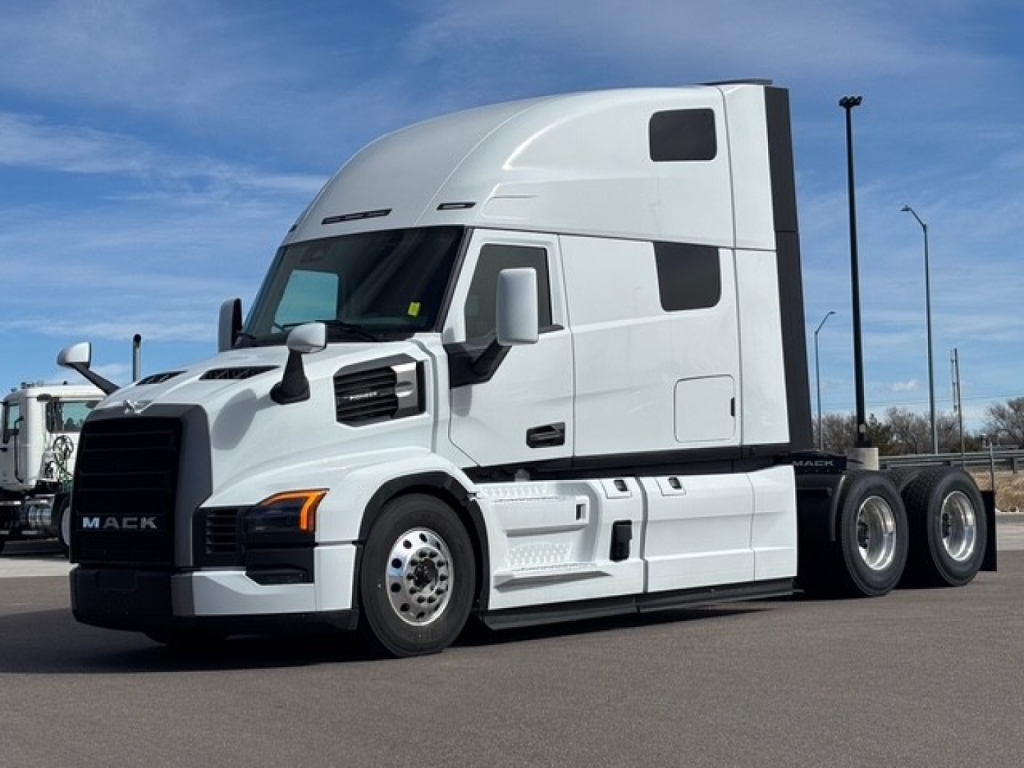
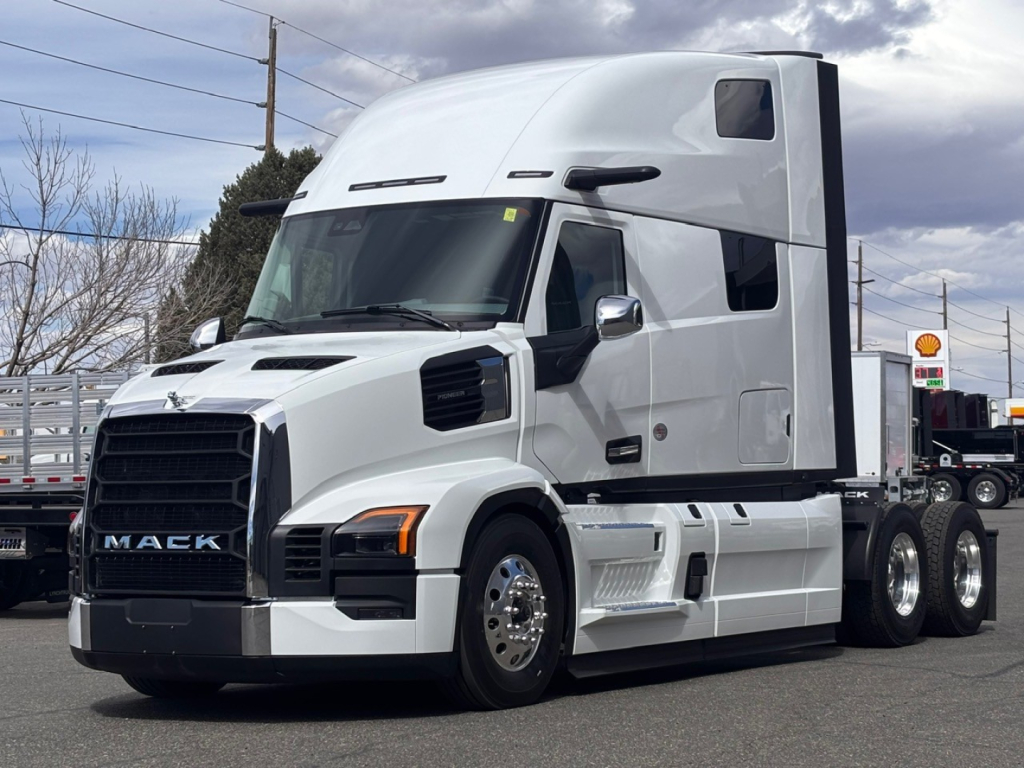
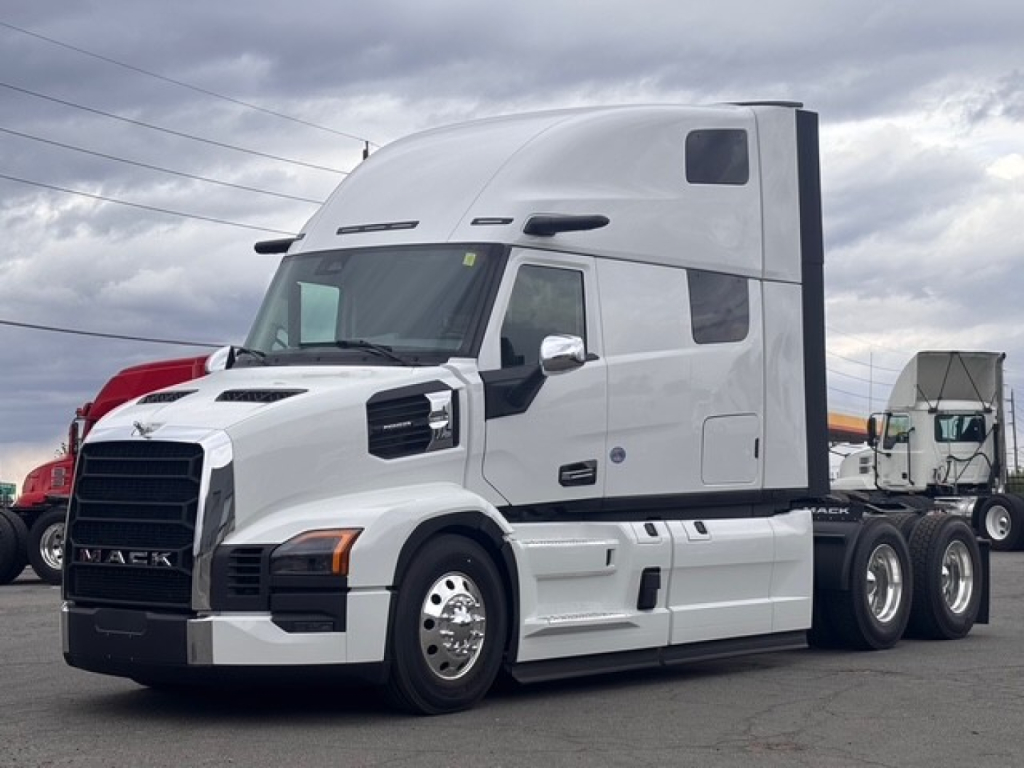
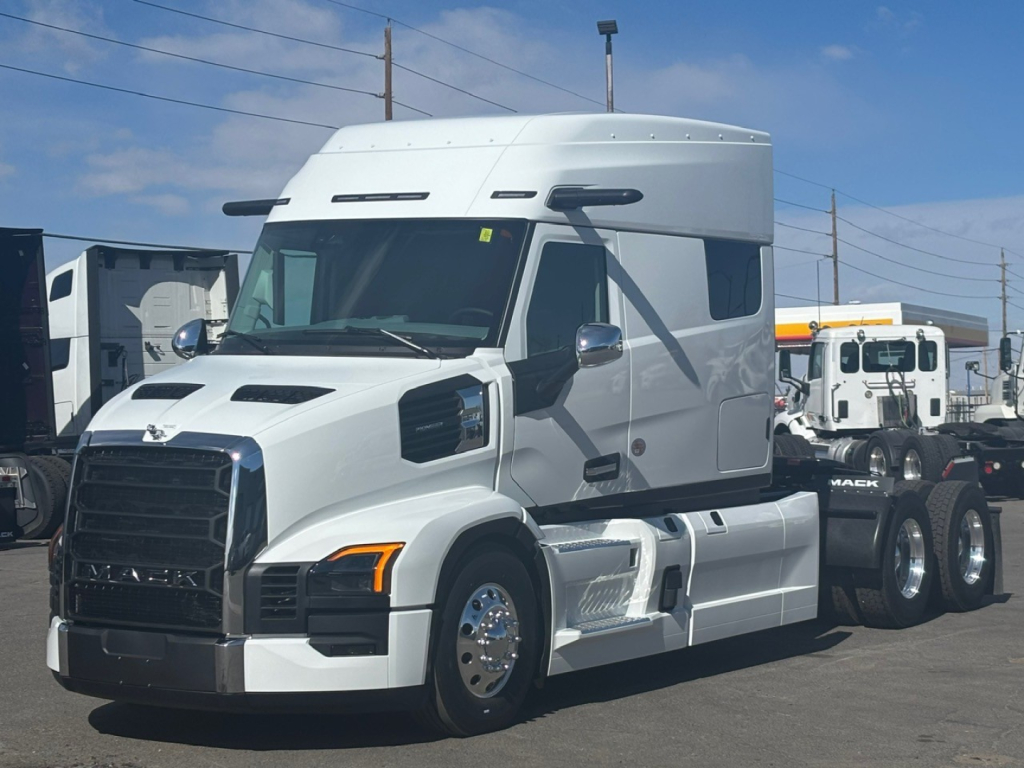
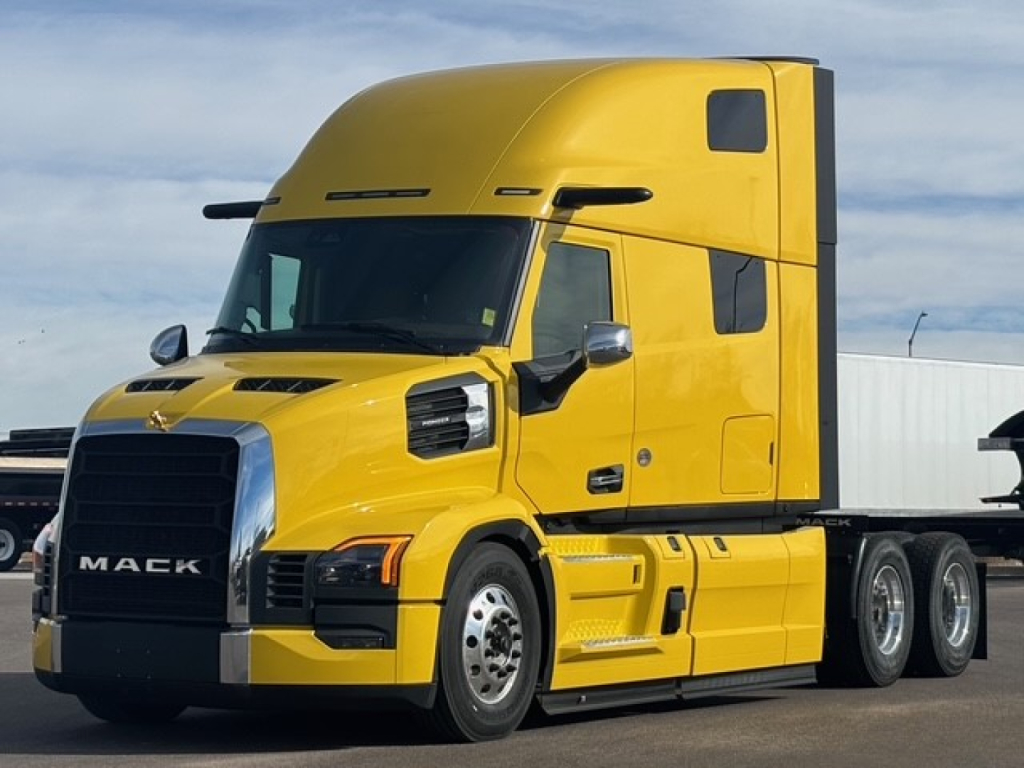
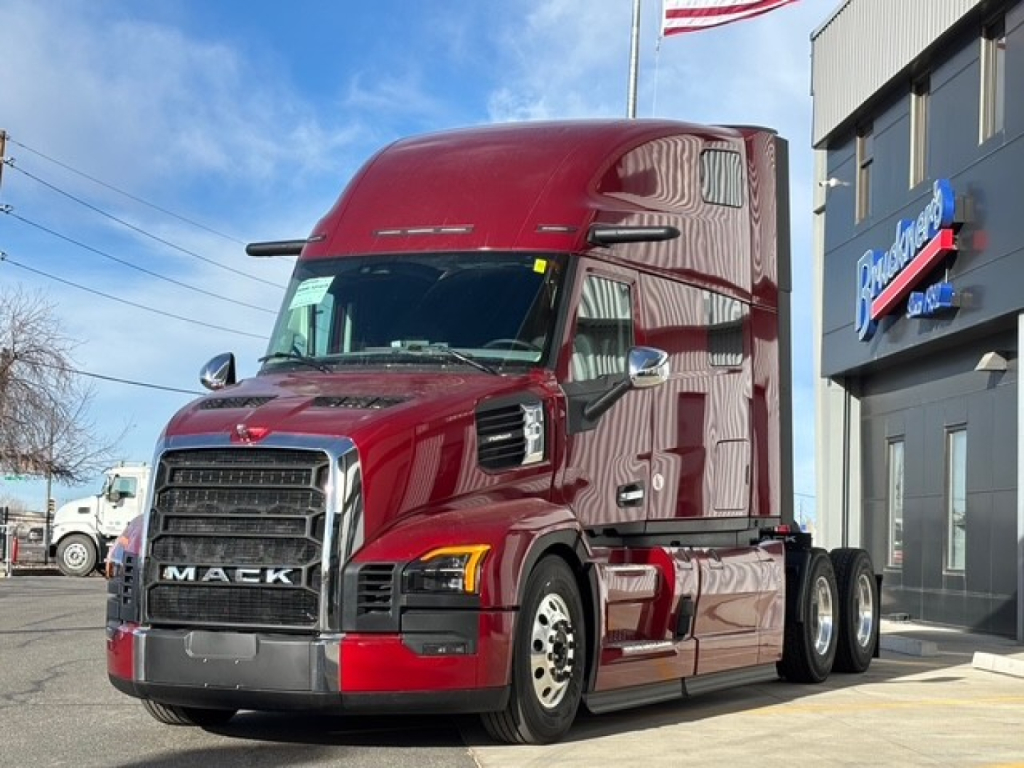
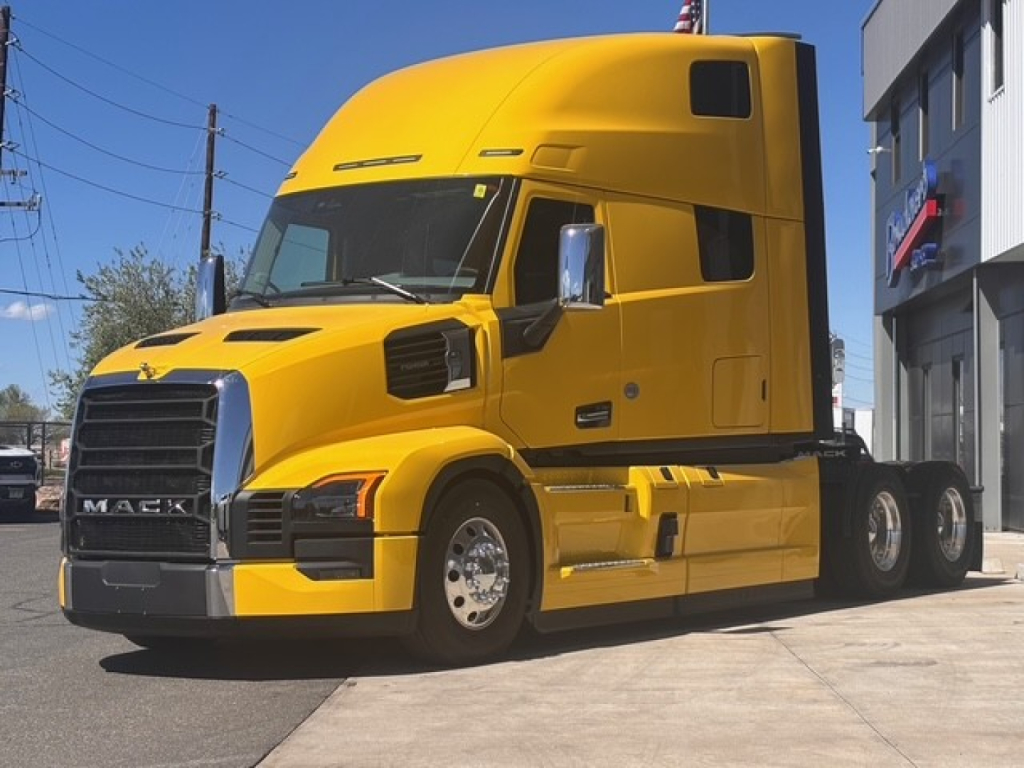
Selling a 2026 conventional sleeper truck? List your 2026 conventional sleeper truck for sale and reach thousands of commercial buyers.
2026 Conventional Sleeper Trucks in Colorado
One of the first decisions is sleeper configuration. High-roof models typically give the best stand-up room, larger cabinets, and more flexibility for double-bunk layouts, refrigerators, TV prep, and premium sleeper control panels. Mid-roof sleepers can be a smart fit for fleets that want lower overall height, less weight, and a cleaner balance between regional and long-haul use. Common 2026 specs in this category include 12- to 13-liter diesel engines, automated manual transmissions, tandem drive axles, disc brakes, and fuel capacity set up for extended range. On western routes, larger tank combinations and an integrated parking cooler or bunk heater can make a real difference in trip planning and driver uptime.
Safety and driver-assist technology are a major part of the 2026 conventional sleeper market. Buyers will see more trucks equipped with adaptive cruise control, forward collision warning, automatic emergency braking, lane departure warning, lane keeping support, blind spot detection, backup cameras, electronic stability control, and in some cases digital mirror systems. These features matter for both risk management and driver acceptance, but buyers should still review how each system is integrated with steering, braking, and service diagnostics. It also pays to look at cab insulation, seat spec, HVAC capacity, bunk layout, and dash ergonomics because a sleeper tractor that keeps drivers comfortable usually performs better in retention and utilization.
The best 2026 conventional sleeper truck for sale is the one matched to the freight, terrain, and duty cycle. A truck pulling heavy van or reefer loads across I-70 may need different horsepower, torque, and rear axle gearing than one running lighter dry freight across flatter lanes. Check wheelbase, fifth wheel position, fuel and DEF capacity, suspension type, front axle rating, and warranty coverage before comparing price alone. For Colorado operations, a well-matched sleeper tractor should deliver strong gradeability, stable braking on descents, efficient cruise RPM, and a sleeper package that supports real overnight use instead of just checking the box.
Frequently Asked Questions about 2026 Conventional Sleeper Trucks in Colorado
What is a conventional sleeper truck used for?
A conventional sleeper truck is a highway tractor with an integrated bunk area behind the cab for overnight rest. It is commonly used in long-haul trucking, regional freight with layovers, team driving, and dedicated routes where drivers spend multiple days away from home. Compared with a day cab, a sleeper adds living space, storage, and off-duty comfort, which makes it the standard choice for over-the-road service.
What sleeper size is best for long-haul trucking in Colorado?
For long-haul work in Colorado, many buyers prefer a mid-roof or high-roof sleeper in the 70- to 76-inch range because it gives enough room for a proper bunk, storage, and climate-control equipment without compromising highway efficiency. High-roof sleepers are usually better for teams, double bunks, and premium interior packages. Mid-roof sleepers can work well for solo drivers and mixed regional use where lower weight and a slightly lower profile matter.
What powertrain specs matter most on a 2026 conventional sleeper truck?
The key specs are engine displacement, horsepower, torque rating, transmission type, rear axle ratio, and suspension setup. For Colorado mountain routes, buyers often prioritize torque and gearing over headline horsepower because gradeability, startability, and controlled downhill performance are critical. A 12-speed or similar automated transmission paired with the right axle ratio can improve fuel economy on cruise while still keeping the truck productive in elevation and heavy pulls.
Are 2026 conventional sleeper trucks equipped with advanced safety systems?
Yes. Many 2026 conventional sleeper trucks include advanced driver-assistance systems such as adaptive cruise control, forward collision warning, automatic emergency braking, lane departure warning, lane keeping support, blind spot monitoring, electronic stability control, and backup cameras. Some newer specs also include digital mirrors and driver monitoring features. Buyers should confirm which systems are factory-integrated and how they affect maintenance, calibration, and repair procedures.
What should I compare besides price when shopping conventional sleeper trucks?
Price is only one part of the decision. Buyers should compare sleeper size, roof height, bunk layout, fuel capacity, wheelbase, fifth wheel setup, front and rear axle ratings, brake type, tire spec, warranty terms, and service network support. Driver comfort items like seat quality, insulation, storage, refrigerator space, and parking HVAC can also affect uptime and retention. A lower-cost truck is not the better value if the spec does not fit the freight or the terrain.