
Freightliner Conventional Sleeper Trucks For Sale in Colorado
Shop Freightliner conventional sleeper trucks in Colorado. Compare Cascadia specs, DD15 power, sleeper sizes, axle ratios, and long-haul features.
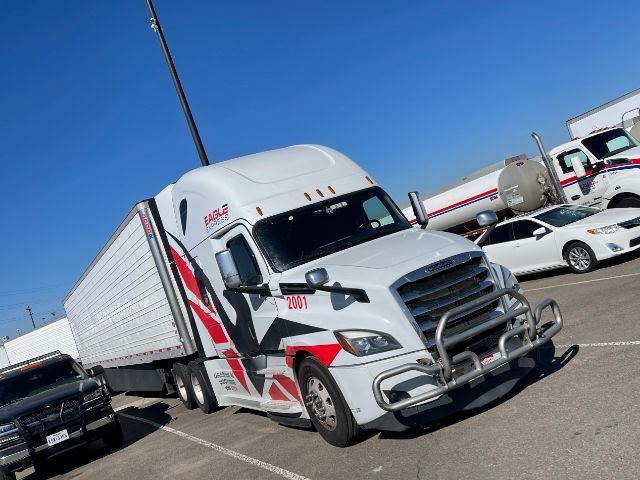
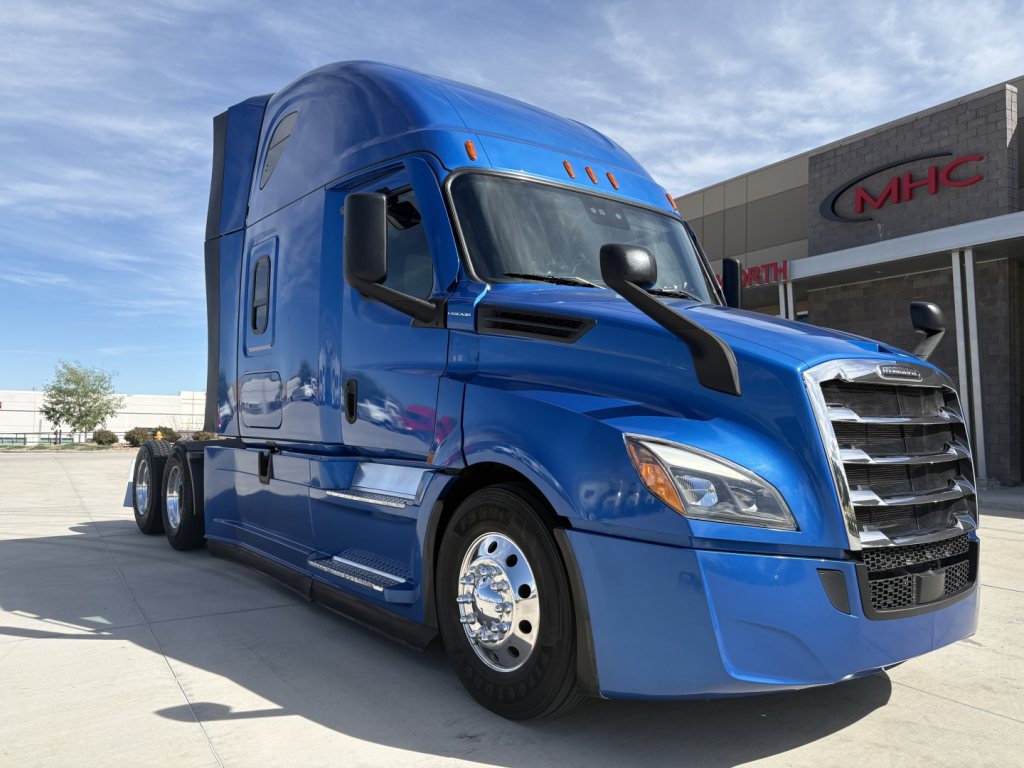
Have freightliner conventional sleeper truck to sell? List it here to reach thousands of buyers.
Freightliner Conventional Sleeper Trucks in Colorado
A buyer should start with the powertrain and rear-end ratio. Many Freightliner conventional sleepers are equipped with the Detroit DD15 paired to a DT12 automated manual transmission, often in the 425 to 505 horsepower range. That combination is popular because it balances fuel mileage with solid pulling power, especially when matched with 2.64 or 2.85 ratios depending on cruise speed and load profile. For mountain use or heavier gross weights, horsepower, torque rating, and ratio matter more than the badge on the hood. Tandem rear axles rated around 40,000 pounds, air ride suspension, engine brakes, and air slide fifth wheels are common specs buyers compare first.
Sleeper configuration is just as important as engine spec. A 72-inch raised-roof sleeper is one of the most common setups in this category because it gives drivers enough room for longer dispatches without stepping up to a larger premium condo-style cab. Upper bunks, bunk heaters, refrigerators, APUs, and dual fuel tanks can make a major difference in driver comfort and idle management. Wheelbase, fuel capacity, and fairing package also affect the truck's real-world role. A shorter wheelbase may fit tighter terminals better, while a longer wheelbase and full aero package may favor steady highway work. Disc brakes, low-profile 22.5 tires, aluminum wheels, collision mitigation systems, and deer guards also show up frequently on later-model Cascadia sleepers.
When comparing Freightliner sleeper trucks for sale, pay attention to warranty status, emissions service history, tire replacement timing, and how the truck was previously operated. A fleet-maintained highway tractor with documented service intervals can be a very different buy than a similar-looking unit with unclear idle hours or aftertreatment history. Freightliner conventional sleepers remain popular because they are easy to place in general freight service, support team or solo driving, and offer broad service access across North America. For buyers narrowing down used long-haul tractors in Colorado, the right choice usually comes down to matching sleeper size, DD15 and DT12 spec, axle ratio, and cab equipment to the lanes the truck will actually run.
Frequently Asked Questions about Freightliner Conventional Sleeper Trucks in Colorado
What is the most common Freightliner conventional sleeper truck on the used market?
The Freightliner Cascadia, especially the Cascadia 126, is the most common conventional sleeper truck buyers will see on the used market. It is widely used in fleet service because of its aerodynamic design, Detroit powertrain options, and broad dealer and parts support. That popularity also helps buyers because there is usually a wider range of sleeper sizes, horsepower ratings, safety packages, and mileage points to compare.
What engine and transmission setup is common in Freightliner sleeper trucks?
A very common setup is the Detroit DD15 diesel engine paired with the Detroit DT12 automated manual transmission. This combination is widely used in highway applications because it is designed to deliver efficient cruise performance, automated shifting, and good integration with engine brake and predictive driving features on newer trucks. Horsepower often falls in the 425 to 505 range, with the final feel of the truck depending heavily on rear axle ratio and gross combination weight.
Is a 72-inch raised-roof sleeper a good choice for long-haul work?
Yes. A 72-inch raised-roof sleeper is one of the most practical long-haul configurations because it gives a driver enough living space for multi-day trips without the added size and weight of a larger condo sleeper. It commonly includes space for an upper bunk, storage, and comfort options like a bunk heater or refrigerator. For solo and team operations that spend regular nights on the road, it is a strong middle-ground spec.
What rear axle ratio works best in a Freightliner conventional sleeper?
The best rear axle ratio depends on your freight, terrain, and target road speed. Ratios like 2.64 are often chosen for fuel-efficient linehaul work at steady interstate speeds, while 2.85 ratios may provide a better balance for mixed terrain or heavier loads. In Colorado and other mountain states, buyers should think carefully about gradeability and engine rpm at cruise, not just fuel economy claims on paper.
What should I inspect first on a used Freightliner sleeper truck?
Start with maintenance records, engine and aftertreatment history, transmission operation, and current tire and brake condition. On a high-mile sleeper tractor, the quality of prior service is usually more important than appearance alone. Buyers should also verify sleeper equipment operation, look at wheelbase and fifth wheel setup for trailer compatibility, and check whether any active warranty or major emissions work has already been completed.