
2018 Freightliner Conventional Sleeper Trucks For Sale in Colorado
Shop 2018 Freightliner conventional sleeper trucks in Colorado. Compare Cascadia specs, sleeper sizes, DD15 power, and highway-ready setups.
Learn more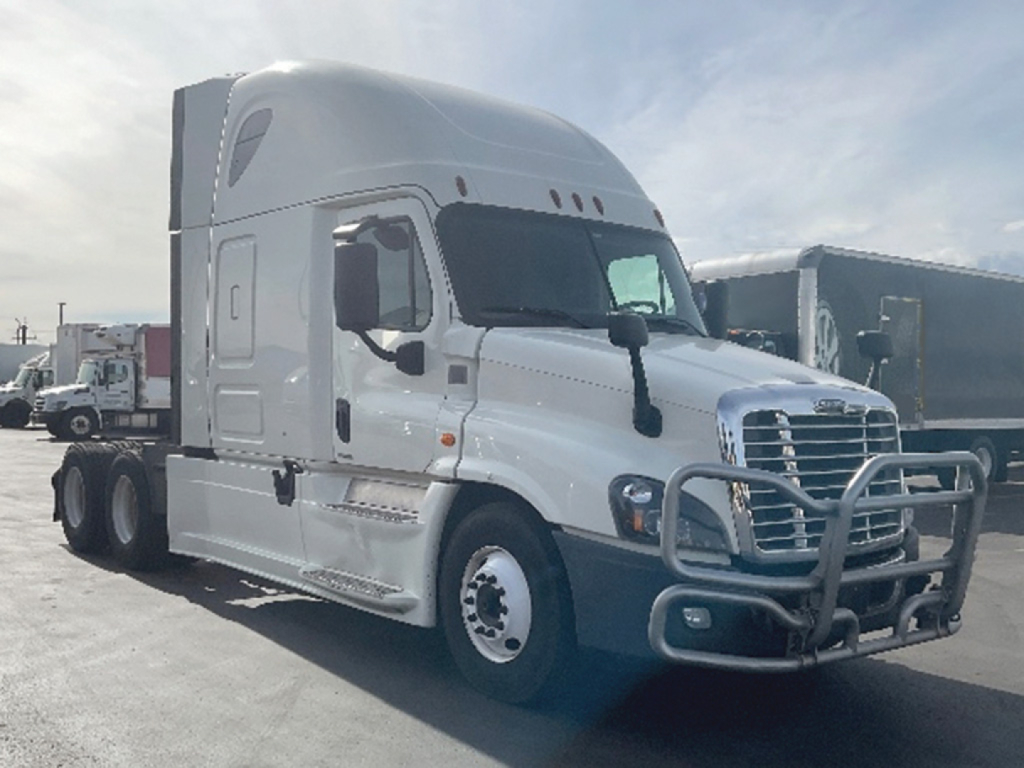
Have 2018 freightliner conventional sleeper truck to sell? List it here to reach thousands of buyers.
About 2018 Freightliner Conventional Sleeper Trucks in Colorado
The main buying decision usually starts with powertrain and axle ratio. Many 2018 Freightliner sleeper trucks were spec'd with Detroit diesel engines, most commonly the DD15, paired with either a DT12 automated manual transmission or a traditional manual. Horsepower ratings often fall in the 400 to 505 HP range, with 1,550 to 1,750 lb-ft of torque depending on the rating and application. A buyer hauling general dry van or refrigerated freight may prefer a fuel-minded rear axle ratio in the high 2s or low 3s, while heavier mountain work in Colorado can justify a shorter ratio for better gradeability. Check for a 40,000 lb rear axle setup, air ride suspension, engine brake performance, and an air-slide fifth wheel if trailer position flexibility matters.
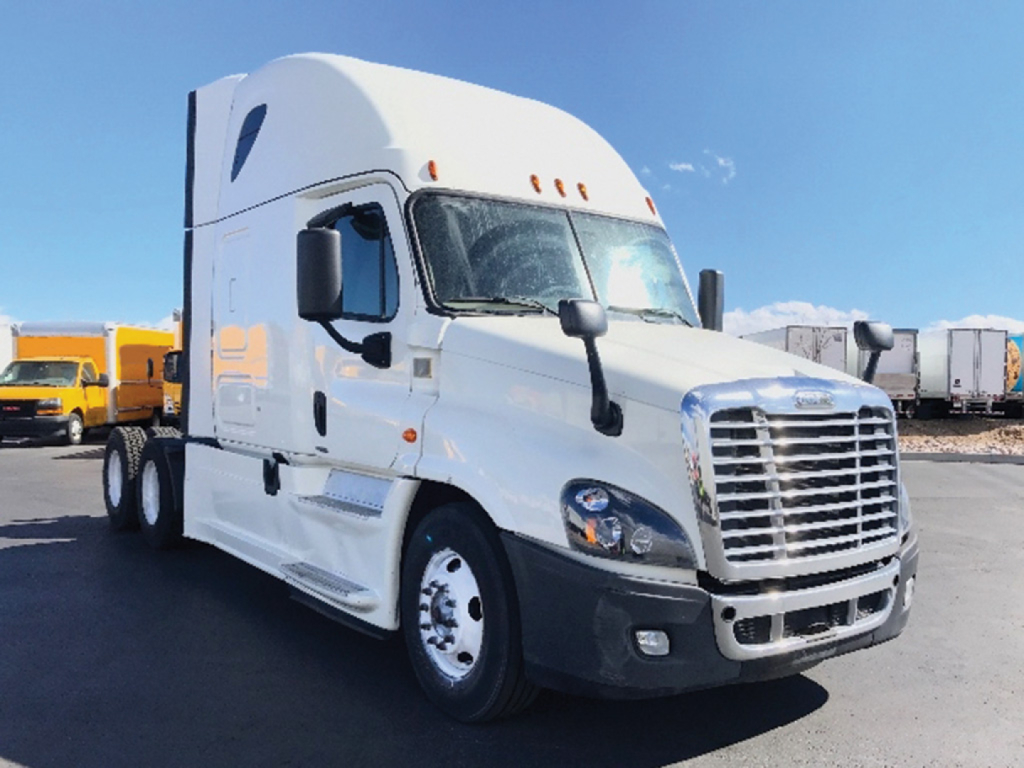
Sleeper size and cab configuration affect both resale and day-to-day usability. Common setups include 60-inch mid-roof sleepers and 72-inch raised-roof sleepers, with features such as upper bunks, bunk heaters, APUs, storage cabinets, and integrated fairings. On a 2018 Cascadia, buyers should pay attention to wheelbase, fuel capacity, brake type, and tire spec because those details shape turning radius, bridge compliance, and operating cost. Disc brakes, aluminum wheels, dual fuel tanks, collision mitigation features, and aerodynamic side fairings are all desirable on highway units. Interior condition matters too, especially seat wear, HVAC performance, sleeper HVAC operation, and the functionality of power accessories and dash electronics.
For used 2018 Freightliner conventional sleeper trucks, miles and maintenance history matter more than cosmetic appearance alone. Service records for DPF cleaning intervals, transmission calibration work, emissions components, and cooling system repairs can tell you more than a polished cab ever will. In Colorado, it is smart to inspect for mountain-use wear, engine brake effectiveness, tire condition, and any signs of corrosion from winter road treatment. A well-spec'd 2018 Freightliner sleeper can still be a strong revenue unit if the engine, aftertreatment system, suspension, and sleeper equipment have been maintained correctly.
Frequently Asked Questions
What engine is most common in a 2018 Freightliner conventional sleeper truck?
The Detroit DD15 is one of the most common engines found in a 2018 Freightliner conventional sleeper, especially in Cascadia highway tractors. It is popular because it balances fuel efficiency, torque, and service network support. Some trucks may also carry other Detroit ratings or different transmission pairings, so buyers should confirm horsepower, torque rating, and whether the truck has a DT12 automated manual or a conventional manual transmission.
Is a 2018 Freightliner Cascadia sleeper a good choice for Colorado routes?
A 2018 Freightliner Cascadia sleeper can be a strong fit for Colorado if the truck is spec'd correctly for elevation and grades. Buyers running mountain corridors should look closely at rear axle ratio, engine brake performance, horsepower rating, and gross combination weight expectations. A fuel-economy highway spec may work well on flatter lanes, but a truck used regularly in steep terrain benefits from gearing and powertrain settings that improve launch and climbing performance.
What sleeper size should I look for in a 2018 Freightliner conventional sleeper?
The right sleeper size depends on route length, driver preference, and how the truck is dispatched. A 60-inch mid-roof sleeper is common for regional and shorter over-the-road work where weight savings and maneuverability matter. A 72-inch raised-roof sleeper offers more headroom, storage, and living space, which can be important for long-haul operations, team driving, or fleets trying to improve driver retention.
What should I inspect first on a used 2018 Freightliner sleeper truck?
Start with maintenance records, engine hours, odometer miles, and emissions system history. After that, inspect the DPF and aftertreatment service record, tire wear pattern, suspension condition, brake life, and any fault codes related to the engine or transmission. On sleeper tractors, buyers should also verify bunk heater operation, HVAC performance, and the condition of the interior trim because those items directly affect driver comfort and downtime costs.
Are automatic transmissions common in 2018 Freightliner sleeper trucks?
Yes, automated manual transmissions are very common in this category, and many 2018 Freightliner sleepers were spec'd with the Detroit DT12. These transmissions are widely used in linehaul service because they help with fuel economy, reduce driver fatigue, and support more consistent shifting. Buyers should still confirm software updates, clutch condition, and service history, especially on higher-mileage trucks.